Excited to share my BSc project is just out in @BehavEcol with @nonay6 and @dr_dingle
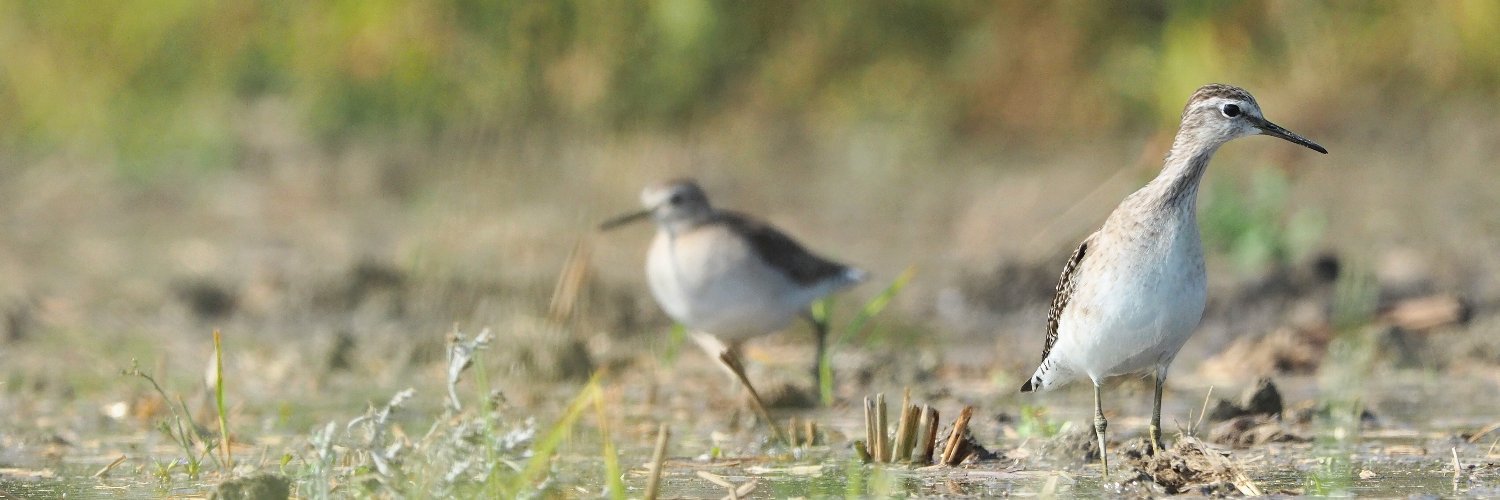
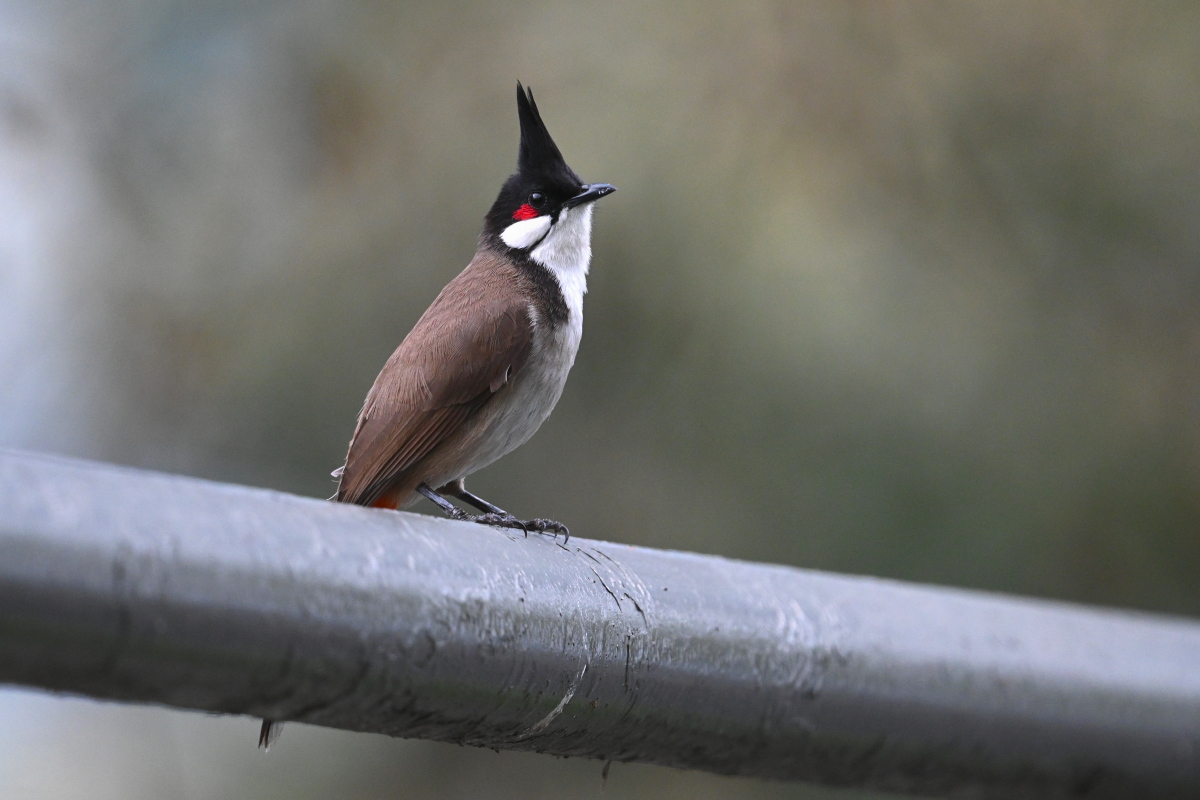
We used field recordings to study how 4 bird species in #HongKong sing under both urban noise and insect noise
https://t.co/QwPaEnaCMC
#bioacoustics#ornithology
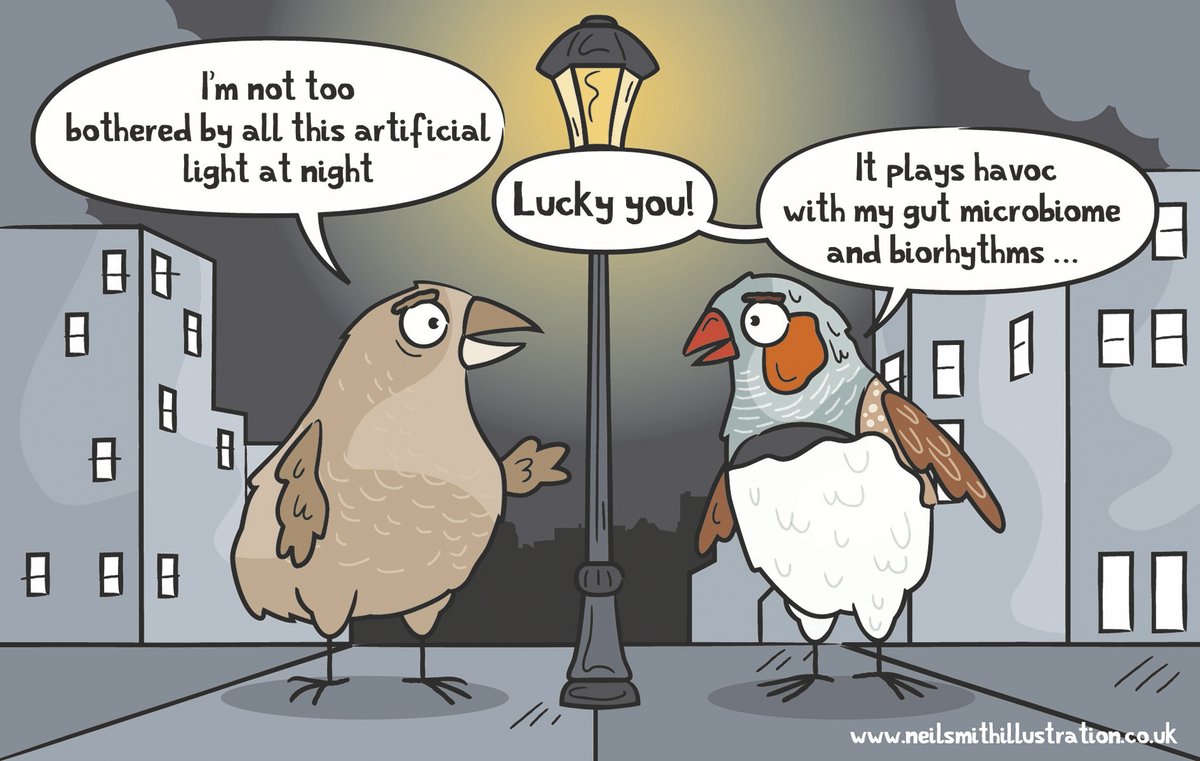
In urban areas, darkness is increasingly rare, so how is our addiction to light at night affecting other species? Dehua Wang (Shandong University, China) & co show that Bengalese finches are relatively unaffected but zebra finches are in bad shape
https://t.co/CiJ8S9nBIS
📢 Save the date for our 1st Biodiversity Monitoring Science Fair! Online, 21-22 May.
Connect with R&I, policy & business to explore the future of monitoring: tech sessions (eDNA, bioacoustics, remote sensing), project showcases, interactive talks, & more!
https://t.co/NeZegFGEmH
📱 Can you hear the hidden voices in your phone? High-frequency sounds might reveal eerie whispers beyond what we normally perceive. Discover the ghostly details in speech! 🎶👻 https://t.co/vWLh5VrmJH
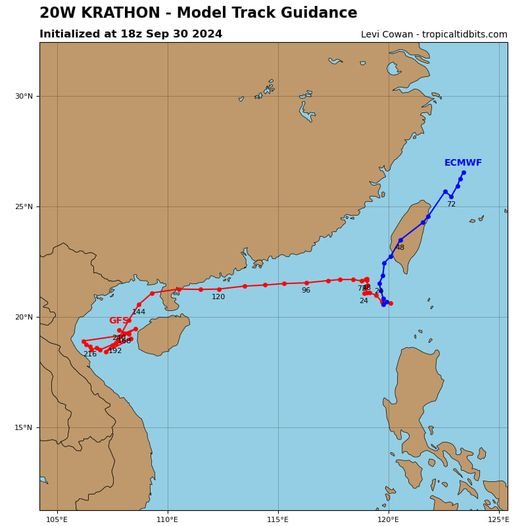
What a twist for 20w Krathon
GFS now predict it would not head to Taiwan in the latest 2 forecasts, but stay on current course and enter South China Sea instead
New preprint out (finally) !!!! We present YOLO-Behaviour, a flexible, easy to implement, robust framework for automated behavioural annotation from videos. @CBehav
https://t.co/VKqCWbE66d
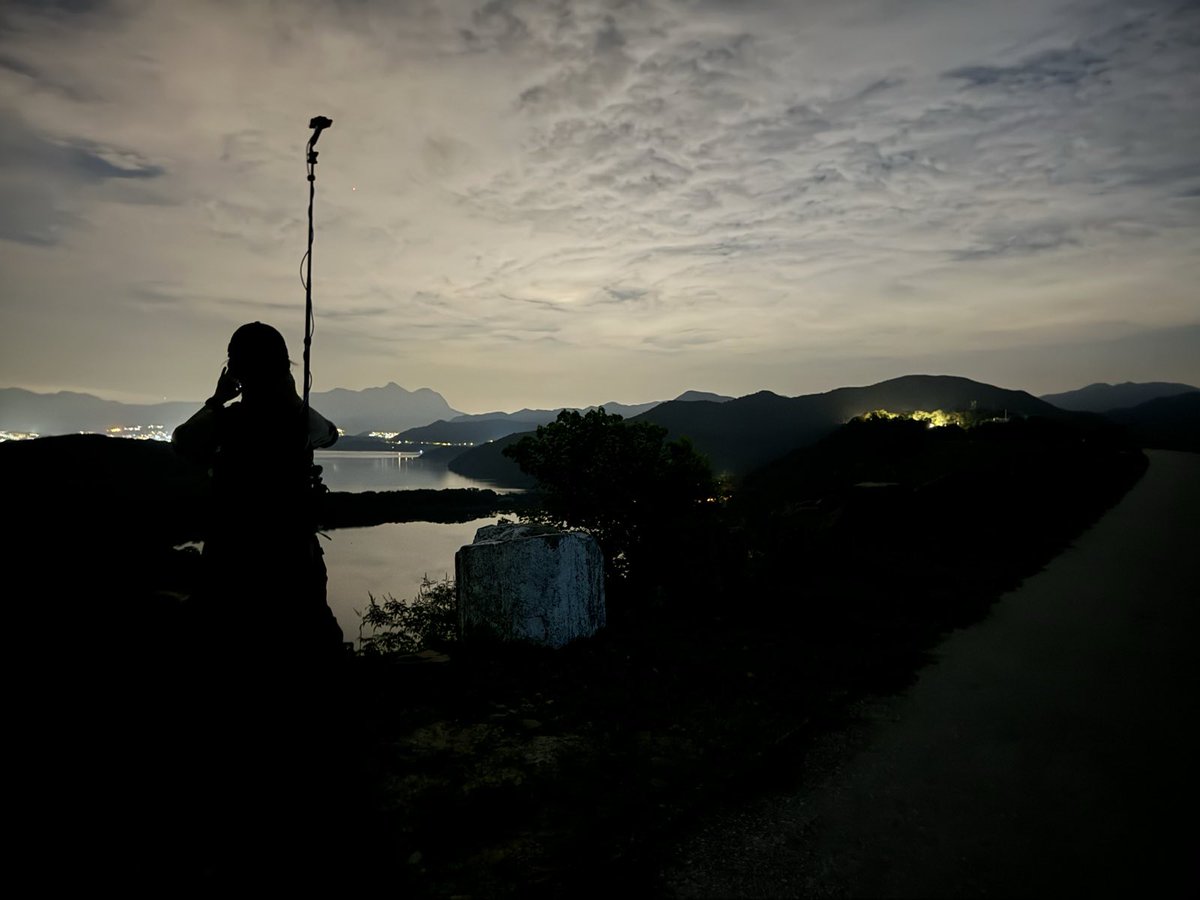
Out for a ~11km survey route in #HongKong at the #InternationalBatNight
Quite a fruitful night, haven't went through all the recordings in details yet, but estimate 14-17 #bat species recorded
Thanks my friend for taking pictures of me 😁
BOW readers are invited to attend this 3-part online science workshop: Working with eBird Status and Trends Data Products. Tell your sciencey friends! #ornithology https://t.co/2SK2yBZOaa
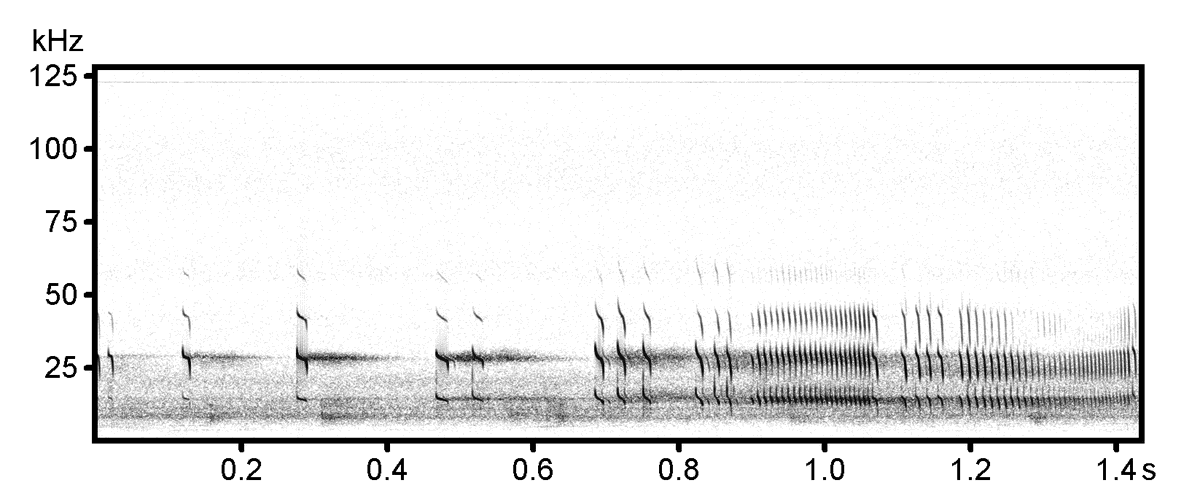
Amazing feeding buzz from Black-bearded Tomb Bat (Taphozous melanopogon)
In love with the structure of the echolocation calls
And I can hear the calls with my own ears, most likely is the 1st harmonic (~11-19khz)
#HongKong#bats#wildlife
@H_Reers Thanks for sharing! The "bite" marks on my devices are very small, so could be insects. I'll look for a add-on to protect them.
Last year I deployed them for a month, all 20 came back without this issue, weird.
Any #AudioMoth user came across with this situation before?
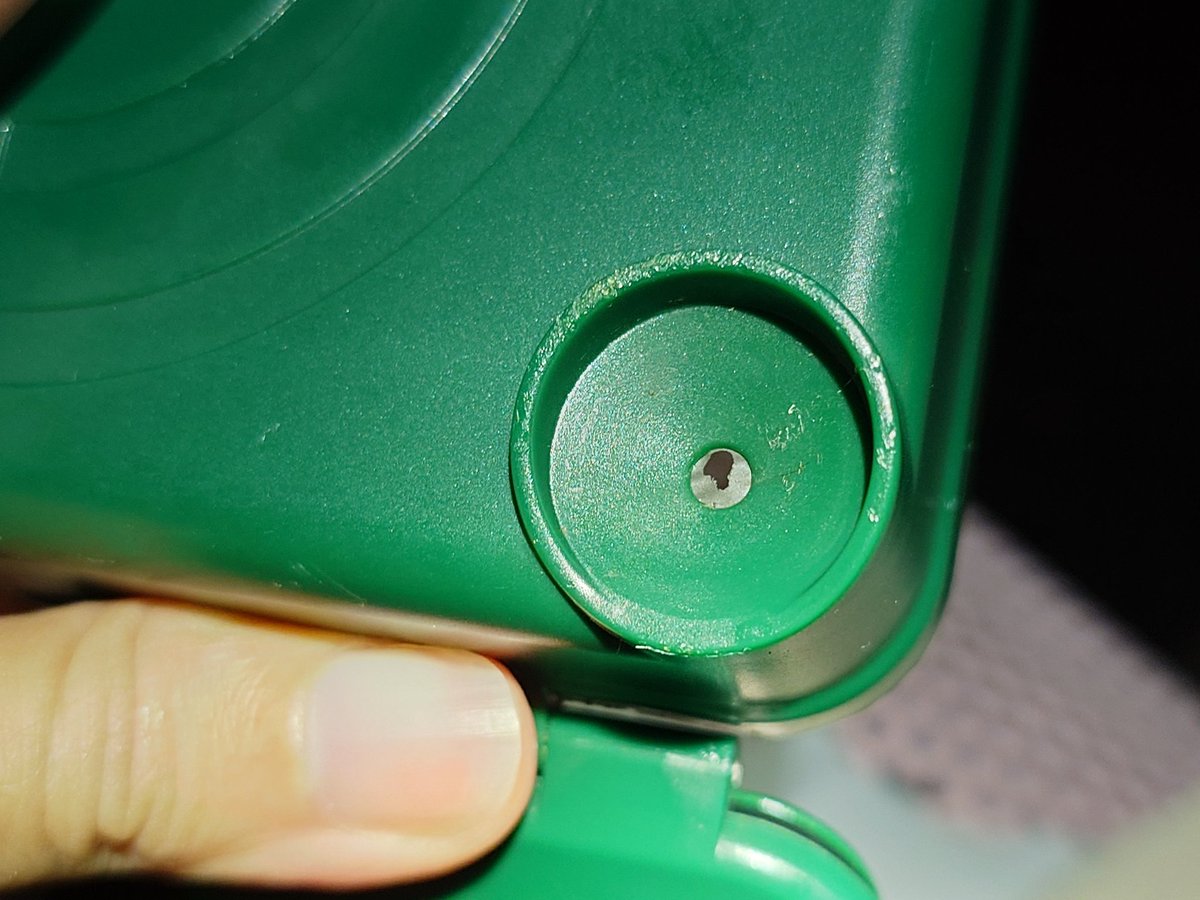
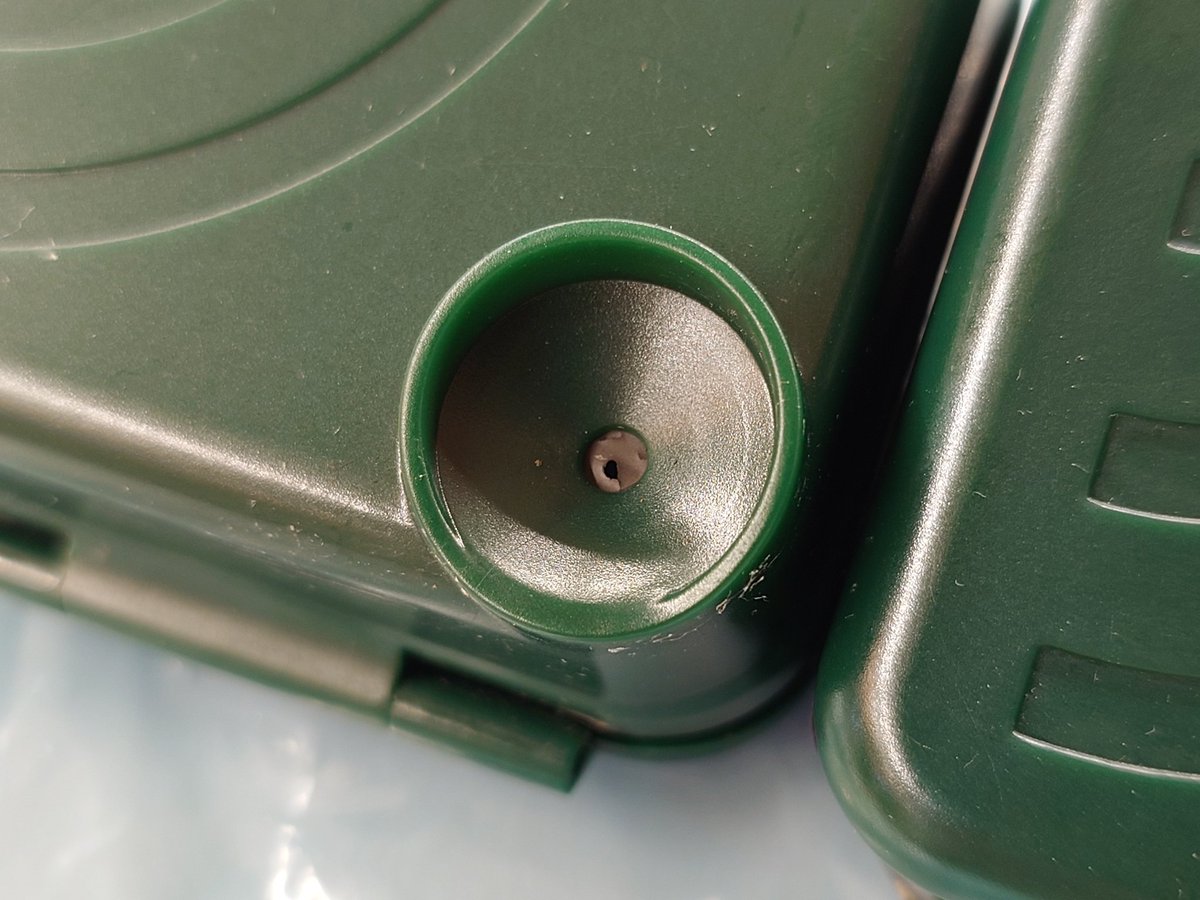
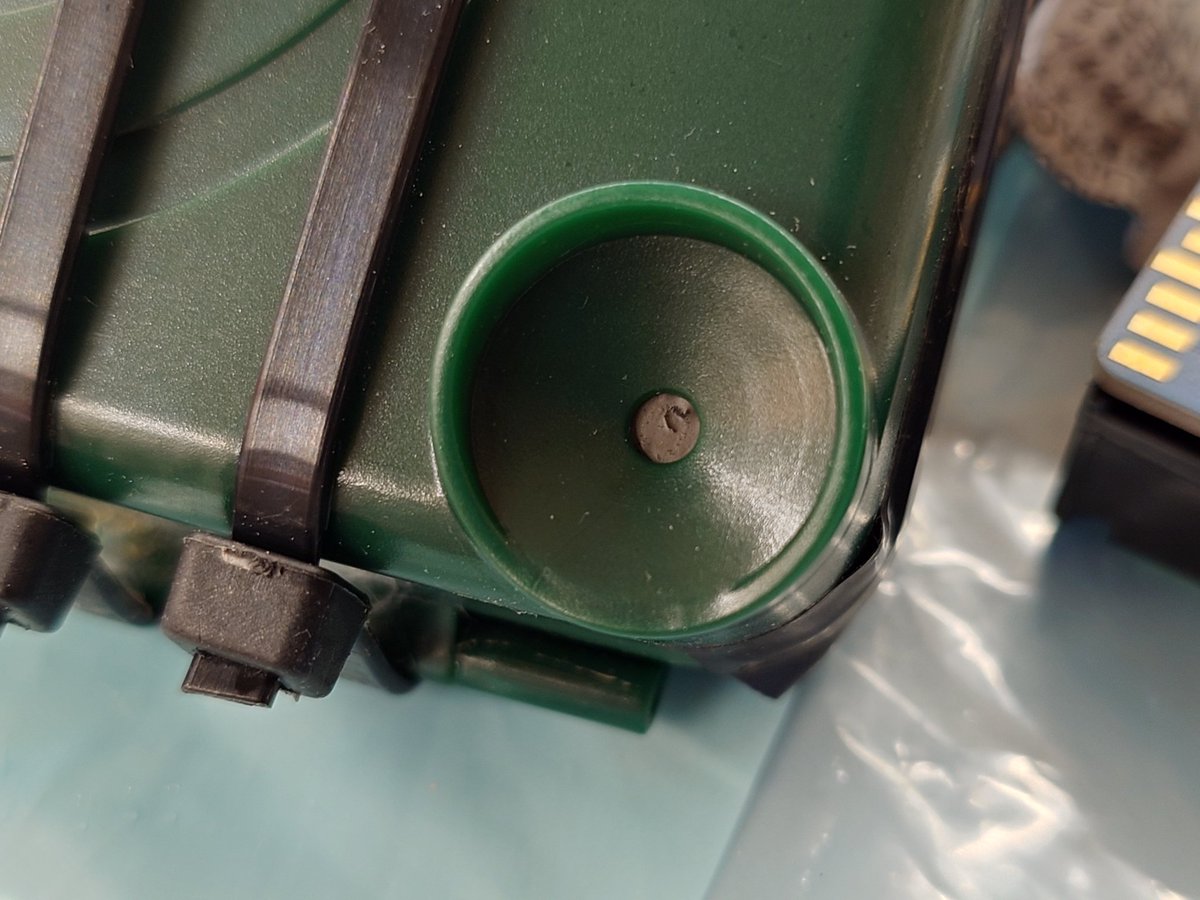
The acoustics membrane broken, at first I thought it has sth to do with the parasitic wasp/fly. But 2 more units have the same issue without any cocoon around.
Air pressure? Or invertebrate bites?
@FrontierLabsAU@BeeBabette@AMCELL No worries!
That'd be great 😄 Thanks for that. In the meantime I'm looking for literature too, hopefully can find something useful.
@FrontierLabsAU@BeeBabette@AMCELL The one above looks like from moth, but the one below seems not. I've came across with both quite often.
Happy to see what do you and others think!
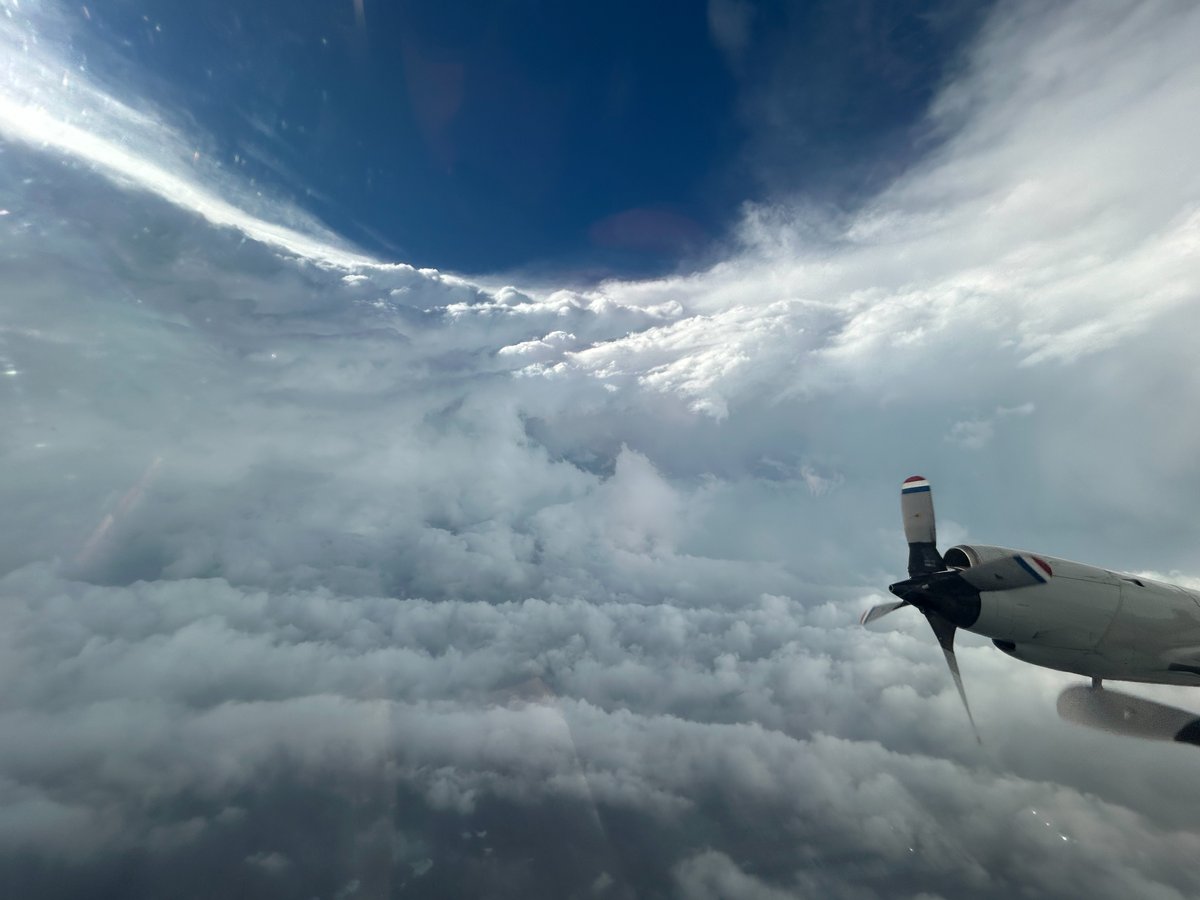
OVER THE CARIBBEAN - Inside the eye of Category 5 Hurricane #Beryl!
NOAA WP-3D Orion #NOAA43 “Miss Piggy” continues operations into Hurricane #Beryl to collect data for hurricane forecasting and research.
Visit https://t.co/0W0v11Anw1 for the latest forecast and advisories. #FlyNOAA
📸: Lt. Cmdr. Kevin Doremus, NOAA Corps