Textile colleagues - this talk by @TristanWeddigen at 6:30 Rome time this evening is sure to be of interest, a theory of how textiles might think. Viewable online here: https://t.co/QbQm4uZ0Dw
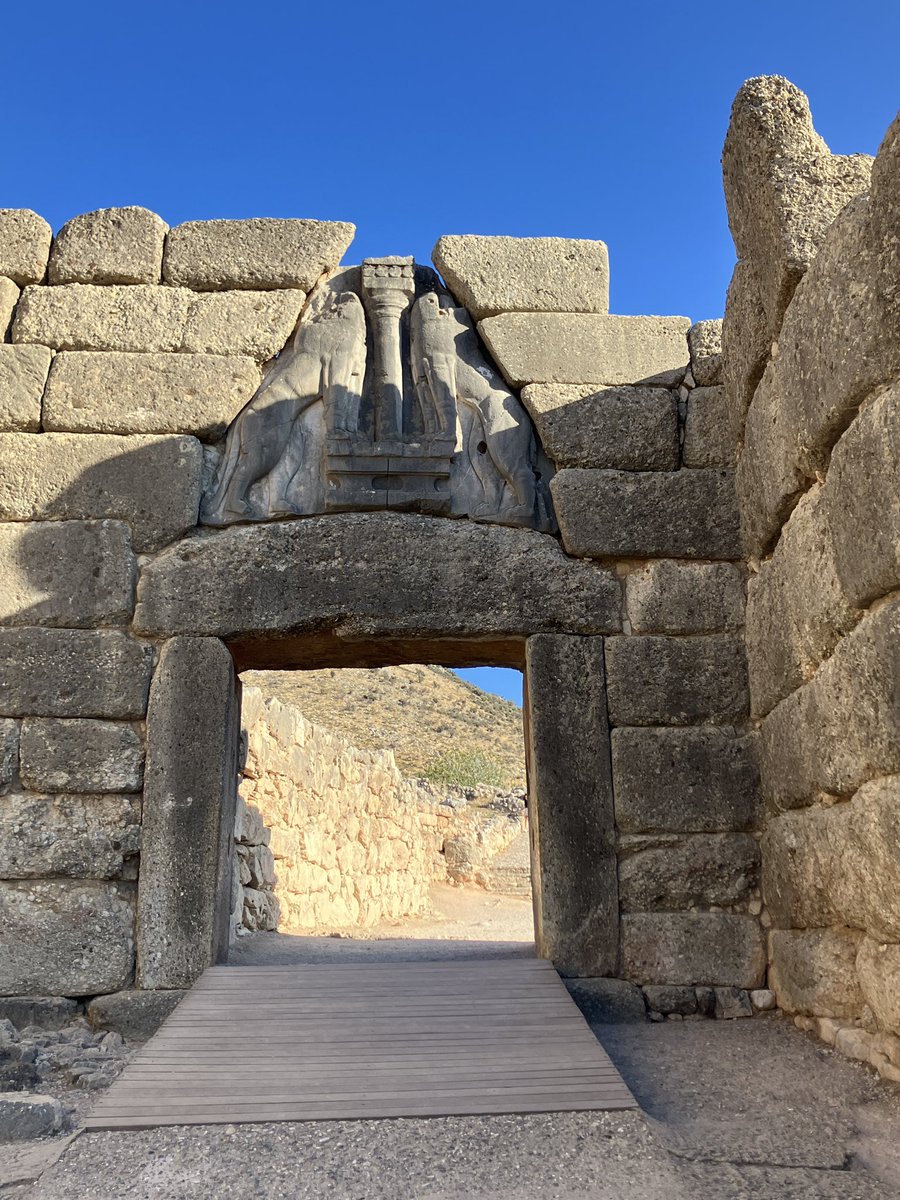
Mycenae meets…Mycenaean Revival. National Bank of Greece building in Náfplio, the work of Nikolaos Zouboulidis, c. 1930, a blunt bit of return to bronze-age order, but with a stomion portal which draws surely unintentional line btw bank & tomb.
Eerie travertine reliefs of sleepy-eyed winds speeding rockets on their journeys, tucked in a corner of Ciampino’s departures hall. Unattributed but surely dating from its construction as a military airport in 20s and 30s.
If pre-war, the imagery - missiles guided to their targets - becomes unintentionally strange, as these objects are almost certainly the rare survivors of the total destruction of the building by allied bombs in 1944.
Susan Sontag’s 1983 Letter from Venice is mostly Lucinda Childs ambling though the city in fab blazers & art school pigeon footage, and yet somehow gets the working life of the city, its unbothered, unchanging getting-on-with-business, just right.
A glorious two minutes of Childs dancing on a fondamenta in the winter sea wind halfway though, a beautiful play of stumbling and control that is somehow precisely what moving across the bridges and calli does to one’s body.
And one on eBay from 1936, a nasty little object that doesn’t seem to have made it into any of the usual catalogs…I wonder why. Bearing the Fascist slogan “noi tiremo diritto”, and Mussolini’s signature.
Among the revelations in the show of women painters on at the Villa Torlonia: these paintings of the 1930s demolitions in Rome by Eva Quajotto, urban destruction recorded with a measured, frank eye in dusty, sunbaked color.
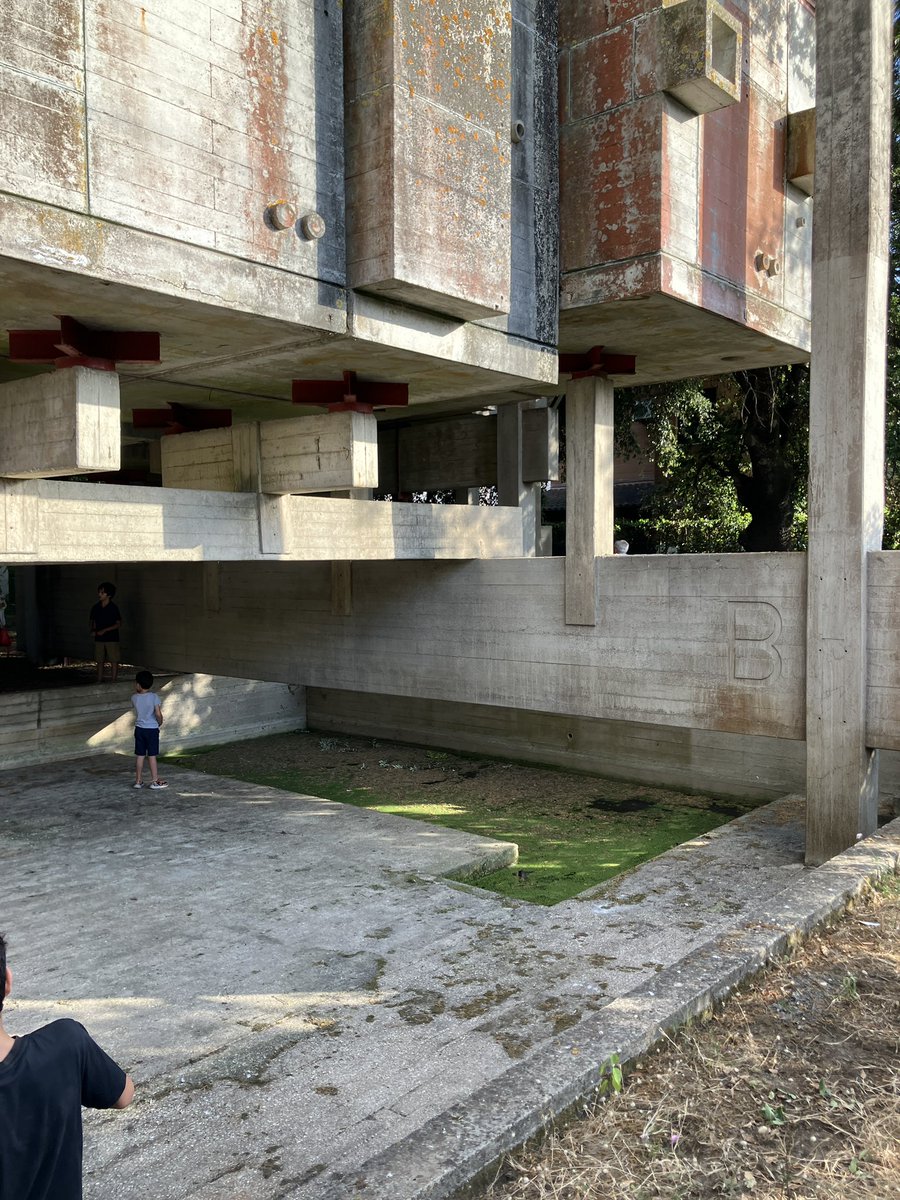
A blissful Sunday spent at the Casa Albero in Fregene, where choreography by Mario Marozzi echoed Perugini and de Plaisant’s see-saw play of pillars and beams.
@openhouseroma has been running a series of visits to the restored interiors with Raynaldo Perugini, son of the architects. Worth keeping an eye out for the next opening.
The building itself is an odd combination of generous and unsettling, w/ walking paths laid out under the beams but queasy-making empty spaces under one’s feet, and at the corners (which never meet across inset strips of window). Most of all delightful in its unpredictability.
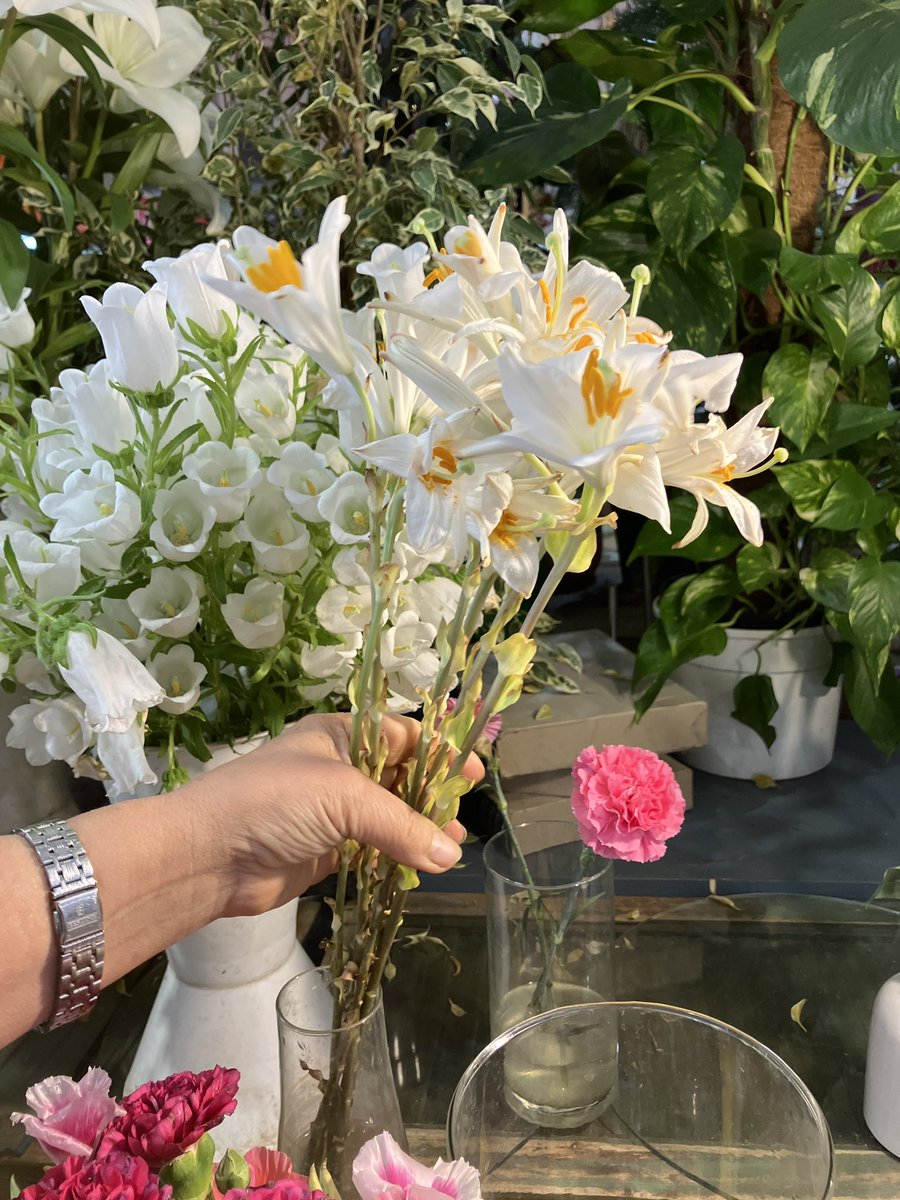
They are grown from bulbs, and flower for a brief two-week period each spring, peaking around June 13, the feast day of Saint Anthony of Padua, patron saint of lost things. Their smell is greener and sharper than the big lilium.
Was surprised yesterday at my market to recognize a flower I had never seen in real life: the slender, open-mouthed white lilies held by Gabriel at the annunciation. They are, my flower-seller tells me, gigli di Sant’Antonio, still grown commercially by just one Italian farm.
A reminder there’s an open call out now for pre and post-doc @BiblHertz fellowships in the department of @TristanWeddigen - a great place to write and think in Rome. Feel free to get in touch with questions, deadline April 20.
https://t.co/yaanD2KHLo
“The chimneys of Rome, will appear to you very simple, rather austere, conscious certainly of the humility of their task, but proud to discharge it in the most beautiful of all cities.” Carlo Petrucci in L’Architettura, 1921.