You're more likely to be targeted in a cyber attack than you are to catch the flu! Says expert @AnnaCollard3 at this morning's @allangray Through the Noise retirement conference.
Big or small - you need to comply with JS 2 of 2024.
Check out my latest article: Book review of Mary Wald's Sowing Hate and Chaos: Inside the Modern Propaganda Machine https://t.co/4lk4lc78BJ via @LinkedIn
I recently read the fantastic book The Irrational Ape by @drg1985 and summarised the sections I felt related to human risk management in #cybersecurity.
The Psychology of Being Fooled: What The Irrational Ape Reveals About Human Risk https://t.co/0rgf8uJw5D
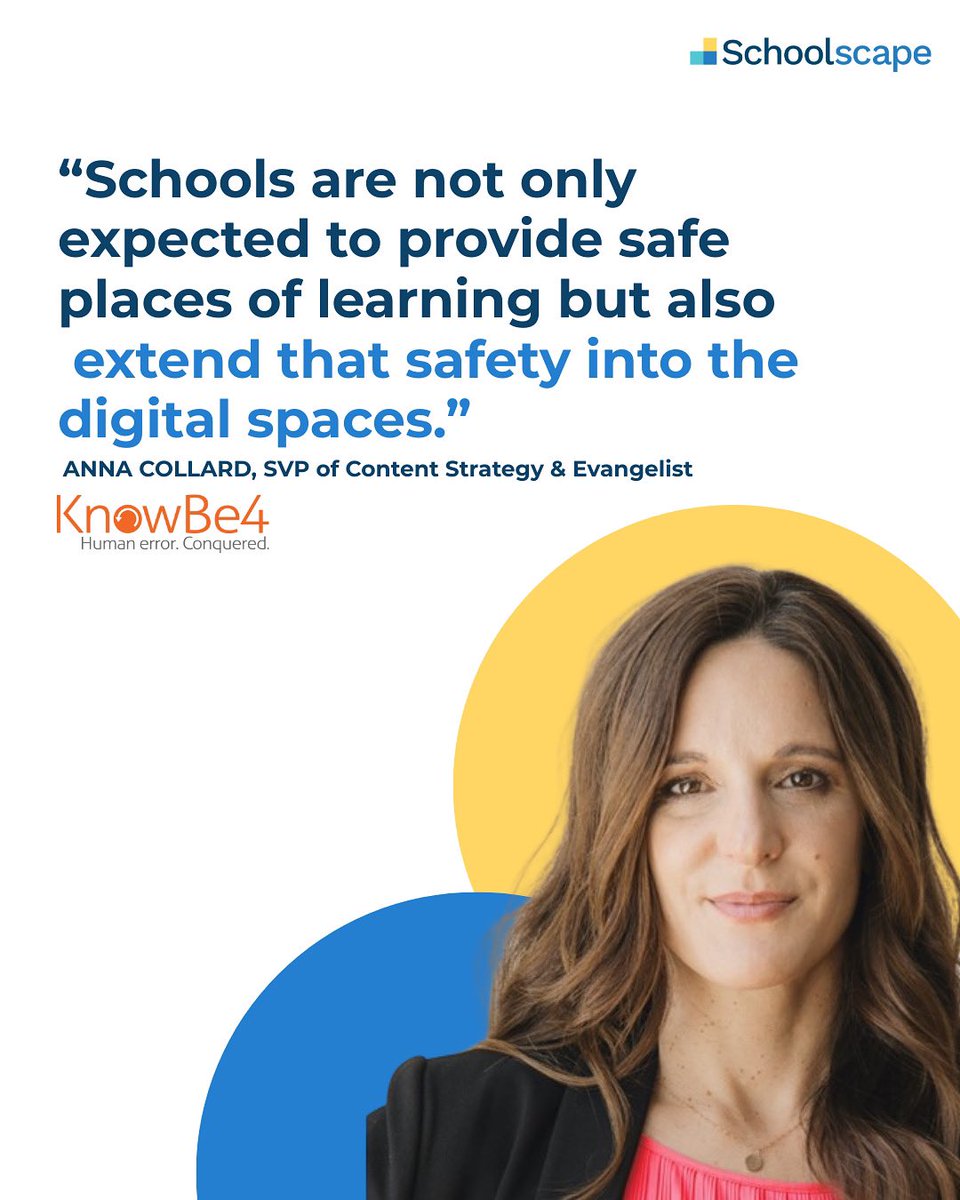
Want to answer the question - How to keep students safe in this digital transformation?
Read up about cybersecurity with @AnnaCollard3 & @KnowBe4.
Link to blog : https://t.co/FuKXyIQ7oH
Cybersecurity breaches pose a significant challenge for universities, with African higher education institutions increasingly becoming targets for cybercriminals.
@AnnaCollard3, SVP of Content Strategy & Evangelist @KnowBe4 Africa, unpacks with @Lulu_Gaboo#AfricaUpdate
thanks @ITWeb for this feature about #deepfakes and the recent compromise of one of SA's Parliament's YouTube accounts, to promote fraudulent "$Ramaphosa" crypto-currency token: https://t.co/bDcBxtsQwh
#OPED | AI and AI Agents: A game-changer for cybersecurity and cybercrime. — by @AnnaCollard3, SVP Content Strategy and Evangelist KnowBe4 Africa.
https://t.co/TXIiQOshuF
AI agents going rogue a risk?
I am excited to share my latest article, published in @pctechmagazine , on how #AIagents are becoming a double-edged sword in #cybersecurity. @knowbe4
https://t.co/DIZ4Cmud9C
Great post about the experience of creating our social engineering/hacking demos by my colleague Anna Collard 🌻 These are some of our most valuable educational experiences. They provide a behind the scenes https://t.co/L7vcLzgBpt
#OPED: Cybersecurity threats are mounting, but it’s Gen Zs and Alphas who are introducing risks — not “Older Folks” | by @AnnaCollard3.
https://t.co/XSK2cRpG4z
#Tech | Research shows that health and fitness apps collect on average 13.8 personal data points per user, with some selling it to insurance companies or even scammers.
—@AnnaCollard3, SVP of Content Strategy and Evangelist at KnowBe4 Africa.
https://t.co/AvgvLq0Yun
Anna Collard, SVP Content Strategy & Evangelist at @KnowBe4Africa, shares a powerful insight: Up to 90% of successful cyberattacks exploit human vulnerabilities through social engineering—manipulating emotions like fear and urgency to trick victims.
While strong passwords and antivirus updates are vital, mindfulness can be an equally effective defence. Staying present, calm, and aware helps identify and resist these manipulative tactics.
Practical tips include:
- Pause and reflect: Ask, "Does this email make sense?"
- Single-tasking: Reduce distractions to stay vigilant.
- Mindful email checking: Review messages with intention.
- Breathing exercises: Manage stress and think clearly.
By integrating mindfulness into cybersecurity training, individuals can build mental resilience against advanced threats, including AI-driven scams.
Learn more in Anna's detailed exploration here https://t.co/ZvYmUbF91U
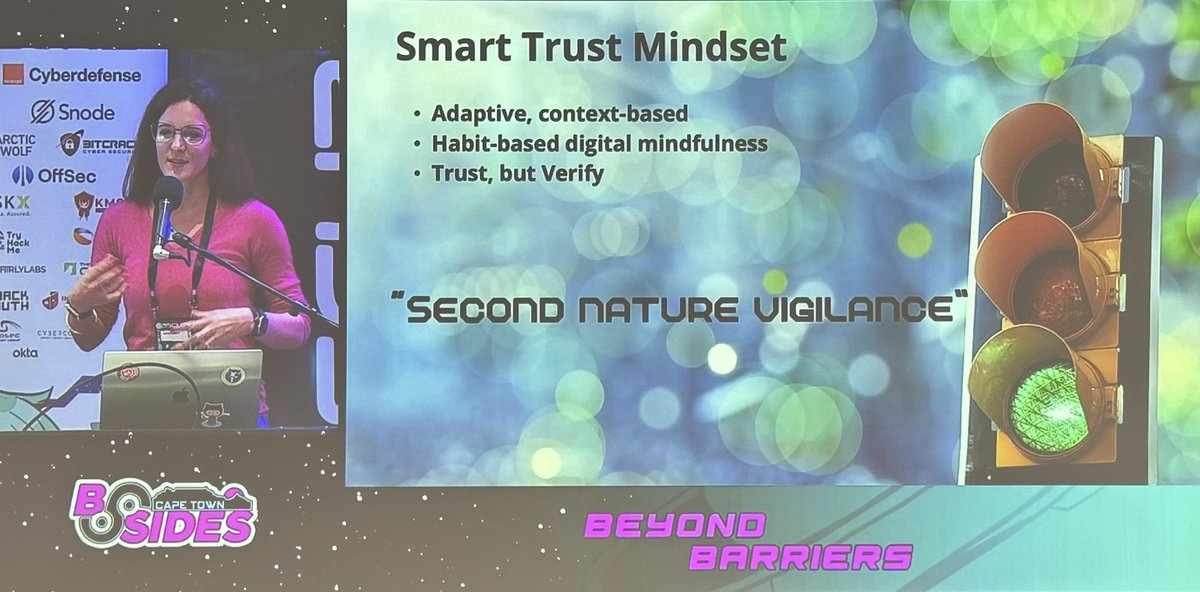
@AnnaCollard3 First thought was how do you apply a zero trust approach to the human approach ? But trust is part of being human so that isn’t a reasonable expectation. So how do we rather move to a smart trust mindset ? Christine Gordon-Bennett talking about the @Nedbank story.