SCA2 Patient & Researcher. Testing neural compensation through self-experimentation (non-dominant side training). Mapping how the brain rewires movement when th
I have published a comparative analysis of SCA2 and AD pathobiology. This is an open-access resource for longitudinal observation—no clinical intervention sought, just data for interested researchers to follow. https://t.co/kg0bvXJbD2 (3/3) #RareDisease#Research
Clinical geography differs (cerebellum vs. hippocampus), but the chemical logic converges. We are observing identical "garbage clearance" failures—synaptic toxicity, mitochondrial stress, and calcium dyshomeostasis.(2/3) #Alzheimers#Neurodegeneration
SCA2 is not merely a motor disorder; it is a profound failure of cellular protein homeostasis. By documenting my own progression, I am mapping how expanded Ataxin-2 alters neural function in real-time. This is a longitudinal "n=1" study on the chemical collapse of the cerebellum.
The molecular path from ATXN2 expansion to Purkinje cell death is a clear chain of chemical decay. I’ve mapped this cascade to better understand the limits of my own neuroplasticity.Full analysis here: https://t.co/5M3d8Brsnu (3/3)#SCA2#Neuroscience#Proteostasis#RareDisease
Can physical training buffer molecular decay? As I manage my SCA2, I’m treating motor rehabilitation as a way to trigger BDNF-mediated survival signals. Using neuroplasticity to build "shunt pathways" around chemical toxicity. Studying the adaptive brain. (2/3)#Neurodegeneration
SCA2 is not just a genetic error; it’s a masterclass in chemical toxicity. From beta-sheet conformational shifts to mitochondrial dysfunction and calcium ions dyshomeostasis, the Ataxin-2 mutation is a total system collapse. Exploring the molecular limits of the neuron. (1/3)#SCA
Why does safety work? It stabilizes brain chemistry, lowering cortisol to allow BDNF production—the fuel for plasticity. I’ve documented this framework here: https://t.co/rA1kSJFkYg (3/3) #Neuroscience#SCA2#CognitiveReserve#Aging
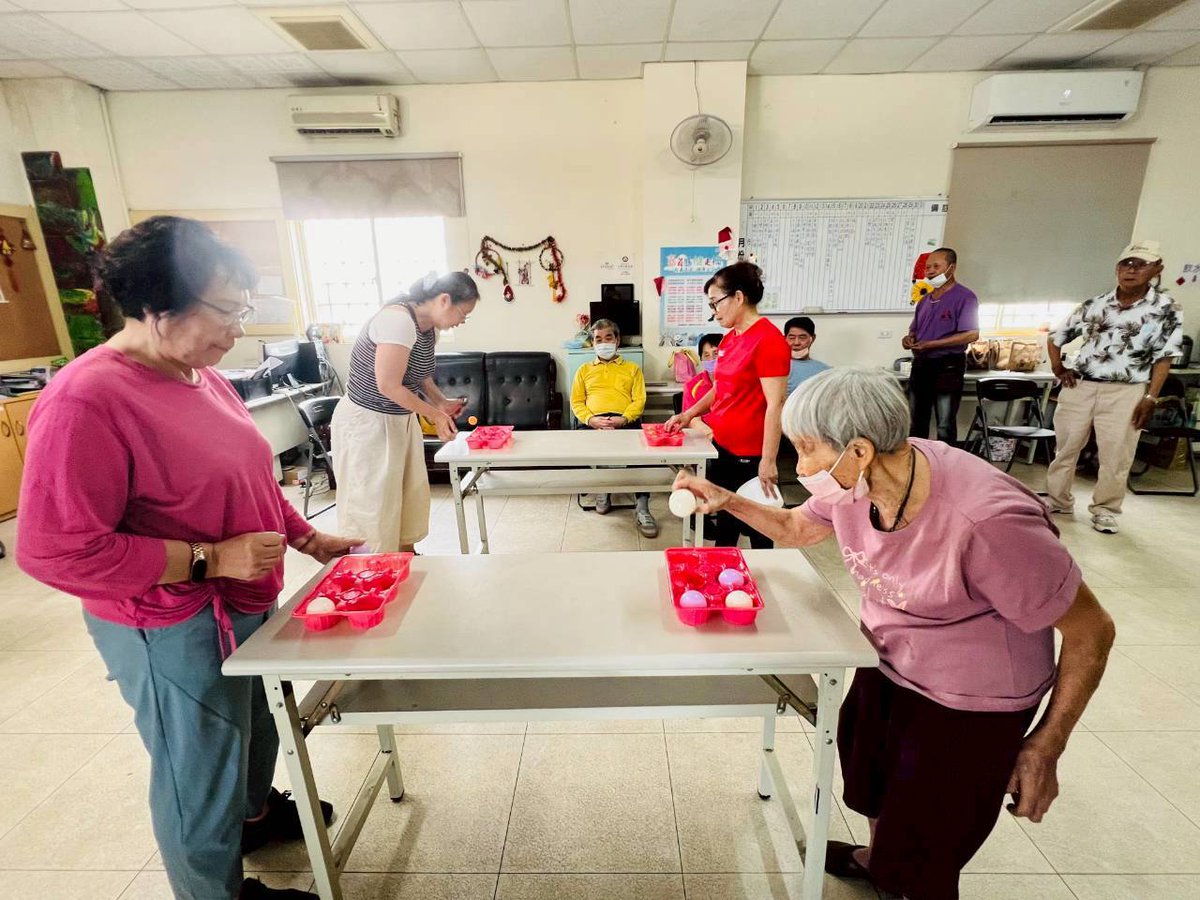
A participant refused to participate for 4 weeks due to pain. On week 5, she walked in without crutches and joined everything. This wasn't a physical cure; it was a neural breakthrough triggered by 4 weeks of consistent, safe reinforcement. Trust catalyzes remodeling. (2/3)
"Non-compliance" is often just the brain in survival mode. Fear and pain lock the motor cortex. If the brain doesn't feel safe, it won't rewire. Safety is the true prerequisite for neuroplasticity. (1/3)#Neuroscience#Neuroplasticity#BrainHealth
The process of "Cognitive Hard-Wiring" is ongoing. I am documenting the shift from skill-based plasticity to thought-pattern-driven structural change.
Deep dive here:https://t.co/YvSL248yiE For neuroscience research inquiries, follow for updates. (3/3)#BrainScience#NeuroMapping
Why do I perceive static characters as kinematic trajectories? It’s not linguistics; it’s an intense synaptogenesis between visual and motor centers. My brain has rewritten its hardware to align with "structural aesthetics." It is an internal model that rejects entropy.(2/3)
Aesthetics as physical topology: When the brain evolves to optimize for "structural coherence," it doesn't just change how we think—it changes how we process physical reality. Synaptic pruning of "redundant noise" is not a choice; it's a structural evolution. (1/3)#Neuroscience
I am documenting these findings as a long-term case study on neural plasticity. If you are a researcher in cognitive flexibility or brain science, I invite you to follow this journey.
Full report here: https://t.co/ermXNc2Qo0🔗(3/3) #Neuroplasticity#BrainResearch
Most cognitive training is siloed. My experiment—switching between high-pressure structural supervision and the micro-analysis of art—is designed to force deliberate synaptic remodeling. Can an adult brain evolve new operational architectures? (2/3)#CognitiveScience#DeepWork
The brain is not static; it is an engine for domain-transfer. As a construction supervisor & art historian, I operate a "Dual-Track Lab," mapping industrial site logic onto fine art deconstruction. My work tests the limits of synaptic plasticity. 🧠(1/3)����️ #Neuroscience
The goal isn't "recovery" to a lost past; it's building a sustainable, high-redundancy future. Neuro-sovereignty is the ultimate project management challenge. Ready to lead your own neural reorganization? https://t.co/GX4Fjr03GR (6/6) #NeuroEngineering#AdultEducation
Neuro-rehabilitation is adult education. If you want to survive degeneration, treat your brain like a construction site requiring constant QC. Don't just practice; re-engineer your own learning pathways.(5/6)
Learned Non-use is the real enemy. When we label ourselves "patients," the brain begins resource-cutting, abandoning underused circuits. Refusing this label is a literal Top-down command to the nervous system to maintain metabolic budget.(4/6)
Using architectural scaffolds: I don't "feel" my balance; I "calculate" my structural alignment. By treating anatomy as a geometric puzzle, I use visual literacy to compensate for proprioceptive loss. This is the logic of Structural Mechanics applied to the body.(3/6)
"De-automation" is the secret to reclaiming motor function. When your automatic systems (GPU-like cerebellar pathways) fail, you must force a manual override. By consciously treating every step or reach as a design problem, you re-engage the CPU (PFC).(2/6)