@Tablesalt13 Charlie ,back in the day, when he was having an affair with Camilla, was recorded wishing to be her tampon.
Tell me what to think about something so stinky and gross.
Hoy quiero hablarles de tres héroes salvadoreños que perdieron la vida mientras cumplían una misión lejos de nuestra patria.
Tres miembros de nuestra Fuerza Armada que viajaron a Haití con un propósito: rescatar a cuatro de sus compañeros que habían sido secuestrados por pandillas haitianas.
Lamentablemente, una explosión accidental durante esa misión les arrebató la vida.
Sus nombres son: el teniente Cristian Daniel Palacios Santos, el cabo Emerson Alexander Zepeda Zelada y el cabo Wilber Manuel Serrano Medina.
Conocí de primera mano la valentía del teniente Palacios Santos. Durante un operativo, en un momento crítico en el que unos contratistas privados abandonaron sus posiciones, el teniente tomó el control de la situación y actuó con rapidez y determinación, logrando salvar varias vidas, entre ellas las de sus propios compañeros.
Todos aplaudimos su valentía.
Recuerdo que en ese momento pensé: “Este muchacho llegará lejos. Tiene todo el temple y la capacidad de un líder”. Jamás imaginé que, poco tiempo después, estaría entre los fallecidos en un accidente.
También me informaron del extraordinario valor de los cabos Zepeda Zelada y Serrano Medina. Durante unas pruebas en El Salvador, una granada quedó atorada en un dron. La batería estaba por agotarse y no era posible dirigirlo hacia una zona completamente segura para que se estrellara. Serrano Medina sostuvo el dron a aproximadamente un metro y medio del suelo mientras Zepeda Zelada desactivaba manualmente la granada.
Sabían perfectamente el inmenso riesgo que estaban corriendo, pero aun así decidieron actuar para proteger a los demás.
Y lo lograron.
Estas no son simplemente historias sobre tres héroes. Son acciones que nos permiten entender quiénes eran estos hombres: militares capaces, valientes y comprometidos con una misión que siempre pusieron por encima de su propia seguridad.
Varias veces he dicho que siempre he admirado a las personas que deciden dedicar sus vidas a salvar las de otros. Porque hay algo extraordinario en ellas. Algo que no es natural, que no es común, que no es normal.
Todos los seres humanos tenemos una reacción instintiva ante el peligro. Si vemos un peligro, huimos de él. Si hay un incendio, corremos y tratamos de alejarnos. Pero un bombero no huye del incendio, hace lo contrario, lo que casi nadie más haría, y en lugar de huir del incendio, corre hacia él, arriesga su vida, camina entre las llamas si es necesario para salvar a los demás.
Eso no es algo normal, es algo extraordinario.
Si escuchamos una balacera, nuestro instinto es huir de los disparos, buscar refugio, mantenernos alejados. Pero un policía hace lo contrario. Ellos no huyen de los disparos como haríamos todos, van hacia ellos, sacan su pistola y corren hacia el peligro para salvar a los que están en él.
Eso no es algo normal, es algo extraordinario.
Lo vimos con los rescatistas que enviamos a Venezuela, salvadoreños abriendo túneles en estructuras inestables que podrían colapsar en cualquier momento. Nuestro instinto natural es huir de un edificio que se desmorona, pero nuestros rescatistas hacían lo contrario: entraban a esas estructuras, sabiendo que podían morir ahí adentro, para salvar a quienes estaban atrapados.
Eso no lo haría casi nadie, mucho menos por un desconocido, pero ellos sí, porque los rescatistas, al igual que los policías, bomberos y militares, reaccionan de una manera totalmente diferente a todos los demás. Ellos no huyen del peligro, van hacia él. Eso es difícil de entender para la gente normal, pero ellos no son gente normal, son gente extraordinaria.
Cuando los demás retroceden, ellos avanzan. Sabiendo perfectamente que eso puede costarles la vida misma.
Y no es que no tengan miedo, es que hay algo más fuerte que ese miedo: su deseo de salvar a los demás.
Esa es la vocación que mueve a nuestros militares, a nuestros policías, bomberos y rescatistas. Personas que han decidido dedicar sus vidas a proteger la de los demás…
@terrynewman@tuesday7595 .@MarkJCarney the Globalist Bankster™️ who wants Canada absorbed, enslaved and eaten up simultaneously by the European Union and CCP China- making jokes about ‘foreign interference’ - is really something to behold isn’t it.
@sarobertson_ Man , you liberals are running scared shitless. Con Carney lies and bullshits and all liberals are doing is trashing someone with no governing power.
CANADIAN MUSIC BIRTHDAYS
NOVEMBER 22, 1956
From Strange Animal to Styx — Lawrence Gowan Turns 70!
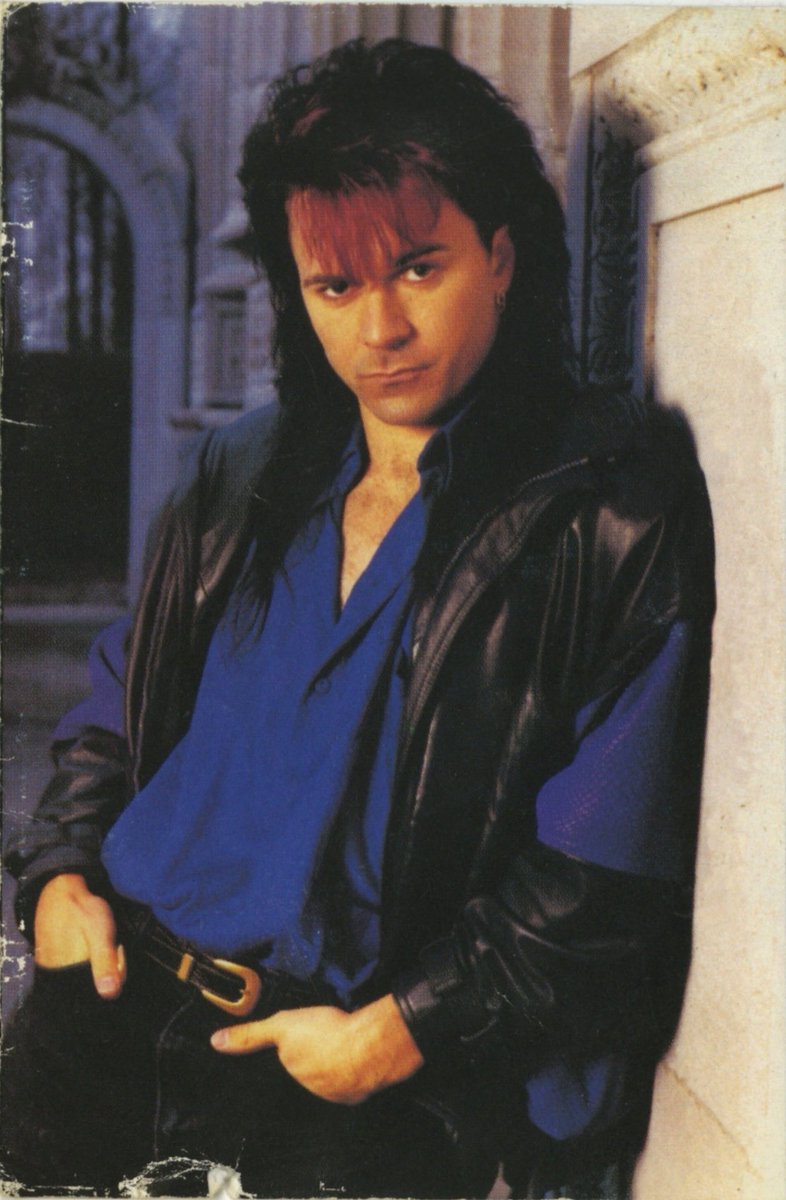
Happy 70th birthday to Lawrence Gowan, the Scottish-born, Canadian-raised singer, songwriter and keyboard wizard whose music helped define the sound of Canadian rock in the 1980s!
Born in Glasgow, Scotland, on November 22, 1956, Gowan grew up in Scarborough, Ontario, where he developed a passion for music and studied classical piano at Toronto’s Royal Conservatory of Music.
After fronting the progressive rock band Rhinegold, he launched a solo career in 1982. But it was his 1985 album Strange Animal that turned him into a Canadian household name.
And if you grew up watching MuchMusic in the 1980s, there was simply no escaping Gowan!
His early music videos were practically essential viewing on Canada’s fledgling music television network. “A Criminal Mind,” “(You’re a) Strange Animal” and “Cosmetics” weren’t just radio hits. Their imaginative, theatrical videos helped establish Gowan as one of MuchMusic’s most recognizable Canadian stars.
At a time when music videos were becoming just as important as the songs themselves, Gowan embraced the medium with elaborate sets, dramatic storytelling and a wonderfully eccentric screen presence.
For a generation of Canadian teenagers, those videos became part of the daily MuchMusic experience, appearing alongside the biggest international acts of the MTV era.
His 1987 album Great Dirty World delivered another unforgettable hit, “Moonlight Desires,” featuring backing vocals from Yes frontman Jon Anderson. Its memorable music video further cemented Gowan’s place in Canadian music television history.
And the Canadian rock connections didn’t stop there. Rush guitarist Alex Lifeson appeared on Gowan’s 1990 album Lost Brotherhood.
Then came an entirely new chapter.
In 1999, Gowan joined the legendary American rock band Styx as a vocalist and keyboardist, introducing his unmistakable voice and energetic stage presence to audiences around the world.
More than four decades after his solo debut, he’s still performing, still commanding the keyboards and still proudly representing the Canadian music scene.
Seventy years young and still a strange animal!
What’s your favourite Gowan song?
#Gowan #MuchMusic #CanadianMusic #STYX
“If you expect nothing from anybody, you are never disappointed.”
- Sylvia Plath
Sylvia Plath was an American poet and novelist born on October 27, 1932, in Boston, Massachusetts. Considered one of the most significant literary voices of the 20th century, she became known for her emotionally intense writing that examined identity, mental illness, love, mortality, and the expectations imposed on women. Her celebrated novel, The Bell Jar, was released in 1963 under the pen name Victoria Lucas, offering a deeply personal exploration of psychological struggles and societal pressures.
Plath also gained widespread recognition for her powerful collection of poetry, Ariel, published posthumously in 1965. Her deeply introspective style transformed personal suffering into unforgettable literary expression. She died in 1963 at just 30 years old, leaving behind an extraordinary body of work that continues to resonate with readers and inspire generations of poets and writers.
As far as I have seen the ONLY person on X that promotes carbon taxes is CARNEY. Others say to reduce emissions but only our dingbat PM promotes taxes.
This morning, Quebecor's CEO went on CBC to defend his company's $31-billion bid for Telus.
Remember why Ottawa made Quebecor buy Freedom Mobile in 2023? To keep a fourth wireless player. Freedom's plans in Ontario, B.C. and Alberta had to stay at least 20% cheaper than the big incumbents' equivalent plans, benchmarked to February 10, 2023, for 10 years. Miss that, and the penalty is $25 million a year, capped at $200 million.
If Freedom's owner buys Telus, one of the three incumbents those rules were meant to undercut, who's left to keep bills in check?
Asked about this deal on Nov 18, Carney said: "Depending on the market structure, the form of oligopoly can lead to more competition with fewer players under certain circumstances."
Carney, if the test is more competition, lower prices and better service, does shrinking the market to three still pass, eh? 🇨🇦 #cdnpoli
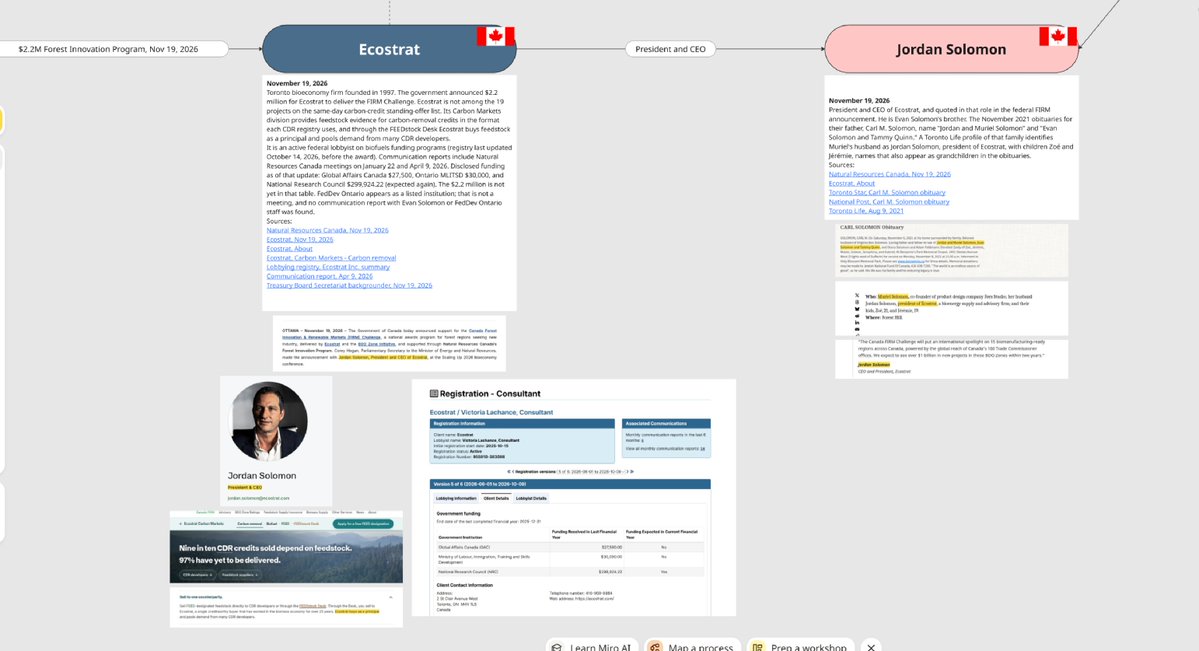
Hey @MarkJCarney were you planning on telling Canadians you are shoveling over millions to Evan Solomon's brother's Carbon Credit company? The same day you committed to buy credits for 19 projects.
INSIDE HALAL SLAUGHTERHOUSES
Most people purchasing a package of beef at the grocery store have absolutely no idea what can happen behind the walls of a halal slaughterhouse that rejects stunning. ( no “stunning” means the cow is fully conscious when its throat is cut)
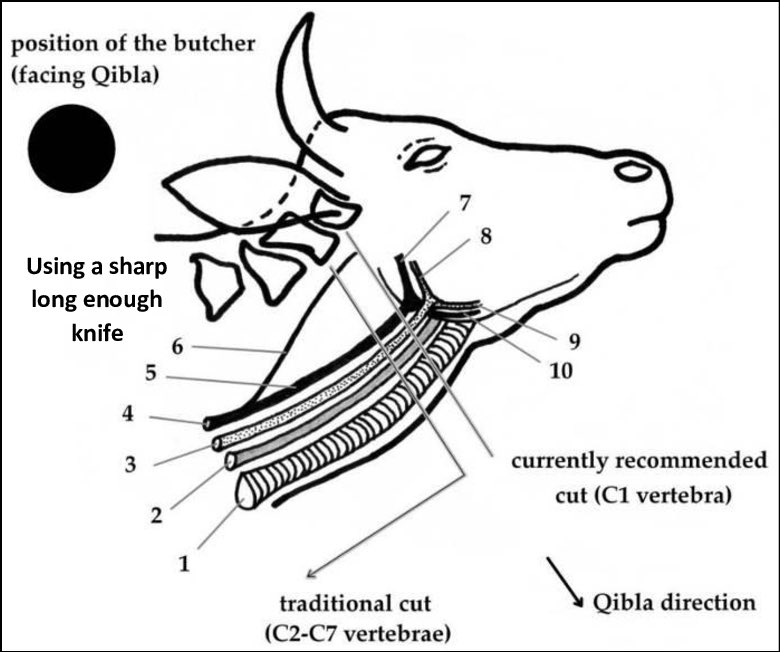
Halal slaughter follows Islamic dietary rules. The traditional slaughter method, known as dhabihah or zabihah, requires the animal to be alive at the moment of slaughter, the invocation of Allah’s name, and a prescribed cut across the neck that severs major blood vessels, the windpipe, and the esophagus.
The slaughterer commonly recites “Bismillah, Allahu Akbar,” meaning “In the name of Allah, Allah is greatest.”
Some halal certification authorities allow reversible stunning before slaughter, provided the animal remains alive. Others reject stunning and insist the animal be conscious when its throat is cut.
When driven into the slaughterhouse, the animal is forced into a narrow restraining enclosure where its body is confined and its head secured. In some facilities, a mechanical restraint lifts its head, stretching and exposing its neck. It cannot escape the restraints.
And in a halal slaughterhouse operating without stunning, there is no step to render that animal unconscious before the slaughterer approaches with a knife.
The blade is drawn across the front of its neck, cutting through skin, muscle, the trachea, the esophagus, and major blood vessels.
Blood begins pouring from the wound as the animal’s heart continues pumping.
The purpose of severing those vessels is to rapidly reduce blood flow and oxygen delivery to the brain, ultimately causing unconsciousness and death.
The cow is not guaranteed to lose consciousness immediately.
For a period after the cut, the animal may remain conscious, with a functioning nervous system capable of registering the injury. The neck contains sensitive tissues, and cutting through them without prior stunning creates extreme pain.
Researchers have documented cattle remaining conscious after the neck incision, and some animals take considerably longer than others to collapse. In some cattle, a false aneurysm can form near the cut ends of these arteries, restricting blood loss and delaying the reduction in blood supply to the brain.
In other words, the very process that is supposed to rapidly render the animal unconscious can be delayed by complications inside its severed neck.
Scientific studies have documented blood entering the respiratory tract during slaughter without stunning.
An animal can have its throat cut while conscious, with blood flowing from its neck and potentially entering the passages it uses to breathe. It may struggle against the restraints, make movements associated with distress, or attempt to regain its footing before losing consciousness.
And the justification for allowing this?
A religion that teaches men to beat their wives and encourages taking child brides.
“But Sarah! Don’t you like burgers and steaks?!”
I LOVE my steak. But I don’t believe in the unnecessary requirement to keep an animal in pain or force it to suffer because of a sick religious tradition.
Do you want to know who will not condemn this act? PETA. Through all of their nonsensical and dramatic posts about protecting animals and going vegan… they hide comments asking them to condemn halal.
🚨Moses Znaimer built Citytv, CP24, Bravo!, MuchMusic and more. He knows television.
He says Canada needs the other side of the story.
So starting in 2027, that's us, five nights a week in prime time.
Om du undrar varför klimatmötet COP31 i Turkiet precis kraschade efter 44 timmars övertid, så är förklaringen egentligen väldigt enkel: EU vill ha regler som resten av världen vägrar gå med på.
I Bryssel har politikerna redan bestämt att Europa ska fasa ut fossila bränslen i rekordfart, med höga skatter och hårda krav på allt från industri till transporter. När EU åkte till Turkiet ville man tvinga resten av världen att skriva under på samma linje. Men oljeländerna och de stora tillväxtekonomierna sa blankt nej, de tänker inte offra sin egen energisäkerhet och tillväxt. När sluttexten skrevs om utan krav på fossil utfasning fällde EU hela avtalet.
Kort sagt: EU vägrar backa från sina hårda regler, även när det betyder att man står helt ensam kvar på perrongen.
Är det verkligen rimligt att EU fortsätter driva på för världens hårdaste klimatpolitik när resten av världen drar i handbromsen?