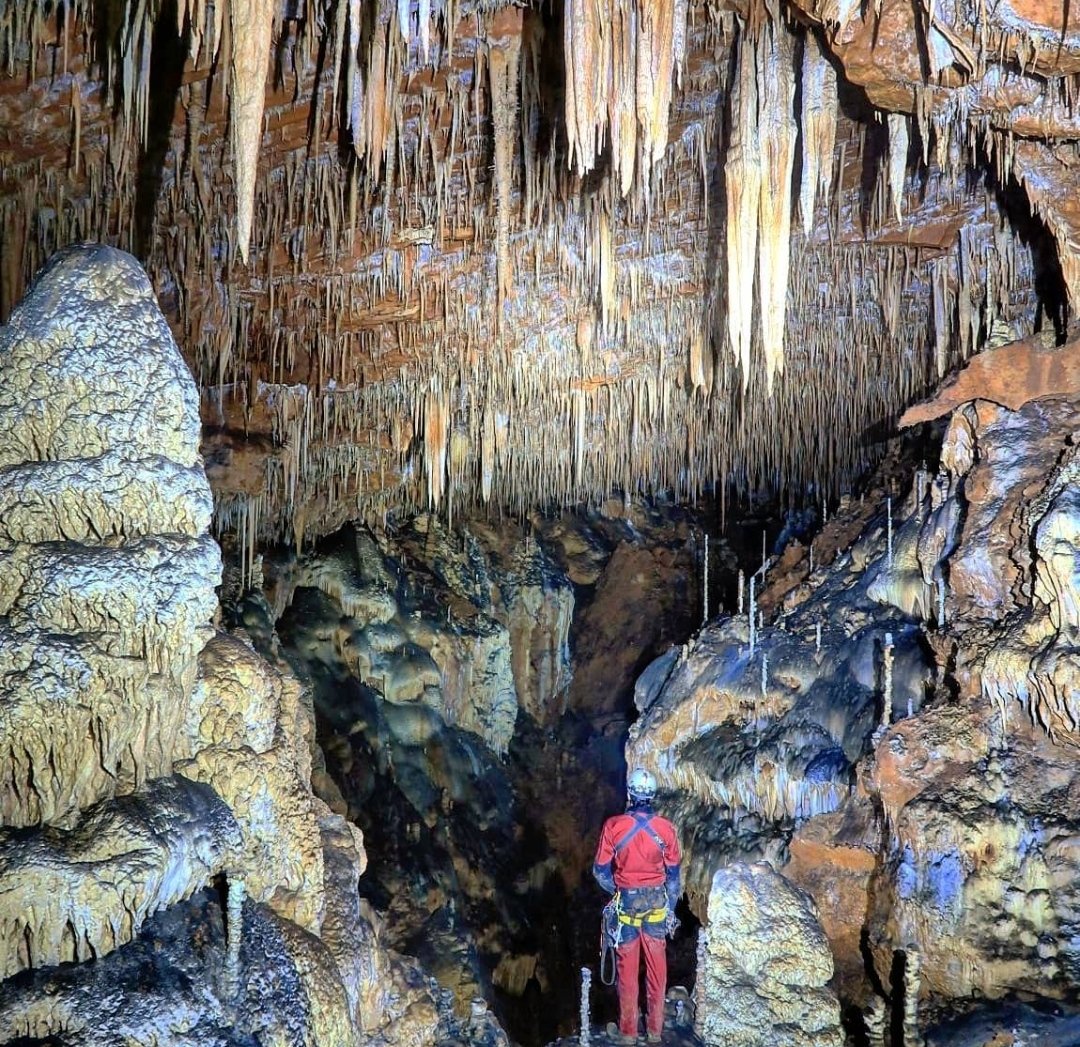
¡La Soria subterránea también sorprende! Así son las entrañas de algunas de las simas del Cañón del Río Lobos, toda una catedral bajo la superficie.
📸 @l.p.rock @sorianitelaimag
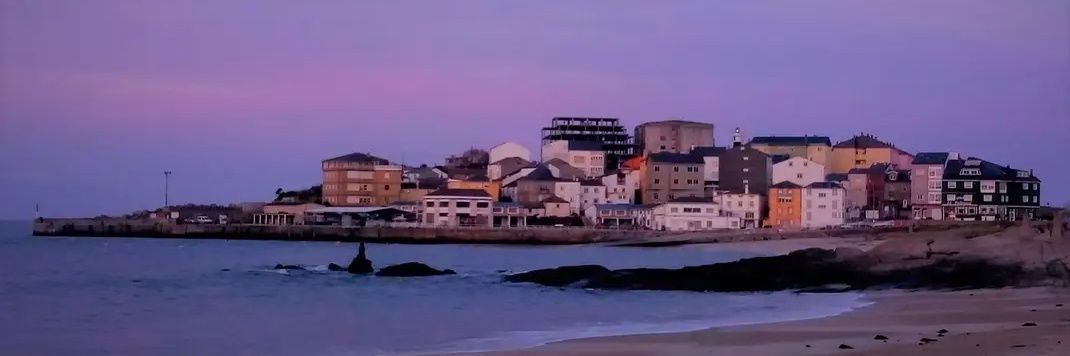
Deportivo de la Coruna have been promoted back to La Liga! 😍
In 2000 they won the league and in 2004 they reached the UCL semi-final.
Years of decline meant they fell to the third tier.
The sleeping giants are BACK.
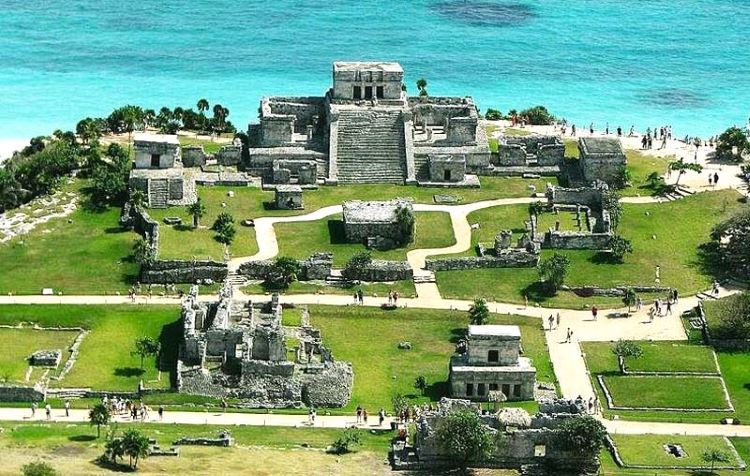
Tulum was a walled Maya city built on 12-meter cliffs along the Caribbean coast of Mexico's Yucatán Peninsula, serving as a major port and trade hub during the late Postclassic period.
The city likely took its name from the Yucatec Maya word for fence or wall, though it may also have been known as Zama, meaning City of Dawn, owing to its east-facing position toward the sunrise.
Tulum reached its peak prominence between the 13th and 15th centuries, making it one of the last great cities built and inhabited by the Maya before European contact.
The first Europeans to spot Tulum were members of Juan de Grijalva's Spanish expedition in 1518, with crew member Juan Díaz recording the earliest known mention of the site.
Tulum's massive defensive wall averaged 3 to 5 meters in height, stretched roughly 400 meters along the seaward side, and featured watchtowers at its southwest and northwest corners.
The city was strategically positioned to take advantage of both land and sea trade routes, making it one of the most important commercial centers in the Maya world.
Obsidian traded at Tulum was sourced from Ixtepeque in northern Guatemala, nearly 700 kilometers away, illustrating the remarkable reach of its trade network.
Other goods passing through Tulum included copper artifacts from the Mexican highlands, ceramics, incense burners, gold objects, feathers, salt, and textiles from across Central Mexico and Central America.
The site's most iconic structure, El Castillo, stands 7.5 meters tall and was built in stages atop an earlier colonnaded building, with a small shrine believed to have served as a navigational beacon for incoming trading canoes.
The Temple of the Frescoes functioned as a solar observatory and features striking murals in the Mixteca-Puebla style, along with niched figurines of the Maya diving god along its facade.
In 2016, underwater archaeologists exploring a cenote cave system near Tulum discovered a female skeleton estimated to be at least 9,900 years old, bearing skull injuries and signs of a bacterial disease related to syphilis.
The find, known as Chan Hol 3, suggested the presence of at least two morphologically distinct population groups inhabiting the region during the transition from the Pleistocene to the Holocene.
Maya inhabitants continued to occupy Tulum for about 70 years after Spanish explorers first arrived in Mexico, before the city was ultimately abandoned by the end of the 16th century.
Today, Tulum is the third most-visited archaeological site in all of Mexico, drawing over 2.2 million visitors in 2017, behind only Teotihuacan and Chichen Itza.
The site's whitest-sand beaches have been ranked among the finest in the world, with researchers measuring Tulum's sand just 1.4 points off the purest white shade out of more than 200 beaches studied globally.
Despite its popularity, the rapid growth of tourism has raised serious environmental concerns, including a 2018 documentary called The Dark Side of Tulum that exposed the ecological damage caused by the local tourist industry.
Tulum's role as a thriving Maya trade port had lasting consequences for the archaeological understanding of pre-Columbian Mesoamerica, revealing just how sophisticated and far-reaching Maya commercial networks truly were, connecting coastal cities to highland civilizations across hundreds of kilometers. Its eventual abandonment following Spanish contact became one of countless examples of how European exploration disrupted and ultimately dismantled Indigenous urban life across the Americas. Today, Tulum's dual legacy as both an archaeological treasure and a booming tourist destination highlights the ongoing tension between cultural preservation and economic development, a challenge that continues to shape how ancient sites across the world are managed and protected.
#archaeohistories
#ThoughtForTheDay
I pollinate your fields, I colour your world, I feed your future.
If I disappear, your tomorrow disappears with me.
Save The Bees. Save Life. 🐝
Oculus Cordis (Eye of the Heart) - Sic Decipit Orbis (Thus the World Deceives) — Detail from Quarles’ Emblems. Date: Text 1635; Illustration 1861 (Victorian Era Edition). Technique: Wood engraving. Artists: Charles H. Bennett and W. Harry Rogers. Collection: Princeton Theological Seminary Library / Internet Archive.