Stop losing money on free analytics reports. Most agencies treat website data as an afterthought, not a profit center. Roy Bielewicz will be a panel member, so be sure to sign up for this free presentation. (link in the comments)
Google's Gemini just launched a new AI image tool that they're calling Nano Banana. We put it through some tests to see how it compares to ChatGPT & Adobe Photoshop. Can Google's AI really replace Photoshop? Well, I can tell you that we were very, very impressed with the results.
Did you know that you can create an entire website by uploading a text document to Duda? And it will even generate appropriate AI images? Check out the link below to see how it works.
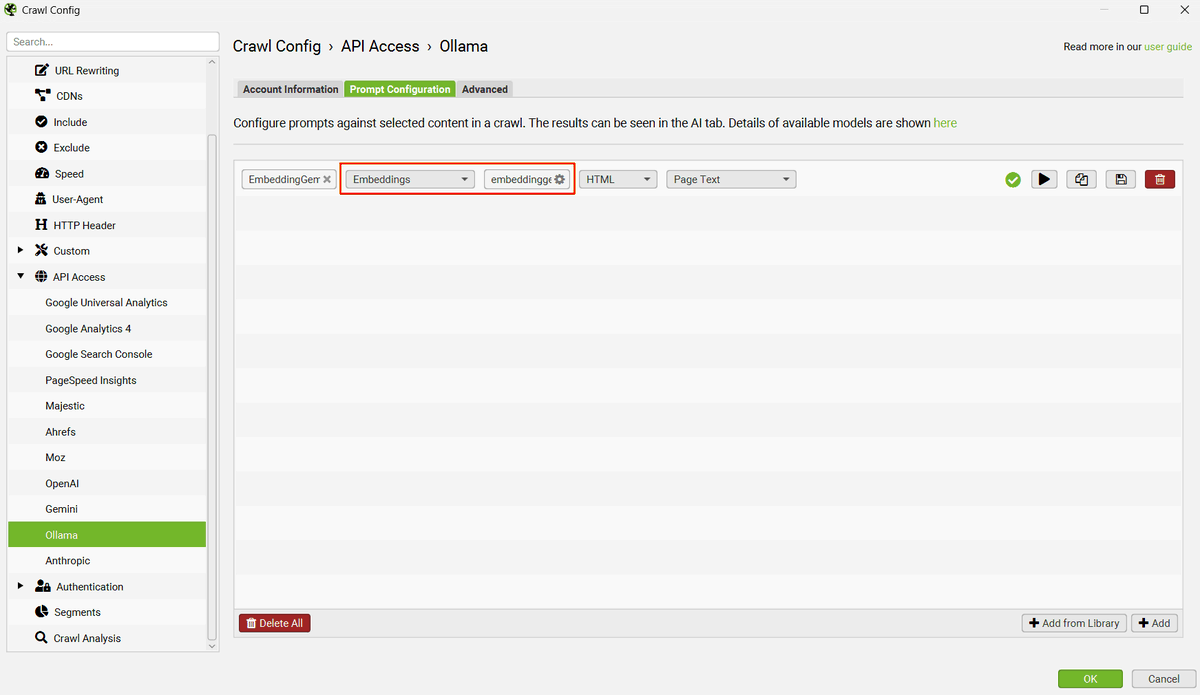
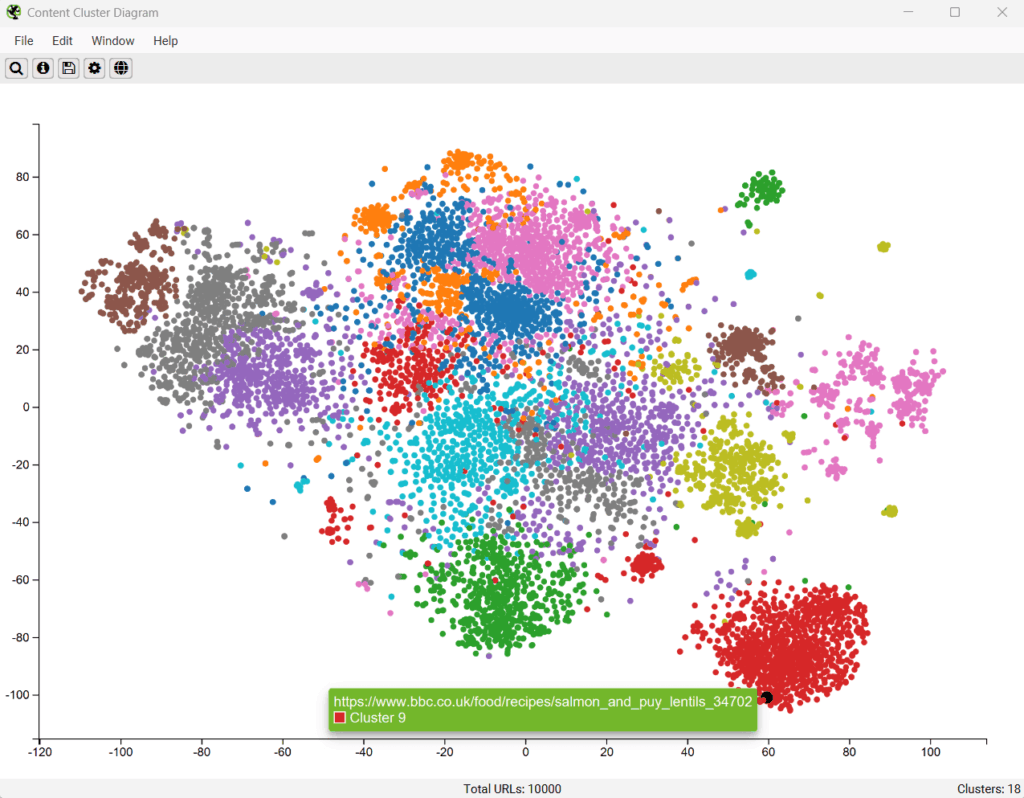
Little tip - You can use local LLMs, & the latest models, such as EmbeddingGemma from Google in @screamingfrog.
Just pull the model via Ollama or AI Studio, & update the category & model in the prompt.
More here on the set-up - https://t.co/omO2LrIOP3
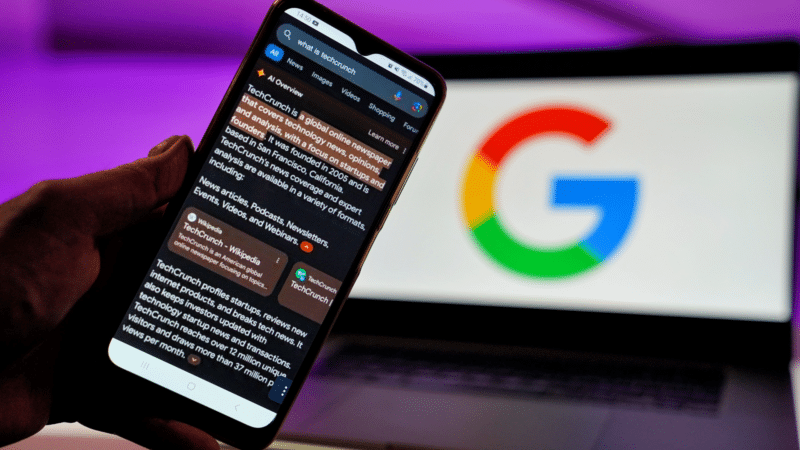
John from Google just confirmed that AI Mode sending no referrer value is a “bug” that Google is looking into… hopefully this means we get some type of AI Mode tracking in GA (or it at least shows up as Google / organic)
https://t.co/ySXbQkRrAm
👋 Know your visitors — and how they behave!
Let’s take a deep dive into the 4️⃣ types of users you’ll see in GA.
1. TOTAL USERS: The total number of people who visit your site or app in the specified date range.
2. NEW USERS: The number of unique visitors who logged the “first_open” or “first_visit” event during the specified date range.
3. ACTIVE USERS: The number of people who had an engaged session with your site or app in the specified date range.
❓What’s an ENGAGED SESSION? One that lasted 10 seconds or longer, or had 1 or more conversion events, or had 2 or more page views.
4. RETURNING USERS: The number of people who have visited your site or app before in the specified date range.
➡️ A user is considered RETURNING if they have initiated at least one previous session in the date range — regardless of whether or not the previous session was an engaged session.
You’ll see these user types in the Reports → Engagement section, for instance. If you use the User Behavior template in the Explore tab, you can gain a more detailed view of your visitors.
Understand user metrics: https://t.co/F5ImVVdvi1
Google's @JohnMu has confirmed that AI Mode reporting will indeed come to Search Console - exactly what that means is not clear but the data will be in Search Console's performance reports soon - more details at https://t.co/PcOAXNCXJ4
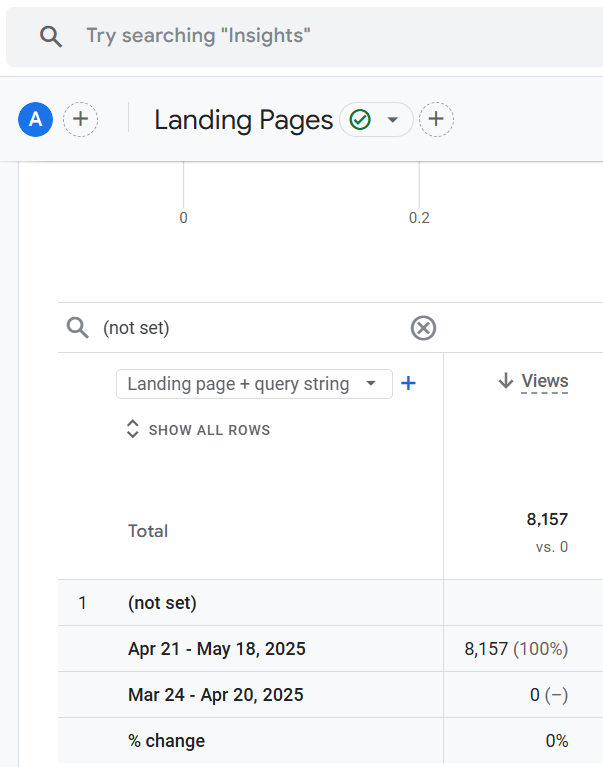
🚨 Red Alert: Ever since Google changed the GA4 cookie format for session cookies (starting the first week of May), users have reported widespread (not set) issues in GA4 reports. These issues are also impacting e-commerce data.
Check your reports for the rise in (not set) even when there was absolutely none previously.
Google should not have changed the formatting.
Why fix something which is not broken?
No warning.
No backward compatibility for tools parsing cookie strings.
No immediate documentation.
No mention even to the users of Project Alpha.
How can you change something as foundational as a session cookie structure without large-scale testing and community feedback?
This rollout was flawed.
When something works and when developers, analysts, and marketers have built pipelines and products on top of it, changing it silently is not innovation. It’s negligence.
Check the link to the article in the comment for fixing (not set) issues. 👇
👾 If you missed our livestream last week — you’ll want to check out these updates: https://t.co/c1WA0q1A51
We’re bringing you:
✅ Enhanced data completeness, with Aggregate Identifiers and Smart Fallback Mechanisms
🖼️ Updated data presentation, with new alerts and labels
💡 Tools for deeper insights, like System-Generated Annotations