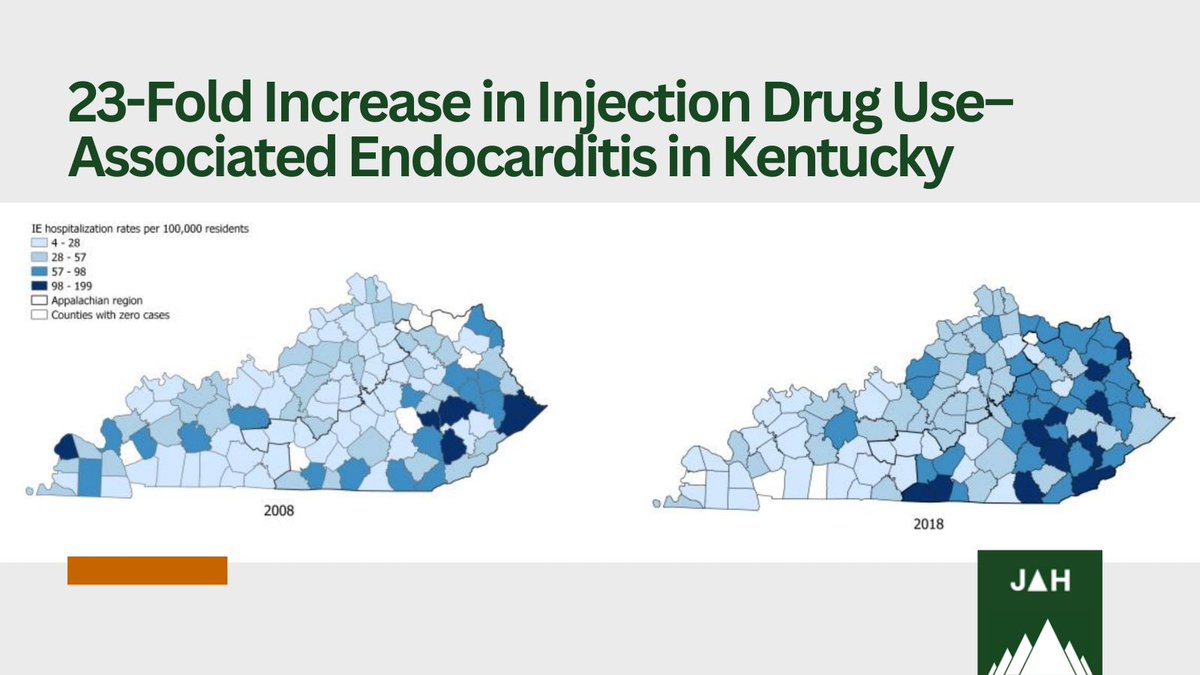
In KY, hospitalizations for IVDU–associated infective endocarditis increased from 1.2 to 27.3 per 100,000 residents between 2008 and 2018, a 23x rise. The highest burden was concentrated in Eastern KY, highlighting lasting impacts of the opioid epidemic.
In rural Appalachia, where access to places for exercise is limited, social media use was linked to both physical activity and well-being. The key takeaway: it’s not just how much people use social media but how they use it. Link: https://t.co/19rtXB6DB6
Report: More than half of physician trainees surveyed were less likely to practice in WV after the abortion ban. Workforce policy isn't downstream. It starts here. Link: https://t.co/6q0MFImYdd
A brief workshop didn’t change everything, but it did shift how medical students think about rural care: more awareness of travel burden, scheduling realities, and patient needs. Small interventions can make measurable differences. Link: https://t.co/DKL8AtoiAG
Community health workers are connectors and trusted insiders! In Appalachia, their lived knowledge is key to addressing food insecurity through real, community-driven solutions. Article: https://t.co/loL0sPPdmy
New research in the Journal of Appalachian Health finds that many people served by homeless shelters in an Appalachian city perceive stigma and inequitable treatment in healthcare, especially those with mental health diagnoses. Dignity matters to care.
🔗 https://t.co/tHOGEeQmEA
New in the Journal of Appalachian Health: In Virginia, breast cancer rates were similar across counties, but women in rural and Appalachian counties were more likely to die after diagnosis. The number of mammogram sites did not explain the difference: https://t.co/Lj4FX0vLuz
In Appalachia, children’s heart health is shaped long before adulthood. Family history and parental education are strongly linked to BMI, blood pressure, and cholesterol in 5th graders. Prevention must be family-centered. 🔗: https://t.co/4NzXFbwD2B
Appalachian TN families face structural barriers to breastfeeding: limited provider support, formula promotion, and public stigma. Strengthening hospital practices and community norms could close major gaps. Link: https://t.co/PFRC0oL9s5
When disaster strikes, relationships matter. This new Journal of Appalachian Health article explores how Academic Health Departments supported place-based recovery after Hurricane Helene in Western NC.
🔗 https://t.co/nE21WLajkn
Rural health can’t be understood without listening to who lives there. Bradley Firchow argues that Rae Garringer's book Country Queers shows how identity, place, and care are inseparable in rural America. Link: https://t.co/Yp8ZomYYLr
Diabetes care in Appalachia works best when it starts with trust, cultural humility, and family support—not assumptions. Evidence shows that relationship-based, tailored education can improve outcomes for people living with T2DM. https://t.co/mSEfBTtskl
New research in the Journal of Appalachian Health shows what many miss: kids in rural West Virginia have oral health outcomes as good as or better than the national average. Progress is happening, and it deserves to be recognized. 🦷✨
#Appalachia#PublicHealth#OralHealth
Older adults in East Tennessee face real barriers to staying active: transportation, isolation, health limits, & lack of access. New research shows the solutions are local: trust, relationships, and community partnerships. #AppalachianHealth#HealthyAging
New research in the JAH finds that an intensive telemedicine transitions-of-care clinic may reduce unnecessary ED visits, improve diabetes and hypertension control, and lower costs for Appalachian patients following hospital discharge. A promising model for rural access.
New study from WV finds direct service pros need stronger training in person-centered, trauma-informed care. Clear definitions, access to mental-health supports, and skills like listening, boundaries, and self-care. Let’s build a resilient workforce. #TraumaInformed#Appalachia
New in Journal of Appalachian Health: Radon environmental health literacy in NE Tennessee health councils—80% have heard of radon, but only 12% have tested. Lower EHL among younger adults, renters, and Hispanic participants. Tailored outreach needed. Read: https://t.co/k7Ee81uCV3