The bee you just saw pollinating your zucchini has been working in American gardens for the last 10,000 years.
The squash bee (Peponapis pruinosa) is a specialist. Females collect pollen only from squash, pumpkins, and gourds. They evolved alongside wild Cucurbita in Mexico, then followed the crop across the continent as Indigenous peoples and later European colonists spread squash cultivation north.
Squash flowers open at first light and close by mid-morning, and the bees match that cycle exactly. Most of the pollination of your squash happens before honeybees start their day.
Males have been observed sleeping inside the flowers. When a squash blossom closes in the late morning, any male inside is shut in until the next bloom. If you've picked a blossom in the afternoon for cooking and felt something buzz inside, that was a sleeping bee.
Females nest in the ground directly underneath the squash plants. They dig tunnels 5 to 18 inches deep, lay one egg per chamber, and seal them with a ball of pollen. The larvae spend ten months underground before emerging the next summer.
Tilling destroys those nests. No-till gardens support three times more squash bees than tilled ones. If you grow squash, leave the soil alone where the plants grew last season.
A Blue Jay after taking a dip in a stream. The bird looked to have run into a cobweb and looks to have gotten most of it off. There's still a bit stuck to the head feathers.
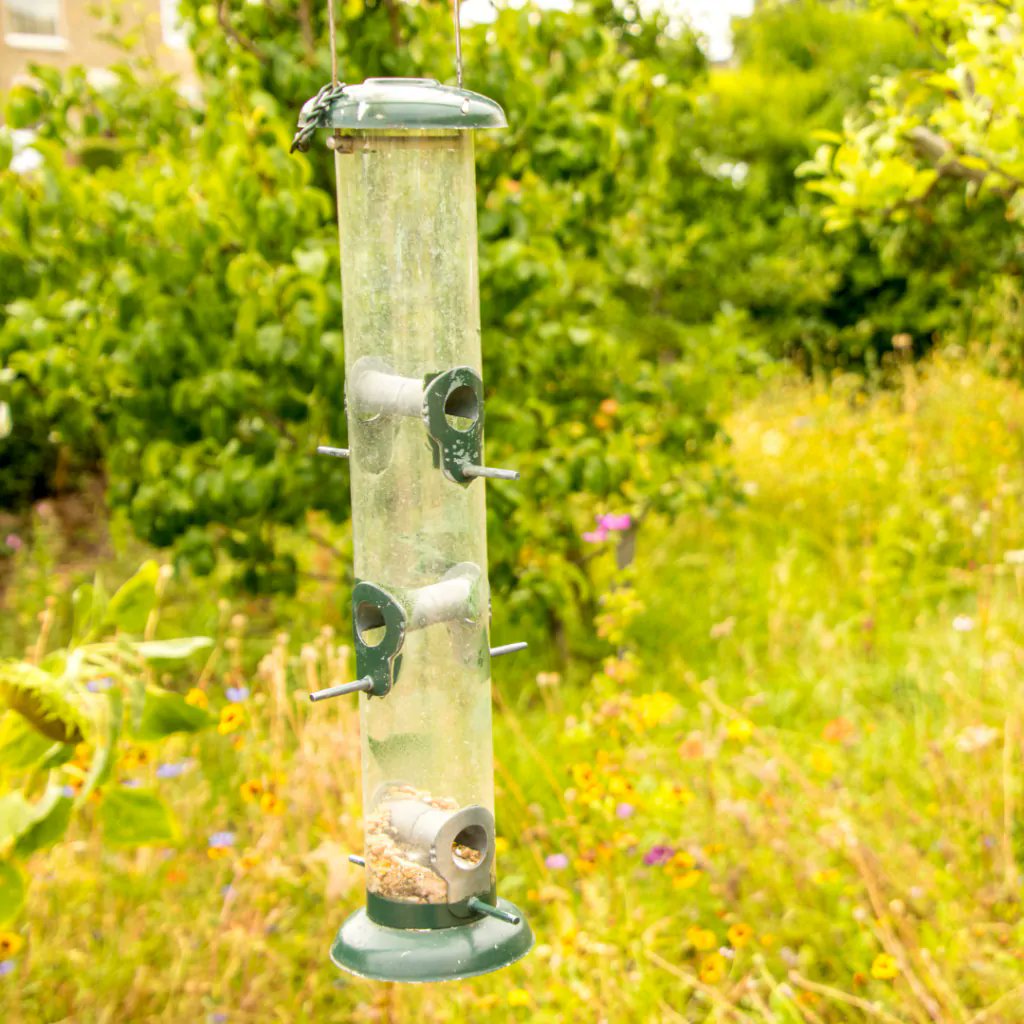
Dirty bird feeders kill birds. They spread disease easily through entire flocks. If you're putting food out, do the birds a solid and clean your feeder every 2 weeks.
Empty out old seed and scrub the feeder with hot, soapy water. Next, soak the pieces in a solution of 1 part bleach to 9 parts water for 10 minutes. Rinse thoroughly to remove all chemicals, and let the feeder air dry completely before refilling
How often do you clean yours?