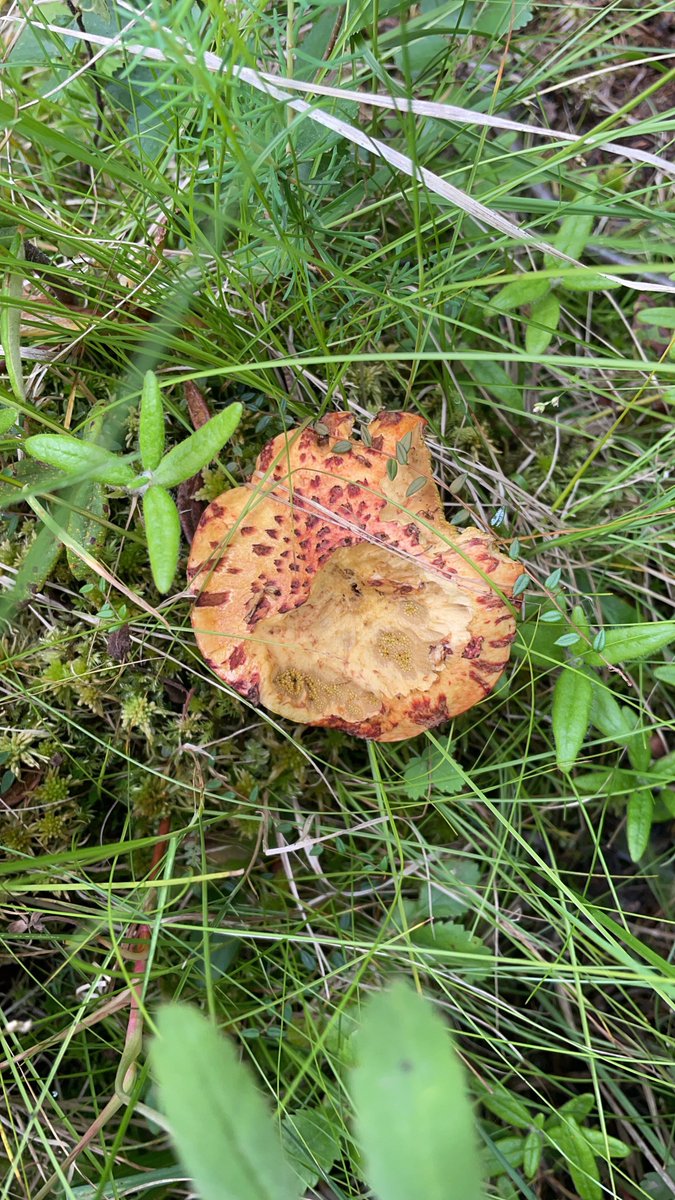
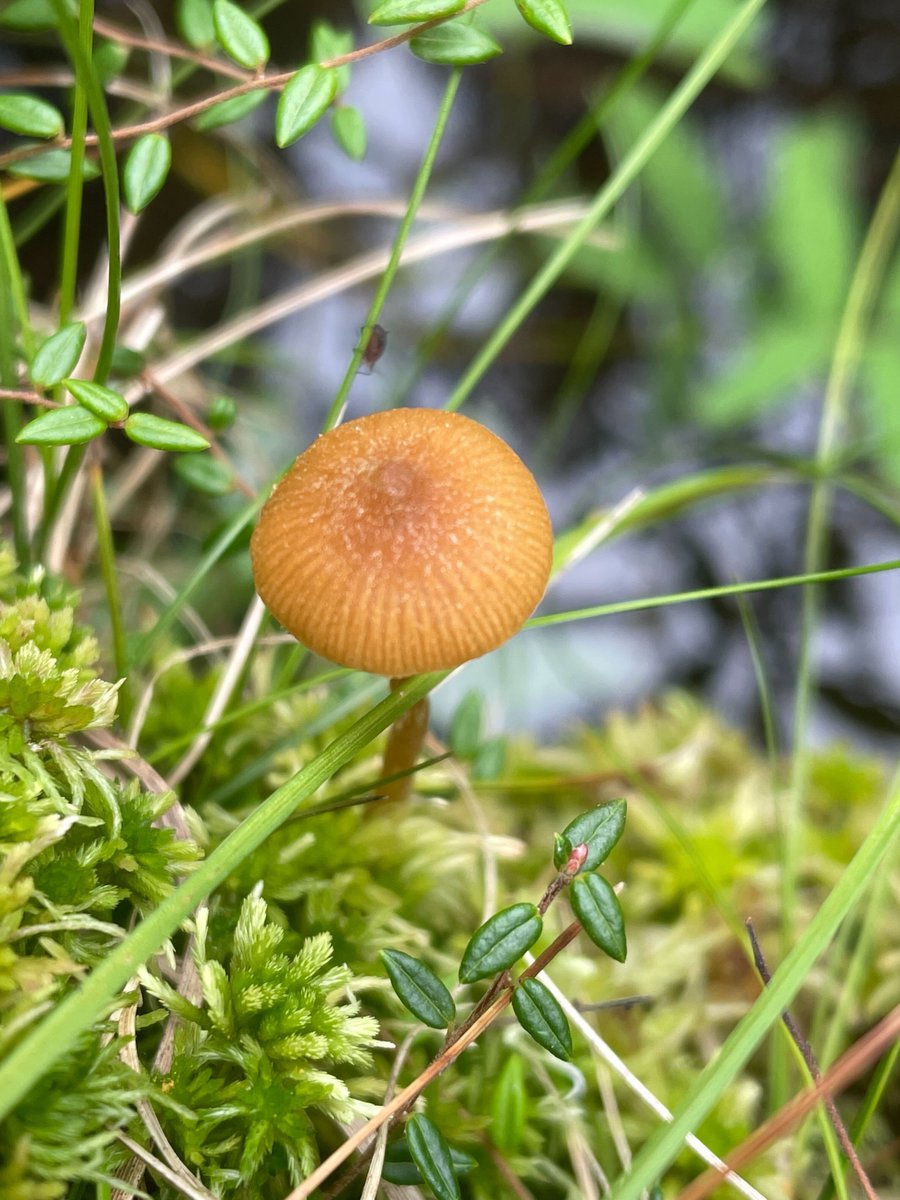
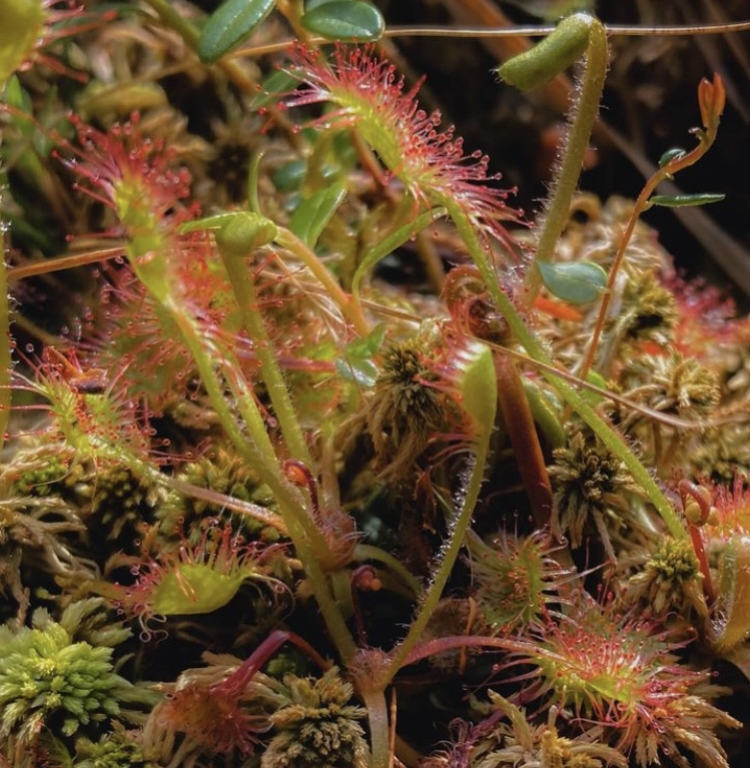
Here are some of the mushrooms seen by our team this field season! First-to-last we have: Rickenella fibula, Laccaria laccata, (a bitten) Suillus americanus, and members of the wax cap family!
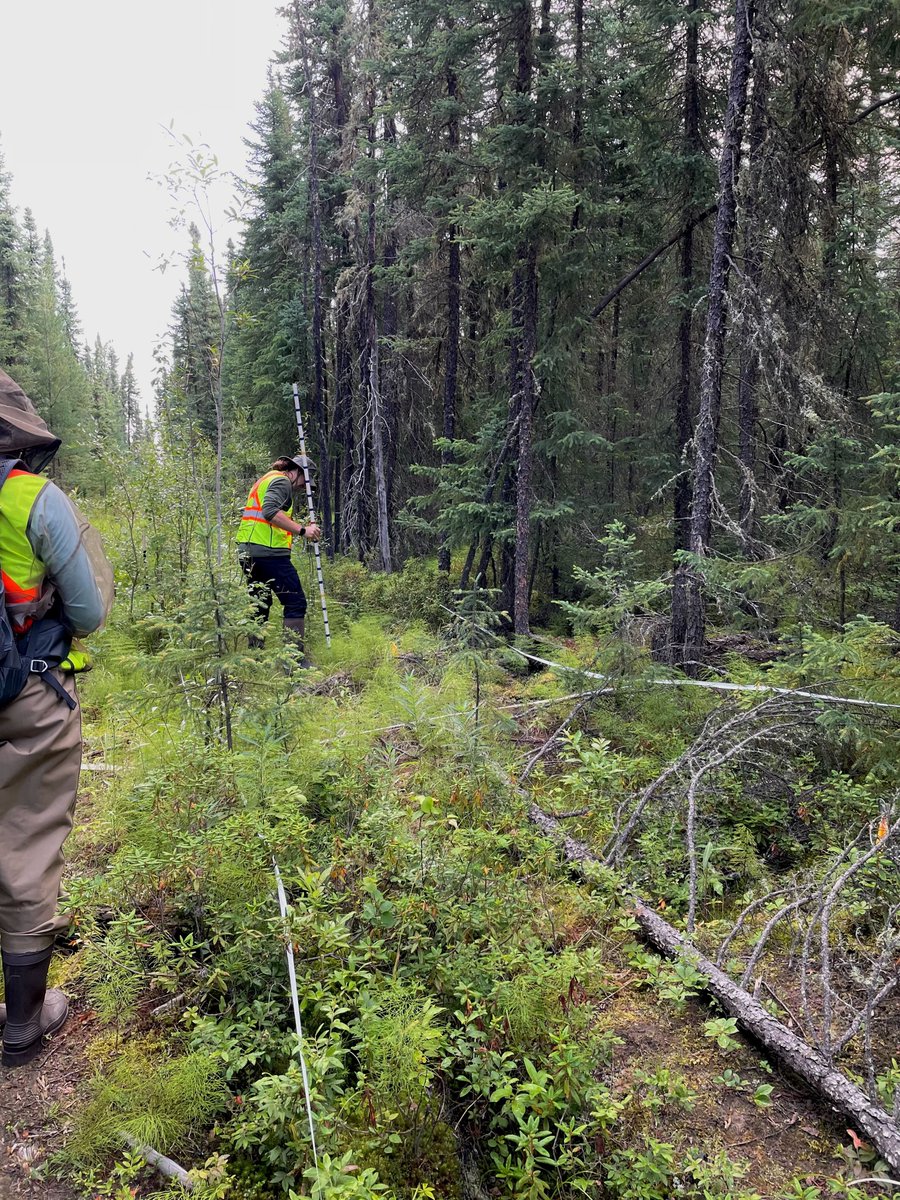
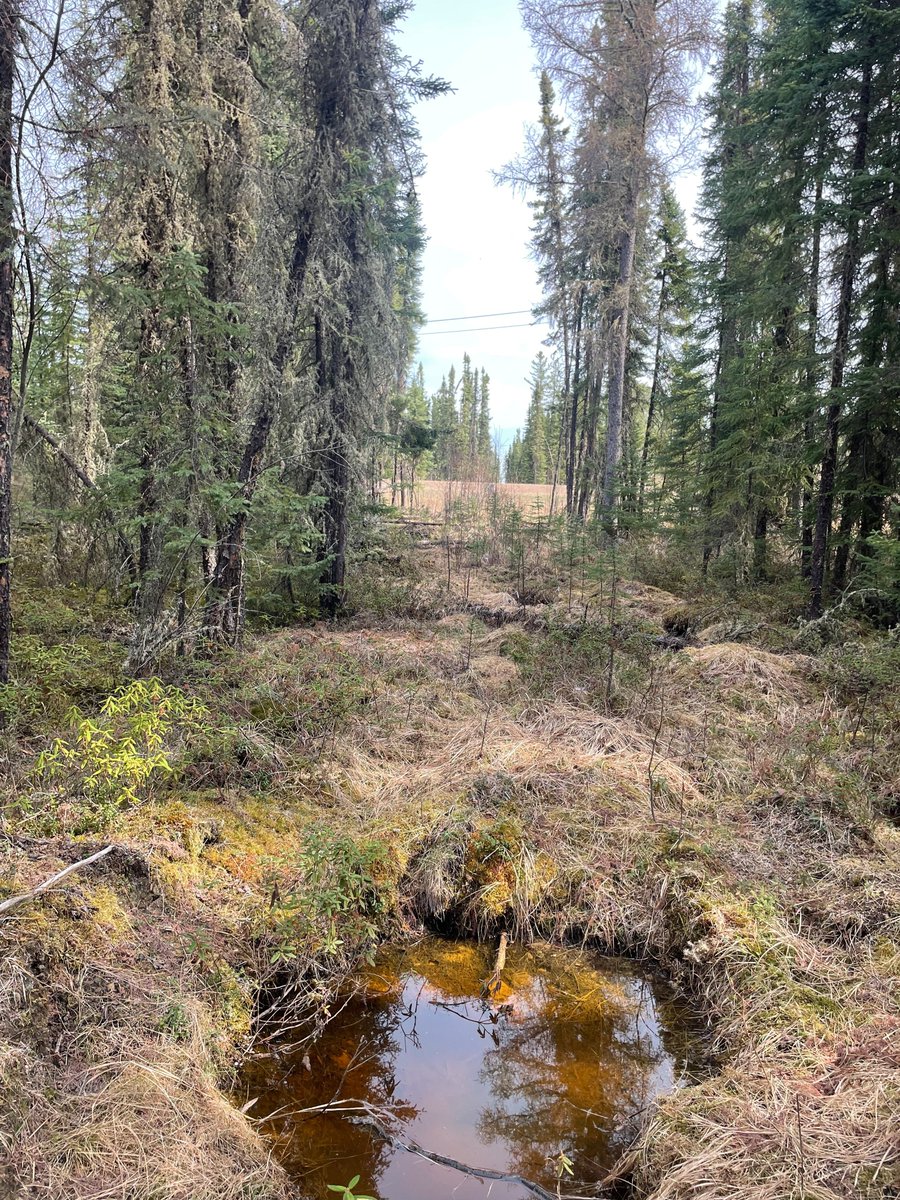
Our field sites can look very different throughout the year... only 48 days will make a world of difference! Summers are short at 56 degrees north but growth is abundant. It’s amazing how our research sites can grow a fully formed researcher in the span of less than two months!
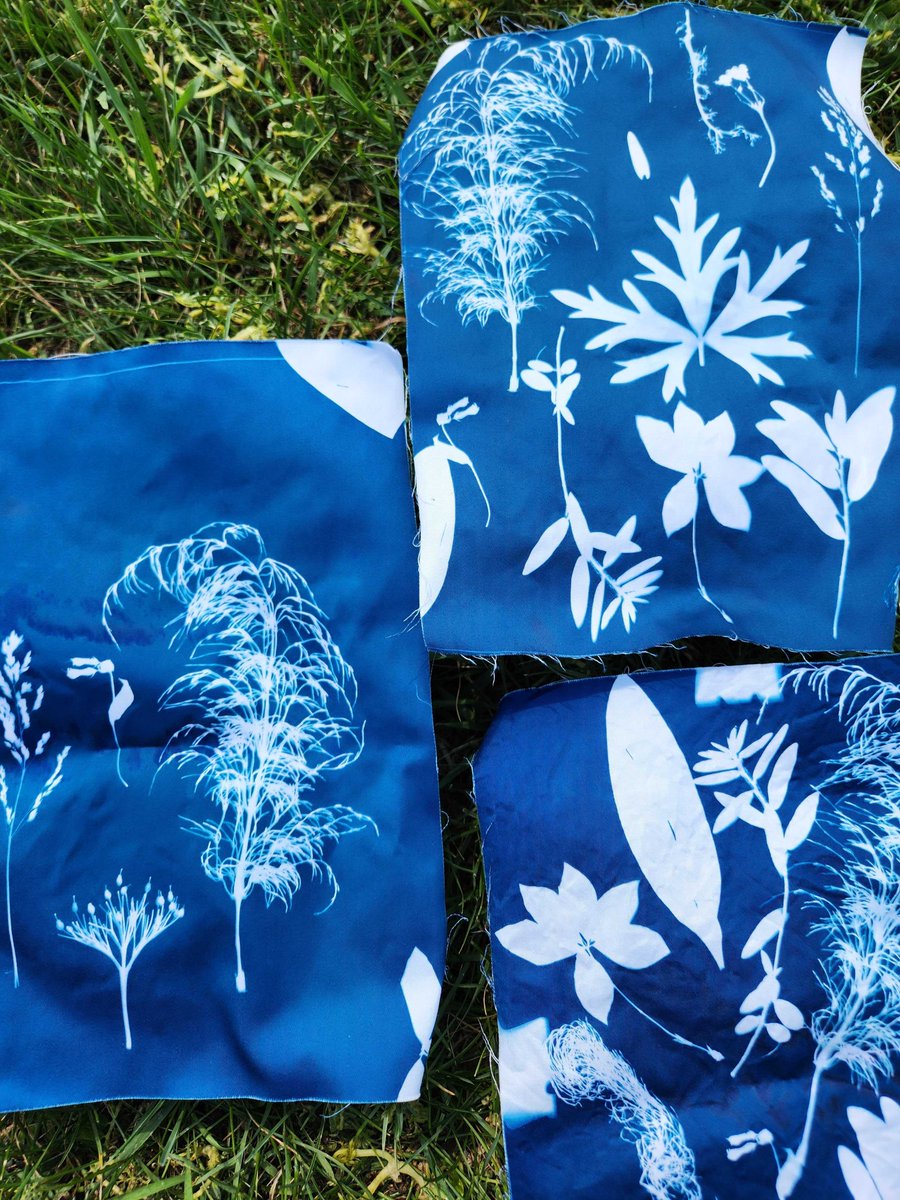
An awesome cyanotype workshop hosted by one of our grad students last week, all using plants from our field sites! What a perfect way to preserve our memories. #ScienceandArt#PlantArt
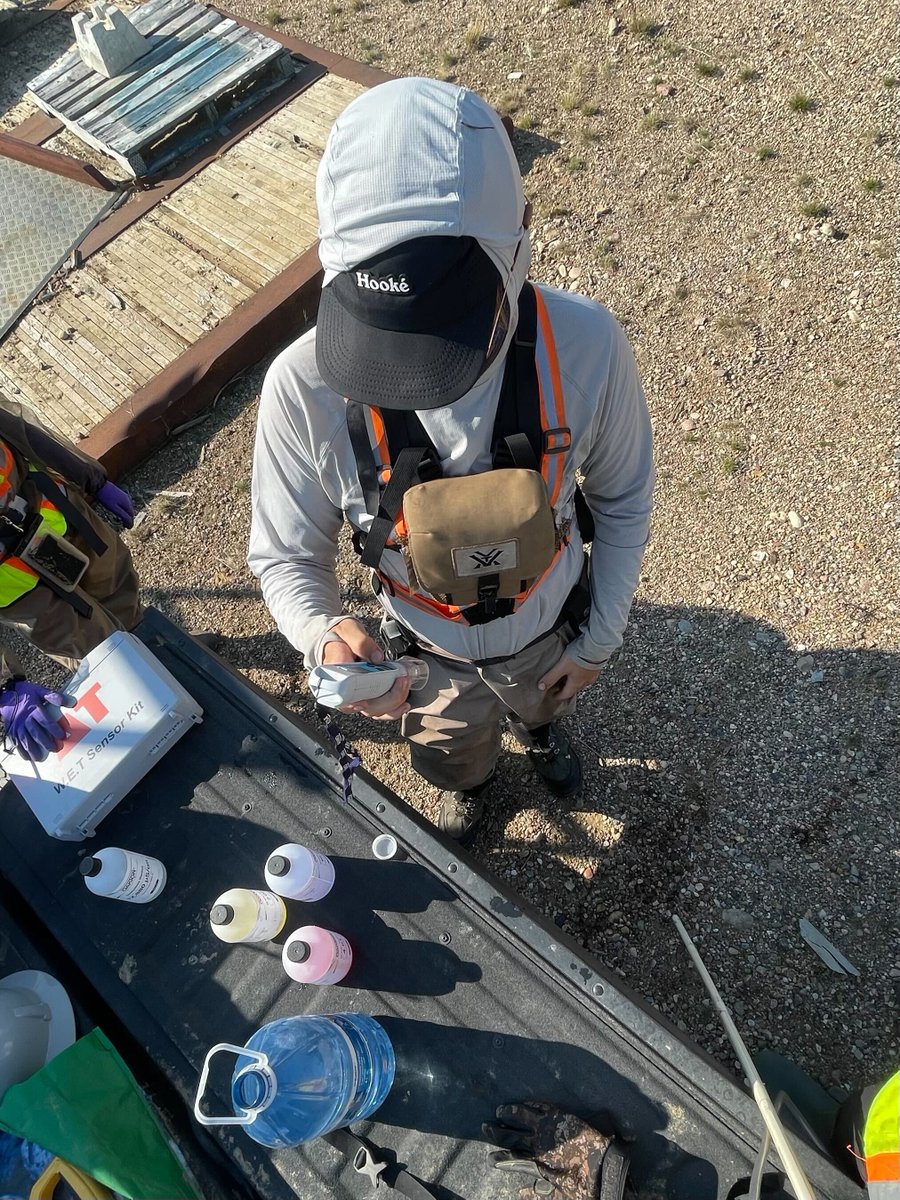
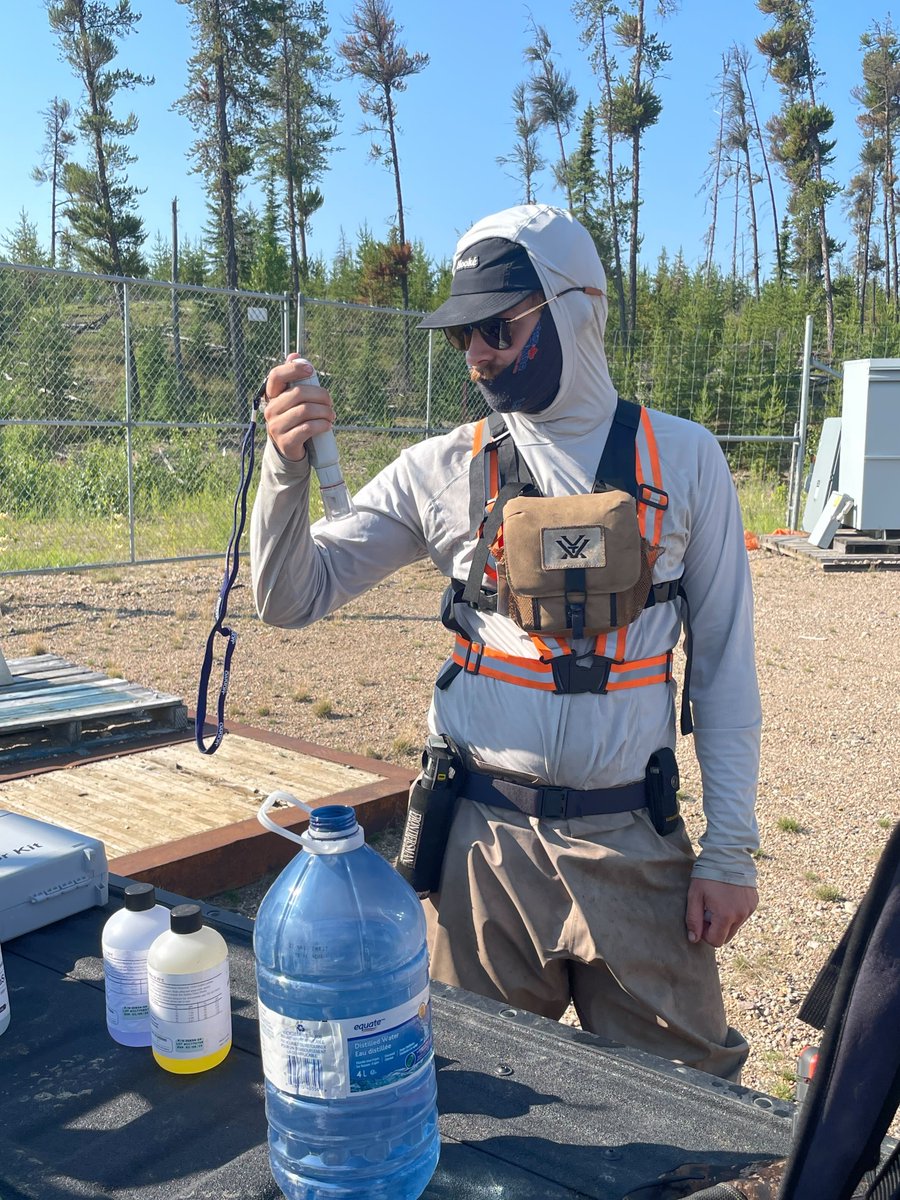
Cocktail day in the field! Brenda (our pH meter) is thirsty for a drink, luckily we have the best buffer bartender in town, Sean! We have her favourites ready: pH Buffer 4.01, pH Buffer 7.00, pH Buffer 10.01, and her favourite conductivity standard 1413 μS! It’s calibration time!
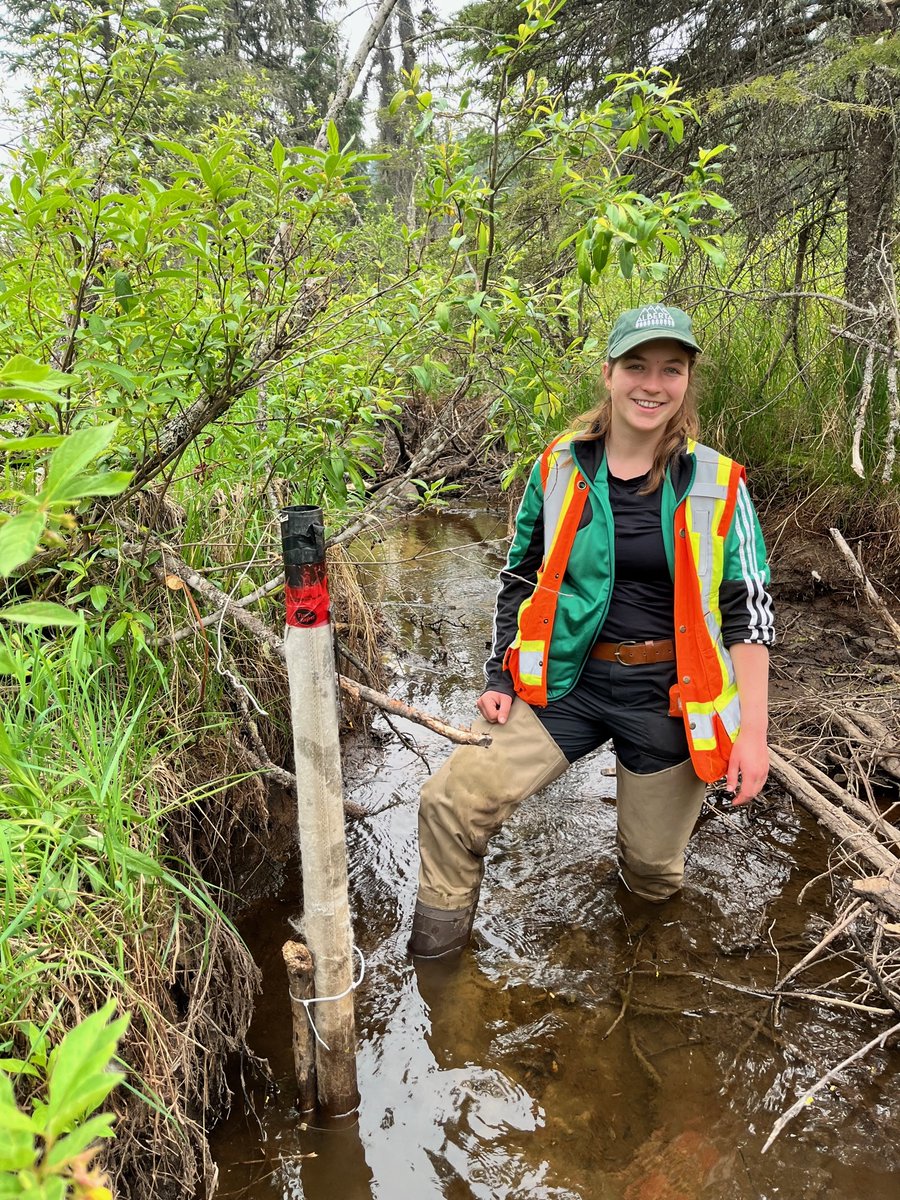
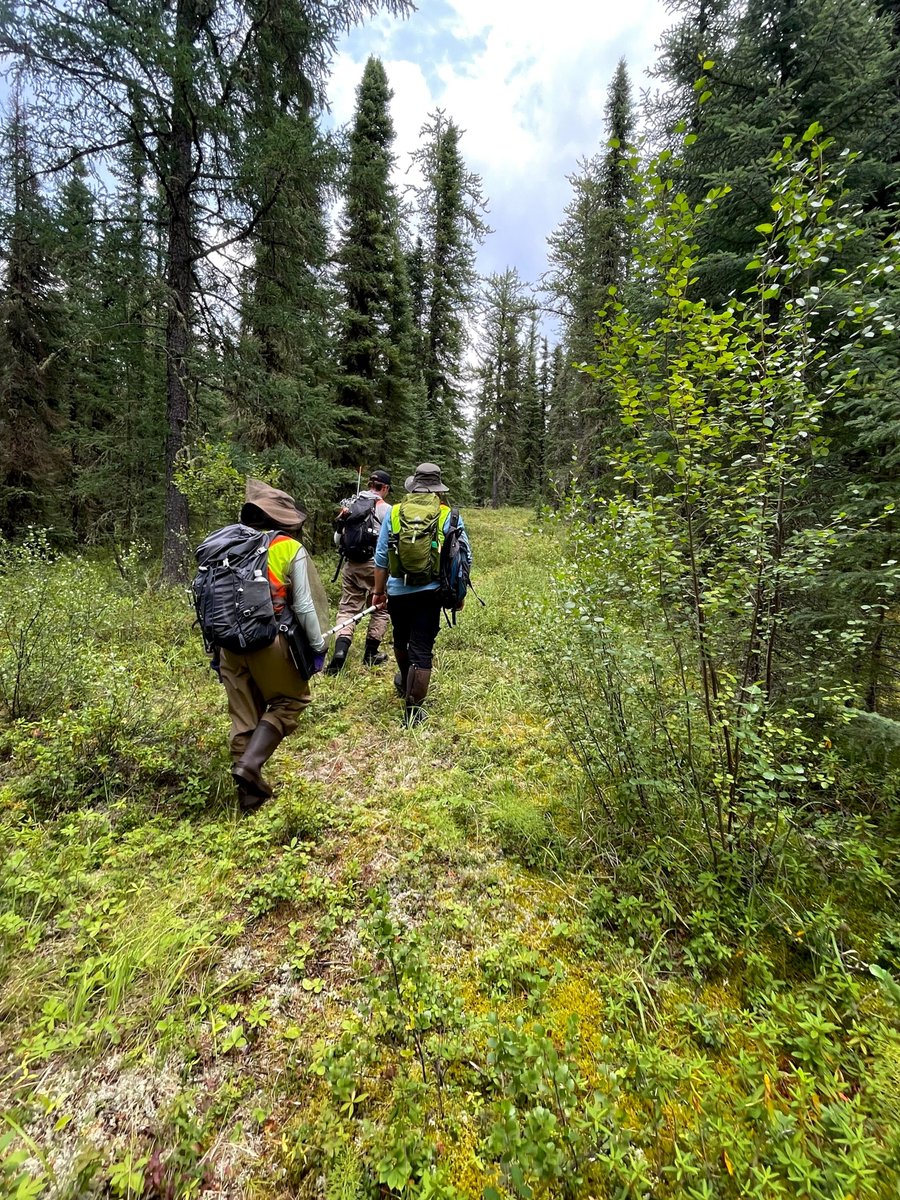
Working hard or hardly working? That’s for you to decide. While you're deciding, we're taking the 5445th soil moisture reading of this trip! #fieldwork#seismiclines#boreal@BeraProject
Interested in a more inclusive, ethical ecological practice? Check out this paper by Trisos, Auerbach and Katti. https://t.co/NnCmX57BRO @christrisos@Jess_Auerbach @leafwarbler
BERA researchers are using geemap by Qiusheng Wu (@giswqs) to help bridge the gap between Google Earth Engine and Python for their satellite imagery analysis.
https://t.co/I3Ww1U2Tq8
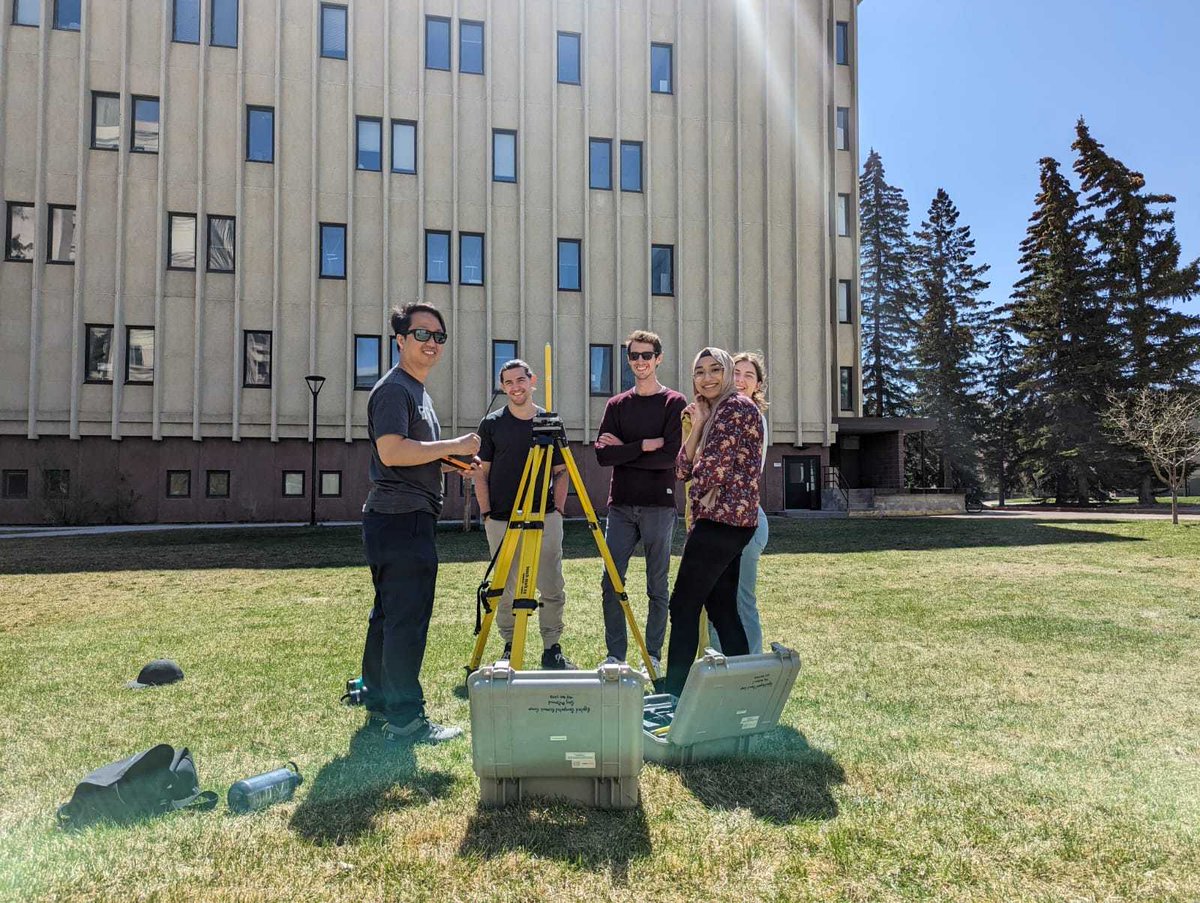
Here's a field skill we always struggle with early in the season: leveling and centering a tripod over a survey monument. This video shows how it's done. #YoureWelcome#GNSS#RTK#Surveying
https://t.co/jUV6ZPtWUv
This week, @BeraProject researchers met at the annual #BERA spring retreat in Kananaskis. We had a great time field planning, sharing research ideas, and spending time at Barrier Lake!