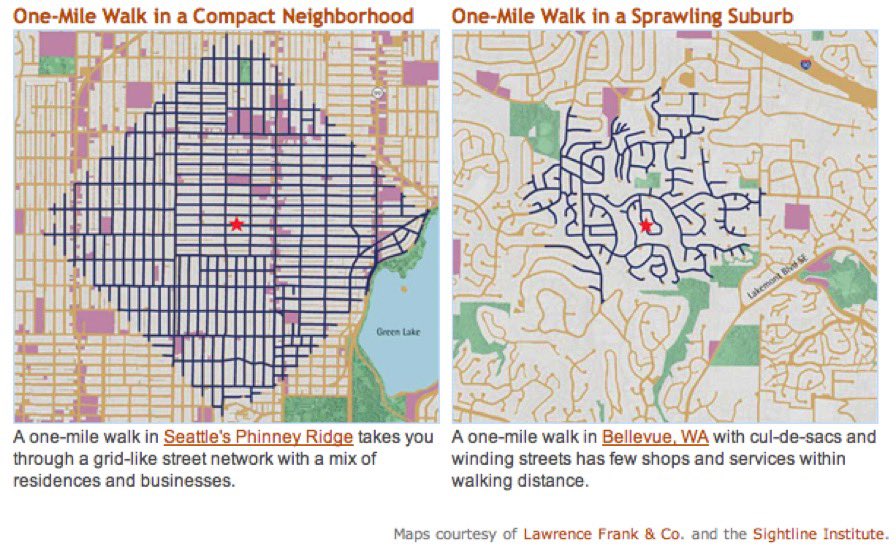
Much of neighbourhood walkability is about the one-mile (or km) walk. Since we don't fly, actual connectivity is key. Even if there’s something to walk to, & a sidewalk to walk on, how hard is it to walk there from here? Stop designing unwalkable ‘hoods. Via @Sightline@walkscore
Housing practitioners should keep coming back to short, accessible blogs like this. Otherwise it’s easy to get distracted by supply-led arguments that produce hard-to-adjust housing in pursuit of volume: Meeting housing demand: only one side of the coin https://t.co/lbChNC5XyT
We need a new way of #TalkingAboutHousing.
Our research out today shows how the public thinks about #housing, which mindsets create barriers to achieving better #HousingForAll & where the conversation should go next.
Thrilled to be working with @jrf_uk & @NationwideFdtn on this
'Local councils have the power to make the great places of tomorrow' - find out more in our new animation on why neighbourhood design quality matters and what can be done to make a difference 🌳🚴🏡 https://t.co/3KaTyXKDvb
This has implications for housing designers: do small spaces contribute to fuel poverty by designing out the potential for appliances that make noise to run at nighttime, when electricity is cheaper? https://t.co/U6VkxFc5Ax via @ConversationUK
@resi_analyst It’d also be useful to see this updated data filtered for mortgaged movers / FTBs / cash buyers, as per your excellent CML report on Missing Movers.
“The fact that house prices have been rising quickly over the last year makes the market more vulnerable to external shocks to the economy”@housingevidence https://t.co/MFto1wTu9T
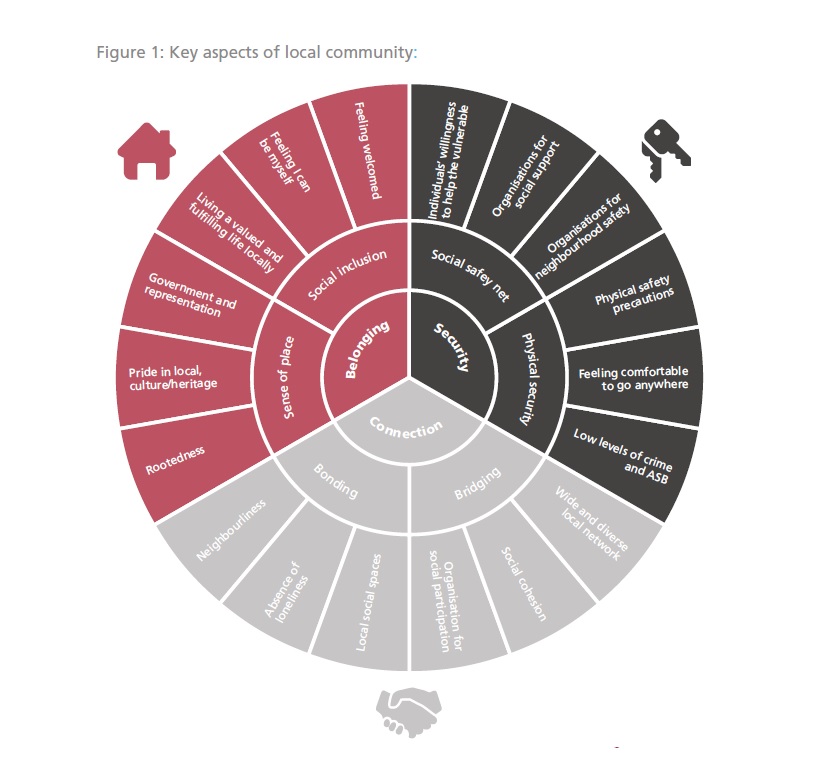
Dr Sam Bruce on the core elements of community: “our research looked at community broadly and found three core ideas: connection, security, belonging.”
“I’m really looking forward to a new buzz at our offices, and the chance for us all to learn from each other. We want the Foundry to be a place that better reflects the collaborations needed in the construction industry going forward.” Roddy Langmuir https://t.co/r8StUlK646
Excellent short film c/o @TheEconomist on why claims of long term benefits to owning vs renting are weak & correlate w neither economic growth nor stability. Good that it also picks up on the advantages of a more adaptable housing stock to labour markets https://t.co/hTZif0Cz8X
@EdConwaySky @resi_analyst @thetimes Cheshire also makes the point that the UK’s housing stock is not adaptable enough. Given low transaction volumes & the frictions on mobility, shouldn’t the discussion be on incentivising homes for longer term occupancy, not just small ‘starter’ homes?
@resi_analyst It’s an important idea bc new homes are still designed to feed the lower ends of the ladder. Means many people will have to tolerate inappropriate housing for longer bc they can neither move nor adjust their home when their needs change. Time to make new supply more adaptable?
I’ve seen quite a few articles making the case for a land value tax recently. All very well, but none I’ve seen are saying anything new or taking the debate forward in a meaningful way.
Thread:
https://t.co/wpCIqD3gU6
There is also the widely held view that SDLT needs scrapped entirely. As a transaction tax it creates frictions on moving in a era when housing needs change more often. In this case, a similar tax revenue needs raised by other means... on land? wealth?
'House purchase is always a risky business: house prices and interest costs fluctuate and dream houses can turn out badly.
'It is also an unfair one.
'Unfortunately, current policy is exacerbating rather than ameliorating these. https://t.co/B3h7r4Defn
Thanks to more remote working, @CullinanStudio can welcome new members to their beautiful, canalside coworking space in Islington. Great opp esp for anybody looking to collaborate w other built environment organisations.
Join #CaCHE, 7 December for the launch of a new UK-wide study ‘Delivering design value: the housing design quality conundrum'. We will discuss the findings and recommendations with a panel chaired by Stirling Prize-winning architect Sadie Morgan, OBE.
https://t.co/CAuQ9UJxkn
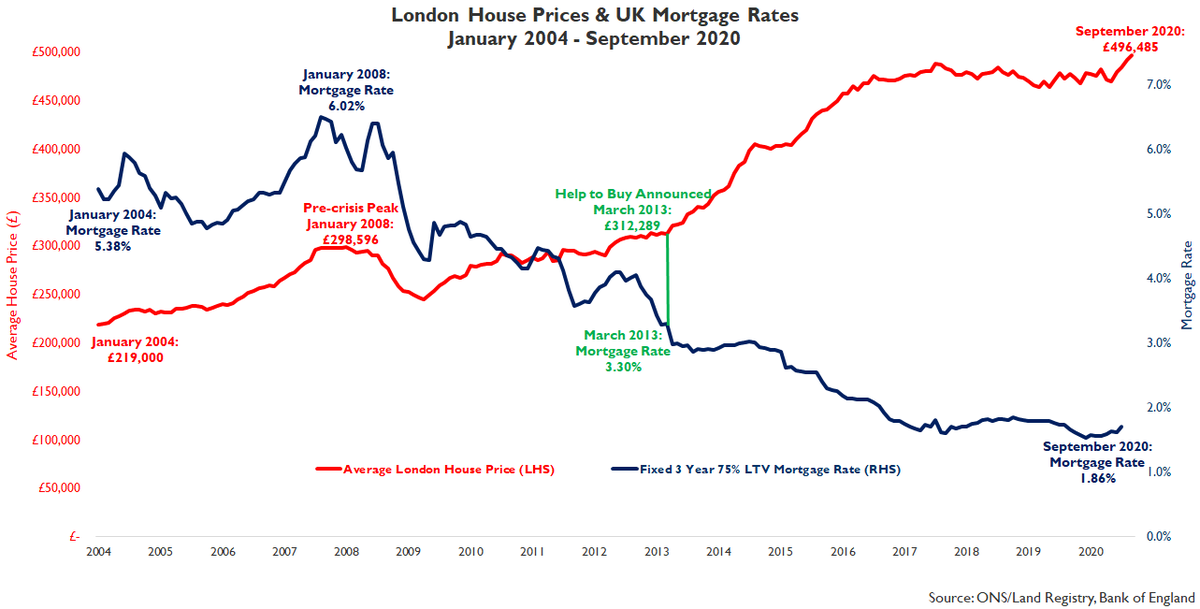
The updated chart of London house prices (which in September were £19,339 or 4.1% higher than a year ago) & mortgage rates between January 2004 & September 2020.
#ukhousing#london