Adventurer, dilettante, and reluctant web analytics heroine. I tweet about costumes, art, gardening, sci-fi/fantasy & music. Sometimes about data and analytics.
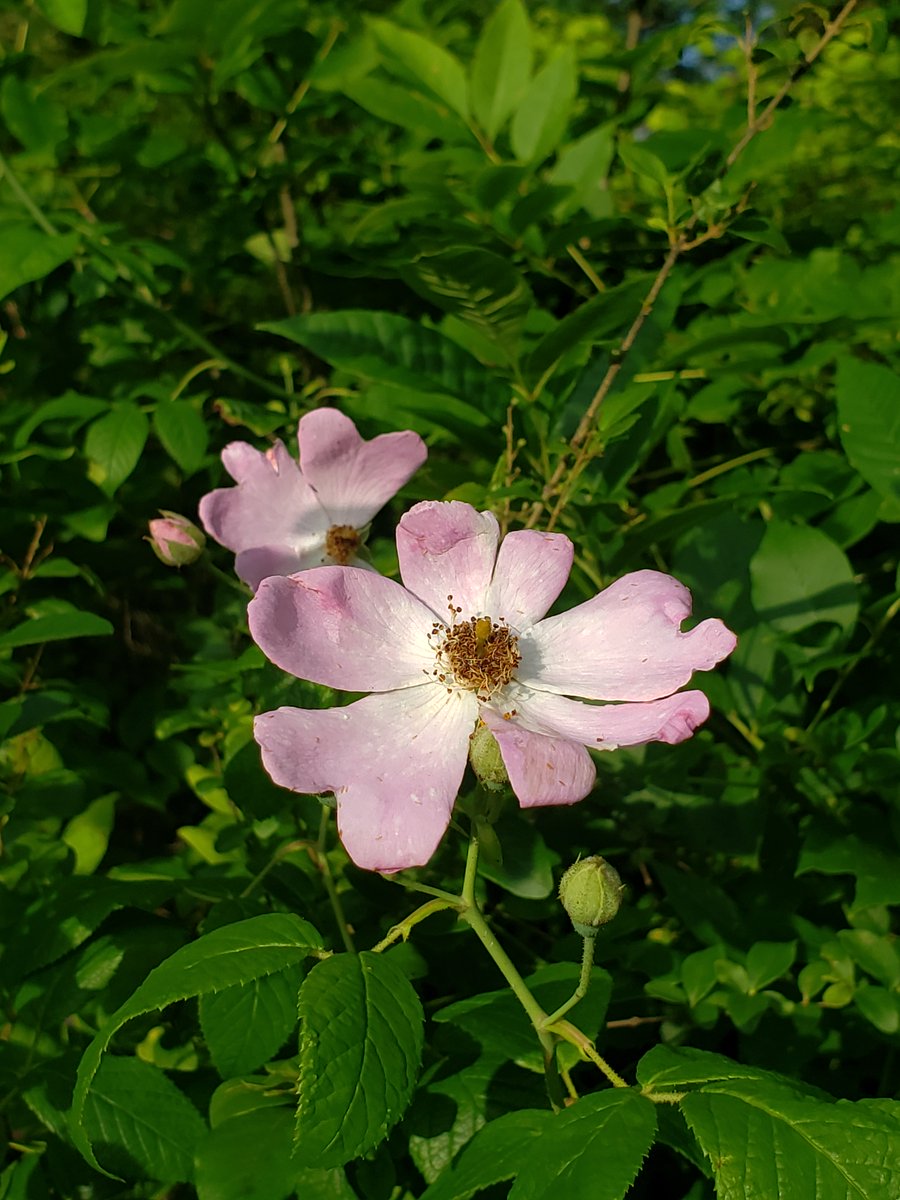
With the workshop gone, the area around our building site gets a lot more sunlight and a few native plants have appeared here we hadn't noticed before, including this Climbing Prairie Rose. Now, that it’s blooming again, hopefully it will also give us rose hips later in the year.
Chip said it was a dry wine and it turns out he was right on the money! A ph of 3.2 is pretty low, but not down to the level of vinegar. Thank goodness! We tend to like drier wines, so it seems like we bottled this one right on time.
We don't really drink much coffee, but we have these extra coffee filters around for our guests. Turns out, they're really useful for filtering out the last bits of yeast and fruit from our homegrown peach wine.
We made this wine from peaches grown #downonthefarm quite a while back, so this weekend we decided it was time to taste it and bottle it. But is it still wine, or has it turned into vinegar? That's the question we're about to answer today.
Since we discovered two different native Clematis species #downonthefarm, we've begun adding other native species of Clematis in the picnic area. But today is the first time we've actually seen any of them bloom. #wildflowers
We set a reminder to ensure we check on our mini barrels every two weeks. Even when we aren’t using them to age spirits, we keep them full of water so the white oak staves won’t dry out. If we don’t do this, the staves shrink, the steel bands loosen, and the barrels fall apart.
See that sap coming out of our peaches? That's insect damage. This particular tree gave us loads of peaches last year, but this year we only have a few, thanks to a late spring frost. Between that and the insects, we're not counting on this tree to produce a big crop this year.
There just wasn't enough time today for a thorough search for artifacts where Papa's workshop used to be and most of our finds were scrap. But there was at least one little treasure worth saving before it’s lost under the foundations of our #distillery.
It's been about a month since Papa's workshop was removed #downonthefarm, but, now that we've finally had a lot of rain, it's a very good time to look around a bit and see what other artifacts might have washed out of the dirt that’s going to be under our #distillery building.
We've foraged for plenty of wild berries before, but we'd never grown #blueberries until a few years ago. Here we share our method for making sure the ones we pick are fully ripe.
The pulp of the wild persimmons coming out of the chinois looks almost like persimmon butter! The nice thing is, it keeps all the seeds intact, so we can gather those up and replant them to get more persimmons #downonthefarm.
So far, it's taken a lot of time and patience to process wild persimmons this way, but far less time and frustration than when we were trying to do this with the food mill!
We have over 20 gallons of native persimmons in our freezer from last fall's bumper crop #downonthefarm. It's past time to turn them into pulp, so today we're trying a different tool to speed up the process.
We planted these native Southern Blue Flag irises #downonthefarm several years ago. They like spots with plenty of moisture and sunlight, so we planted them where the water flowing underground from the springhouse seeps back to the surface at the western end of the picnic area.
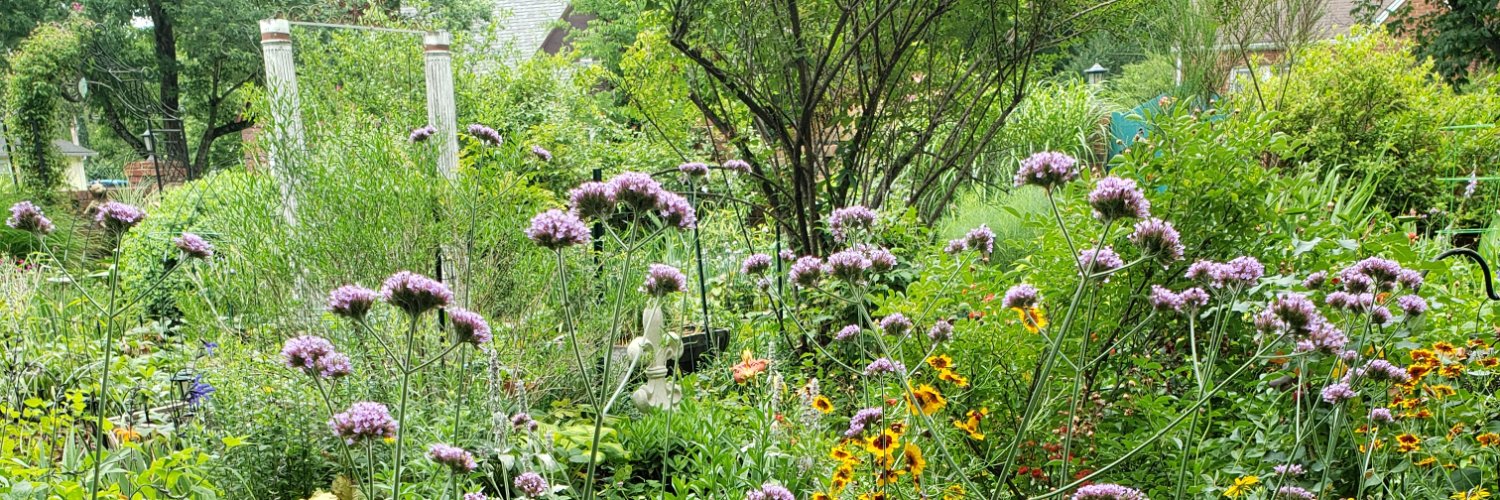
Establishing new native #wildflowers in the picnic area #downonthefarm has had its challenges, but it's a delight when we can celebrate a success. Check out these Michigan Lily plants - we might even get a flower this year!
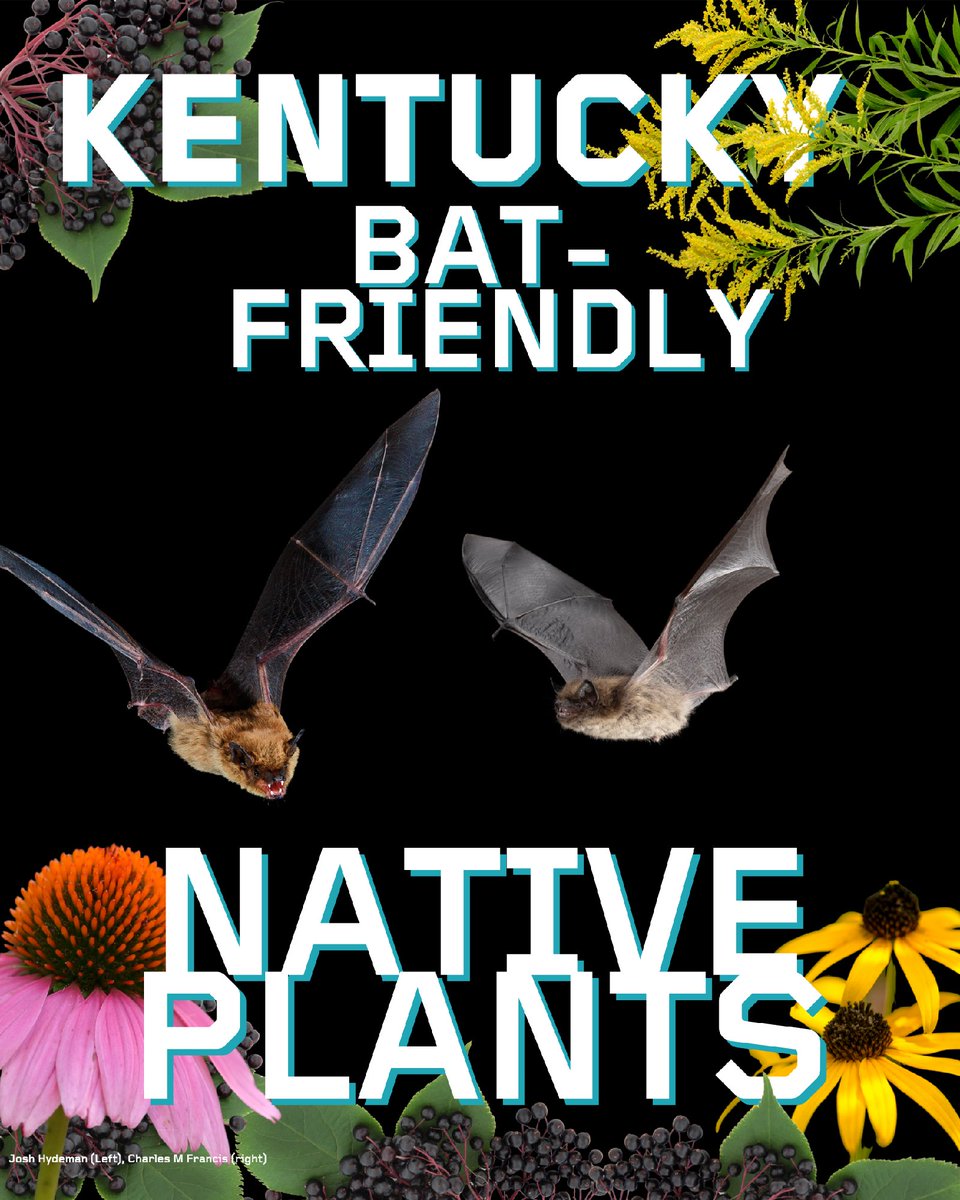
Who's getting lucky in Kentucky? The bats and the bugs, if you plant a bat-friendly garden! 🌸
You can welcome bats in your very own backyard by providing food, water, and shelter – creating bat habitat in even the smallest of spaces. Learn more 👉 https://t.co/U8VmR1GcUM
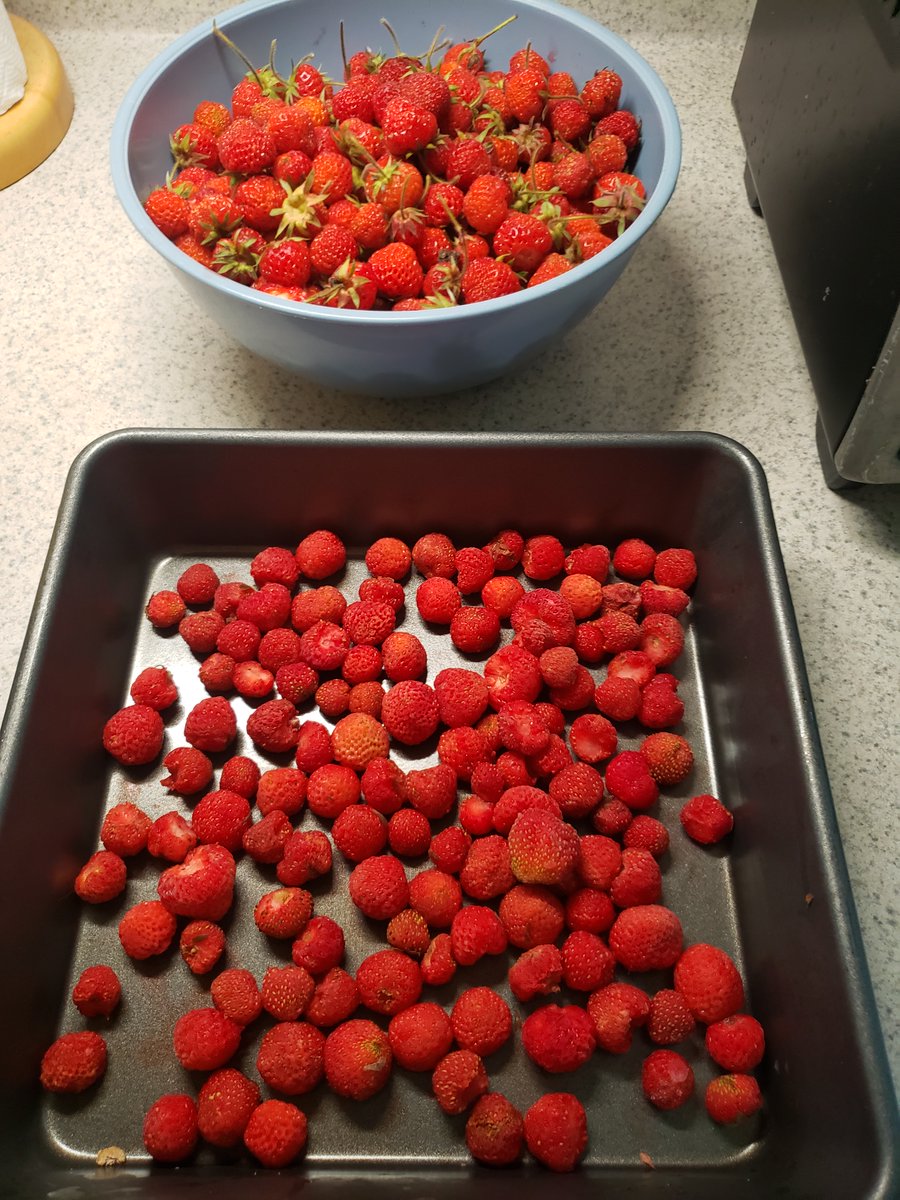
We think one reason our strawberry wine turns out so well is the way we process the berries. Instead of putting them all in a big Ziploc all mushed together, we spread them out in a pan to freeze separately. Then, when they're frozen solid, we bag them up together. No juice lost.