He/him. I like spec evo, paleontology, anime, comics, art, food, and a whole buncha others. My interests & works are somewhat varied and spontaneous. ¯\_(ツ)_/¯
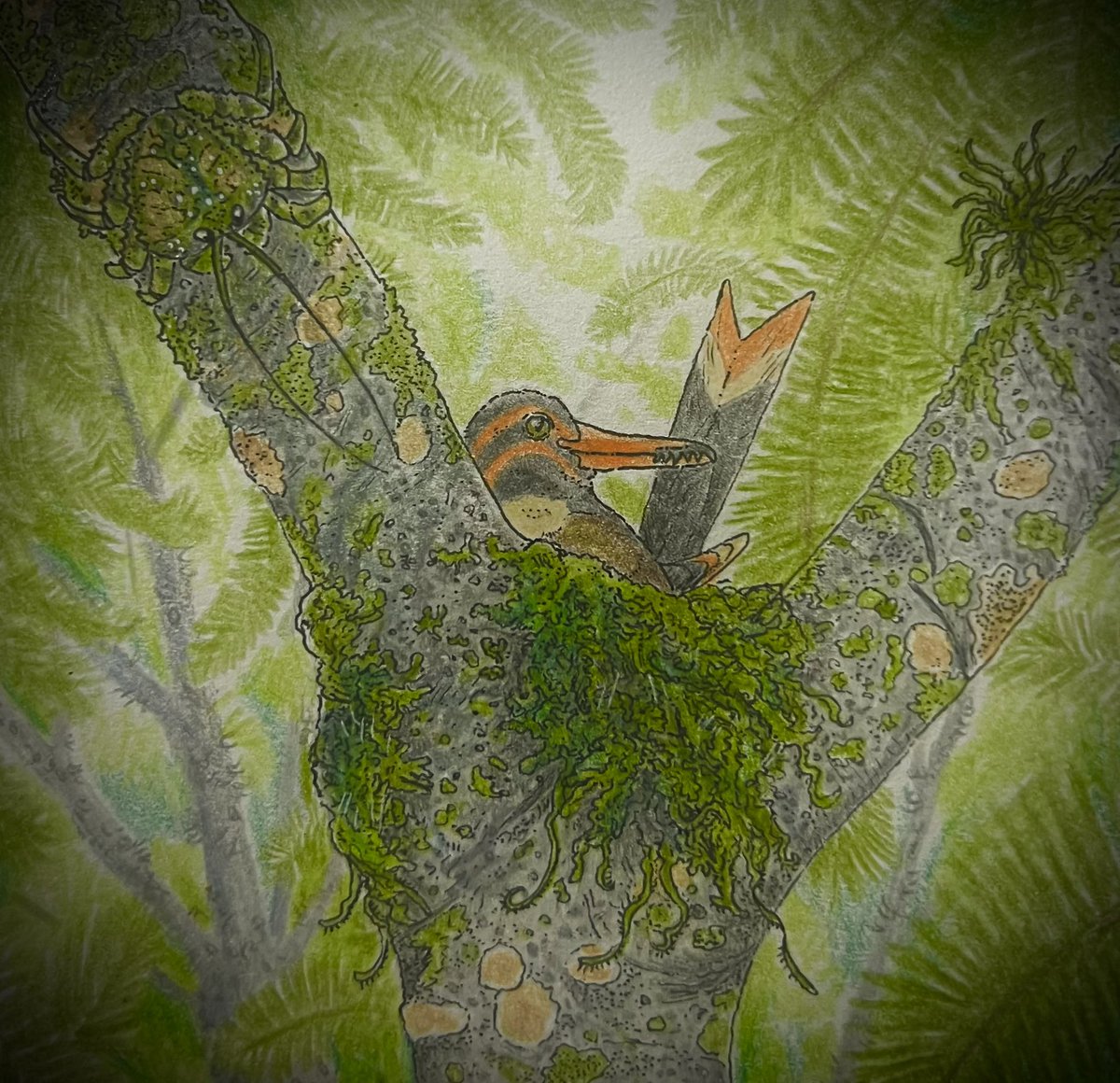
The cuckoo crabs are much like many of Antarcticas terrestrial crustaceans, grazing on moss and algae and depositing young in the nest of birds. However in this group, young are Hematophagous parasites.
#Speculativebiology#speculativeevolution#SpecEvo#speculativezoology
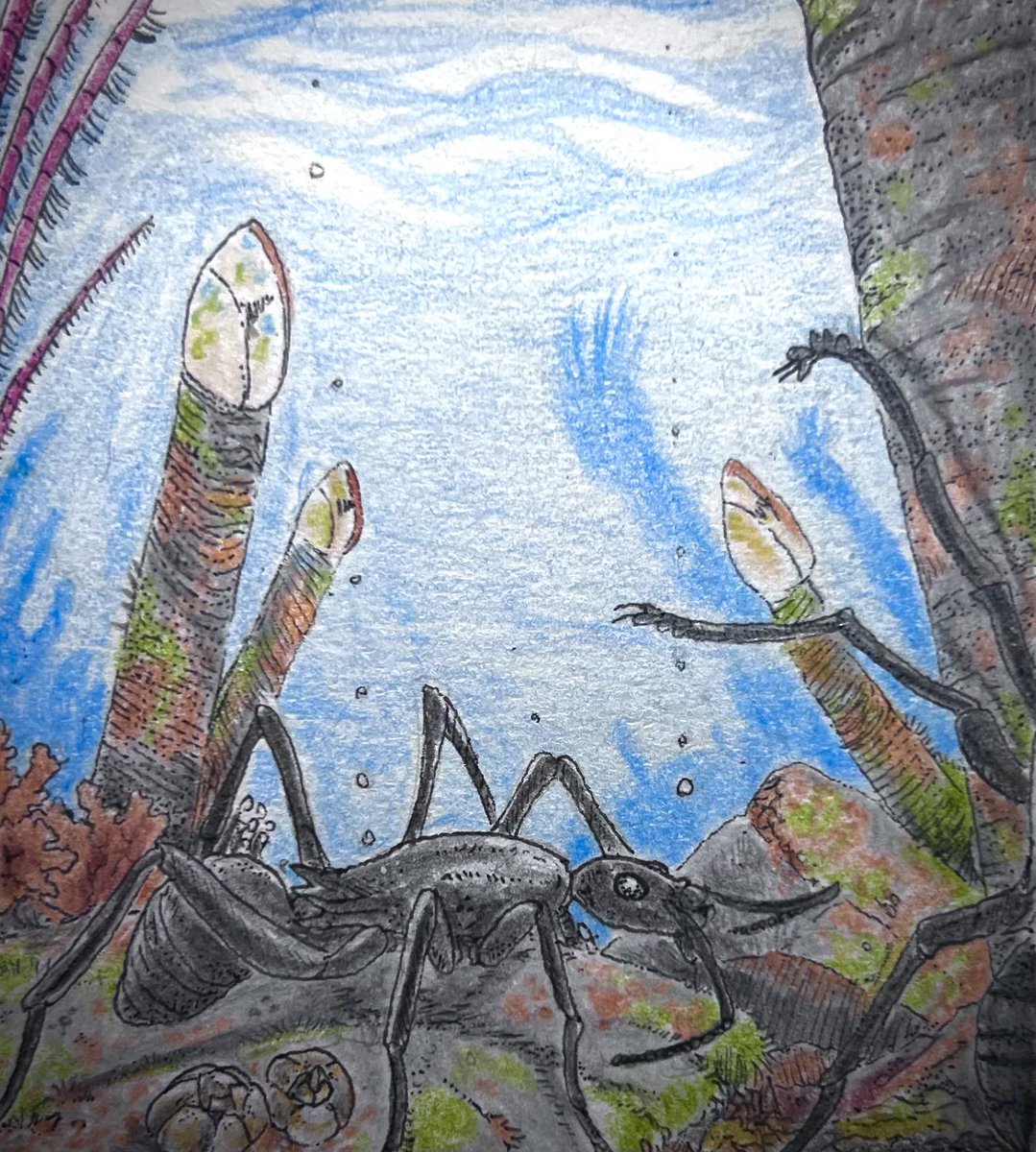
Australian ants in the genus Polyrhachis often found themselves stranded throughout the atolls of the eastern Pacific, they found success foraging in the reefs, developing into a marine insect, reef ants.
#Speculativebiology#speculativeevolution#SpecEvo#speculativezoology
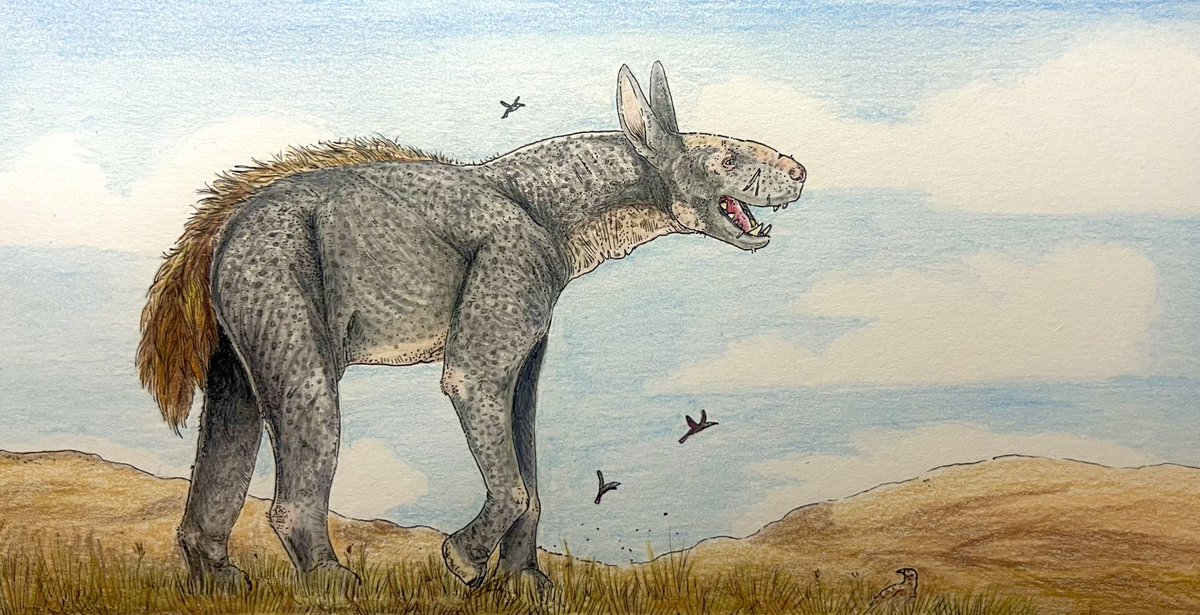
The Anchin is a large terrestrial mammalian predator, hunting the verity of megafauna found across the steppe on Eurasia. They are capable of giving chase for days as their long legs carry them to food.
#Speculativebiology#speculativeevolution#SpecEvo#speculativezoology
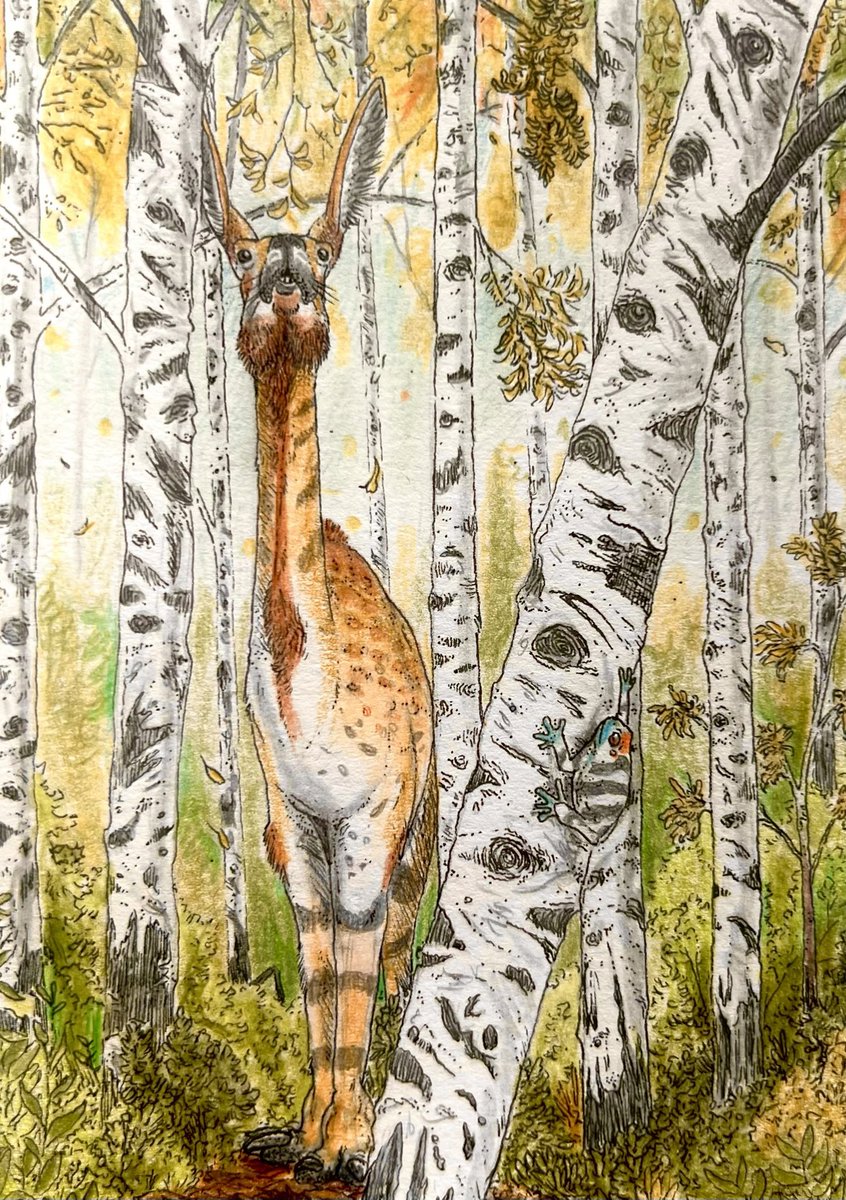
Steppe mar and boreal mare can and do hybridise, and remarkably there offspring are often fertile despite having split off from one another 18 million years ago. More remarkable is that offspring prefer neither the steppe or taiga, but the tundra.
In hot and dry summer evenings, many little insects erupt for the soil. Spending their months eating mycelium in the soil, summer triggers a metamorphose and the burial belt glitters with the magenta gnats.
#Speculativebiology#speculativeevolution#SpecEvo#speculativezoology
Wip: The hump necked crocodile can be found throughout the Indian oceans tropical warm waters, but are most comen in the Swahili strait were they can ambush many marine mammals and exploit migratory fish stocks.
The hyacinth basilisk lives in the Caribbean Sea among the floating matts of plants. There ability to flee on to the water’s surface allows them to exploit gaps in the foliage that predators can’t follow.
#Speculativebiology#speculativeevolution#SpecEvo#speculativezoology
Idea I had. Eusocil frogs. Theses are all the same species but different morphs depending on their role in the colony. With a worker seen at the top, and below can be seen a king and queen, with a shoulder to the right.
Wip: A wooly jumper, Or the Siberian pine eating tree wallabies can be found in Asian portions of the vast coniferous belt. The diet is broad, and in the run up to winter take to eating pine cones for their pine kernels.
Wip: Roach dogs are large descendants of porgy that frequent both Antarcticas fresh and salt-waters . Wintering in the surrounding kelp forest they eat snails and bivalves, waiting until summer where they migrate up river to vegetation choked wetlands, hunting spawning fish.
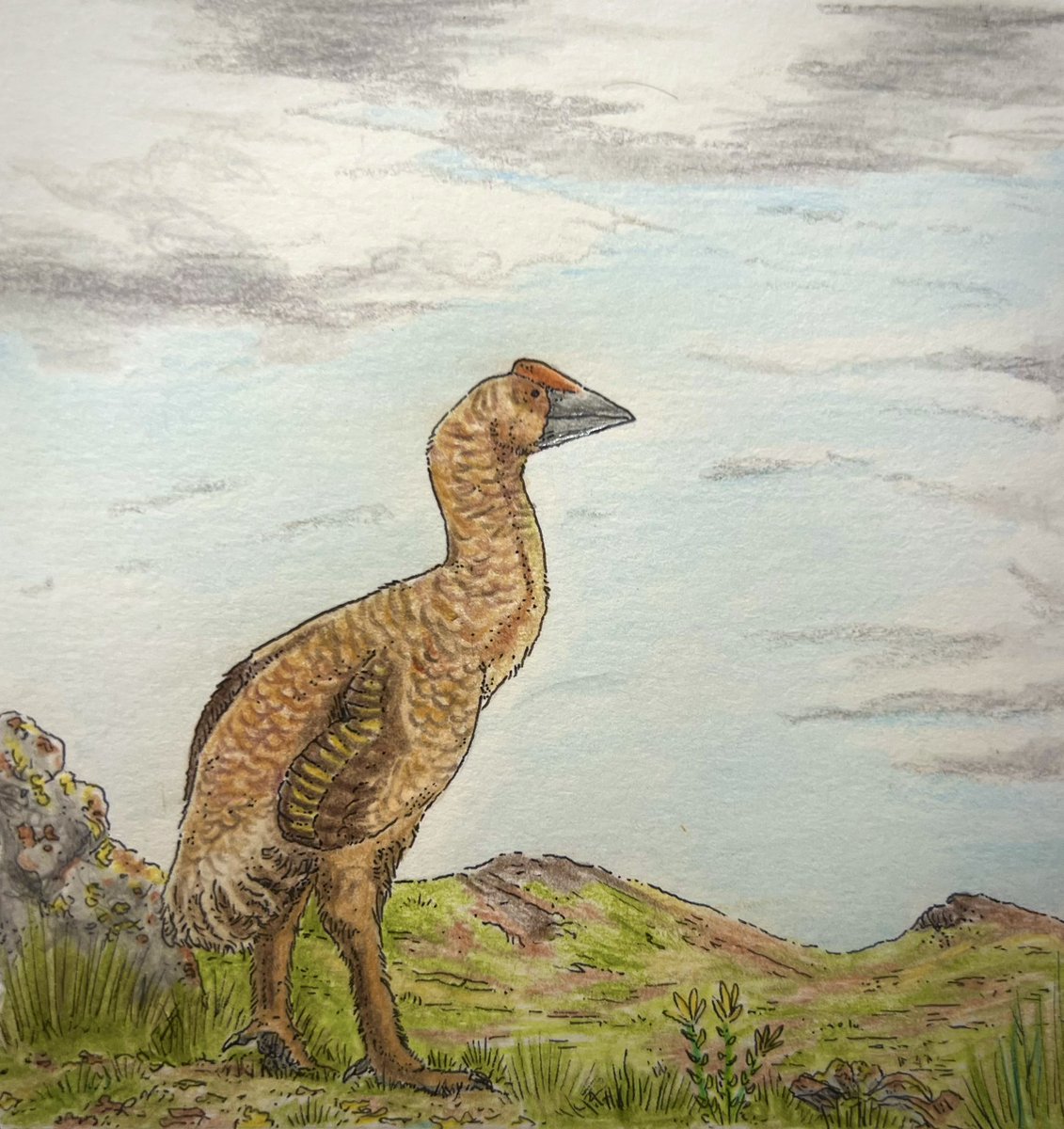
kākini poʻo, a predatory lineage of buck bills that specialised in eating other buck bills. As they feed with their long heads buried in the carcass, their monogamous mate watches out for other predators.
#Speculativebiology#speculativeevolution#SpecEvo#speculativezoology
The Queen of the East Coast, common Cerberus lunges from her cover of kelp to strike at a lump legged dolphindile. Being nearly 8 times more massive than the males, she is a top predator in her own right.
#Speculativebiology#speculativeevolution#SpecEvo#speculativezoology
Wip: the knocking of bone penetrates the water for miles, has two massive three ton reptiles slamming into each other at 20 miles an hour. Protrusions on their carapace keep the rivals at distance, but they’re snapping beaks aim and slice the face as they test each other.