The transformation of ancient green architecture encompasses a fascinating journey from traditional, nature-integrated designs to the modern, sustainability-focused practices we see today. Here's an overview:
Ancient Green Architecture:
Indigenous and Vernacular Architecture:
Examples: Native American pueblos, African mud huts, and Indian stepwells.
Features: Use of local materials like mud, stone, and wood; designs adapted to local climates (e.g., thick walls for insulation, wind towers for cooling).
Sustainability: These structures were inherently green, using passive solar design, natural ventilation, and materials that were locally sourced, thus minimizing the carbon footprint.
Classical Civilizations:
Examples: Ancient Greek and Roman buildings, Persian gardens.
Features: Courtyards, water management systems like aqueducts, and the use of greenery in urban planning (like the Hanging Gardens of Babylon).
Sustainability: The integration of green spaces for cooling, water conservation through sophisticated systems, and the use of durable, natural materials.
Medieval to Renaissance Period:
Monastic Architecture: Monasteries often incorporated self-sustaining elements like herb gardens, fish ponds, and agricultural lands.
Italian Renaissance: Emphasis on harmony between architecture and nature, with villas designed to blend with the landscape.
Modern Transformation:
Industrial Revolution to Early 20th Century:
Shift: Rapid urbanization led to a disconnect from nature, but movements like the Garden City by Ebenezer Howard aimed to reintegrate green spaces into urban planning.
Challenges: Industrial materials and methods often led to less eco-friendly practices.
Late 20th Century to Present:
Green Building Movement:
Key Concepts: Energy efficiency, use of renewable resources, reduction of waste, and health of occupants.
Examples: LEED certification, Passive House standards, and the use of green roofs, solar panels, and natural ventilation systems.
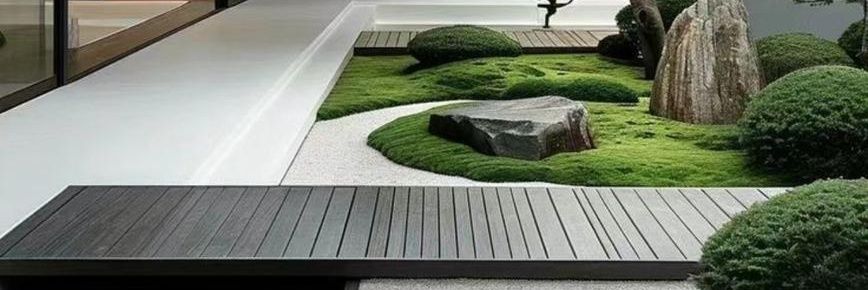
Biophilic Design: Inspired by ancient practices, modern buildings incorporate natural light, views of nature, and direct interaction with flora to improve human well-being.
Technology and Innovation:
Smart Buildings: Integration of IoT for energy management, adaptive reuse of old structures for sustainability.
Material Science: Development of new green materials like cross-laminated timber, recycled concrete, and low-VOC paints.
Cultural Revival:
There's a growing interest in reviving and modernizing traditional architecture for sustainability, learning from ancient methods to create buildings that are both low-impact and culturally resonant.
The transformation reflects a cyclical learning from ancient principles, adapting them to contemporary needs, and pushing forward with innovation to address the environmental challenges of today. This journey showcases a blend of respect for historical wisdom with the cutting-edge technology needed for sustainable living in the future.
🗓 10 Days to Go
In just 10 days, something supernatural is about to be unveiled! 🔥
Join us for Zonal Apostolic Visit ‘25 with Apostle Segun & Funke Obadje as we press into Explosive Dimensions of the Blessing.
🗓️ Thursday, 26th – Sunday, 29th June, 2025
📍GLT Ife Auditorium
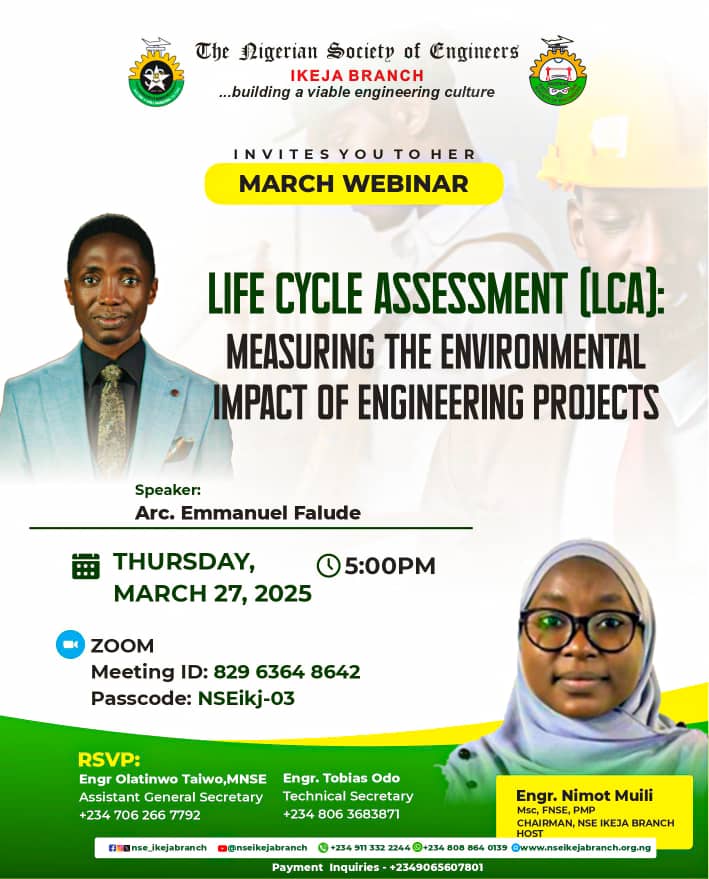
We’re excited to share that our CEO, @ArchFalude, will be speaking at the upcoming NSE Ikeja Branch Webinar on a topic:
#LifeCycleAssessment (LCA): Measuring the Environmental Impact of Engineering Projects
March 27, 2025
5 PM
📍 Online (Zoom): https://t.co/plLCaamzC7
Messi
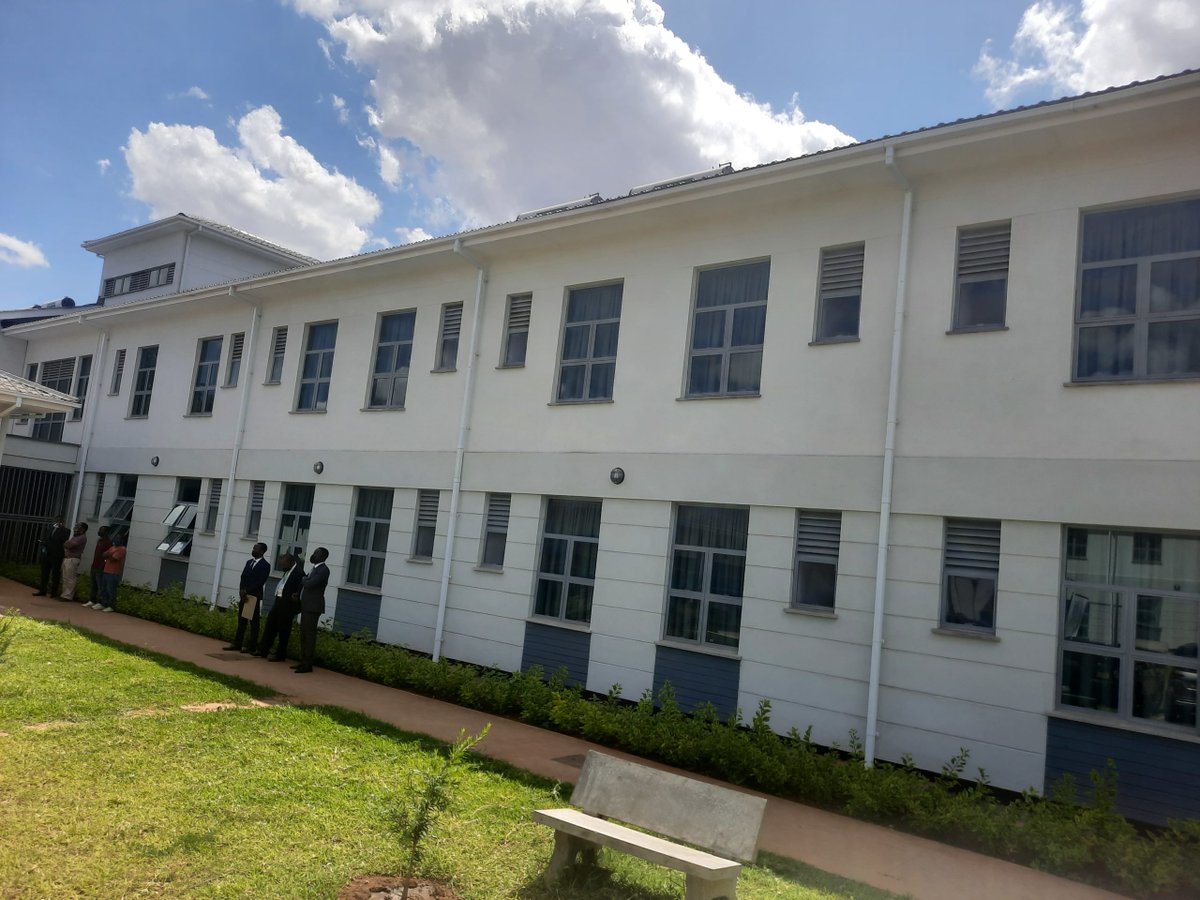
The Mbiri & Tsogolo Halls of Residence at KUHeS Lilongwe Campus, Malawi
- #EDGECertified
- 100% LED lighting
- Solar-powered hot water
- Low-flow taps & showers for water efficiency
- Locally sourced eco-friendly materials
Follow @litedares for more!
#GreenBuilding
It’s almost here! Just 1 day to go until SDPC 2025 begins! Tomorrow, the doors to new levels of grace and favour are open at the GLT Campground, Ibadan.
Your set time of favour and divine advantage has come!
Don’t miss this prophetic encounter - it’s your time to soar!