Tweets from the Archaeology Department of ARA. ARA is Ontario’s oldest archaeological and heritage consulting firm, uncovering Ontario's history since 1972.
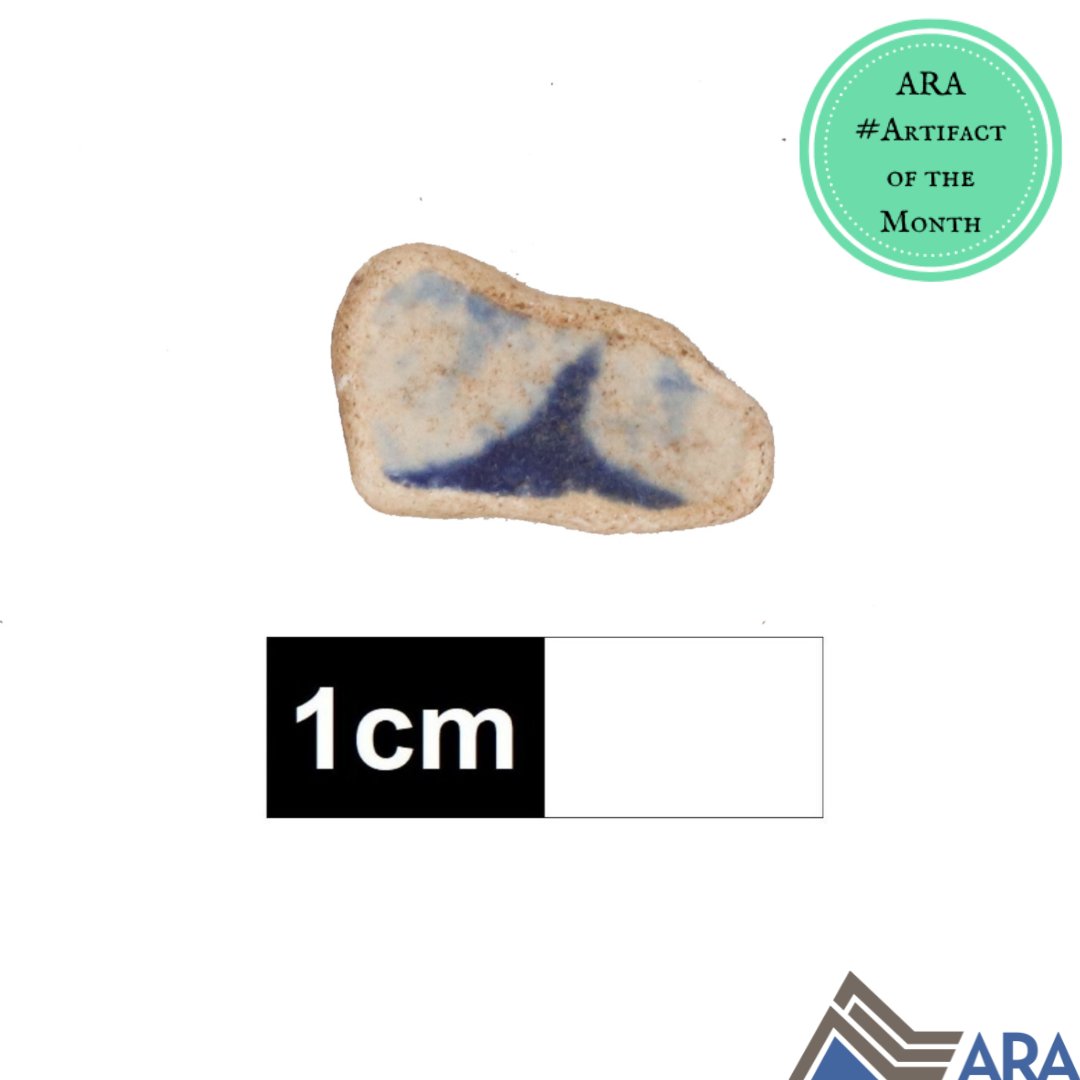
Gastroliths (or gizzard stones) are common finds on farmstead sites. Ingested by domestic fowl to help grind up food, small stones and, in this case, ceramic sherds are used and deposited with this water-rolled look!
#araheritage,#artifact,#artifactofthemonth#ontarioarchaeology
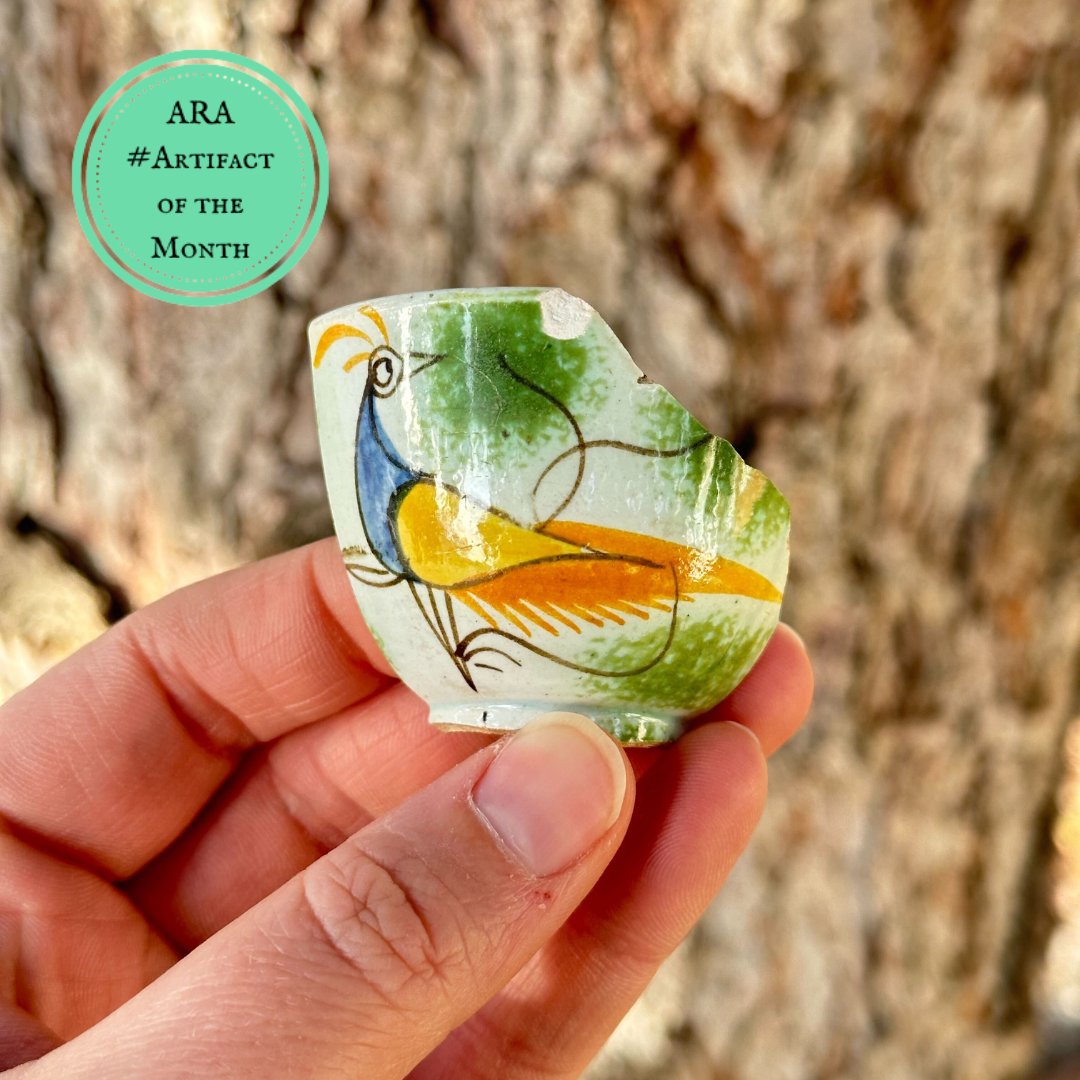
These are two types of painted wares we most commonly see in assemblages from 18th-19th c. historic sites we excavate! Can you spot the key differences between the Early Palette and Late Palette painted wares?
#araheritage, #artifact, #artifactofthemonth#ontarioarchaeology
Happy International Women's Day!
We would like to take this time to praise all the women in ARA that are not just the brains behind the operation, but the heart and soul. We have a fantastic team.
We had a great first time participating in @DouglassDayorg ! ARA's team was able to transcribe or find the names in more than 50 documents! Such a great event for such a great purpose!
#DouglassDay#BHM365
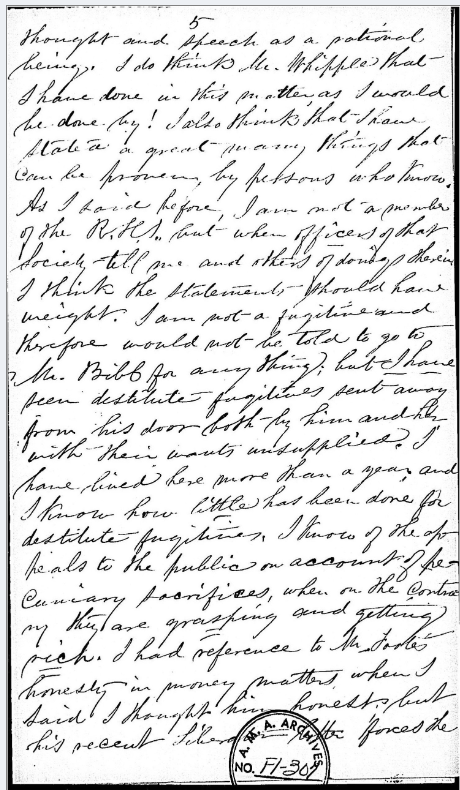
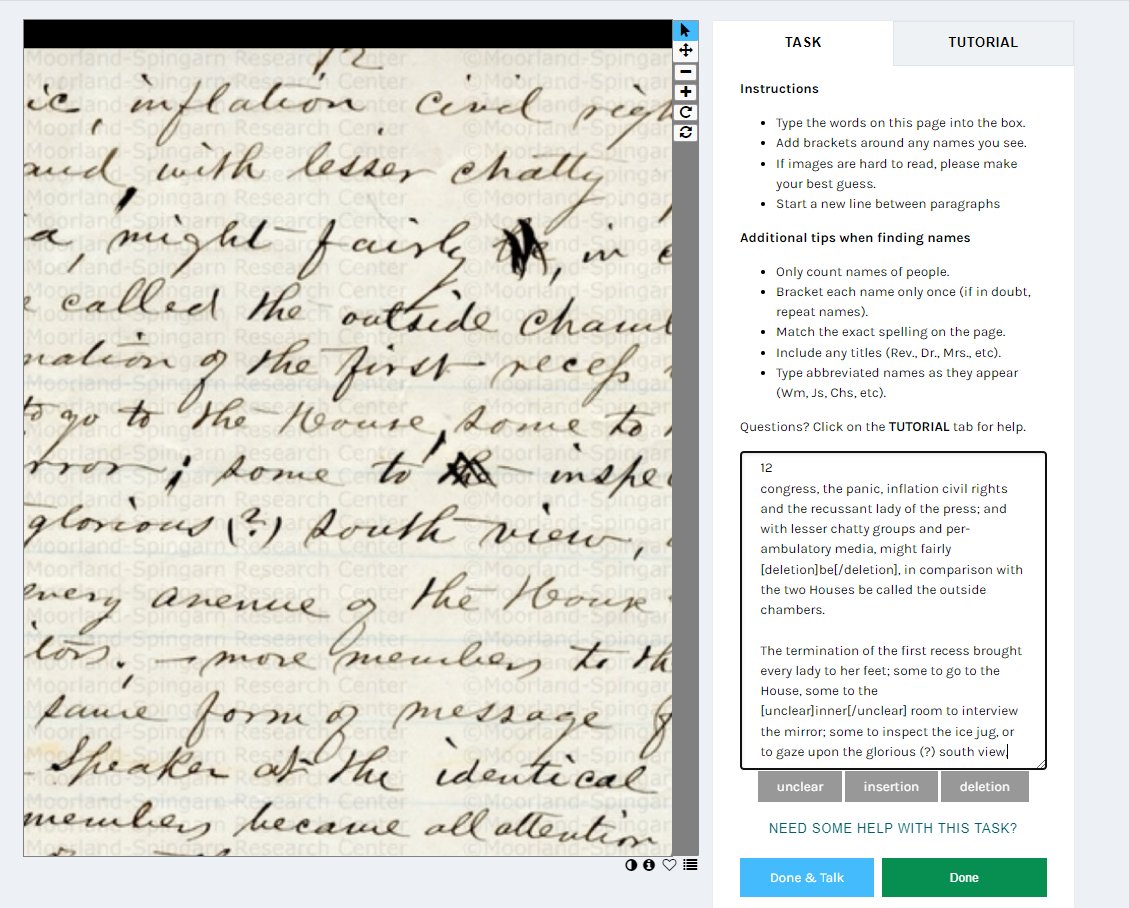
Interesting document for transcription! @DouglassDayorg , is it likely that the 'Mr. Bibb' in this document is referring to Henry Bibb?
#DouglassDay#BHM365
Today, some of us at ARA will be participating in #DouglassDay transcribing documents associated with Mary Ann Shadd Cary! Stay tuned for posts of some of the neat things we find this afternoon in the documents!
Learn more: https://t.co/V8camcJasA
#BHM365
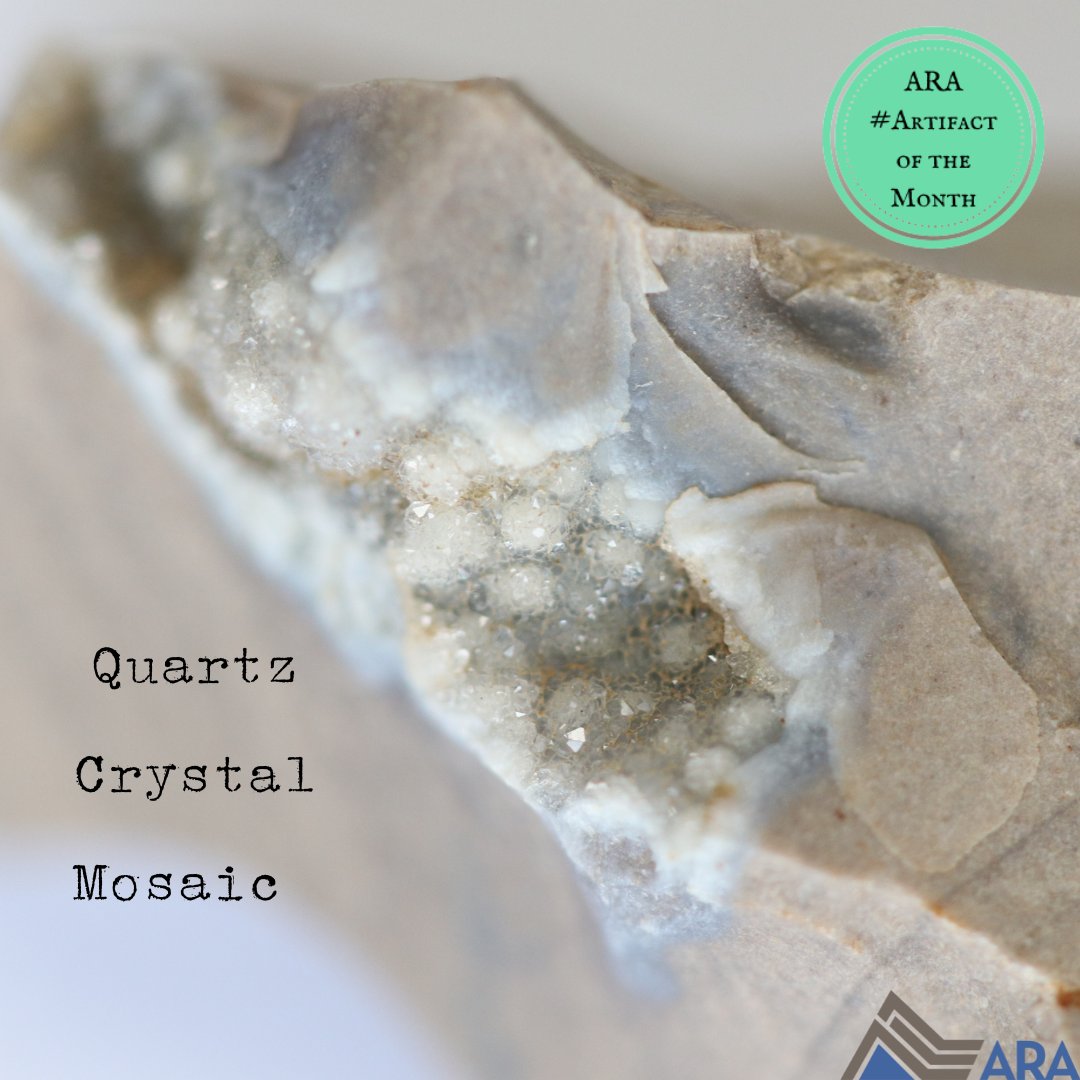
Chert is the primary material used to produce lithic artifacts in Ontario. Quartz can grow in voids or replace other minerals in the rock, creating formations that range from glassy linings to ornate crystal mosaics!
#araheritage#artifact#artifactofthemonth#ontarioarchaeology
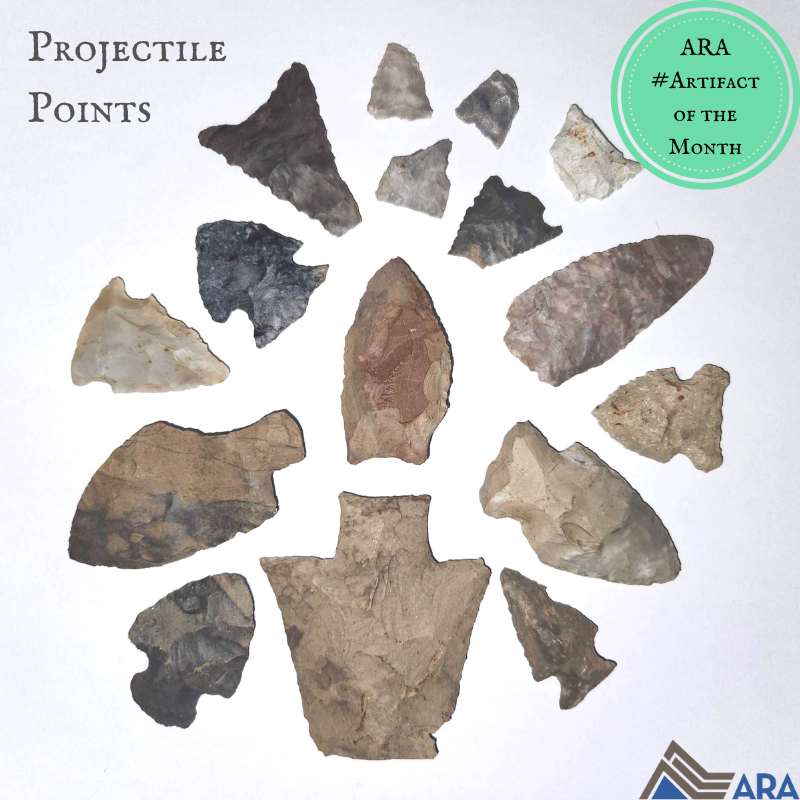
This selection of projectile points, representing continuous use of the land for 10,000 years – through the Paleo, Archaic, and Woodland periods – were recovered from the same project area in Southern Ontario!
#araheritage#artifact#artifactofthemonth#ontarioarchaeology
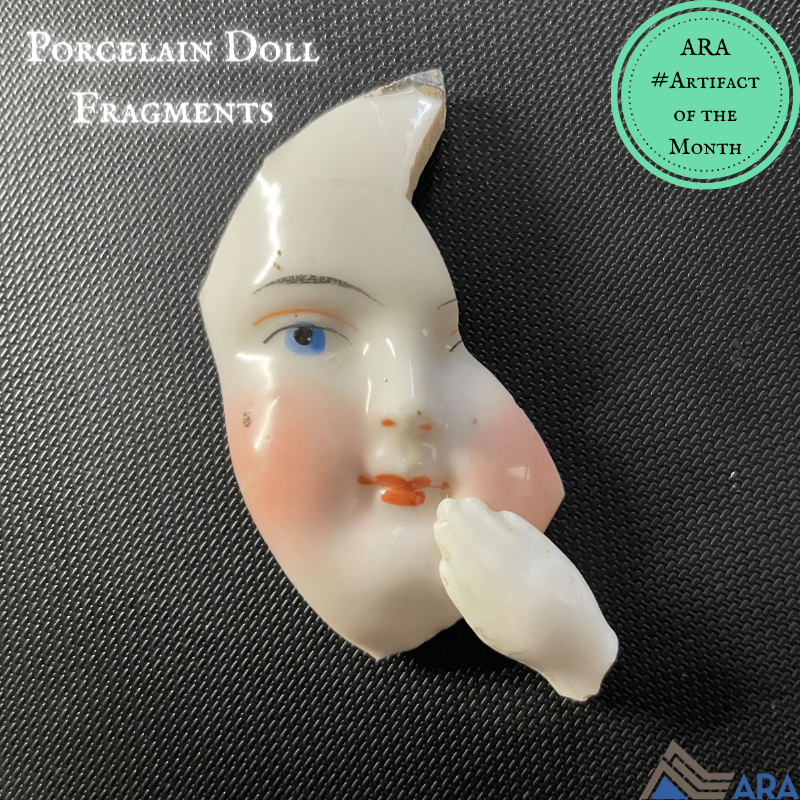
Porcelain dolls with painted hair and facial features were first made in Germany around 1840. These doll fragments were found in a mid to late 19th c. midden and always gives us archaeologists a little spooky feeling!
#araheritage#artifact#artifactofthemonth#ontarioarchaeology
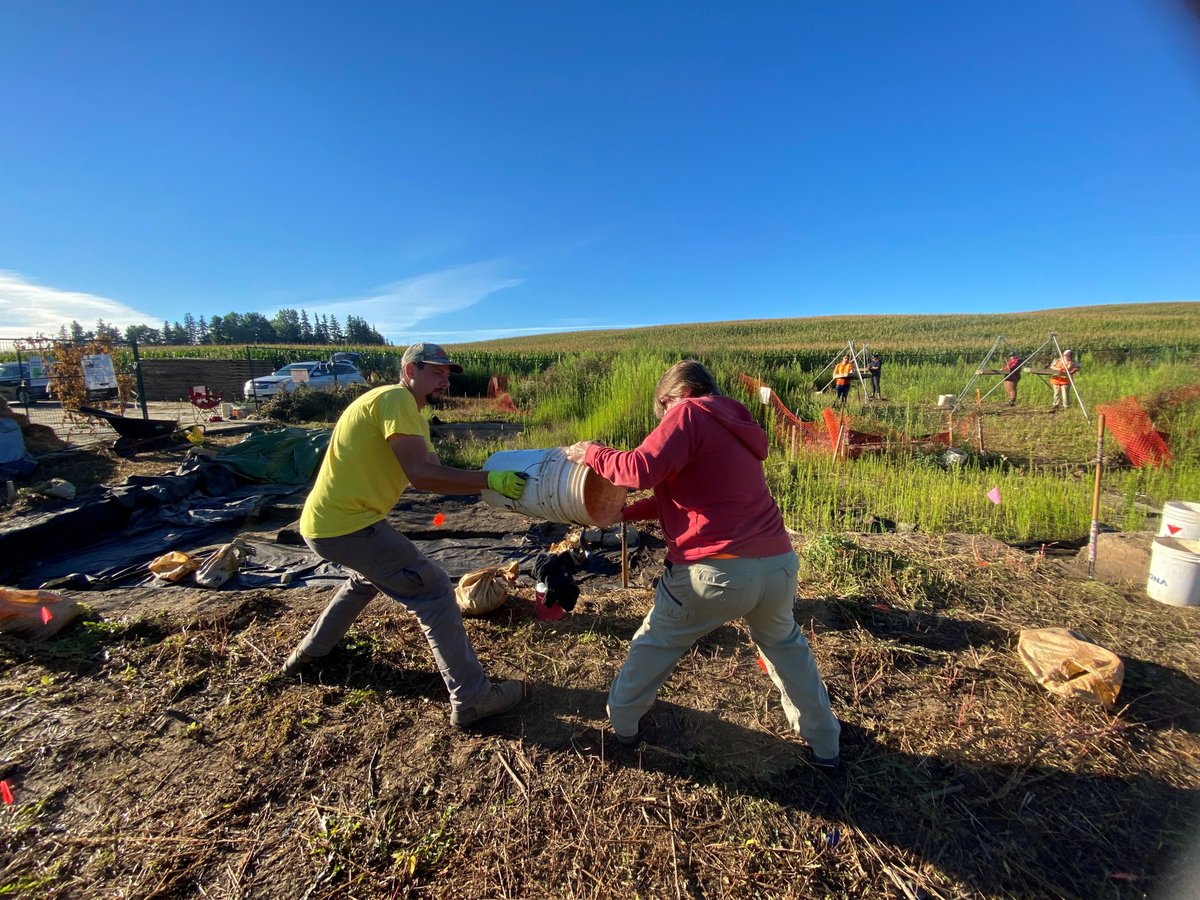
Friendly reminder not to stack your buckets too tightly, unless you want to start the day with a bucket tug-of-war warm up!
#ontarioarchaeology#araheritage
Floral patterns like these were one of the most common designs found on transfer printed ceramics throughout the 19th century! The variety of designs can make a challenging puzzle as we try to associate and date specific sets!
#araheritage#artifactofthemonth#ontarioarchaeology
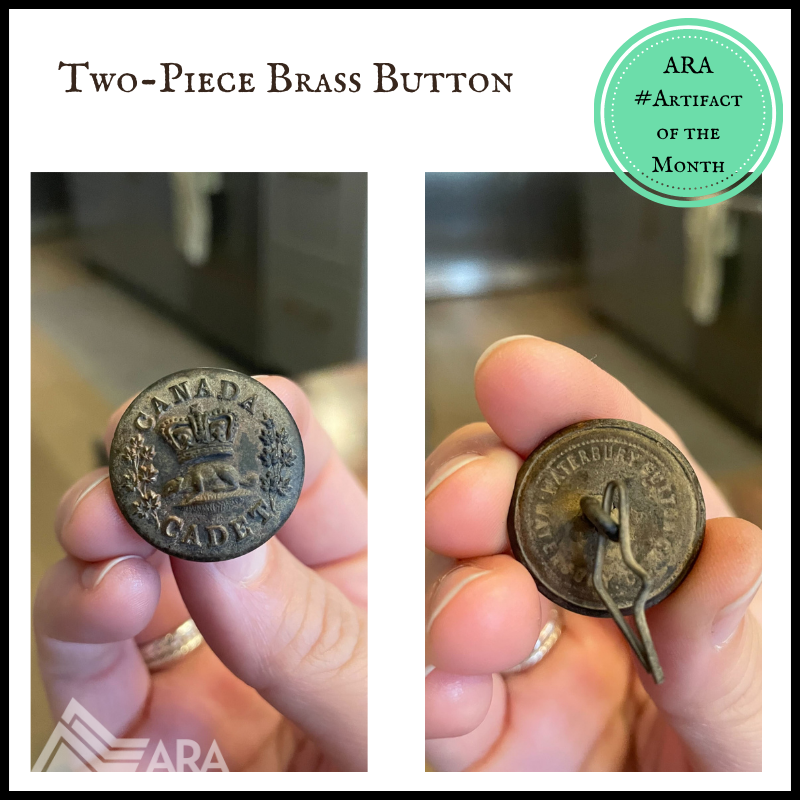
Buttons like this two-piece brass one were used to adorn uniforms and gentlemen’s clothing during the 19th C! This style has been used by the military since the 1830’s and will often indicate the branch and rank of the wearer.
#araheritage#artifactofthemonth#ontarioarchaeology
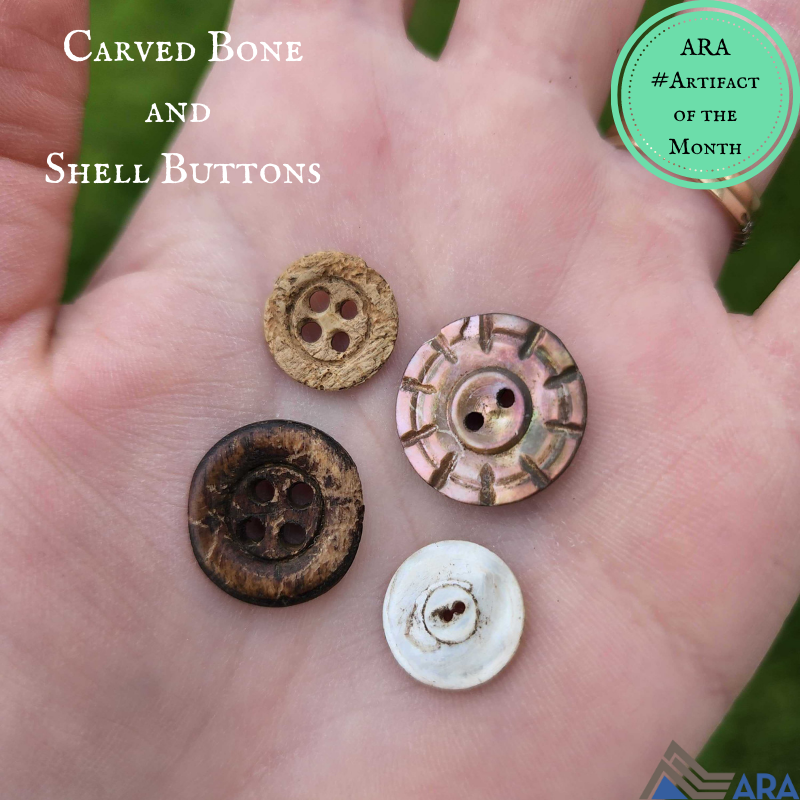
Buttons carved from faunal materials, such as bone and shell were a popular commodity throughout the 19th C! After manufacturing grew from local shops into large production centres, these materials were largely replaced by plastic counterparts in the early 20th C.
#araheritage