📍 Cefalù, Sicily, Italy 🇮🇹
A fishing town on the northern Sicilian coast where a Norman cathedral rises so dramatically from the shoreline it looks like it grew from the rock itself.
#Italy
📍 Aberdeen, Scotland 🏴
A granite city on the North Sea coast that built itself entirely from the same silver-grey stone it sits on, which in certain lights makes the city look like it grew from the ground rather than was constructed on it.
The North Sea oil discovered offshore in the 1970s made Aberdeen the oil capital of Europe and temporarily the most expensive city in Britain outside London, a distinction the city wore with the Presbyterian discomfort of somewhere that had spent three centuries being stoic about the weather and was not entirely sure prosperity suited it. The oil is declining. The granite remains indifferent.
#Architecture #Scotland
📍 Pitlochry, Scotland 🏴
A Victorian Highland town in Perthshire that exists almost entirely because the railway arrived in 1863 and the Victorians discovered that sitting beside a Scottish river watching salmon climb a fish ladder was an adequate substitute for having nothing else to do.
The fish ladder at the hydroelectric dam allows salmon to migrate upstream past a wall of glass where visitors stand in a darkened viewing chamber watching wild fish make an ancient journey through an industrial workaround. It should not be as moving as it is. Pitlochry has always understood that the Scots and the salmon are doing the same thing, heading upstream against the current because that is simply what you do.
#Architecture #Scotland
📍 Tobermory, Scotland 🏴
A village on the Isle of Mull whose harbour front of brightly painted Victorian buildings became the most recognised streetscape in Scotland after being used as the setting for a BBC children's programme, a fame the island accepts with the mild bewilderment of somewhere that was already remarkable before anyone pointed a camera at it.
The Spanish galleon San Juan de Sicilia sank in the bay in 1588 after the Armada failed, allegedly carrying enough gold to have changed the financial history of Scotland had anyone ever successfully retrieved it. Several expeditions have tried. The gold, if it exists, remains on the bottom of Tobermory Bay, which at this point is more valuable as a story than it would ever have been as bullion.
#Architecture #Scotland
📍 Oban, Scotland 🏴
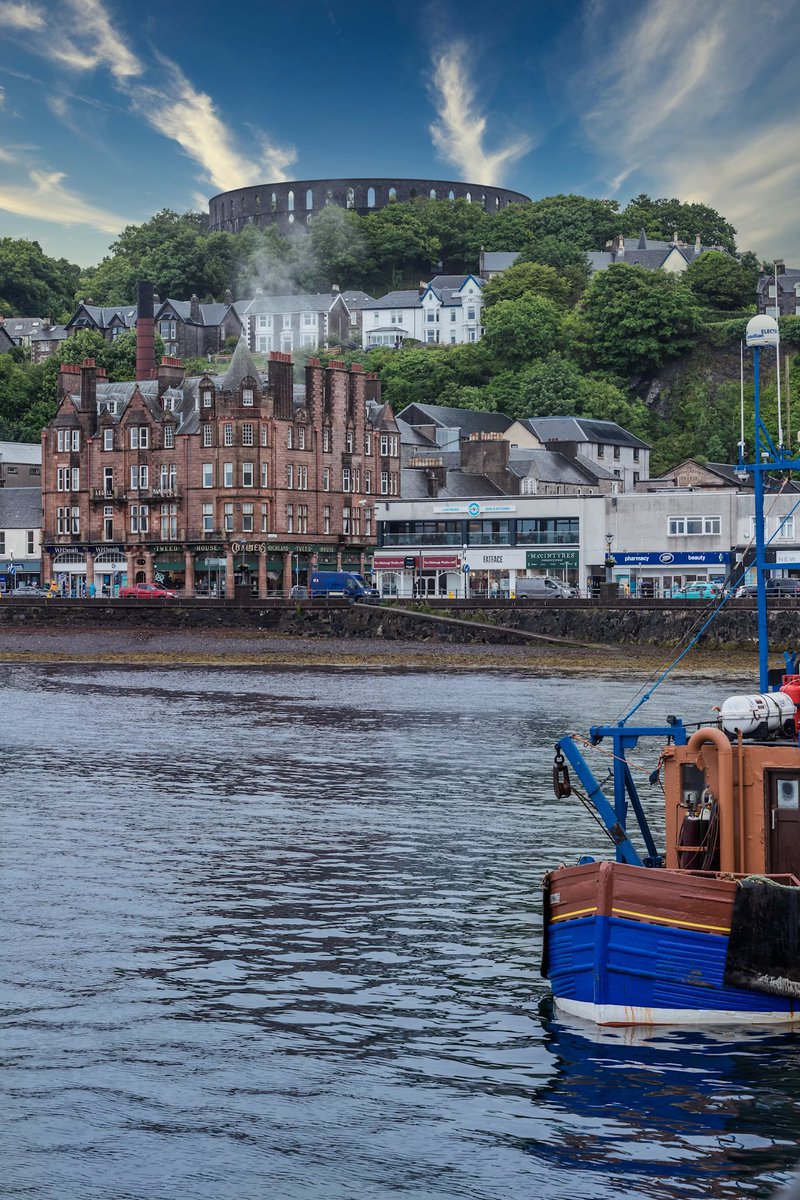
A Scottish port town on the Firth of Lorn that serves as the gateway to the Hebridean islands, where the ferry terminal is the most important building in town and a Victorian folly modelled on the Colosseum sits unfinished on the hill above it because the banker who started building it ran out of money in 1900 and nobody has finished it since.
The McCaig's Tower has no roof, no floor, and no purpose beyond the view it frames of a harbour busy enough to make the waiting worthwhile. The whisky distillery in the centre of town has been operating since 1794 and produces a malt that tastes specifically of this coastline, which is either terroir or suggestion and the result is the same either way.
#Architecture #Scotland
📍 Fort William, Scotland 🏴
A Highland town at the foot of Ben Nevis, the highest mountain in Britain, where the weather is so consistently wet that the mountain is invisible for the majority of the year and climbers reach the summit in cloud and descend in cloud and argue about whether they were ever really there.
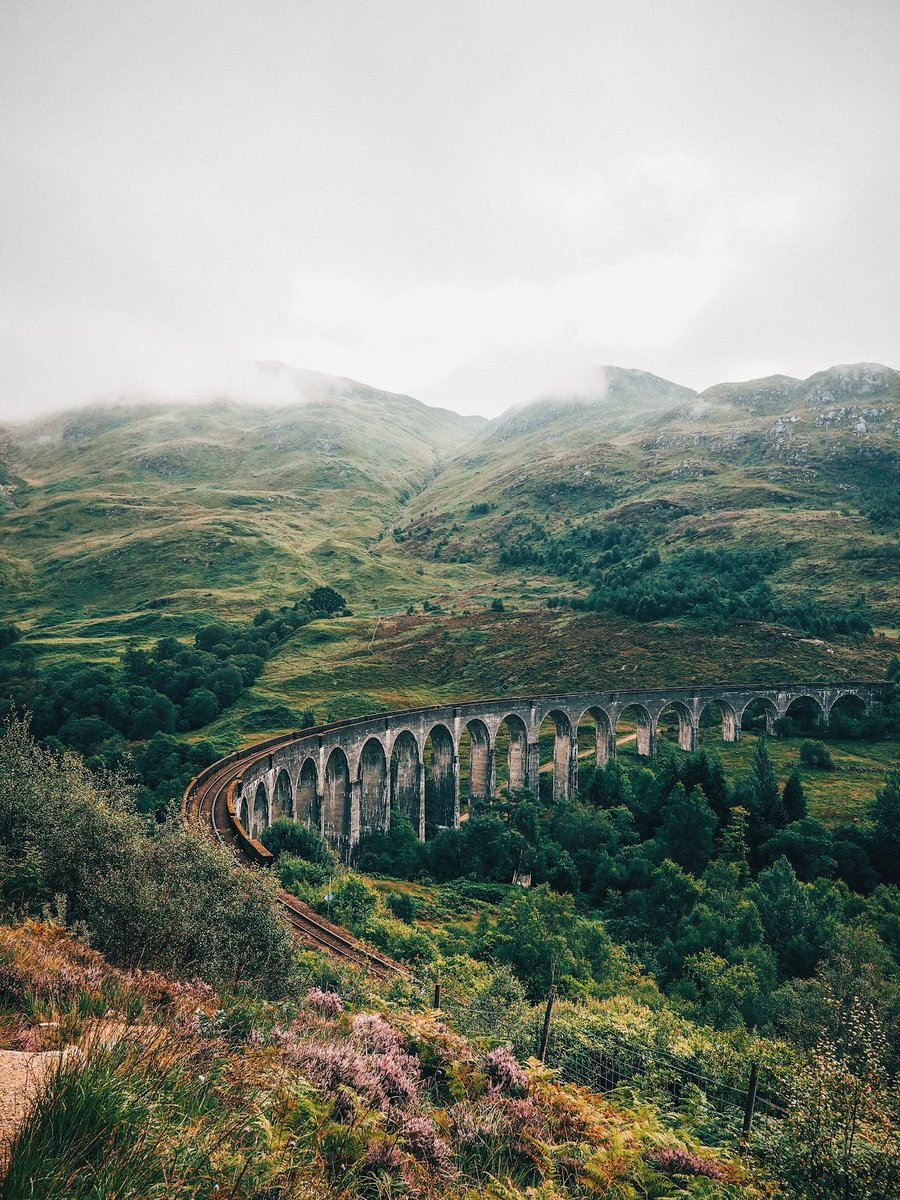
The Jacobite steam train runs from here to Mallaig across a viaduct that J.K. Rowling decided was the Hogwarts Express route before most people had heard of either. The town itself is functional rather than beautiful, which is the honest thing to be when the landscape around you has made beauty redundant.
#Architecture #Scotland
📍 Stornoway, Scotland 🏴
The largest town in the Outer Hebrides, where Gaelic is still a first language for a significant portion of the population and the Sunday closing laws are observed with a seriousness that means the airport does not operate and the swings in the children's playground are padlocked.
The Callanish Stones on the western coast of the island were erected around 2900 BC, making them older than Stonehenge and considerably less visited, which is either an injustice or the reason they retain the particular quality of silence that Stonehenge lost sometime around the introduction of the gift shop.
#Scotland #Architecture
📍 Kirkwall, Orkney 🇬🇧
A Norse town on an island archipelago off the northern tip of Scotland that was Norwegian until 1468, when the Danish king pawned it to Scotland as a wedding dowry deposit and never came back with the money.
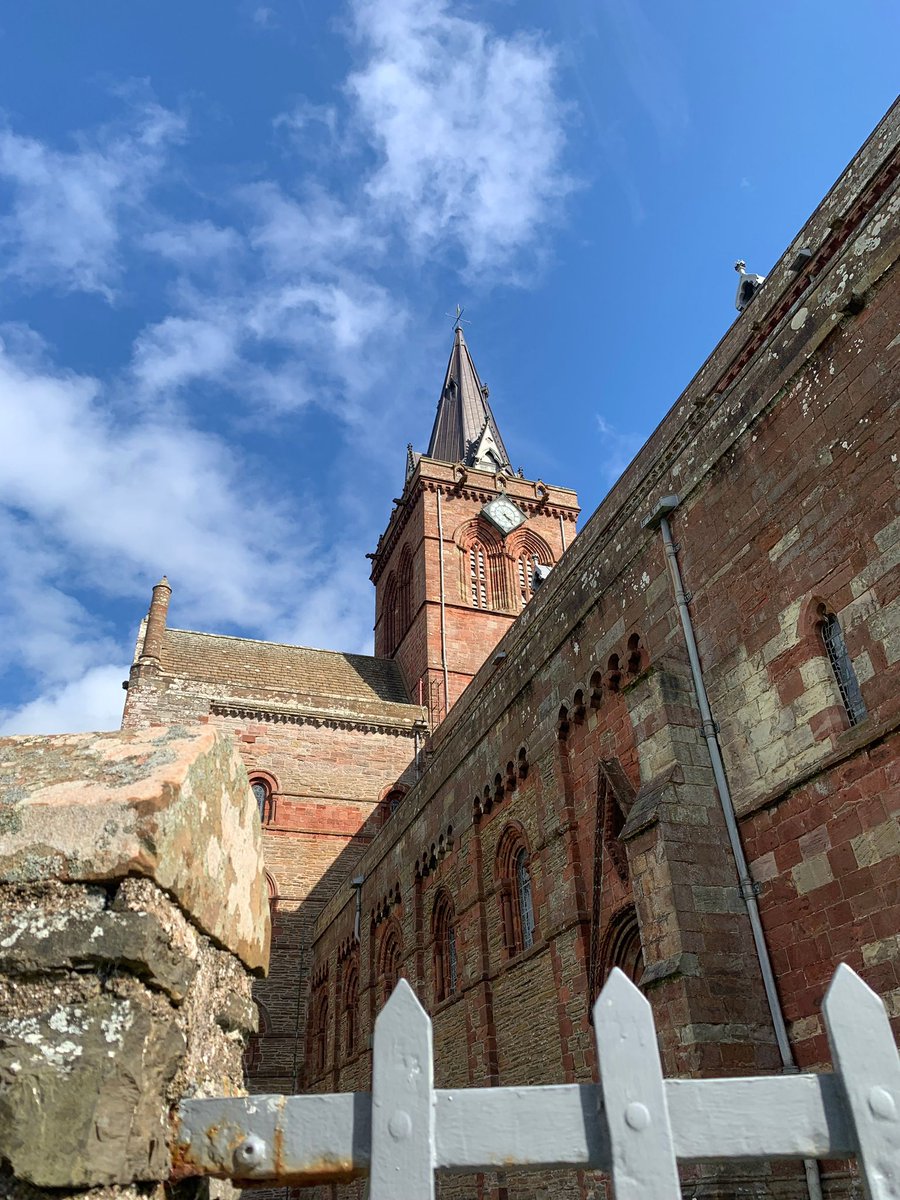
The St Magnus Cathedral was built in 1137 by a Viking earl in memory of his cousin whom he had personally had executed, which is either an act of extraordinary guilt or extraordinary politics and the cathedral has never clarified which. The Neolithic settlement at Skara Brae five miles away is older than the pyramids and was buried under sand dunes until a storm uncovered it in 1850, which is the most Orkney way for anything to be discovered.
#Architecture #UK
📍 Portmeirion, Wales 🇬🇧
A village in North Wales that does not belong to any architectural tradition, any century, or any country, because a single architect built it entirely from his own imagination between 1925 and 1975 and furnished it with salvaged pieces of demolished buildings from across Britain.
Clough Williams-Ellis wanted to prove that a beautiful village could be built without destroying its landscape. He chose a headland on Cardigan Bay, imported Italian campaniles and colonial colonnades, and created something that the BBC used to film a surrealist spy drama called The Prisoner in 1967 because nowhere else looked sufficiently like nowhere else. It still doesn't.
#Architecture #UK
📍 Rye, United Kingdom 🇬🇧
A medieval hilltop town in East Sussex that was once a major Channel port until the sea retreated two miles and left it stranded inland, which turned out to be the best thing that could have happened to its architecture.
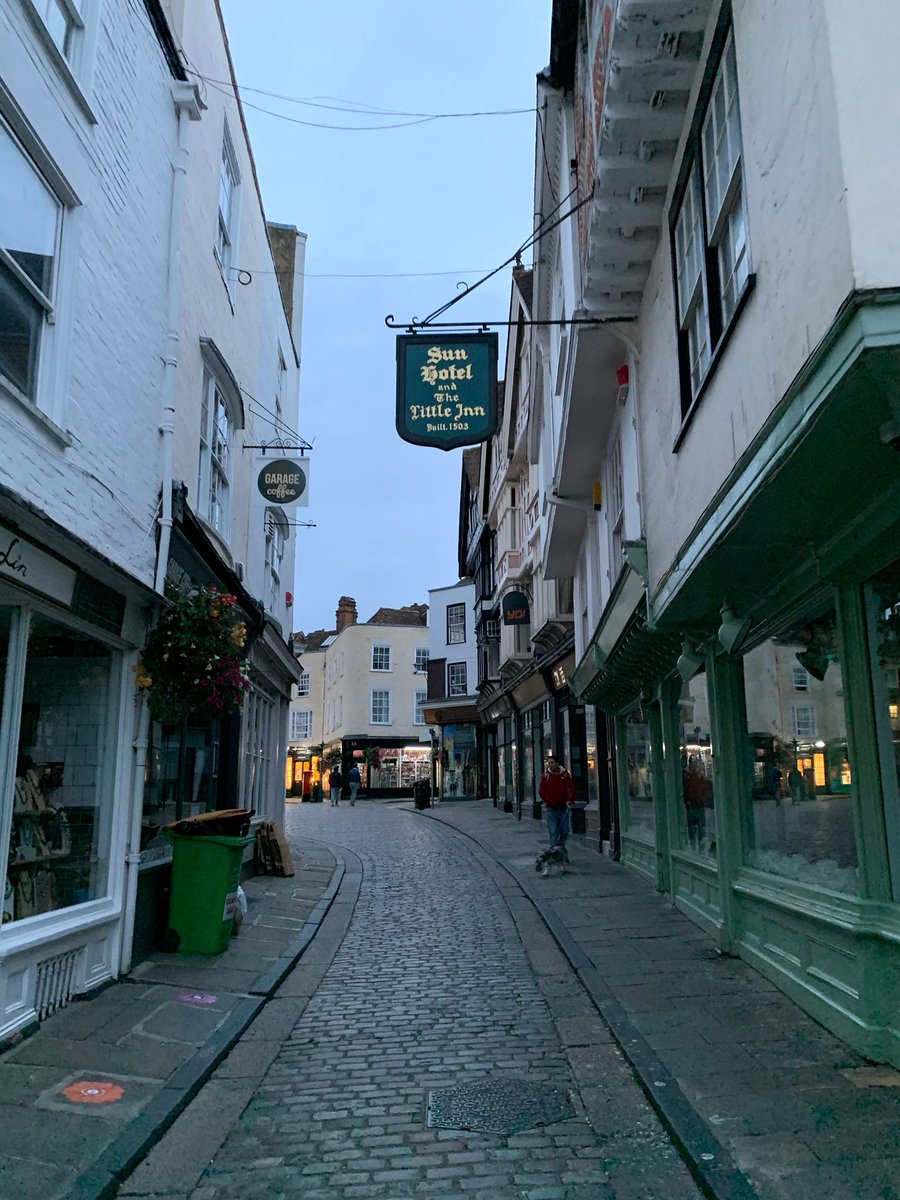
The cobbled Mermaid Street is so unchanged it is regularly mistaken for a film set, and regularly used as one. Henry James lived here for eighteen years and called it the most beautiful town in Britain. The sea that abandoned it took the pirates and the French raiders with it, and left behind a town too picturesque to be anything other than exactly what it looks like.
#Architecture #UK
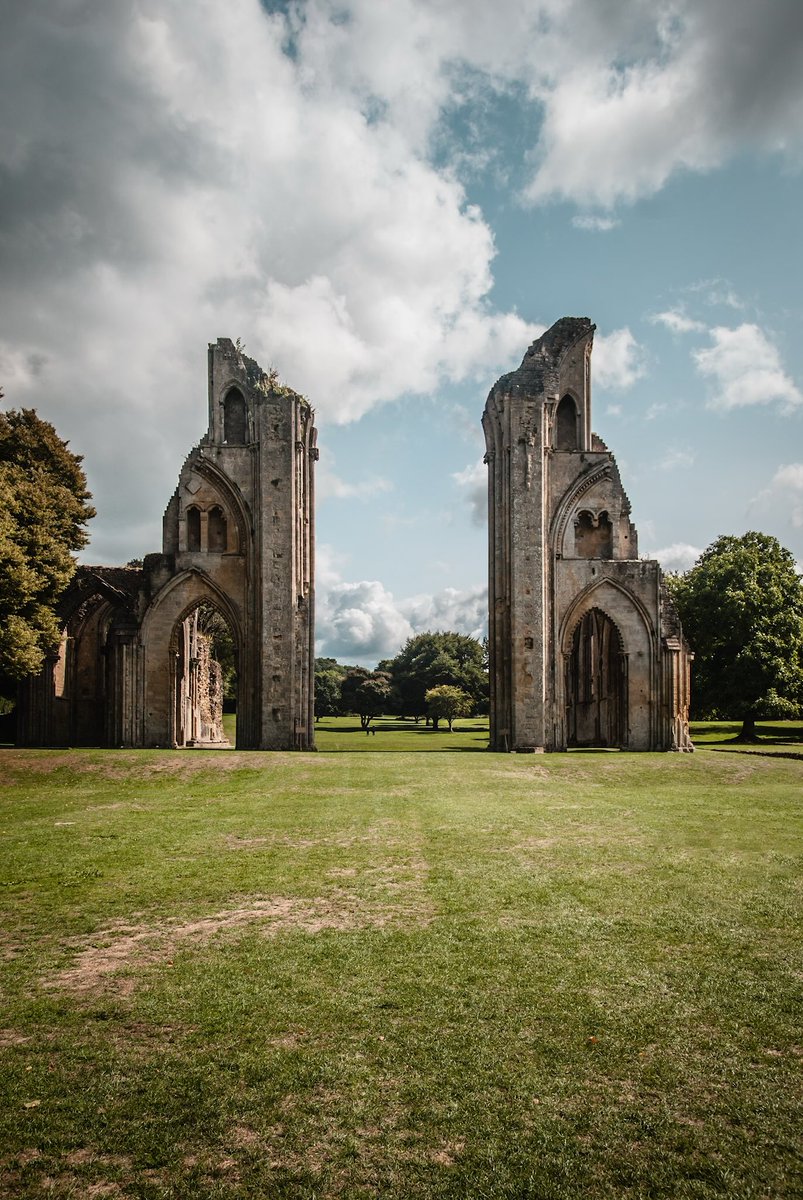
📍 Glastonbury, United Kingdom 🇬🇧
A Somerset town of 9,000 people that simultaneously claims to be the birthplace of Christianity in Britain, the burial site of King Arthur, the heart of English pagan spirituality, and the location of the world's most famous music festival, and pursues all four identities with complete sincerity.
The Tor rises above the Somerset Levels like it was placed there deliberately, which depending on who you ask in the high street it was. The abbey ruins are genuinely medieval. The legend of Arthur was probably added in the 12th century by monks who needed the tourism. The distinction has not noticeably affected footfall.
#Architecture #UK
📍 Whitby, United Kingdom 🇬🇧
A fishing town on the Yorkshire coast where a ruined clifftop abbey overlooks a harbour that inspired Bram Stoker to have Dracula arrive in England as a shipwrecked black dog, which is the most specific literary decision ever made about a seaside town and the town has never recovered from the compliment.
The Goth weekend that descends twice a year is now larger than the fishing industry. The abbey has been a ruin since Henry VIII and looks better for it. The jet jewellery made from fossilised wood pulled from the cliffs was worn by Queen Victoria in mourning and has been worn by everyone in black ever since.
#Architecture #4k
📍 Durham, United Kingdom 🇬🇧
A cathedral city on a sandstone peninsula almost entirely encircled by the River Wear, where the Norman builders chose the most defensible site in northern England and then built one of the finest Romanesque cathedrals in the world on top of it.
The cathedral and castle share the peninsula above the river in a composition so deliberately dramatic that Bill Bryson called it one of the great experiences of European travel. The university established in 1832 is the third oldest in England. The miners who built the county around it held their gala on the riverbanks every July for over a century, and still do.
#Architecture #UK
📍 Carlisle, United Kingdom 🇬🇧
A border city at the northern edge of England that changed hands between England and Scotland so many times the castle was used as a prison by both sides depending on the decade, and the cathedral was partially demolished by Parliamentary forces who needed the stone for something else.
Hadrian's Wall ends here, or begins here depending on which direction the Romans were thinking about the problem. The city spent more of its history as a contested frontier than as a settled English one, which gives it a northerness that the Lake District tourists passing through on the way to Scotland tend to underestimate.
#Architecture #UK