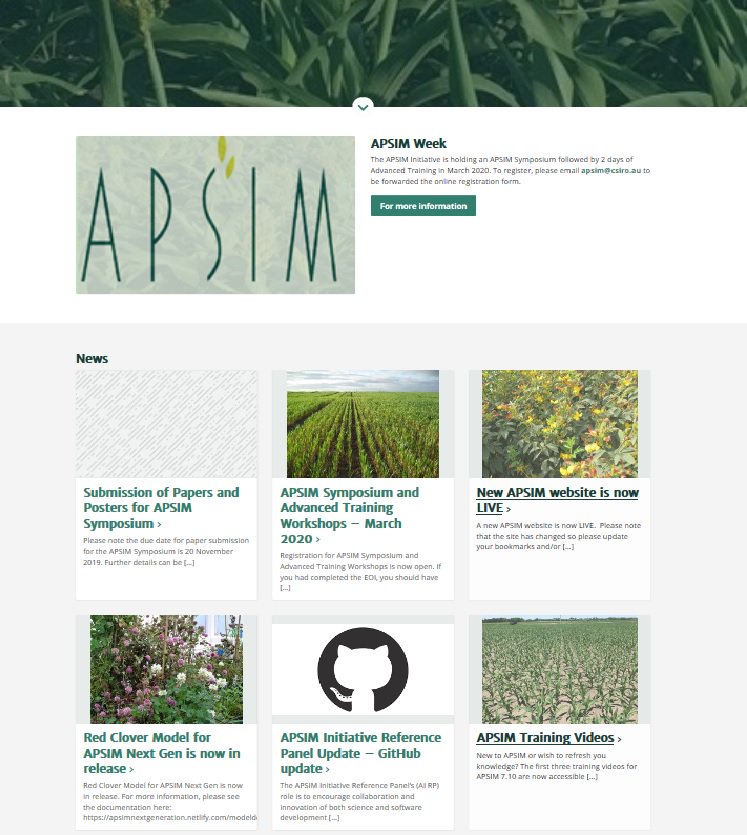
Check out the new website for #APSIM, a model that benefits farmers, researchers and agribusinesses by simulating plant, animal, soil, climate and management interactions. Well done APSIM Initiative partners, including #CSIROAg https://t.co/85hXoU5z8B
Good news: above normal GDD accumulation for next week, ~ 50 GDD more. This means faster plant development, more soil N mineralization and more soil water evaporation. Check more updates here: https://t.co/rnFvAbOW8W @akrherz@isuagronomy@marklicht
Low temperatures not only delay crop development but also soil N mineralization. Model simulations for 3 states show ~ 20% less soil N mineral. in 2019 compared to a 35-yr average. Check more maps here: https://t.co/rnFvAbOW8W @marklicht@castellmj@isuagronomy@ArchontoulisLab
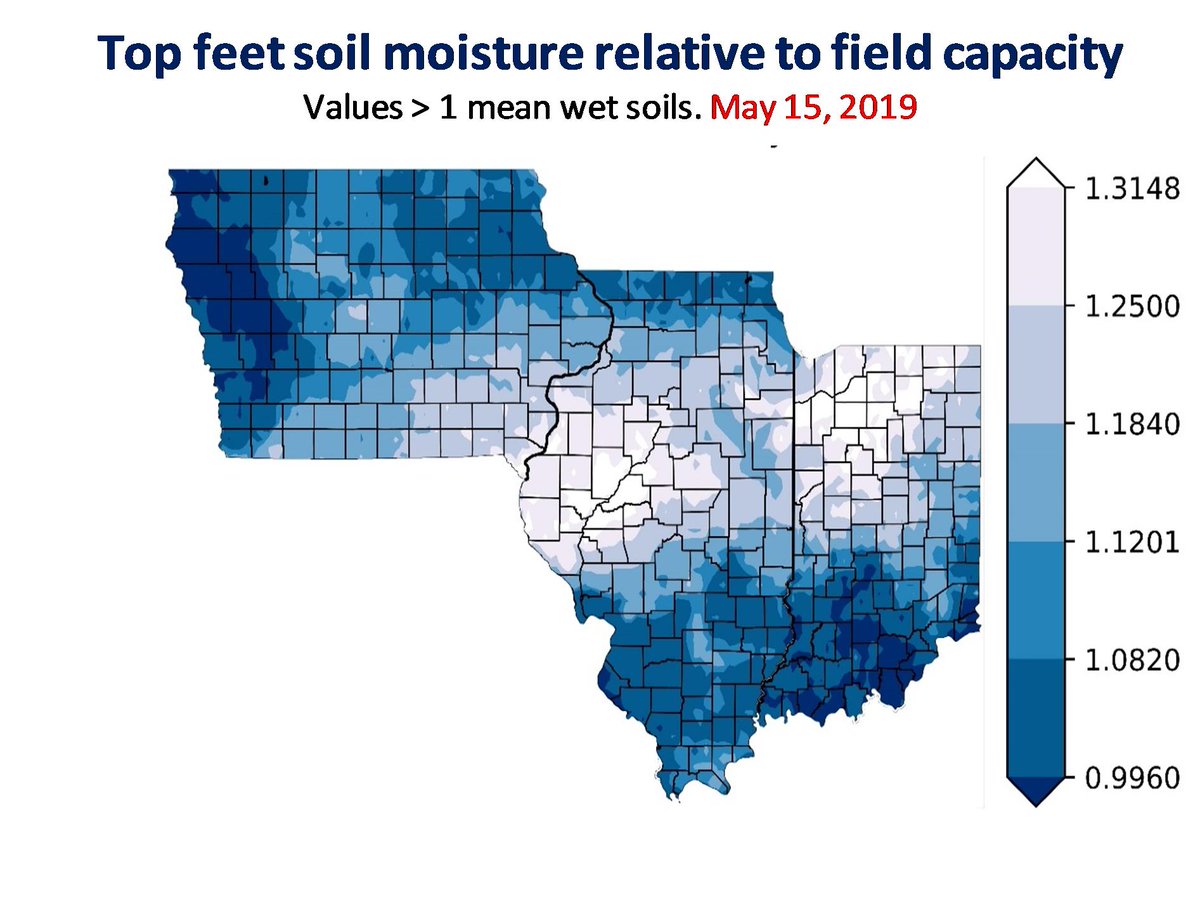
Model simulations of soil moisture on 5/15 and 5/30. It is wet & gets wetter deeper in the profile but it will get better next week! Values > 1 mean wet soils; 1 is field capacity. A value < 0.9 or so is need for field operations #ISU_FACTS
Taking advantage of the break in rain with @heatherpasley1 to put up instruments and soil sample in south-cental Iowa. Noticed the water table reached about a foot below ground at one end of the field! @ArchontoulisLab
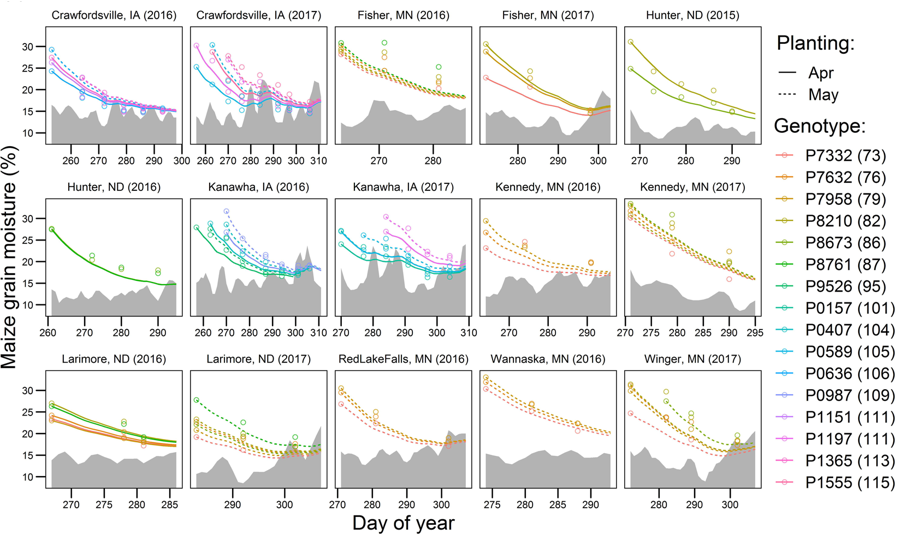
With the 2019 planting delays, expected harvest dates of different hybrids come into discussion. By using data from IA, MN, and ND and 73-115 day hybrids we published a new model to assist with these decisions: https://t.co/2swR6mPcfF @rmartinezferia@marklicht@isuagronomy
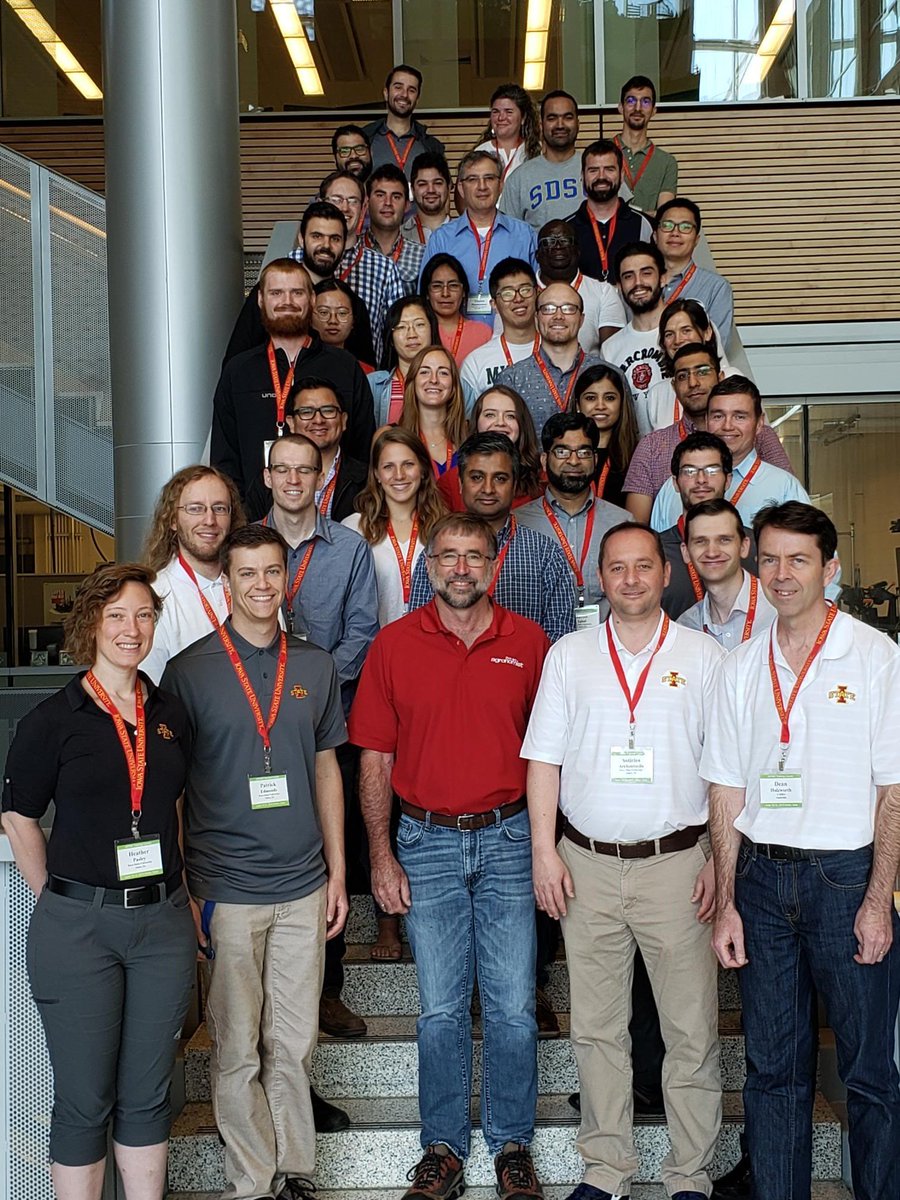
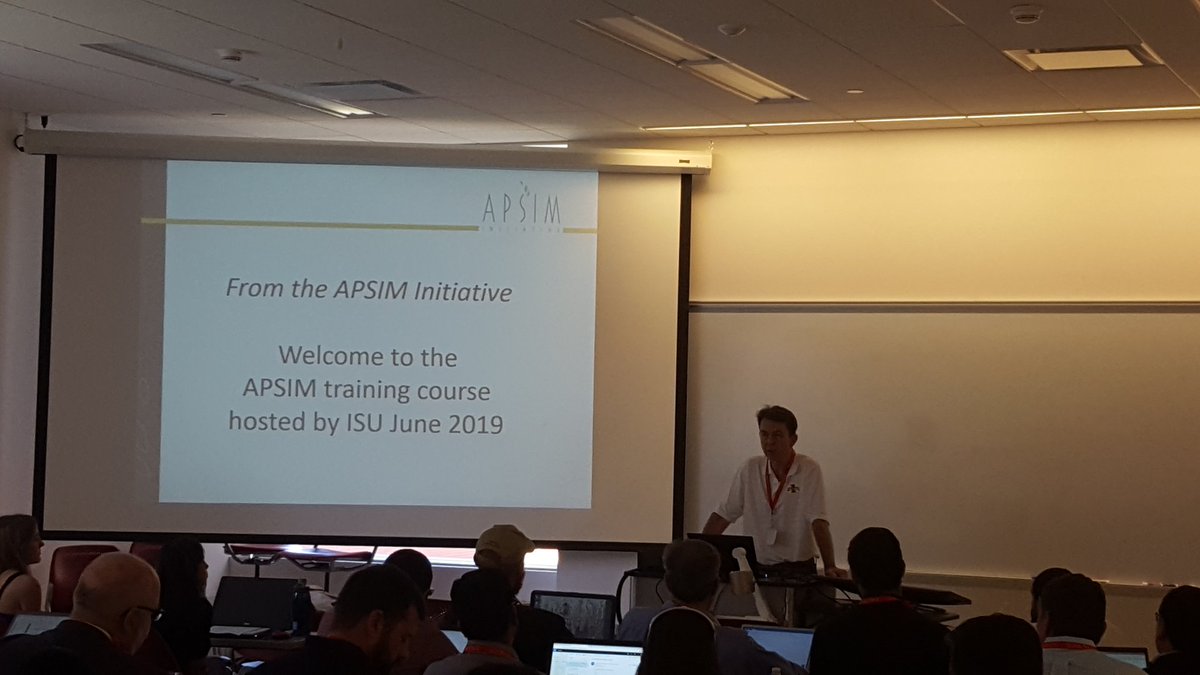
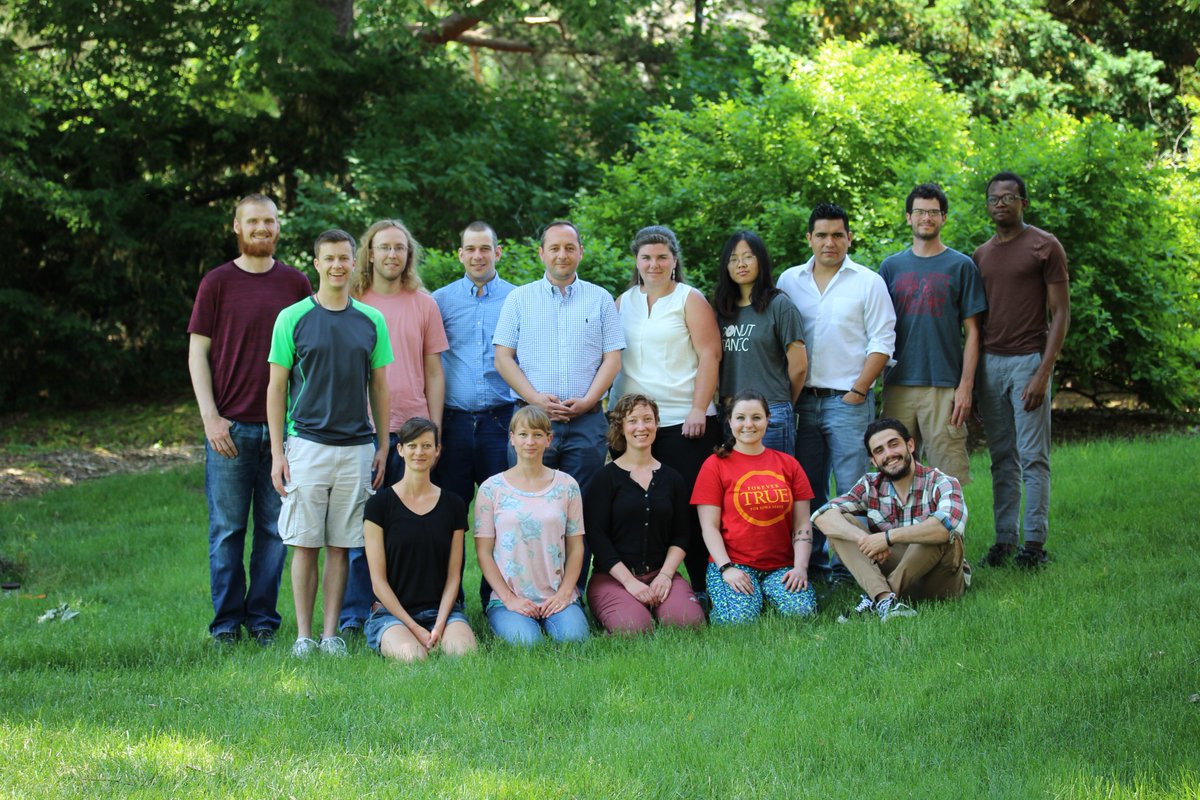
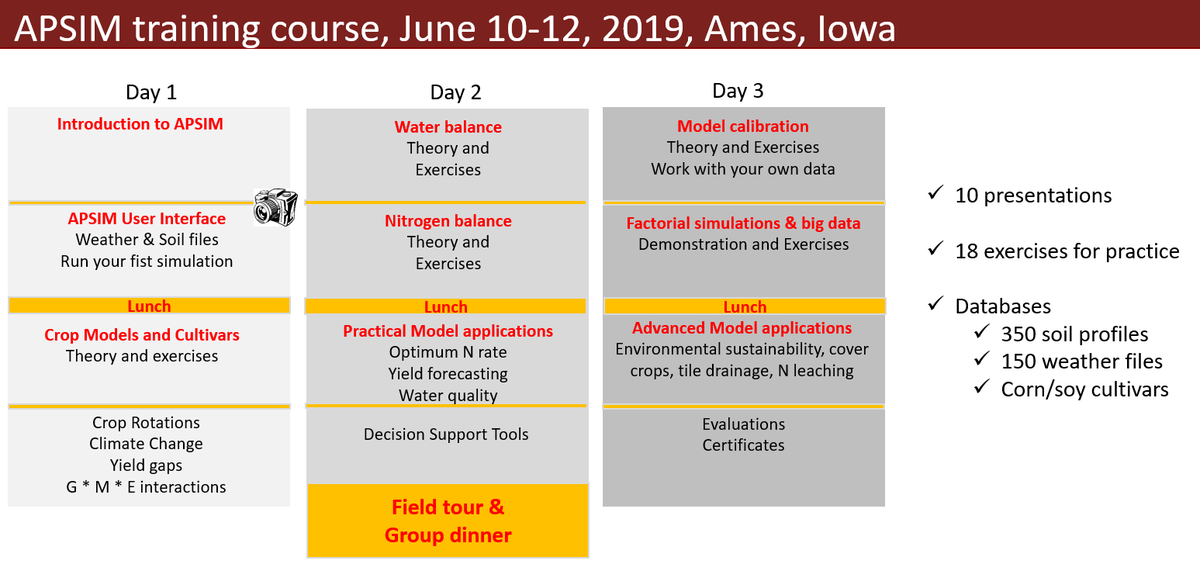
Agenda & registration link for the 5th #APSIM training course to be held in Ames, IA from June 10 to 12: https://t.co/fTOnet2Ivd . 25 hours of crop and soil modeling! Workshop is filling up quickly…. @DeanHolzworth thanks for coming!
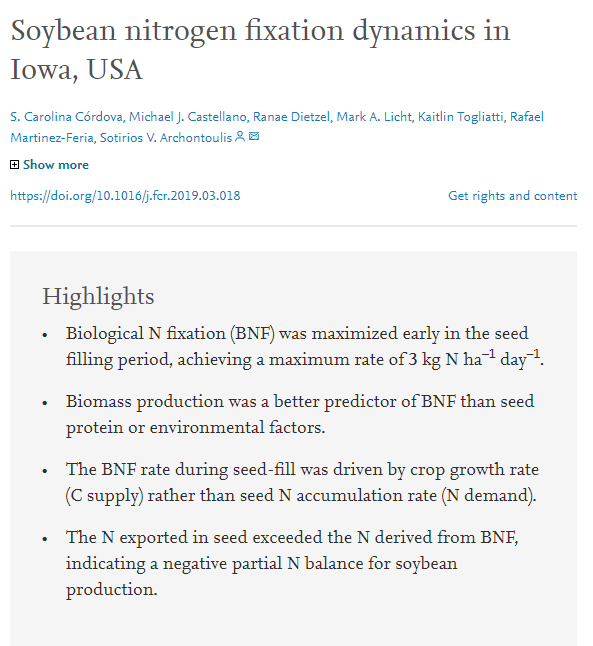
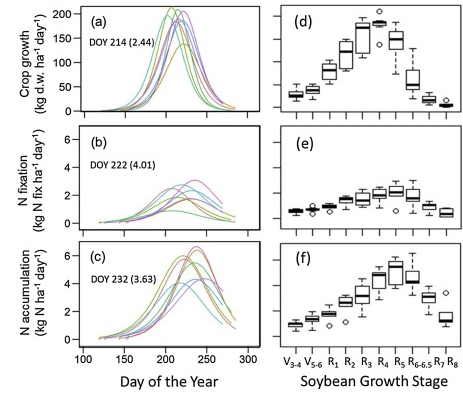
📢RT My latest article: "#Soybean N fixation dynamics in Iowa USA" is out! Includes the Rates of Soybean #BNF in highly fertile soils and rainfed fields, Check this out: https://t.co/7oAGHCHwdG Thanks to my collaborators @ArchontoulisLab@castellmj & funding @IowaSoybeans, others