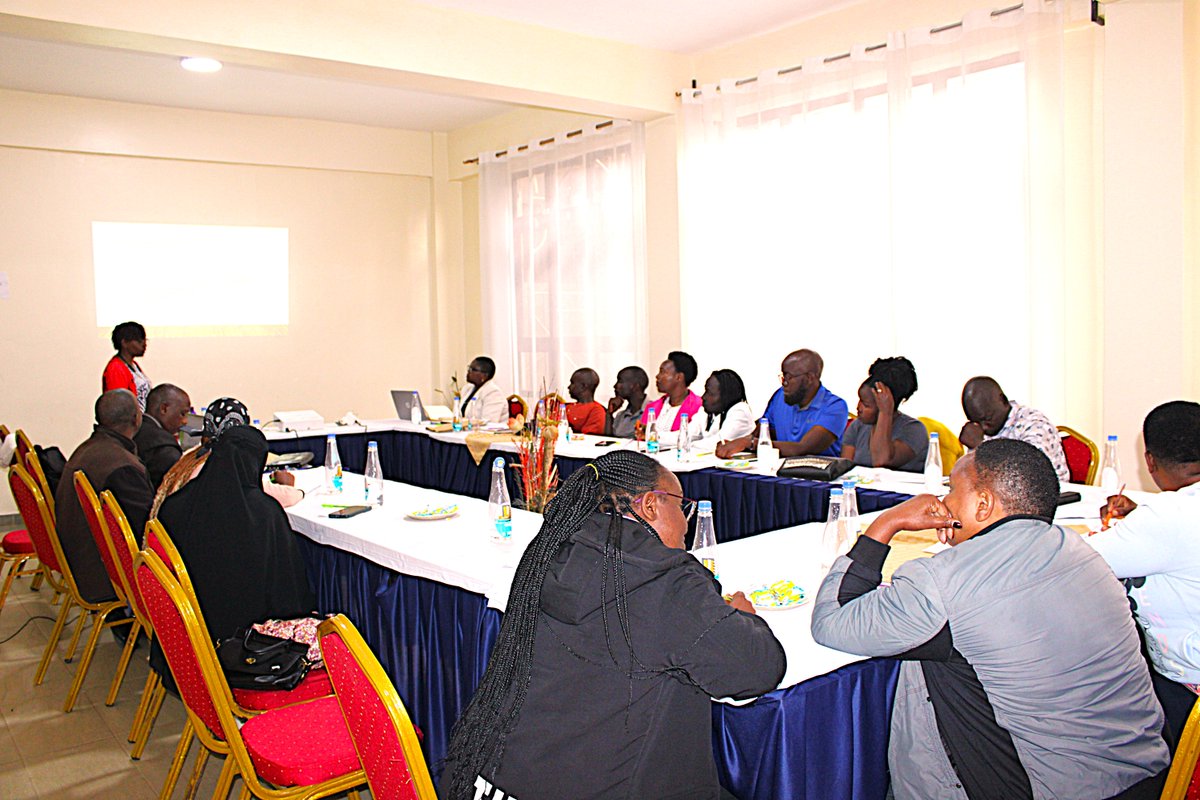
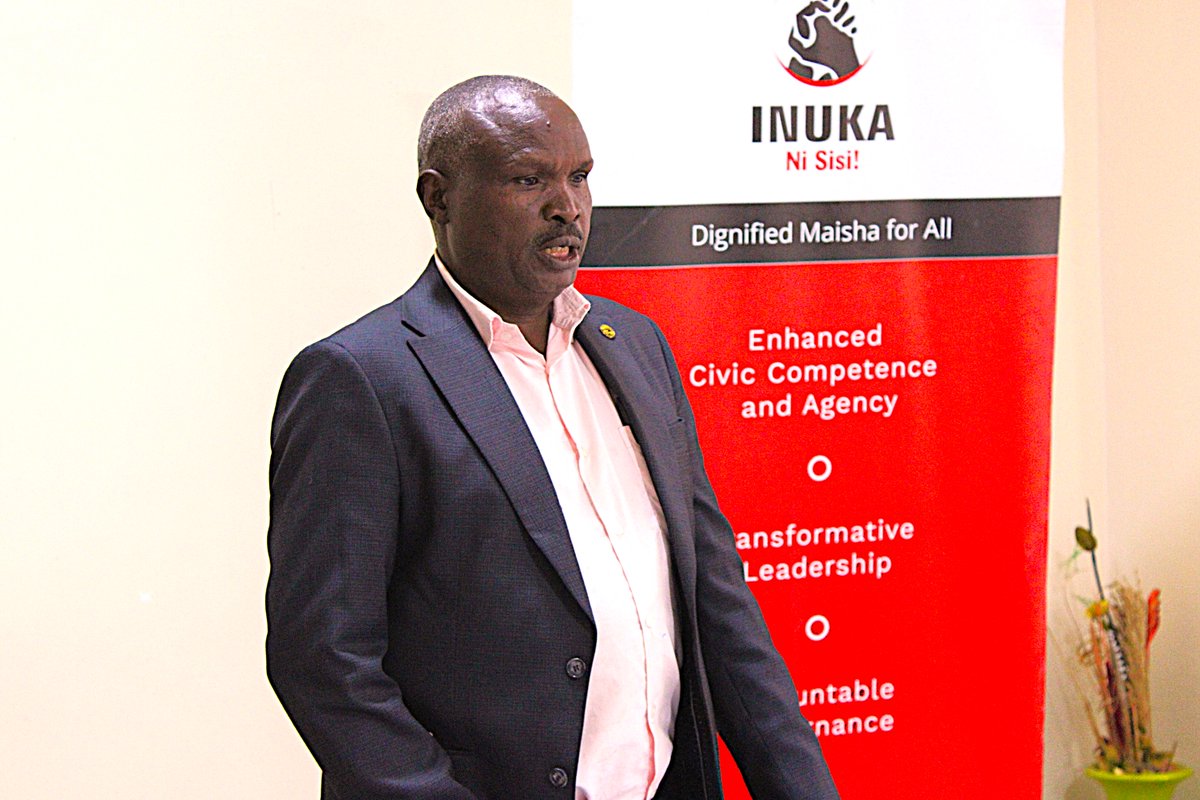
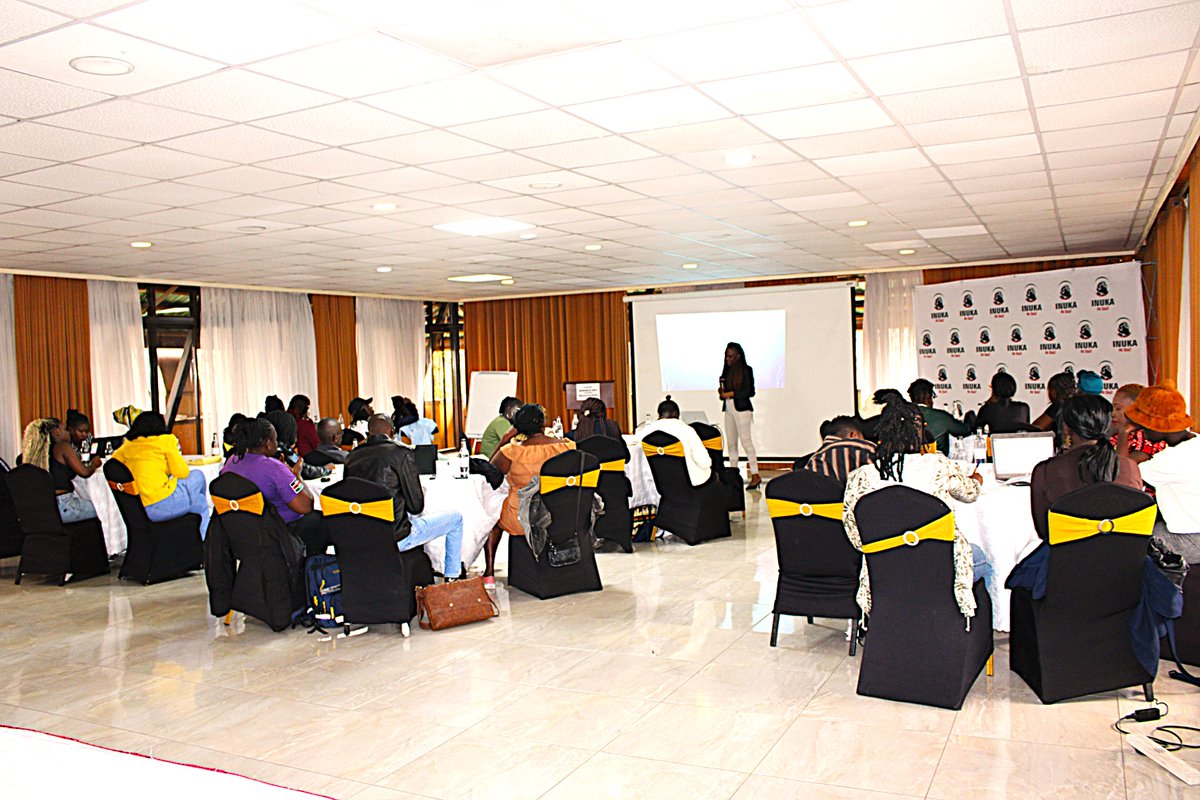
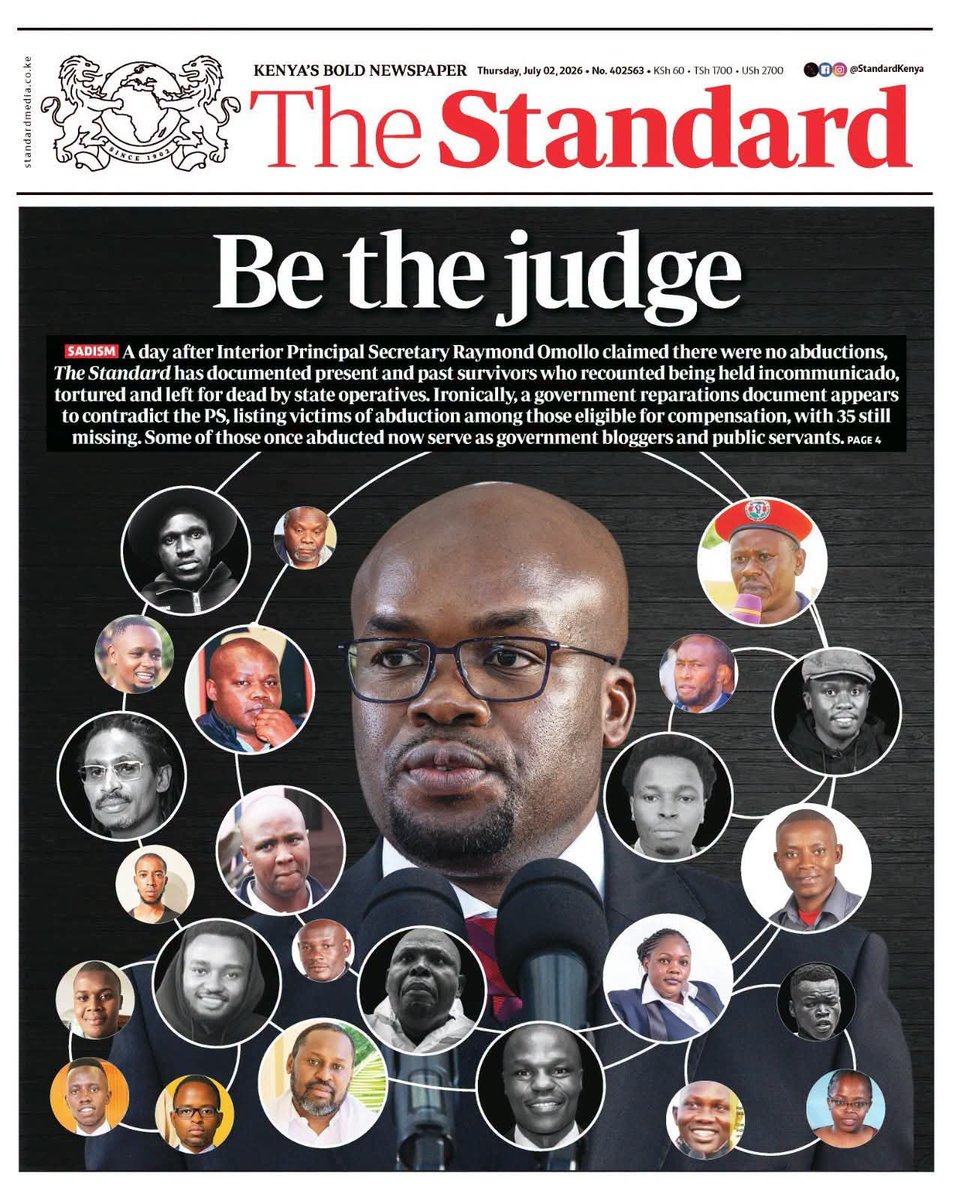
On 30 January 2026, the NIA Coalition submitted a petition to the Public Service Commission seeking clarity and accountability regarding the promotion, and cessation of service of senior public officers.
Today, we welcome the court's decision to nullify the 30 contested promotions. The court found that the @ODPP_KE , failed to demonstrate that the recruitment and promotion process was based on objective merit or that it met the constitutional standards of fairness, equity, and transparency.
@NationAfrica@TIKenya
Who Owns Kisumu? And How Does Money Move in the City?
If the women in Kibuye Market, the fishermen on Lake Victoria, the boda boda riders, the traders, the youth-led businesses, and the informal workers stopped working tomorrow-would Kisumu still function?
And if they are the ones keeping the city alive, why do so many feel powerless when decisions about their future are made?
These were the questions that shaped a powerful conversation convened by Inuka Kenya Ni Sisi! under its Individual Agency, Dignity and Livelihoods Pillar through the Enterprise Development Programme.
Rooted in the belief that human dignity (heshima), sustainable livelihoods, and civic agency are inseparable, the dialogue brought together civil society organisations, community-based organisations, traders, academia, youth leaders, entrepreneurs and other local stakeholders to explore a simple but profound question: How can communities transform their economic power into civic influence?
#FromMadharautoHeshima
These headlines are worrying.
Are we really Uhuru if every day we wake up to stories of killings, disappearances, and fear?
It is even more painful that a young Kenyan has reportedly lost his life in hands of ps youth @fikirini_jacobs the irony right??. How did we get here? What kind of country are we becoming?
Dear youth, mmeona? Even singing "Tutam" or expressing yourselves can feel risky ? No one should have to fear intimidation or violence simply for exercising their constitutional rights.
Kenya deserves better. We deserve a country where life is protected, justice is not selective, and those in power are held accountable.
Are we truly UHURU, or are we simply surviving?
#FromMadharautoHeshima
Cecil Ouma's death is a painful reminder that no young Kenyan should ever lose their life over politics, mobilisation, or a handout. If our youth are only valued when they chant slogans and fill rallies, yet discarded when they demand dignity, then we have normalised Madharau instead of leadership.
As we head towards the next elections, let this be a reminder to every young person: your future is worth far more than any political handout. Don't trade your voice, your dignity, or your life for short-term promises. Choose leaders who respect you-not those who only remember you during campaigns.
We demand Justice for Cecil. Every young Kenyan deserves dignity, safety, and respect. @fikirini_jacobs@kawive@Maskani254
#MadharauToHeshima #JusticeforCecilOuma
https://t.co/OOfzchVCki
From Tea Farms to Civic Power: Reimagining Economic Freedom in Kericho
For decades, Kericho has been synonymous with Kenya's tea economy. Endless green plantations stretch across its hills, producing one of the country's most valuable exports. Yet beneath this prosperity lies an enduring question: why do many tea farmers continue to struggle despite producing wealth that reaches global markets?
This conversation took centre stage during Inuka Kenya Ni Sisi's Enterprise Development Programme dialogue in Kericho County, Community leaders, civic actors, traders, tea farmers and grassroots organisers came together to explore how economic empowerment can strengthen civic participation and help communities shape their own future. One powerful question echoed throughout the dialogue:
> "Do tea farmers fully understand their rights?"
🗳️ Beyond the Bread Crumbs. What is the true cost of selling your vote?
Last weekend, we joined young people in Kisumu for an inspiring evening of theatre, spoken word, and meaningful conversations during Kura au Mkate, a powerful play convened by @GlehThe, a member of the Maskani Kisumu Hub.
The performance painted a familiar picture of election seasons, where citizens are offered lesos, packets of unga, bread, sodas, and other handouts in exchange for their votes.
But the play challenged us to ask:
What happens after the elections?
#Nisisikenya
Building Civic Wealth: Understanding Community Strengths and Opportunities in Nakuru
Civic wealth refers to the collective assets, strengths, relationships, skills, knowledge, networks, and resources that exist within a community and can be harnessed to create shared opportunities and sustainable development. Unlike traditional wealth that focuses mainly on financial resources, civic wealth recognises that communities already possess valuable assets-such as local leadership, community organisations, talents, partnerships, and lived experiences-that can drive positive change and improve people’s well-being.
The Enterprise Development Program recognises that sustainable transformation begins by understanding what communities already have and building from those existing strengths. This is why the baseline survey process is essential; it provides an opportunity to listen to communities, identify existing assets, understand gaps, and map opportunities that can inform interventions that are relevant, inclusive, and sustainable. The survey helps move away from viewing communities through the lens of challenges alone and instead highlights their capacity, resilience, and potential.
Uasin Gishu Civic Actors Advance Enterprise Development Through Civic Wealth Creation Dialogue
Last week, Inuka Kenya Ni Sisi! convened a multi-sectoral Enterprise Development Forum in Uasin Gishu County, bringing together civic actors and community stakeholders to explore practical pathways for economic empowerment, sustainable livelihoods, and community prosperity.
The engagement brought together representatives from the bodaboda sector, media, community-based organisations (CBOs), civil society organisations (CSOs), faith-based organisations (FBOs), academia, creatives, Jua Kali artisans, and the Office of the MCA. The diversity of participants enriched the discussions and highlighted the importance of collective action in driving local development.
Building on the Madharau to Heshima concept, the forum focused on Civic Wealth Creation an approach that seeks to strengthen communities by expanding economic opportunities, building skills, enhancing participation, and leveraging local resources to improve livelihoods. Participants reflected on how communities can move beyond advocacy and civic engagement to embrace enterprise development as a pathway to self-reliance and sustainable growth.
A key outcome of the forum was the collaborative development of a policy document proposing the establishment of an industrial work site in Uasin Gishu County. The proposal emerged from discussions on addressing unemployment, supporting local enterprise, creating market opportunities, and unlocking the economic potential of community members.
🗳️🍞 Ni kura ama mkate?
When leaders turn poverty into a political tool, citizens are forced to choose between survival today and change tomorrow.
This weekend in Kisumu, through theatre and spoken word, we'll unpack how economic hardship is used to influence political choices—and how communities can reclaim their voice through art and action.
Date: 27th June 2026
Location Baraza media lab:
#NiKuraAmaMkate
At Inuka Kenya, we recognize that conversations on public debt are not just economic discussions-they are conversations about the everyday realities of citizens. This is why we were honored to participate in a two-day Media and Civil Society Roundtable on Public Debt Accountability and Fiscal Justice convened bY @IRIglobal
The convening brought together journalists, civil society actors, and governance practitioners to examine Kenya's growing public debt burden, its implications for citizens, and the collective responsibility of promoting transparency and accountability in public finance management.
"Be strong."
Most Men grew up hearing these words. But what if strength also means asking for help, expressing emotions, and building genuine connections?
Join us this Men’s Mental Health Awareness Month for a timely conversation on Resilience and Connection: Building Healthy Masculinity-a space to reflect, learn, and challenge harmful stereotypes while embracing healthier ways of being men.
🗓️24 June 2026 | ⏰ 3 PM – 5 PM (EAT)
Register Here:https://t.co/TrUKTCORES
#MensMentalHealthMont
"Be strong" should never mean "suffer in silence."
This Men's Mental Health Awareness Month, let's check in on the men around us, encourage open conversations, and remind them that seeking help is a sign of strength-not weakness.
Every conversation could save a life.
🔐 Your Digital Safety Matters
In a world where conversations, activism, and community organising increasingly happen online, the risks of doxxing, online harassment, and digital intimidation are becoming more real than ever. From exposing personal information to coordinated attacks designed to silence voices, digital threats can affect anyone who participates in public spaces online.
Our latest article explores practical steps you can take to protect yourself, strengthen your online security, and continue engaging safely in digital spaces.
📖 Read the full article and learn how to stay safe online: https://t.co/mNmh3zqPw8
#DigitalSecurity #OnlineSafety
TREAD ALERT!
Human rights defenders often find themselves at the centre of a crisis. They document and experience police brutality, arbitrary arrests, intimidation, and violence.
Kakamega County is often celebrated as the cultural and economic heartbeat of Western Kenya, a region rich in history, resilience, and human potential. From its vibrant trading centres to its growing population of young people eager to learn and innovate, the county carries immense promise for the future. Yet, like many places across the country, that promise depends on one critical foundation: access to quality education and skills development opportunities.
Against this backdrop, young people from across Kakamega County gathered for a three-day training under the Inuka Kenya – Maskani Ya Taifa Programme, not merely to learn digital advocacy, but to strengthen their collective voice for accountability and social change.
The training concluded at a time when an important conversation is unfolding across the county. Beneath the promise of education and skills development lies a growing concern from communities: stalled ECDE classrooms, incomplete vocational training facilities, delayed construction projects, and learning spaces that remain unfinished despite public commitments and budget allocations.
As participants reflected on the power of civic action, a clear message emerged: access to quality education infrastructure is not a privilege, it is a right. For young children, unfinished ECDE centres mean lost opportunities during the most formative years of learning. For youth seeking practical skills, non-operational TVET institutions represent delayed dreams and limited pathways to economic empowerment.
Armed with new digital advocacy skills, participants are now stepping forward to amplify community voices, document realities on the ground, and demand accountability from duty bearers. Their efforts are converging around the ongoing campaign, #FixECDEFixTVETs, which seeks to shine a spotlight on incomplete education infrastructure projects and advocate for their completion.
Follow and be part of the campaign on @Maskani254
Before we talk about movement building, we must first understand the place where this movement seeks to grow.
Kitui County is a land of contrasts. Stretching across Kenya's Lower Eastern region and bordering Makueni, Machakos, Tana River, Garissa, Embu, and Tharaka Nithi counties, it is a county shaped by both opportunity and struggle. To many outsiders, Kitui is often described through the lens of drought, water scarcity, and harsh climatic conditions.
For centuries, communities in Kitui have survived and thrived in a semi-arid landscape where rainfall is unpredictable and livelihoods depend heavily on the wisdom of communities, cooperation among neighbours, and the ability to adapt to changing circumstances.
The county's strategic location has also made it an important crossroads of trade, migration, and cultural exchange. Communities have relied on farming, livestock keeping, small-scale business, and trade networks that connect Kitui to neighbouring counties and beyond.
Today, major infrastructure projects such as Thwake Dam, which lies along the border of Kitui and Makueni counties, symbolize both hope and important questions about development.
For many residents, the dam represents the promise of water security, agricultural transformation, and economic growth. At the same time, it raises critical discussions about inclusion, participation, benefit-sharing, and ensuring that development truly serves the people. #KituiNisisiChapter
Last Friday’s #WellnessFriday reminded us why we started this journey in the first place.
We created Wellness Friday as a deliberate part of our programming, to make wellness not an afterthought, but part and parcel of our civic work. In spaces where we engage on governance, rights, and social justice, the emotional and mental load can be heavy. So we chose to intentionally build a rhythm of pause, where our bodies and minds are cared for just as much as our advocacy.
This past session brought that vision to life through Zumba, dance, laughter, and genuine connection. For a moment, we stepped away from the intensity of civic engagement and returned to something simple: being present, being human, and being together.
This reflection is especially important in June, as we mark Men’s Mental Health Awareness Month. Many men are conditioned to carry pressure silently, to be strong, composed, and unaffected. But silence does not equal strength. Without safe spaces to release, rest, and express emotion, the weight becomes heavy over time.
Wellness spaces like these challenge that norm. They remind us that movement, laughter, and community are not extras, they are essential tools for mental well-being and emotional resilience.
As we continue building movements for justice, we must also build systems of care for the people behind the work. Strong advocacy needs supported people.
Some other wellness practices that organisations can integrate include:
👉Regular check-ins or circle sharing spaces where team members can express how they are doing
👉Mental health breaks or wellness days to allow rest without guilt
👉Mindfulness or breathing sessions before or after meetings to ground teams
👉Physical movement sessions like walking meetings, stretching, or group exercise
👉Access to counselling or psychosocial support services
👉Creative expression spaces like storytelling, journaling, music, or art
👉Digital detox hours to reduce burnout from constant connectivity
👉Peer support systems where colleagues look out for each other
Wellness is not separate from work, it is what makes the work sustainable.
Because movements don’t just need voices. They need healthy, rested, and supported people behind them.
#PressStatement
The raid on Patrick Analo must not end as another headline. It must mark the beginning of genuine accountability.
Kenyans deserve more than arrests and recovered cash. We deserve thorough investigations, prosecution where evidence exists, recovery of stolen public resources, and the full enforcement of anti-corruption laws without fear or favour.
Corruption steals opportunities, weakens public services, and undermines trust in our institutions. Accountability must be consistent, transparent, and applied equally to all.
Read our full statement:https://t.co/PRolZhevgb
Today, Maskani ya Taifa is kicking off a 3-day training with #MaskaniBungoma HUB members, beginning with a deep dive session on Social Media for Advocacy.
As civic engagement increasingly shifts to digital platforms, this session equips young advocates with practical skills to amplify governance conversations, design impactful campaigns, and use social media strategically to drive accountability and public participation.
Advocacy is no longer confined to physical spaces, it is digital, dynamic, and deeply connected to everyday life. When used responsibly, social media becomes a powerful tool for shaping narratives and advancing change.
#MaskaniBungoma
📍 We are live at the Kenya National Theatre for #WellnessFriday!
The Zumba session is already underway, and the energy is amazing. 💃🏾🕺🏾
Join us as we move, recharge, and prioritize our well-being through fun and fitness.
Karibuni sana!
#Nisisikenya