Ringing chicks and nesting Arctic Terns in Northumberland reveals high natal philopatry but dispersal to non-natal sites is mainly by females. Recruitment is not affected by the presence of public visitors and females breed at an earlier age than males.
https://t.co/MHuSMiI7N2
@LancasterJane13@SteelySeabirder Thanks! Vegetation in lockdown was not likely to have been a factor in abandonment. Reasoning is in Hendry 2022 reference https://t.co/jaiHJ1bYTS
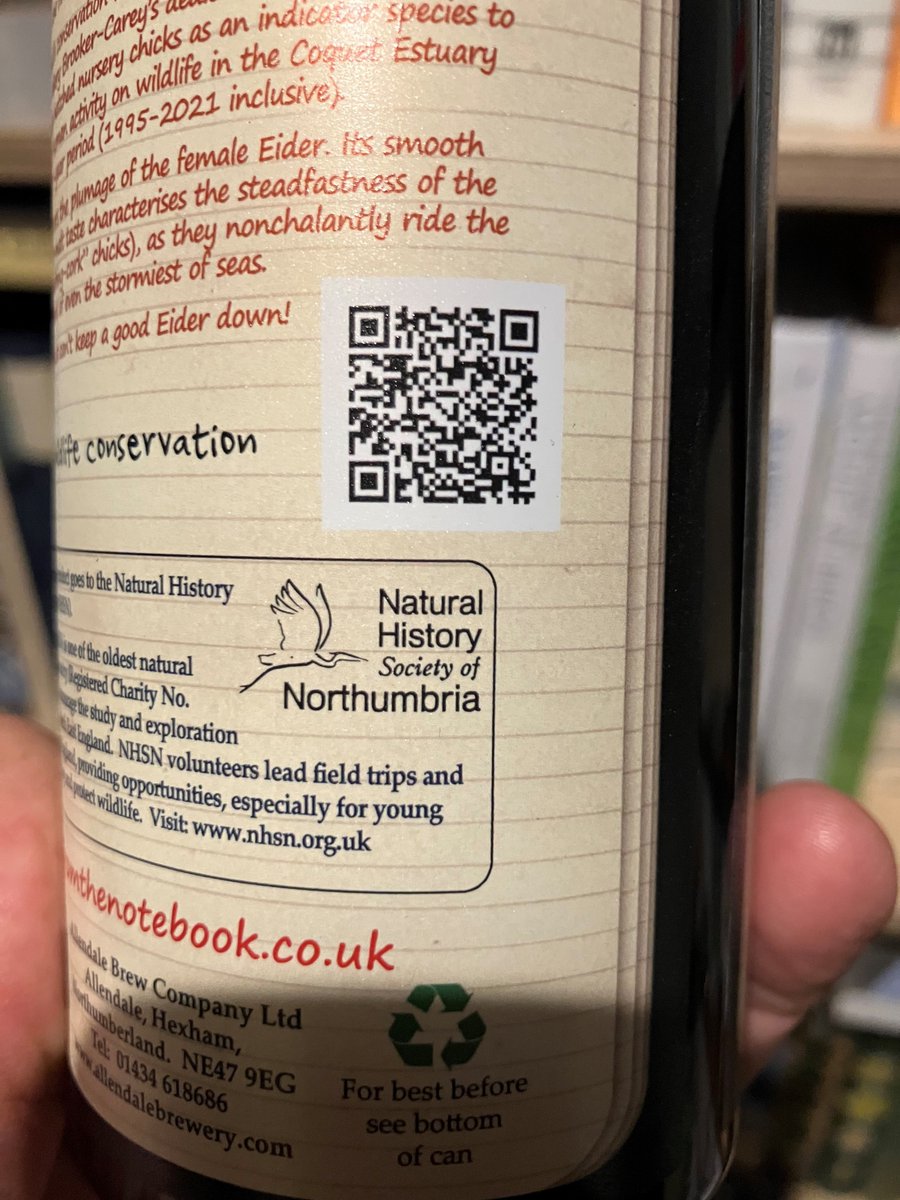
On a can of beer: a link to the results of Hilary Brooker-Carey’s 27-year study of Eider ducklings in the Coquet Estuary, Northumberland! #Eider#conservation
Geolocator #Arctic_Terns G65 and G40 paired in 2017 & 2018 https://t.co/1NPI9hh7tl. Arctics abandoned Inner Farne in 2021. With return of Rangers in 2022, and G65 and G40, also returned and raised a chick together.
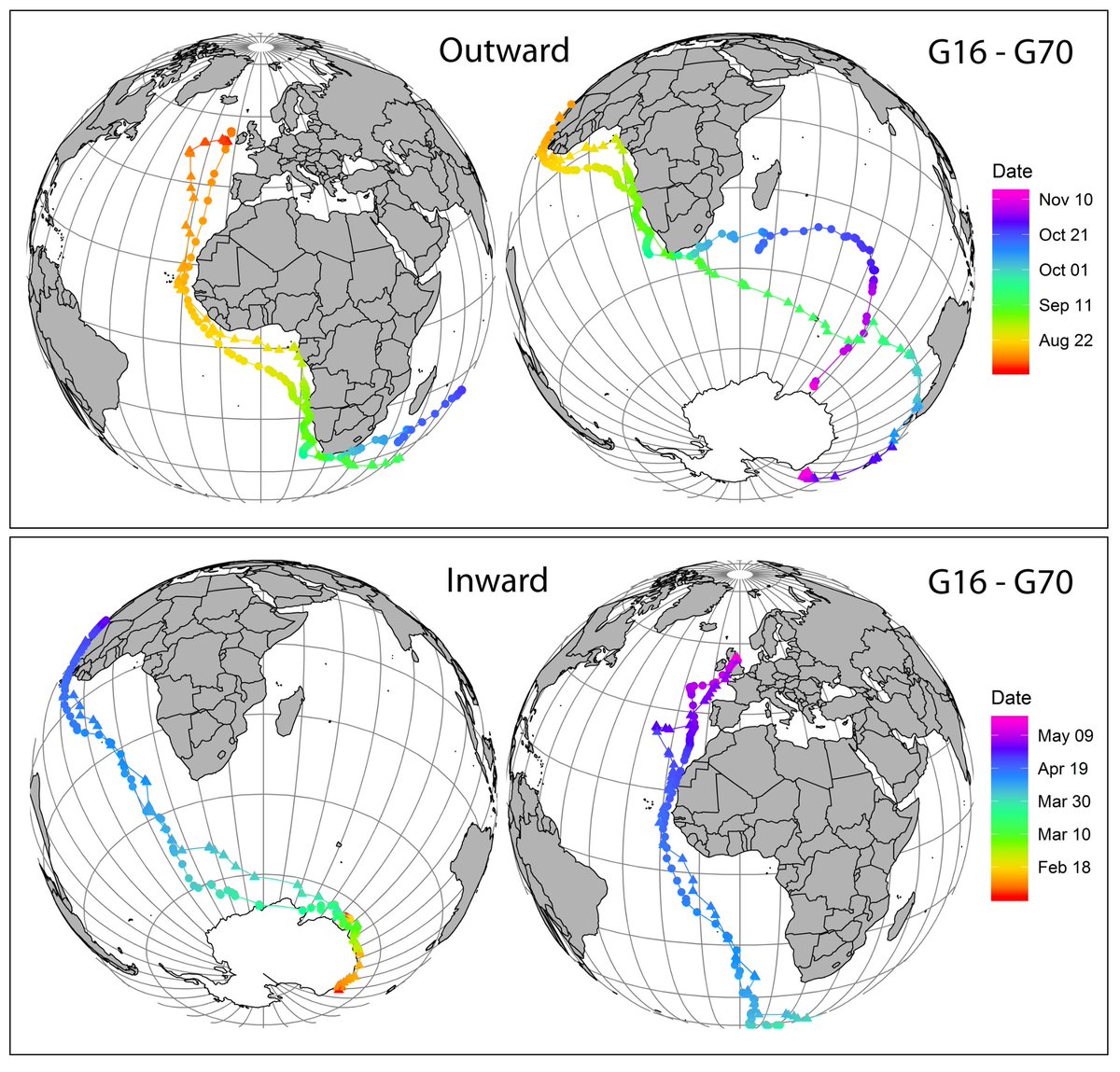
More results from geolocators on #FarneIslands#ArcticTerns:
https://t.co/xijMTpeIOr
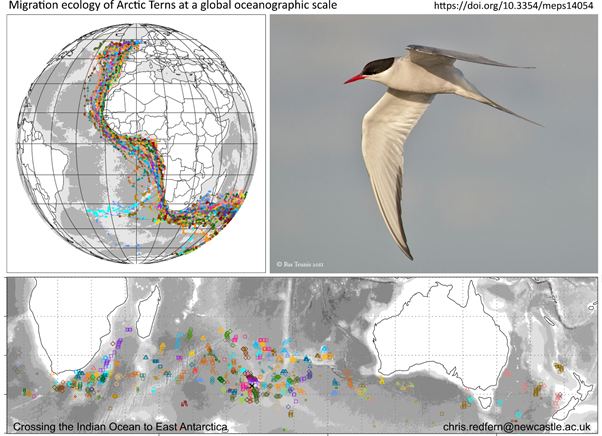
Their Indian Ocean traverse gives new insights into #SeabirdMigration ecology, and is a behaviour that may have been maintained since the last ice age. Pdf on email request.
@Linacreblogger @NTFarneIslands@NTBirdClub Looks like a Sandwich: pointed 'V' on covert borders (rather then 'U' on rosy), no sign of dark marginal coverts developing.
@SteelySeabirder@JTweedie Summary and map detail should be accessible here:
https://t.co/xuVuVQkiVW
Full details, but behind paywall, here:
https://t.co/FG6X1wvXbp
@Lophophanes Great sighting! Yellow-UFP: chick from Inner Farne 2015. Seen Senegal April 2019; https://t.co/fxyG2EJE8k July 2019; in colony on Coquet Island 10 May 2021.
Geolocator data for Roseate Terns just out in Ibis, open access: https://t.co/1rx2XooXHh
Cold-water upwellings support wintering groups in the Gulf of Guinea, and during migration via the Canary Current Large Marine Ecosystem
Toy #kite blown onto Coquet Island had Common Tern tightly #tangled by its wing in control line. Cord cut away & bird fortunately flew after 5 min recovery. #debris#beach