Same degree. Same CV. But does a Dalit surname mean fewer interview calls?
Sociologist Surinder S. Jodhka examines caste discrimination in India's elite institutions, IITs and corporate workplaces. From access to opportunities to recruitment practices, caste can continue to shape outcomes even when qualifications appear equal.
How much does merit determine success—and how much does social identity influence who gets the opportunity in the first place?
Follow Argumentative Indians and watch the conversation:
Instagram: https://t.co/ZZTMCY5ISH
YouTube: https://t.co/h8PQneFhPK
#CasteDiscrimination #DalitStudents #IIT #CorporateIndia #ArgumentativeIndians
"Police have to atone for the sins of politicians," says former DGP Prakash Singh.
When political dialogue breaks down and protests escalate, police officers are often left managing the consequences. They operate between competing political interests, public grievances and the responsibility to maintain law and order.
But political pressure cannot automatically justify the use of force. Where does institutional pressure end and individual accountability begin?
Can police officers remain impartial when the system itself places them between politics and the public?
Follow Argumentative Indians and watch the conversation:
Instagram: https://t.co/ZZTMCY5ISH
YouTube: https://t.co/h8PQneFhPK
#PoliceReforms #PoliceAccountability #Democracy #ProtestRights #ArgumentativeIndians
How did the Mandal Commission estimate that 52% of India's population belonged to OBC communities?
Sociologist Surinder S. Jodhka examines the evidence behind one of the most consequential estimates in India's reservation debate. As India prepares for a caste census, questions about the reliability of historical caste data become increasingly important.
How should historical estimates inform reservation policy today? And what role should reliable data play in shaping social justice?
Follow Argumentative Indians and watch the conversation:
Instagram: https://t.co/Yqnwknk2R8
YouTube: https://t.co/h8PQneFhPK
#MandalCommission #OBCReservation #CasteCensus #SocialJustice #ArgumentativeIndians
What happens when a politician or senior officer issues an instruction that violates the law?
Former DGP Prakash Singh argues that police officers have both the authority and responsibility to resist unlawful orders. He advises officers to insist on written instructions and formally object when an order remains illegal.
But refusing to comply can come at a cost—transfers, adverse assessments and professional consequences. Junior officers may also face prosecution for actions carried out under orders, while senior officials escape accountability.
In a system where careers depend on those in power, how realistic is it to expect officers to resist political pressure?
Follow Argumentative Indians and watch the conversation:
Instagram: https://t.co/ZZTMCY5ISH
YouTube: https://t.co/h8PQneFhPK
#PoliceReforms #RuleOfLaw #PoliceAccountability #Democracy #ArgumentativeIndians
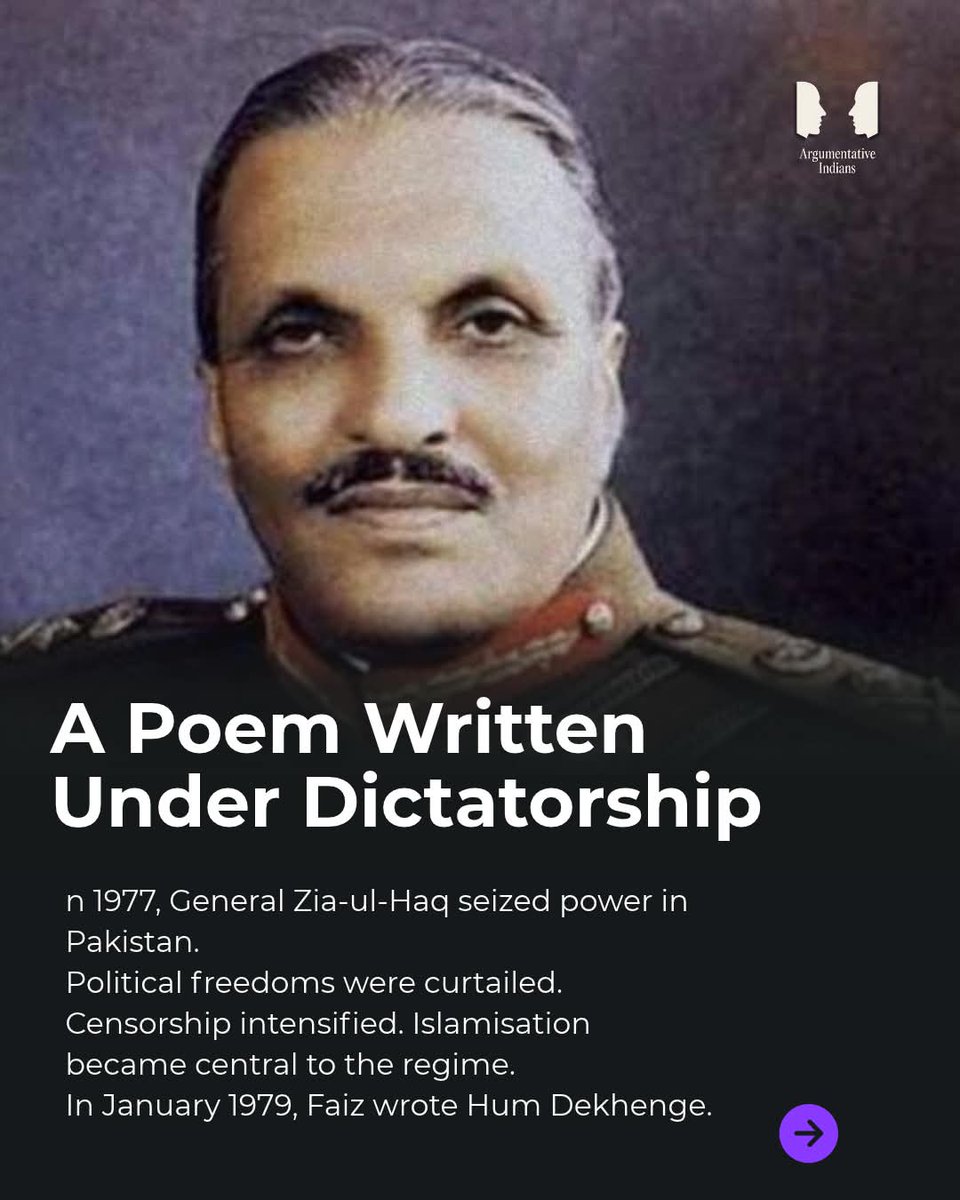
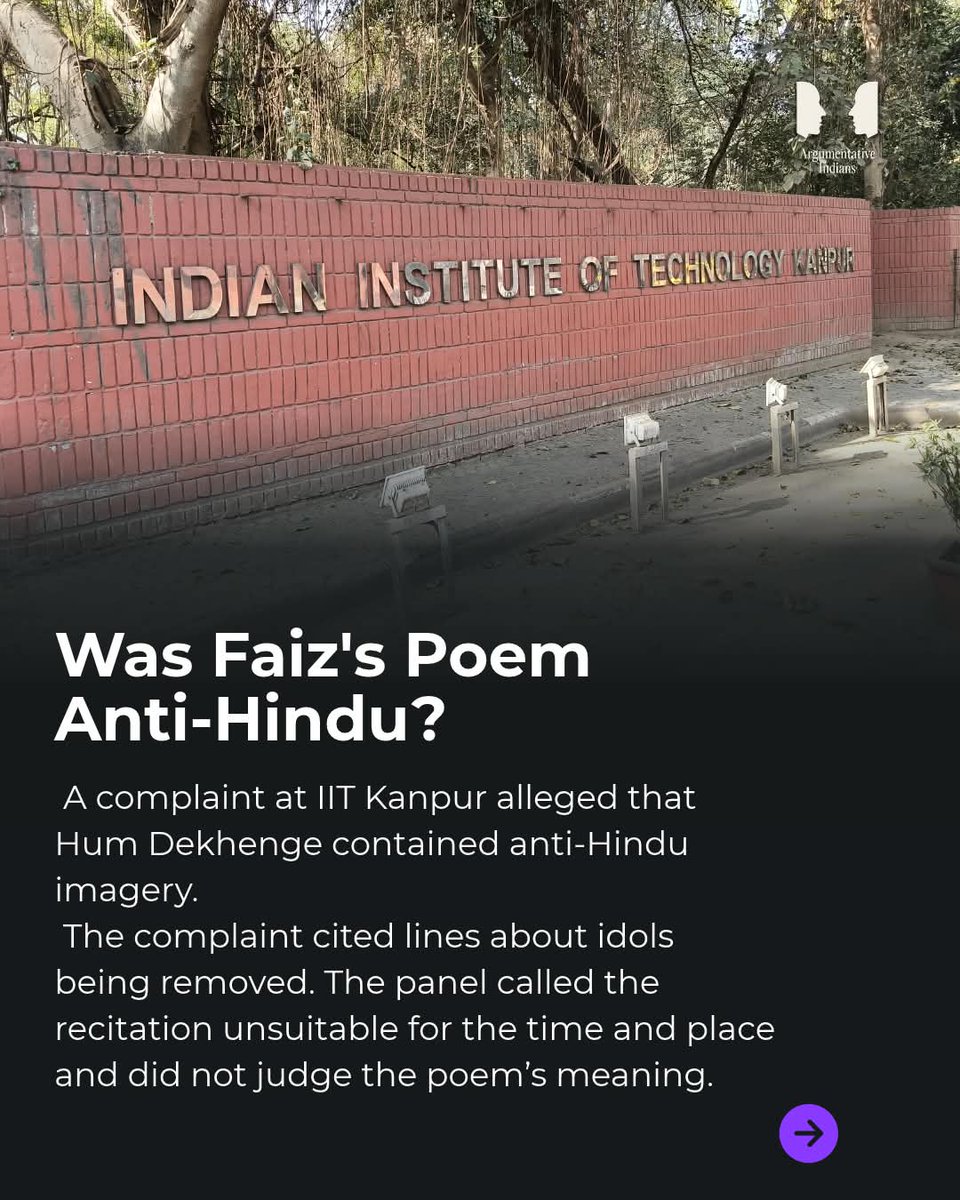
Written during military dictatorship in Pakistan, Hum Dekhenge became an anthem of resistance that travelled across borders. Faiz Ahmed Faiz wrote the poem in 1979. Iqbal Bano's legendary performance in 1986 gave it a new life.
On Faiz's death anniversary, we revisit the history, politics and contested legacy of a poem that continues to be sung at protests and movements across South Asia.
How does poetry become a language of resistance—and why do some verses outlive the regimes they challenge?
Follow Argumentative Indians:
Instagram: https://t.co/ZZTMCY5ISH
YouTube: https://t.co/22TE5dIQfw
#FaizAhmedFaiz #HumDekhenge #UrduPoetry #ProtestPoetry #ArgumentativeIndians
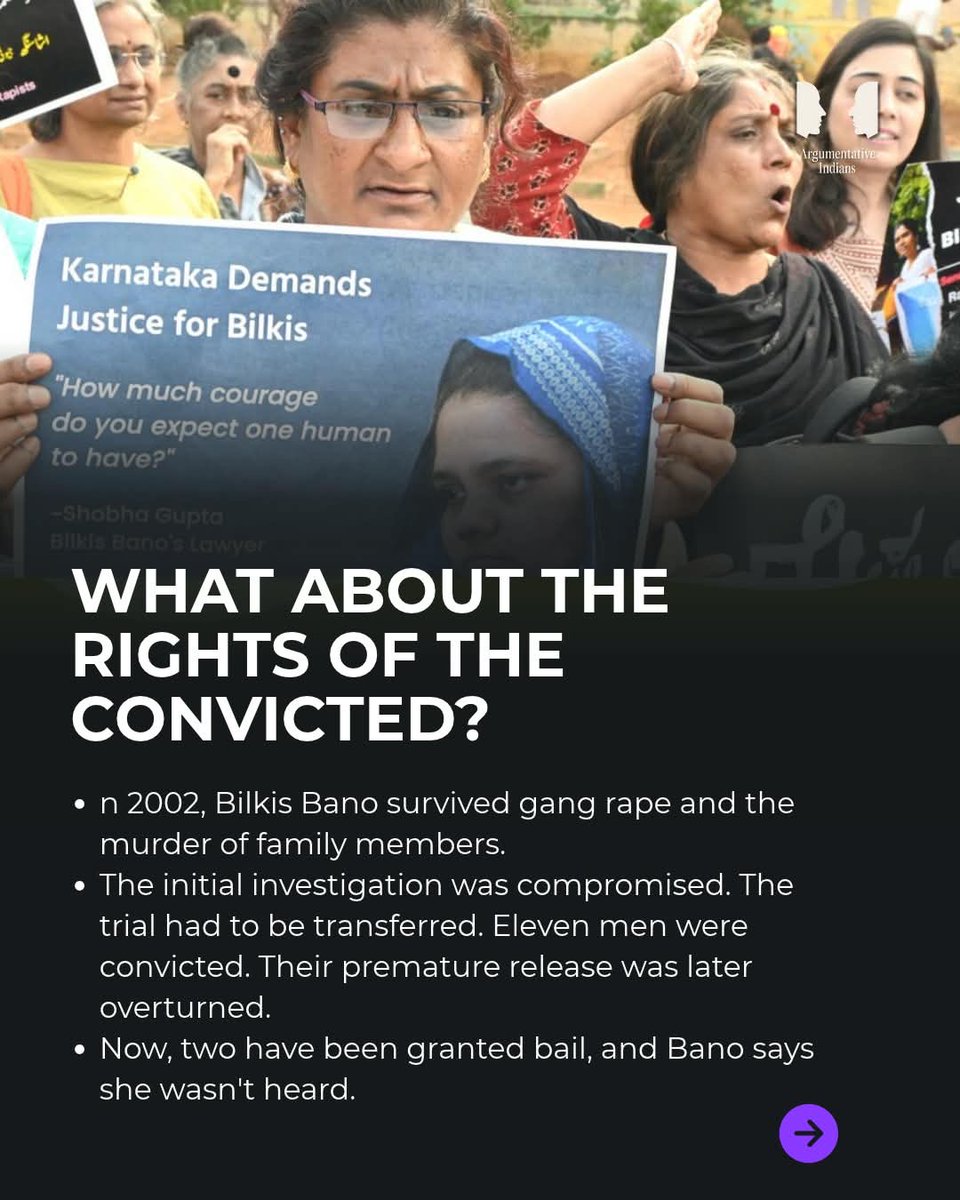
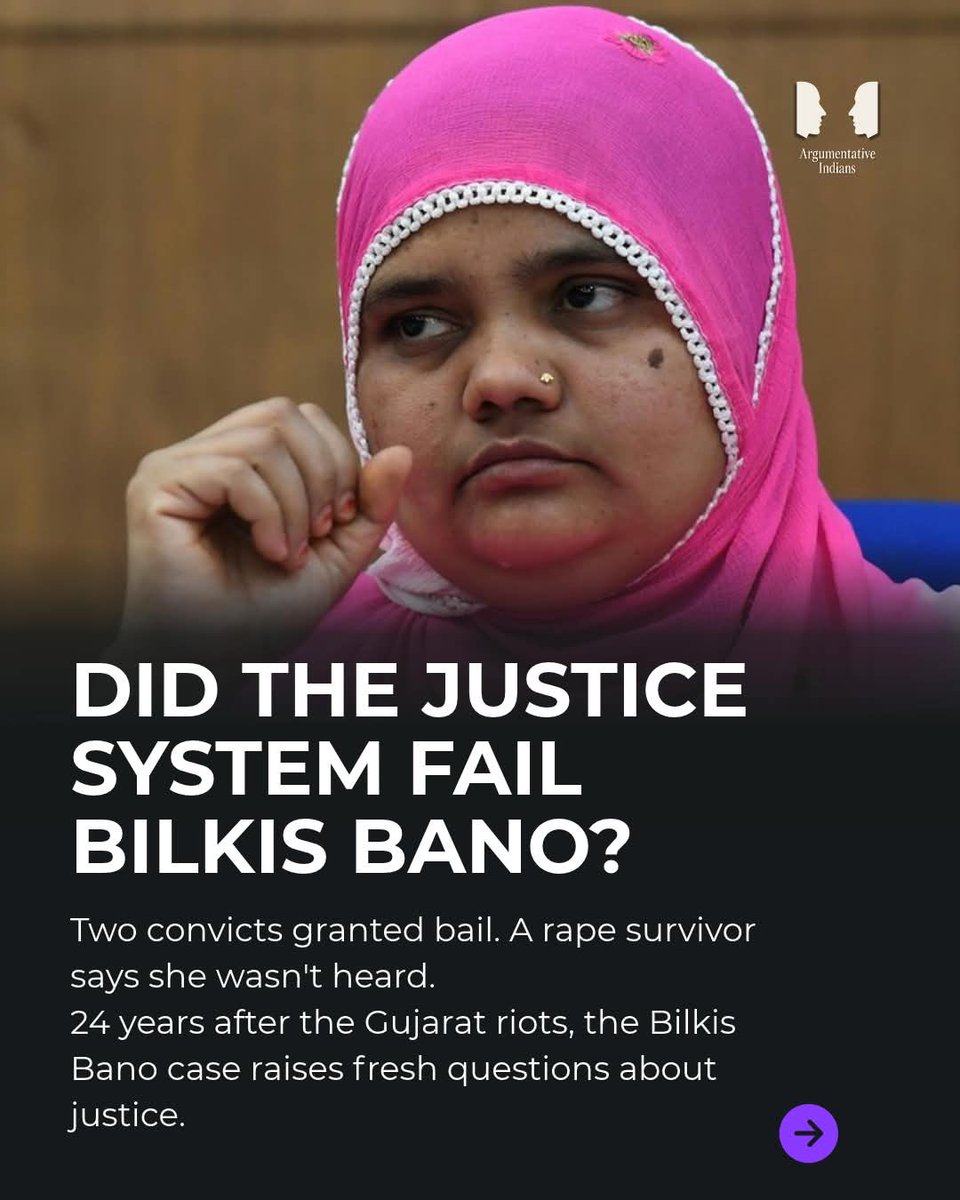
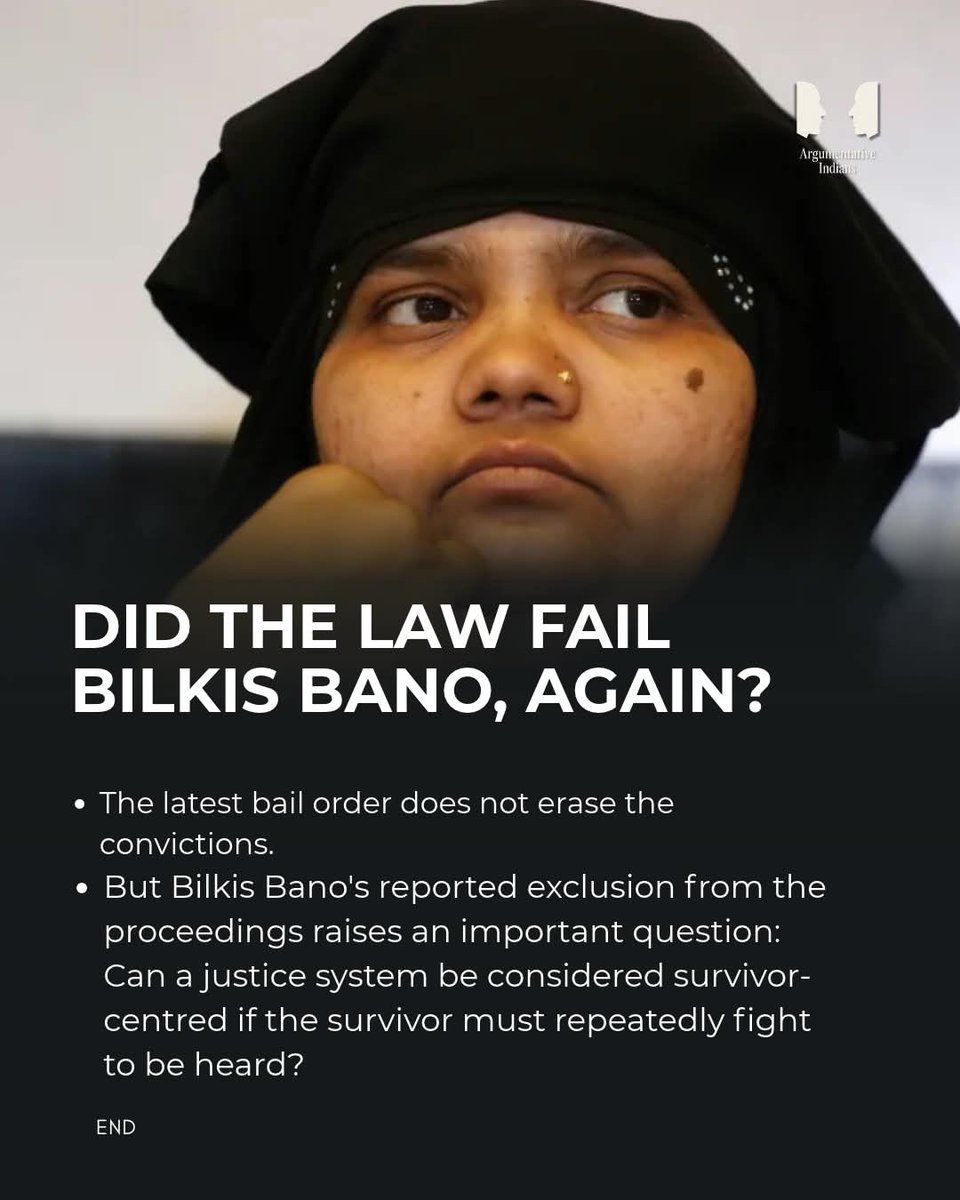
Did the justice system fail Bilkis Bano again?
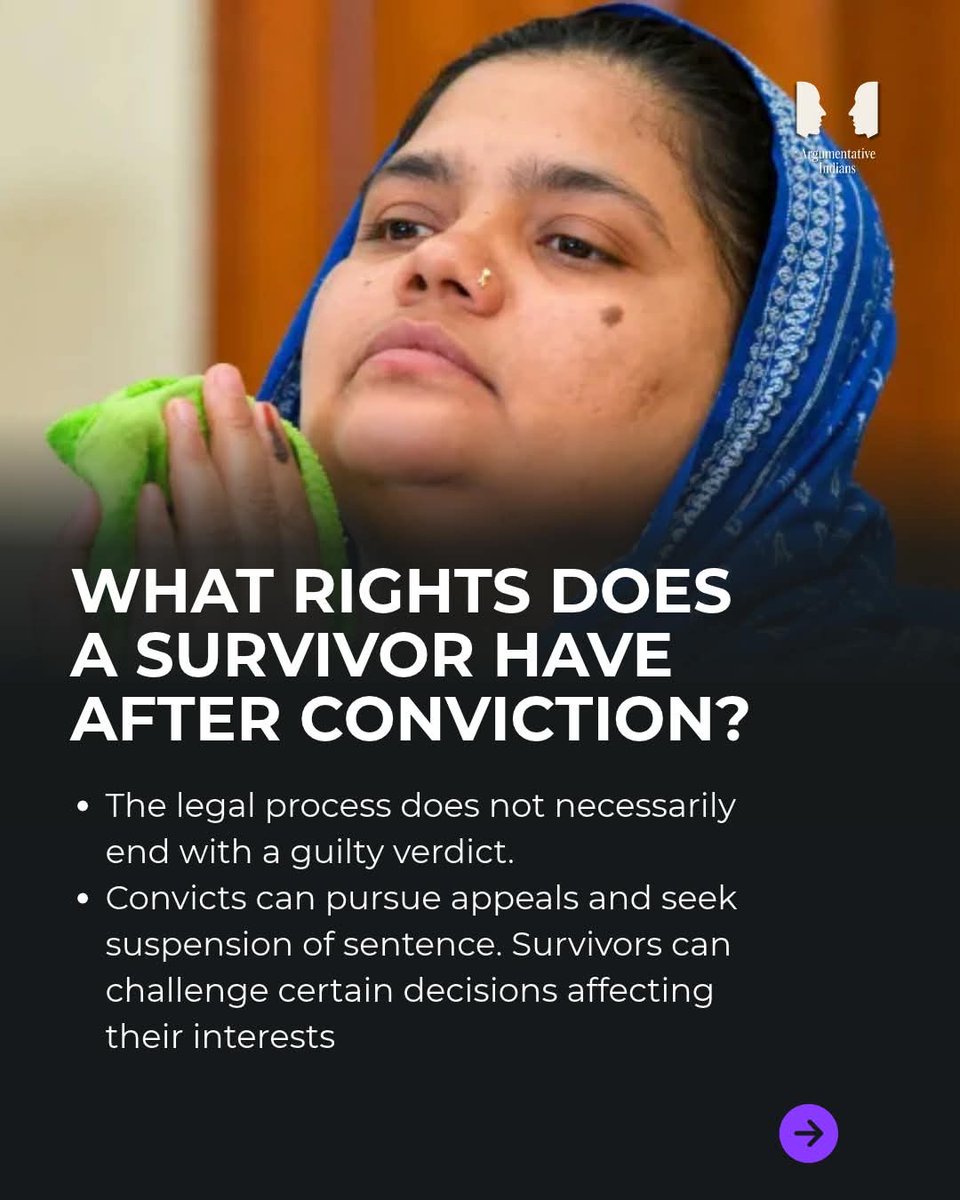
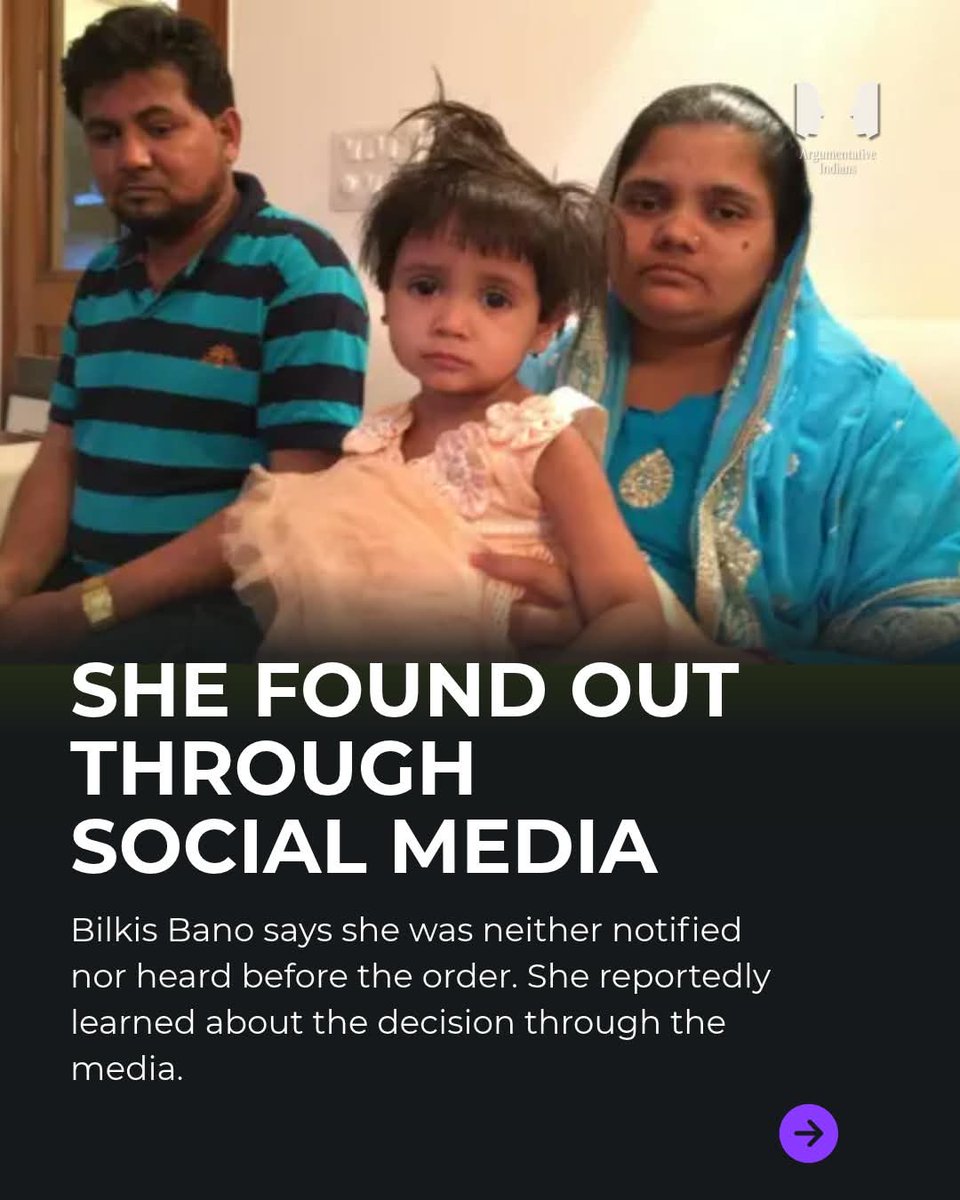
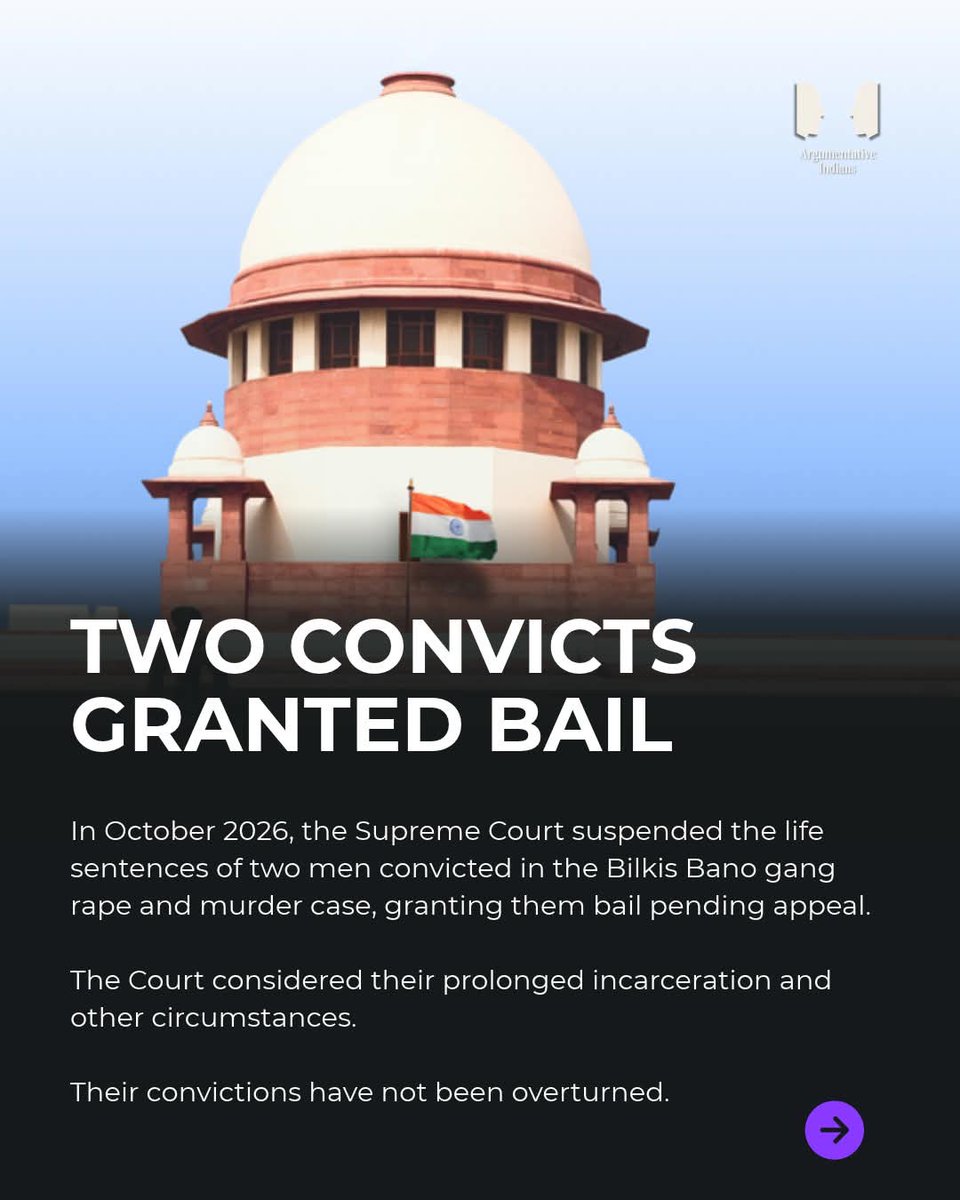
The Supreme Court has granted bail to two convicts in the 2002 Gujarat riots gang rape and murder case. Bilkis Bano says she wasn't heard, while her family has reportedly left Gujarat over safety concerns.
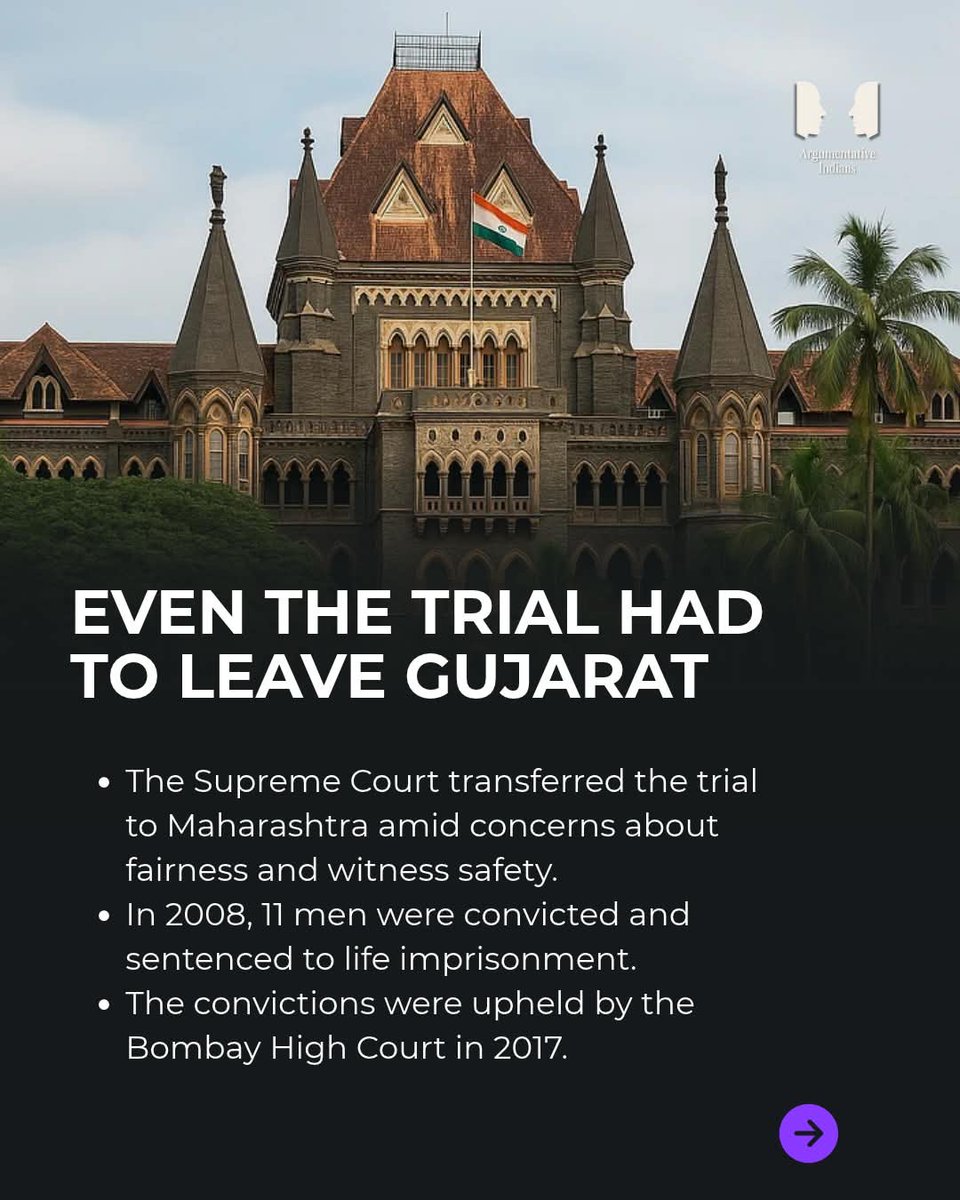
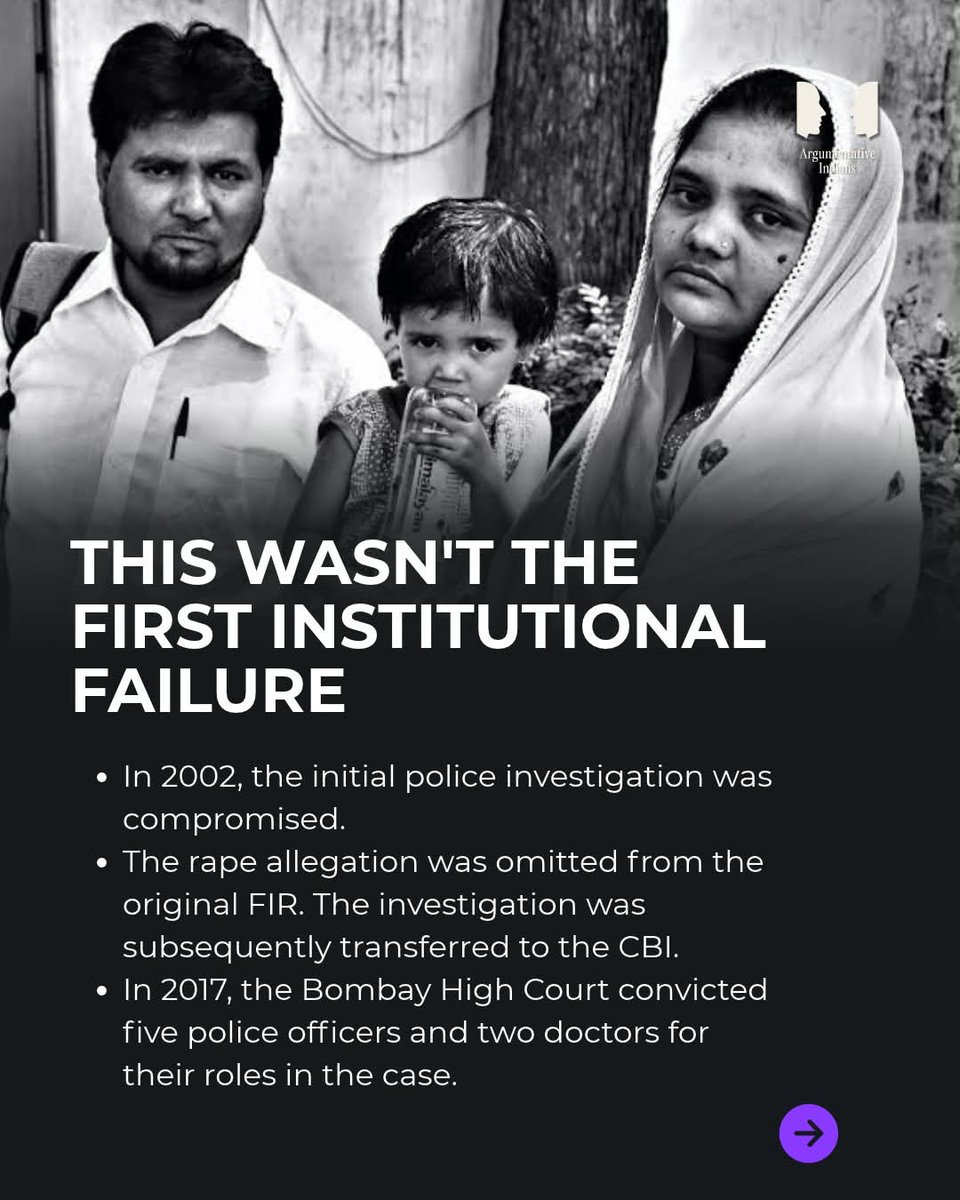
After a compromised investigation and the reversal of remission for 11 convicts, the case raises fresh questions about survivors' rights and judicial accountability.
A case that has already tested India's institutions now raises another difficult question: When survivors seek justice, are their voices being heard?
What does justice mean when the survivor continues to live with fear and uncertainty?
Follow Argumentative Indians:
Instagram: https://t.co/NSsDYs9yky
YouTube: https://t.co/h8PQneFhPK
#BilkisBano #SupremeCourt #GujaratRiots #Justice #SurvivorRights #JudicialAccountability #IndianJudiciary #ArgumentativeIndians
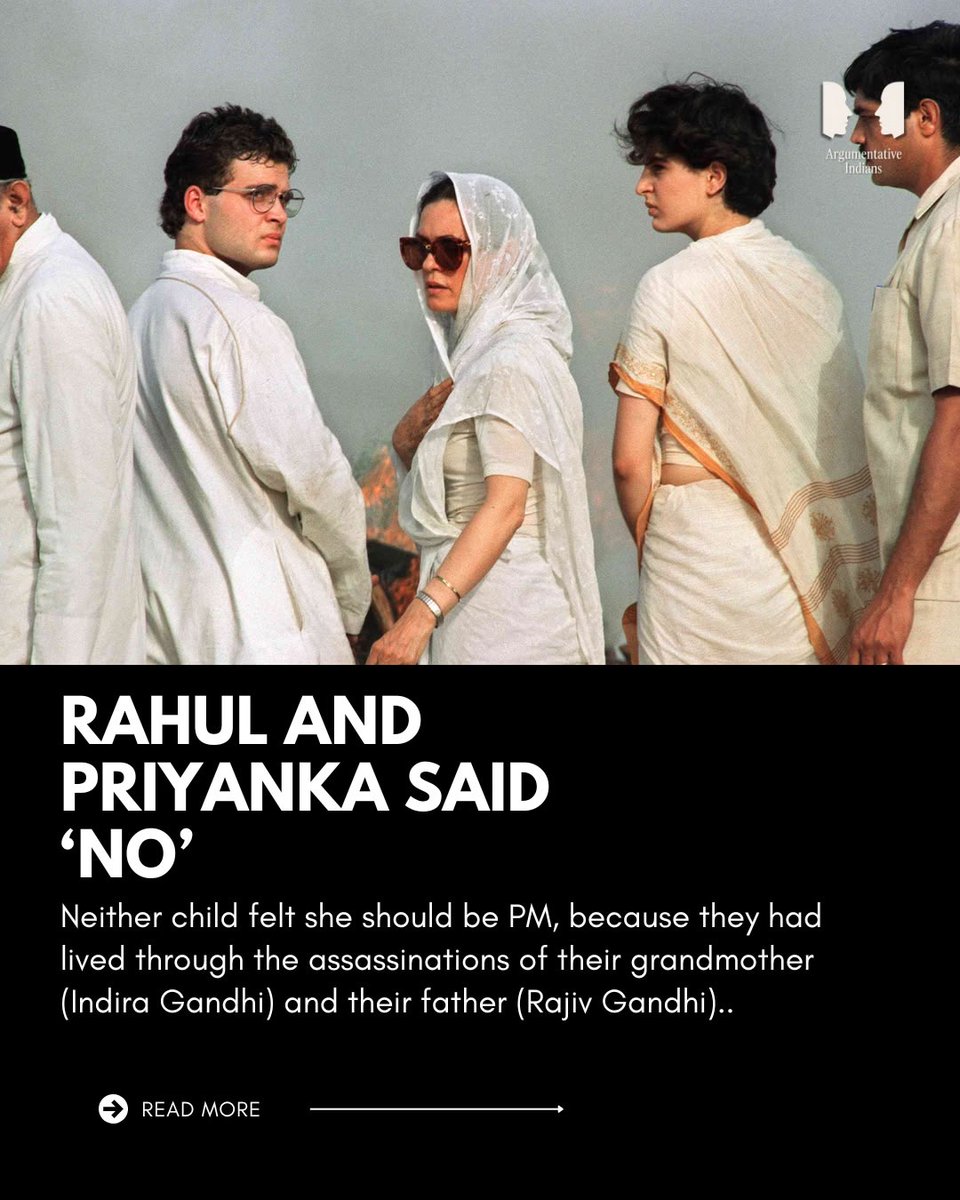
Why did Sonia Gandhi step away from the Prime Minister’s chair in 2004, when she had the numbers to become India’s next Prime Minister?
In her memoir Belonging, Sonia Gandhi revisits one of the most consequential political decisions of her career. She cites family opposition, personal reluctance and the trauma of two assassinations as factors behind her decision to step aside and nominate Manmohan Singh for the post.
But was it purely a personal choice? Or did political calculations, public perception and the demands of leadership also shape that decision?
Nearly two decades later, her refusal remains one of the most debated moments in contemporary Indian politics.
Was it duty, family protection or political strategy?
What do you think?
Source: Belonging: A Journey of Love
Follow Argumentative Indians:
Instagram: https://t.co/NSsDYs9yky
YouTube: https://t.co/h8PQneFhPK
#SoniaGandhi #ManmohanSingh #IndianPolitics #Congress #UPA #PoliticalHistory #ArgumentativeIndians
Why must Indians pay to see their own stolen heritage in British museums?
The return of the ancestral remains of 39 Naga people by Oxford University's Pitt Rivers Museum has renewed the debate over colonial-era collections, stolen Indian artefacts and the repatriation of cultural heritage.
For decades, British and other Western museums have held Indian sculptures, sacred idols, manuscripts and historical objects, many acquired during colonial rule. But who has the rightful claim to these objects?
“It's pitiable that I have to go to London to look at something that was stolen from my grandfather,” says heritage restitution advocate Anuraag Saxena, questioning why Indians must buy tickets to see their ancestral heritage while replicas are sold in museum gift shops.
Saxena argues that decolonising museums must go beyond questions of provenance, preservation and conservation standards. Sacred idols and ancestral objects were never simply museum exhibits. For many communities, they remain part of living religious traditions and cultural identity.
While museums raise concerns about legal ownership and preservation, Saxena believes the moral case for restitution must come first.
Should British museums return India's colonial-era artefacts? Who has the right to own, preserve and interpret a community's heritage?
Watch the whole conversation on:
YouTube: https://t.co/h8PQneFhPK
Follow Argumentative Indians:
Instagram: https://t.co/NSsDYs9yky
#IndianHeritage #StolenIndianArtefacts #ColonialPlunder #BritishMuseums #HeritageRestitution #CulturalHeritage #MuseumEthics #Repatriation
Was India’s religious history shaped by faith, political power, or both?
Were temples destroyed because of religious intolerance or political rivalry? Did Islam spread in India through conquest, Sufi influence, or a far more complex historical process? And was religious intolerance unknown to India before the arrival of Abrahamic religions?
In a compelling conversation with historian Prof. Richard M. Eaton, we examine some of the most contested questions in Indian history.
From Mahmud of Ghazni’s raid on Somnath and temple desecration under medieval rulers to the expansion of Islam in the Indian subcontinent, Prof. Eaton challenges popular historical narratives, distinguishes political motivations from religious ones, and asks what the evidence actually tells us.
Who controls India’s history? And how much of what we believe is supported by historical evidence?
A conversation that questions established assumptions without offering easy answers.
Watch the whole conversation on:
https://t.co/HGhNMK1och
https://t.co/mLK8hwGub1
Disclaimer: Views expressed by guests are their own and do not necessarily reflect Argumentative Indians.
Follow Argumentative Indians: Instagram: https://t.co/NSsDYs9yky
#IndianHistory #MedievalIndia #TempleDestruction #SomnathTemple #MahmudOfGhazni #DelhiSultanate #ReligiousConversion #Sufism #PersianateHistory
Were India’s tawaifs merely entertainers, or were they intellectuals who shaped Indian culture?
Bollywood films have often portrayed courtesans as sex workers. But historian and scholar Dr Ruth Vanita challenges this popular understanding of tawaif history in pre-colonial India.
She explains how courtesans were educated women who played an important role in Urdu poetry, classical music, Kathak, dance and the literary culture of cities like Lucknow.
Their kothas were not simply spaces of entertainment. They were also centres of artistic expression, intellectual exchange and friendships between men and women.
Vanita also discusses Begum Hazrat Mahal, a former courtesan who became a leader of the 1857 revolt against British rule in Lucknow.
Did Bollywood distort the history of India’s courtesans and reduce their cultural legacy to stereotypes?
Watch the whole conversation on:
https://t.co/HE2HEl7d7O
Disclaimer: Views expressed by guests are their own
and do not necessarily reflect Argumentative Indians.
Follow Argumentative Indians: Instagram: https://t.co/NSsDYs9yky
#IndianCourtesans #TawaifCulture #BegumHazratMahal #LucknowHistory #UrduPoetry #IndianClassicalMusic #WomenInIndianHistory
Why Are South Indian Artists Overlooked in Indian Modern Art History?
India’s modern art history is often dominated by Delhi, Mumbai and the Bombay Progressive Artists’ Group. But why has the Madras Art Movement, one of India’s most significant modern art movements, received comparatively little recognition?
Led by pioneering Indian modernist painter K.C.S. Paniker, the Madras Art Movement and Cholamandal Artists’ Village helped redefine Indian modern art by drawing inspiration from South Indian cultural traditions, indigenous symbols, temple art, Indian miniature paintings and regional artistic practices.
Yet, many influential South Indian artists remain underrepresented in India’s leading art galleries, auction houses and mainstream art history.
In this conversation with Argumentative Indians, renowned art historian Dr. Ashrafi Bhagat explains how the concentration of art galleries, collectors and critics in Delhi and Mumbai contributed to the limited visibility of South Indian modernist artists.
She highlights the work of Gopinath, an Indian abstract artist whose paintings draw inspiration from Madhubani art and Indian miniature painting traditions, yet whose contributions remain relatively unfamiliar to wider audiences.
The question goes beyond South Indian art. Who decides which artists become celebrated figures in Indian art history and which remain invisible?
Watch the whole conversation on:
https://t.co/qoKcmAYTWY
Follow Argumentative Indians: Instagram: https://t.co/NSsDYs9yky
#IndianArt #SouthIndianArt #MadrasArtMovement #KCSPaniker #CholamandalArtistsVillage #IndianModernArt #ArtHistory #IndianArtists
Is India's Art Market Still Colonised?
India's art market is booming. Indian artists are breaking auction records, and international collectors are paying crores for Indian artworks. Yet, why do folk and tribal artists remain on the margins of the mainstream art world?
Art historian Dr. Ashrafi Bhagat argues that a colonial mindset continues to shape India's art market. She questions why indigenous art traditions, including Gond art and other tribal and folk art forms, are often treated separately from mainstream contemporary art.
According to her, galleries and international collectors play a powerful role in determining which artists gain visibility, recognition and commercial success.
More than seven decades after independence, why does India's art world still struggle to recognise its own artistic traditions on equal terms?
Is this about artistic merit, market demand or a colonial hierarchy that never disappeared?
Watch the whole conversation on:
https://t.co/eOUJ0igk11
Disclaimer: Views expressed by guests are their own and do not necessarily reflect Argumentative Indians.
Follow Argumentative Indians:
Instagram: https://t.co/NSsDYs9yky
YouTube: https://t.co/h8PQneFhPK
#IndianArtMarket #IndianArtHistory #TribalArt #FolkArt #GondArt #IndigenousArt #ContemporaryIndianArt #WesternInfluence #ArtGallery
Why Did Indian Art Need Western Validation? And who decides what makes Indian art truly Indian?
Art historian Dr. Ashrafi Bhagat argues that Indian modernists faced an identity crisis in the 1960s. While Western artists were rarely expected to prove their cultural authenticity, Indian artists had to establish theirs to gain recognition in the international art world.
Even India's traditions of abstraction, she argues, needed Western validation before being recognised as modern art.
Why was Indian art expected to prove its identity when Western art was not?
In this conversation with Argumentative Indians, Dr. Bhagat examines the colonial legacy of Indian modernism and the struggle for artistic identity.
Watch the whole conversation on:
https://t.co/eOUJ0igk11
Disclaimer: Views expressed by guests are their own and do not necessarily reflect Argumentative Indians.
Follow Argumentative Indians:
Instagram: https://t.co/NSsDYs9yky
YouTube: https://t.co/h8PQneFhPK
#IndianModernArt #WesternValidation #ColonialLegacy #IndianArtHistory #NeoTantricArt #CulturalIdentity #PostcolonialIndia
Did British colonial rule make Indian society more conservative?
Historian and dastangoi artist Mehmood Farooqui argues that 19th-century India witnessed a shift in attitudes towards sexuality, gender and social identity as Victorian morality increasingly influenced Indian society.
He suggests that women historically enjoyed freedoms in certain contexts that were subsequently restricted, while ideas about religion, language and national identity became more rigid.
But was colonial rule solely responsible for this transformation, or were Indian social reform movements also shaping these changes?
Disclaimer: Views expressed by guests are their own and do not necessarily reflect Argumentative Indians.
Watch the whole conversation on:
https://t.co/TGZnJyREBF
Follow Argumentative Indians:
https://t.co/NSsDYs9yky
#BritishColonialism #VictorianMorality #IndianHistory #WomensRightsInIndia #GenderAndSexuality #IndianSociety
Did the rise of modern Hindi come at the expense of India's regional languages?
Historian and dastangoi artist Mehmood Farooqui argues that the standardisation and growing dominance of Hindi marginalised older literary traditions, including Bhojpuri, Maithili, Magahi and Braj.
These languages have rich histories, distinctive expressions and centuries of poetry. Yet many have struggled for recognition alongside standard Hindi.
Farooqui raises a larger question: When one language becomes dominant through education, administration and media, what happens to the others?
Is linguistic unity coming at the cost of India's linguistic diversity?
Disclaimer: Views expressed by guests are their own and do not necessarily reflect Argumentative Indians.
Watch the whole conversation on:
https://t.co/TGZnJyREBF
Follow Argumentative Indians:
Instagram: https://t.co/NSsDYs9yky
#HindiLanguage #Bhojpuri #Maithili #Magahi #BrajBhasha #IndianRegionalLanguages #LanguagePolitics #HindiNationalism #LinguisticDiversity
Was modern Hindi deliberately shaped to distinguish it from Urdu?
Historian and dastangoi artist Mehmood Farooqui argues that the Hindi–Urdu divide was not simply linguistic. In the 19th century, language became increasingly tied to religious and political identity, with efforts to replace Persian-Arabic vocabulary with Sanskrit-derived words in standard Hindi.
But how different were Hindi and Urdu before this?
Watch the whole conversation on:
https://t.co/ngs4BLNyMG
Disclaimer: Views expressed by guests are their own and do not necessarily reflect Argumentative Indians.
Follow Argumentative Indians:
https://t.co/NSsDYs9yky
#HindiUrduControversy #HindiLanguageHistory #UrduLanguage #BritishIndia #LanguagePolitics #IndianHistory
Did the British bring homophobia to India, rather than homosexuality?
Historian and scholar Dr. Ruth Vanita challenges the popular belief that same-sex love was alien to Indian society.
Drawing on historical literature, she explains how same-sex desire was openly discussed in parts of Indian literary culture during the 18th and early 19th centuries, before attitudes hardened under British colonial influence and changing Indian social norms.
But how did a society that once wrote openly about same-sex love come to treat it as something unspeakable?
Watch the whole conversation on:
https://t.co/rB3e3LmxLg
Disclaimer: Views expressed by guests are their own and do not necessarily reflect Argumentative Indians.
Follow Argumentative Indians:
Instagram: https://t.co/NSsDYs9yky
#IndianHistory #BritishColonialism #Homophobia #SameSexLove #LGBTQHistoryIndia #ColonialMorality #GenderAndSexuality
Did the British make India sexually conservative?
Historian Ruth Vanita explains how Victorian morality reshaped Indian attitudes towards sex and sexuality after 1857.
But it wasn’t just the British. Indian reformers and nationalists also embraced these ideas, marginalising courtesan culture, same-sex expression and erotic poetry.
Did colonialism change how Indians viewed their own culture?
Watch Ruth Vanita on Argumentative Indians. Full episode on YouTube soon.
Disclaimer: Views expressed by guests are their own and do not necessarily reflect Argumentative Indians
YouTube: https://t.co/h8PQneFhPK
Instagram: https://t.co/ZZTMCY5ISH
#BritishColonialism #VictorianMorality #IndianSexualHistory #QueerHistory #RuthVanita #Section377 #UrduPoetry #Rekhti #CourtesanCulture #IndianHistory #SocialReform
Can undermining democracy and denying autonomy fuel political unrest?
Former Chief Election Commissioner S. Y. Quraishi argues that genuine democracy strengthens national unity rather than threatening it.
Citing Kashmir, he links the erosion of democratic processes and allegations of electoral rigging, particularly in the 1987 Assembly elections, to the unrest that followed. He also points to subsequent elections as examples of how democratic participation can help restore political confidence.
He questions why extraordinary powers, such as those under the Armed Forces (Special Powers) Act (AFSPA), are often retained even when the circumstances used to justify them have changed.
His larger argument: demands for greater state autonomy should not automatically be viewed as threats to national unity. Undermining democratic institutions, he argues, risks deepening political unrest and weakening India’s federal structure.
Watch the whole conversation from the Argumentative Indians archives on YouTube.
Disclaimer: Views expressed by guests are their own and do not necessarily reflect Argumentative Indians.
YouTube: https://t.co/h8PQneFhPK
Instagram: https://t.co/ZZTMCY5ISH
#IndianFederalism #Kashmir #SYQuraishi #KashmirElections #ElectoralIntegrity #Democracy #StateAutonomy #AFSPA #ElectionCommission #PoliticalUnrest #Federalism