For people living with COPD, an individualized care plan can make a difference. Medication review, vaccination, pulmonary rehabilitation when appropriate, avoiding smoke exposure, and regular follow-up are important topics to discuss with your patients.
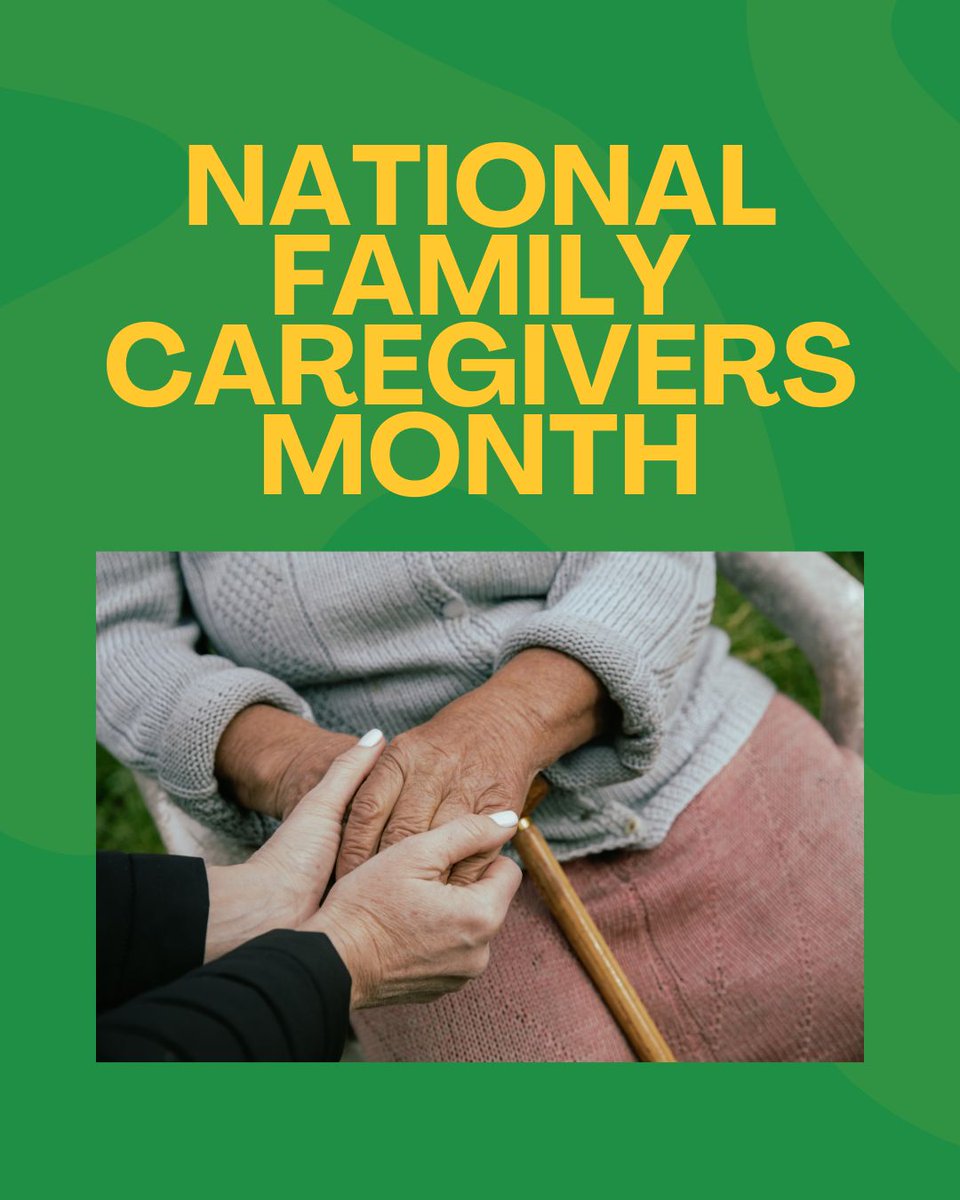
Family caregivers play an essential role in supporting loved ones with chronic and complex health needs. This month, recognize their contributions and remind caregivers that their own health matters, too. Physicians can help connect caregivers with resources and support.
November is Lung Cancer Awareness Month. Encourage patients to discuss their smoking history, risk factors, and screening eligibility with their physician. The ACP Online Learning Center for Lung Cancer is a great resource for our members. https://t.co/Xwj5b46IJB
Kindness matters in healthcare. A thoughtful conversation, a moment of listening, or a supportive gesture can make a meaningful difference for patients, families, and colleagues. Today, and every day, let’s lead with compassion.
This Veterans Day, we honor those who have served. We recognize our veteran members and veterans in our communities. Thank you for your service and commitment.
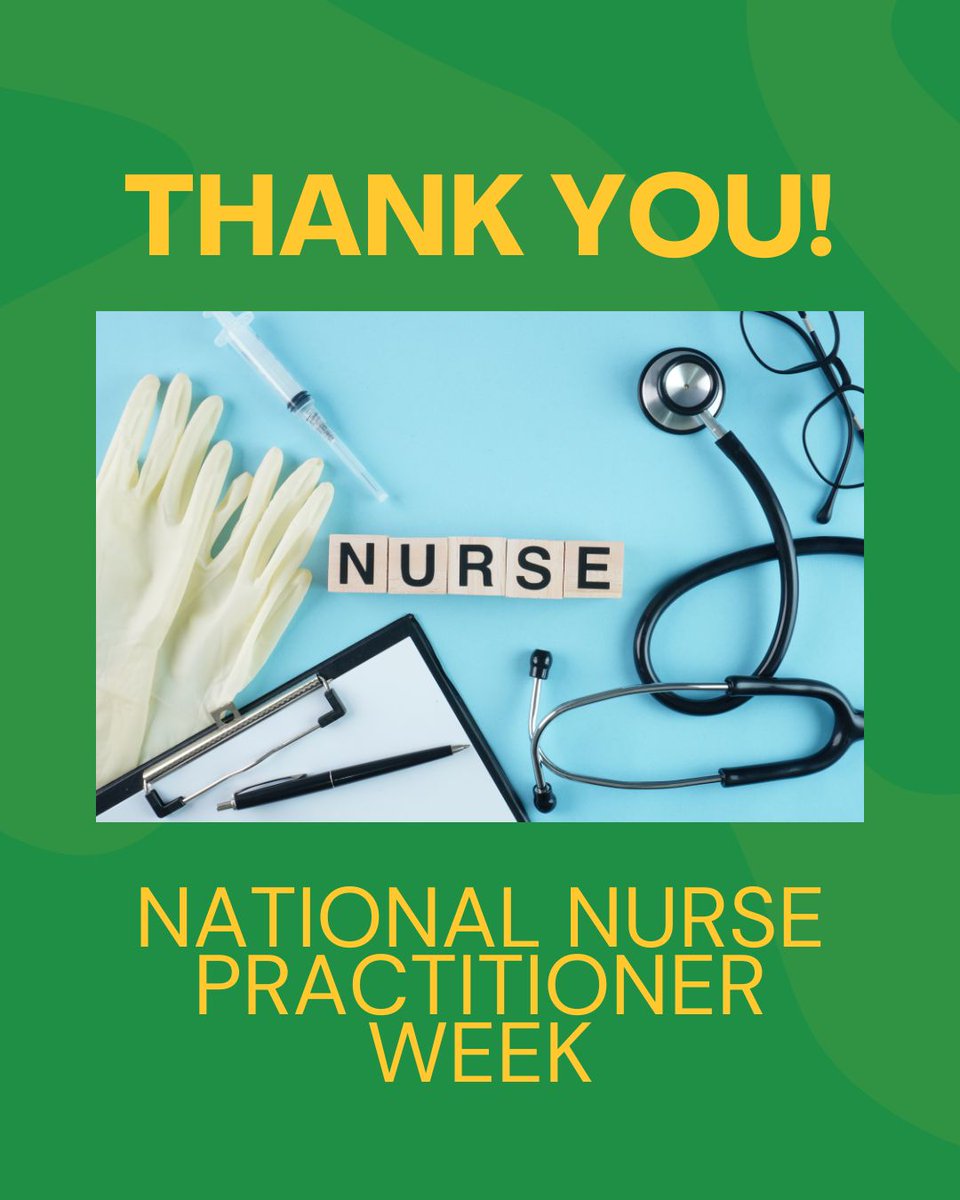
During National Nurse Practitioner Week, we recognize nurse practitioners & the important role they play on healthcare teams. Thank you to our Non-Physician Affiliate Members who collaborate with physicians & colleagues to support patients & families. https://t.co/whRC6oI3nC
November is American Diabetes Awareness Month. Understanding blood glucose and A1C results can help patients & physicians make informed decisions about prevention & management. Encourage patients to discuss their goals and questions at their appointment. https://t.co/bJUtvy6RM0
November shines a spotlight on diabetes and lung health. This month, we’re sharing reminders about diabetes prevention and management, COPD, lung cancer awareness, and the important role family caregivers play in supporting health. Follow along for practical information!
Stress can affect sleep, mood, and overall health—and it can make managing chronic conditions more challenging. On National Stress Awareness Day, we encourage our members to look at our Physician Wellbeing information and take care of yourself! https://t.co/xFe1Kmodsf
October brought reminders about healthy aging, fall prevention, health literacy, mental health, breast cancer awareness, and the importance of compassionate, evidence-based care. Thank you for following along!
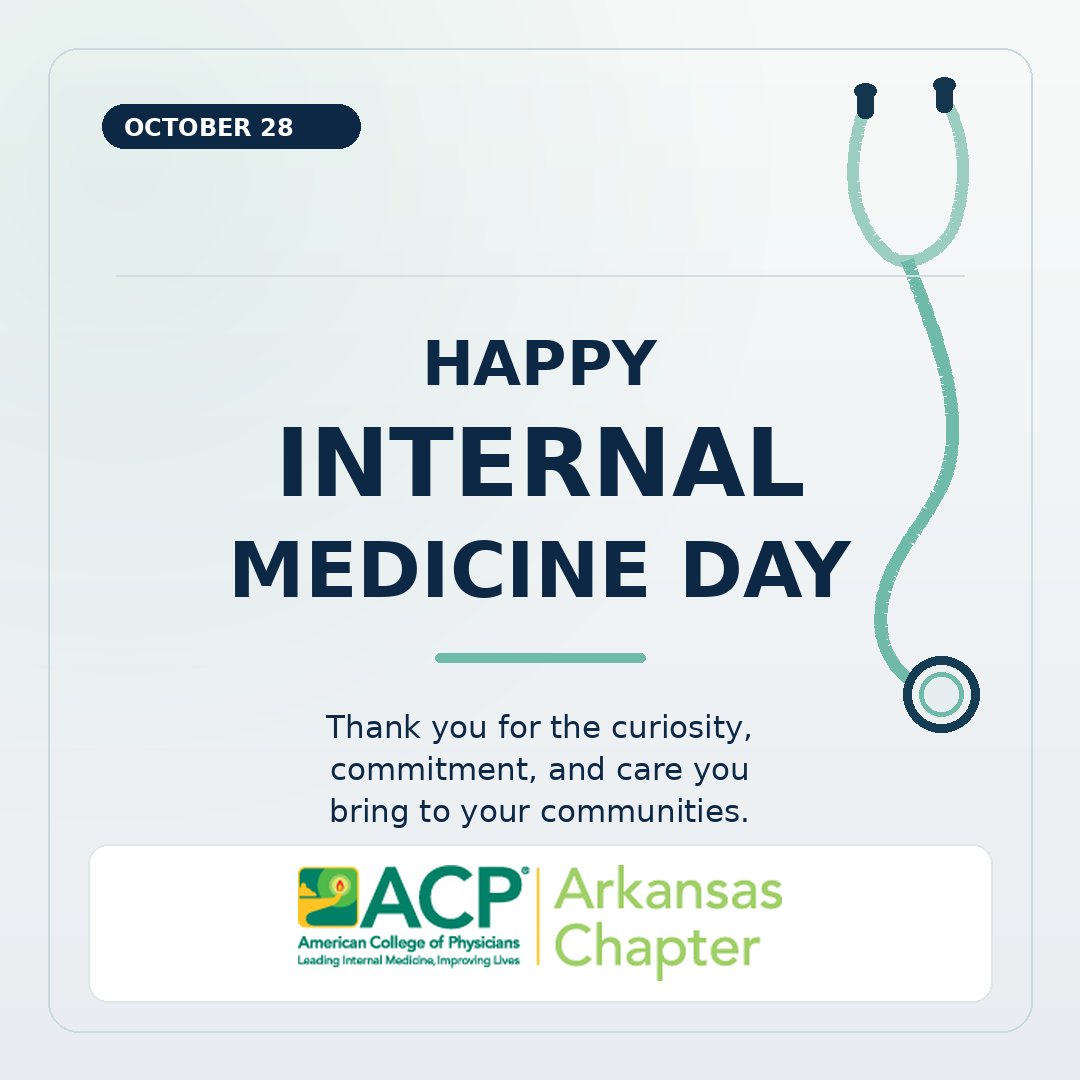
🎉 Happy Internal Medicine Day! 🎉
Today, we celebrate all the incredible IM physicians who dedicate themselves to patient care, lifelong learning, teaching, and advancing the practice of medicine. 🩺💙
#InternalMedicineDay#ACP#IMProud
Breast cancer risk can be influenced by personal and family history and other factors. Encourage patients to talk with their physician about their individual risk and what screening schedule is appropriate for them.
Evidence-based healthcare brings together the best available evidence, clinical expertise, and each patient’s needs, values, and circumstances. Internal Medicine physicians use evidence to guide thoughtful decisions while keeping the individual patient at the center of care.
Healthy aging includes emotional & social well-being. Remind patients & families to pay attention to persistent changes in mood, sleep, social connection, or interest in usual activities. A conversation with a physician can help identify concerns & connect patients with support.
As we age, medication lists can change. Remind patients to keep an updated list of prescriptions, over-the-counter medicines, and supplements—and to review that list regularly with their physician. Medication review is an important part of safe, coordinated care.
Falls are not an inevitable part of aging. Remind patients simple ways to reduce fall risk: review medications with a physician, improve lighting, remove trip hazards, stay active, & talk about balance concerns. Prevention helps support independence. https://t.co/1299ScUq4X
October is Breast Cancer Awareness Month. Remind patients to stay up to date with age- and risk-appropriate screening and to talk with their physician about personal and family history. Prevention and early detection begin with conversations and appropriate screening.
Clean hands remain one of the simplest ways to help prevent the spread of infection. On Global Handwashing Day, share the basics: use soap and clean running water, scrub all surfaces of the hands, and wash for at least 20 seconds.
Clear communication is essential to safe, high-quality care. During Health Literacy Month, small communication changes can make health information easier to understand and use. https://t.co/0X1cn9C9nH