With the monsoons finally washing out the terrible heat, Instagram is filled with "movie suggestions for rainy days". They reminded me of two more films that I particularly enjoy watching when it rains: Kaun? (1999) and Bhoot (2003), gems directed by @RGVzoomin (1/21)
On this day in 1944 "Casablanca" was awarded three Academy Awards including "Best Picture"... the film has more than stood the test of time, and is frequently near, or at the top of most lists as the best and most beloved films of all time.
Is it one of your favorites?
Jafar Panahi is going to prison for his latest film It Was Just An Accident. I want you to remember that fact when you hear so called “artists” at #Berlinale regurgitate the company line that cinema isn’t political. It is. It always has been. That’s part of the essence of art.
Francis Ford Coppola discusses how he ended up making The Godfather (1972):
"There's a story I love to tell about this movie, because it's a true story. It's really sort of uncanny. All my film school buddies and I had moved to San Francisco to try to be independent. We wanted to make personal films more like those art films in the '50s, like The European. I had a young, oh, call him a protégé, a guy named George Lucas. He was five years younger than me and was a film student. I was the only one who had any money because I had had a successful screenwriting career for about three years. I had a house. I had a summer house. I had a Jaguar. I had a couple of bucks.
I sold everything to put together this little bit of money, and we moved to San Francisco. We started an independent company, which we called American Zoetrope. One Sunday, I got a call from a guy named Al Ruddy and his partner named Gray Frederickson. These guys said, "We're up here making a film with Robert Redford called Little Fauss and Big Halsy and we want to come see you." The Sunday Times had just come and, as I was looking through it before they got to my house, I noticed a little ad in the book review. It was this stark hand and strings of a puppeteer and it said "Mario Puzo's The Godfather." I was drawn to it because I thought that sounds like some intellectual Italian writer, Mario Puzo. It was maybe like another Italo Calvino.
I was looking at the ad and wondering, who is this Mario Puzo? Is that an Italian writer? I had no idea. The book looked like it was about power. I was attracted to it. While I'm looking at it, the doorbell rings and these two guys who were making the Redford film come in.
I was trying to make a movie at that time, a more personal film called The Conversation. I had sent the script to Marlon Brando, whom I didn't know at all. But I greatly admired and looked up to him. I'm looking at The Godfather ad, and I'm talking to these two guys who are making a film with Redford, and the phone rings. I answer the phone, and it's Marlon Brando.
I hear the voice. I recognize it. He said [mimicking Brando's voice], "This is Marlon Brando." I said, "Gee, Mr. Brando," "I read your script," he says. "I think it's very good. It's not for me." And I said, "I thought it could be an interesting character, you're a wiretapper." "You know, I thought it was good, but it's just that I'm not interested." I hung up the phone and I said, "My God! That was Marlon Brando."
It's very interesting that on that same day, without anyone knowing it, that Al Ruddy and Gray Frederickson would later be given this Godfather book, become the producers, and make the film. I had noted the ad for the book. And while Ruddy and Frederickson were in my house, Marlon Brando called me up. What a kind of cosmic thing is that, that on that one day all the pieces that were later to become The Godfather, came together. No one knew it. Brando didn't know he was going to be in it, Ruddy didn't know he was going to do it, I didn't know I was going to do it. They all came together on that same day.
A few months later, we're broke. We're so broke, the sheriff is going to chain up our offices because we haven't paid taxes. George Lucas is a worrywart. He's saying, "Francis, we gotta make some money. Whatta we gonna do?"
For some reason, Paramount offers me the opportunity to direct this book The Godfather, and they say Al Ruddy is going to produce it. And I said, "Wow," and George is saying, "Do it." I said, "But, I wanna do The Conversation." He says, "Well, we gotta get some money.""
— "The Godfather Speaks", Francis Ford Coppola interviewed by Marvin R. Shanken (Cigar Aficionado, 2003)
Hayao Miyazaki on Seven Samurai (1954) and his contrasting historical vision of Japan in Princess Mononoke (1997):
"I love director Akira Kurosawa's Seven Samurai. Even though I love it, the Japan that he depicts in that film is not the real Japan. My perception of Japanese history is different. That is why I felt I needed to make my own period drama with historical Japan as the setting, and why I worked hard at it. The samurai who appear in Seven Samurai are modeled on the Russian intelligentsia and also on the many laborers who were in dire straits after Japan lost the Pacific War. In historical Japan there were no such samurai and peasants. In fact, peasants were samurai in many cases. They all carried weapons. To Japanese who had lost the war, Seven Samurai had an intense reality. But now, as the twentieth century is about to draw to a close, I thought it would be a mistake to use the same model in making a film set in historical Japan. Director Akira Kurosawa’s film is so powerful it cast a spell that everyone has fallen under, giving us a strong impression that it is true to Japanese history. It took me a long time to break that spell."
— "Forty-four Questions on Princess Mononoke for Director Hayao Miyazaki from International Journalists at the Berlin International Film Festival", published in Turning Point: 1997-2008 by Hayao Miyazaki, (English edition, 2014; translated by Beth Cary and Frederik L. Schodt)
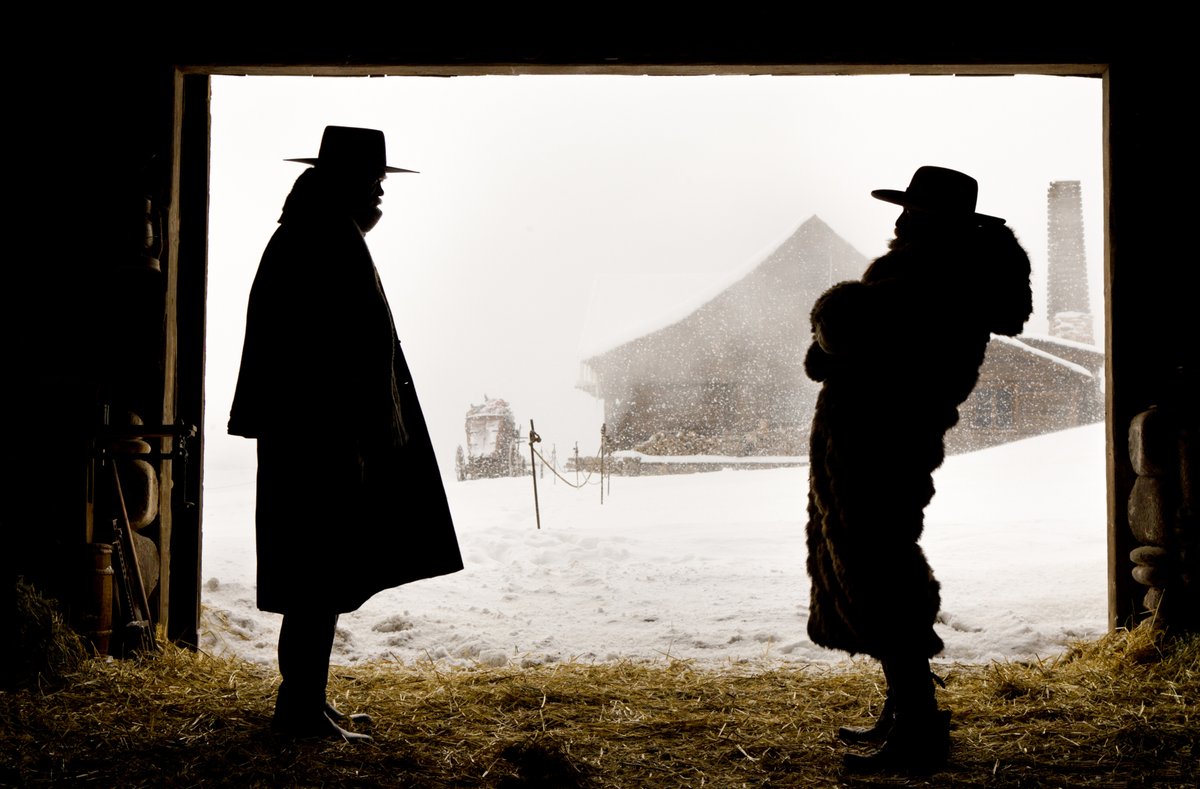
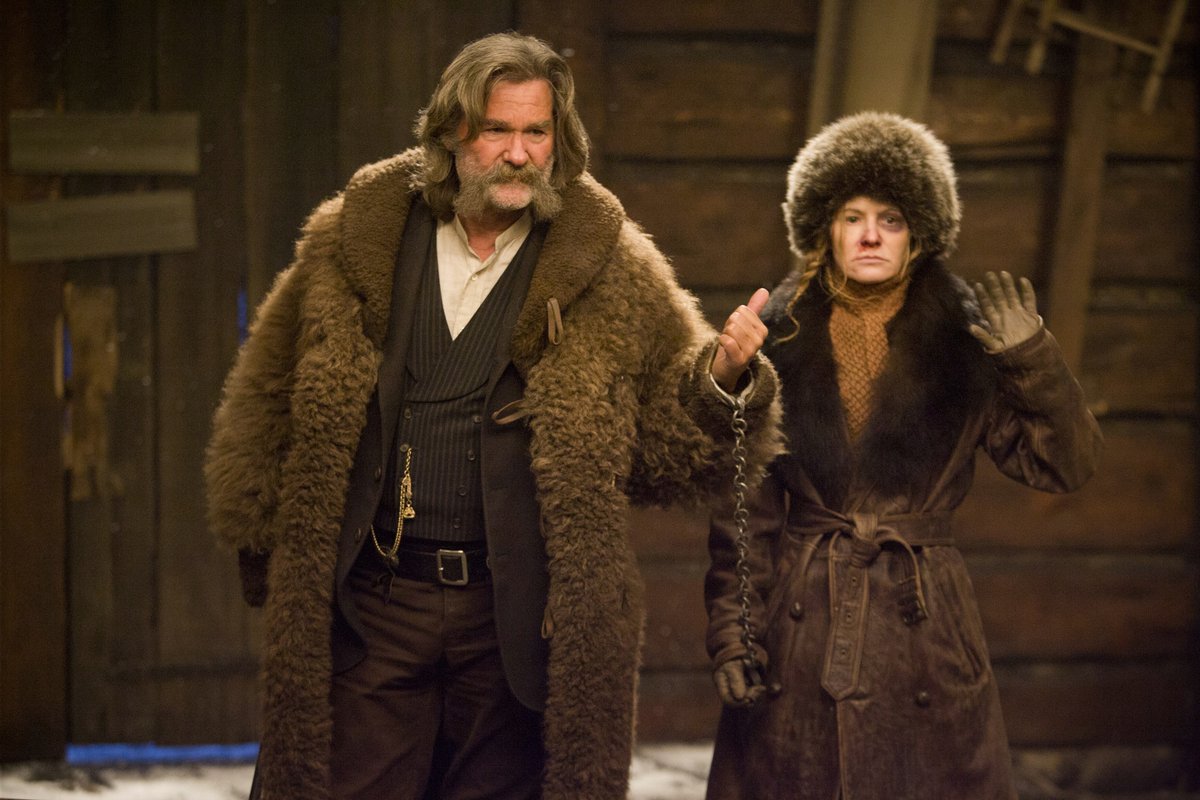
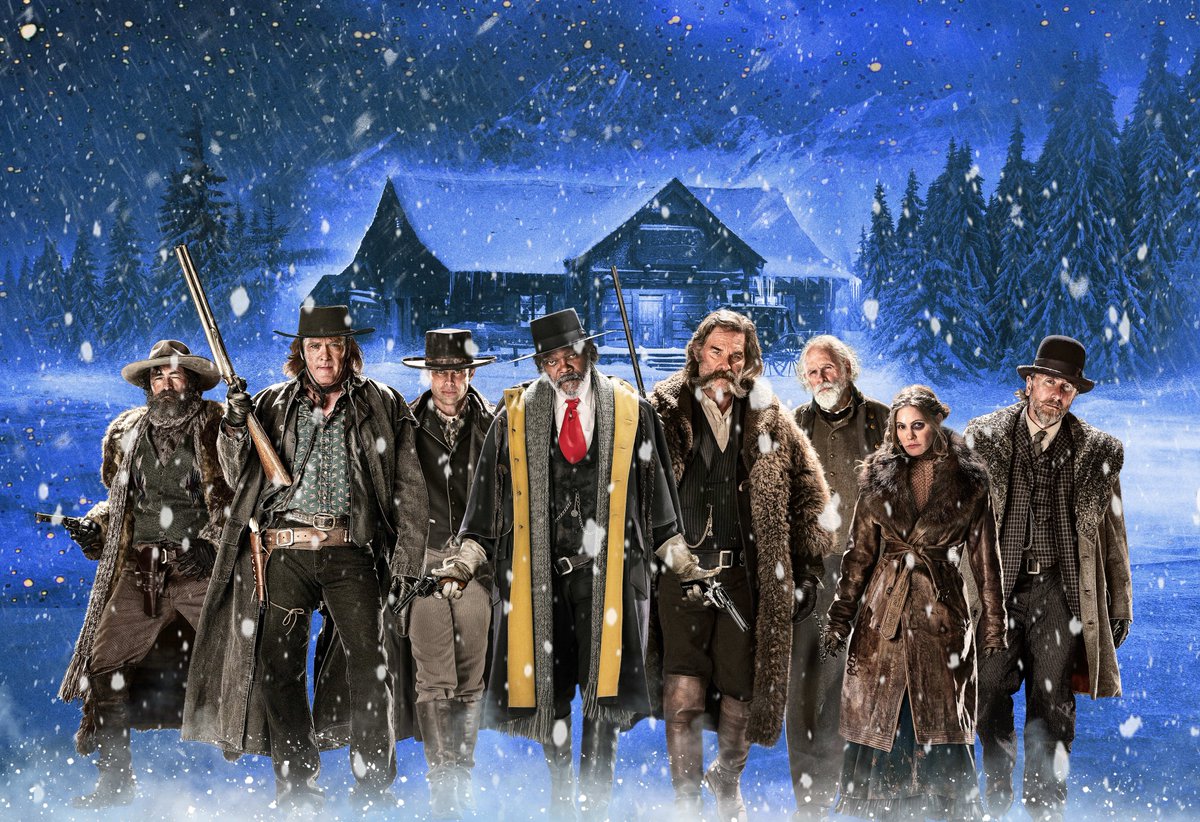
THE HATEFUL EIGHT was released 8 years ago this week. Quentin Tarantino’s second western in succession, the making of story is full of leaks, letdowns and some classic QT behaviour…
1/34
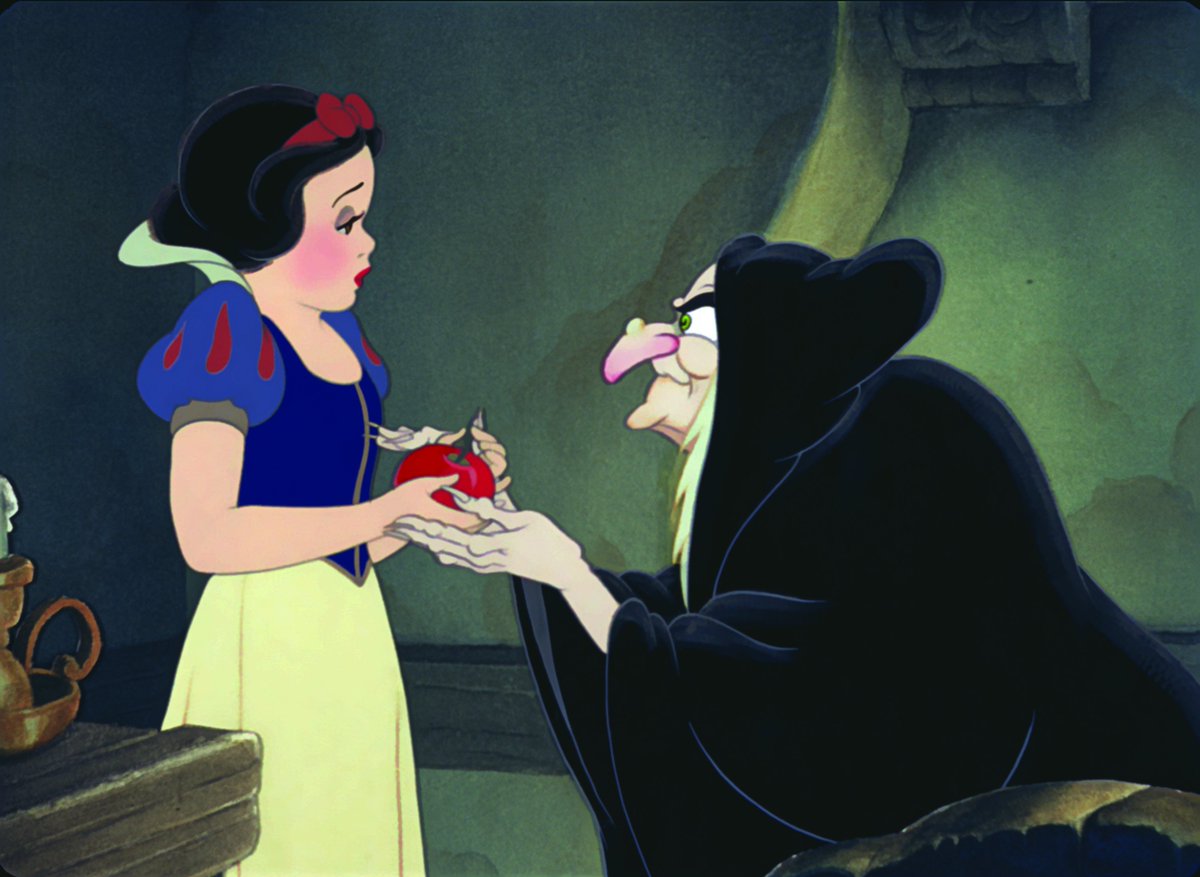
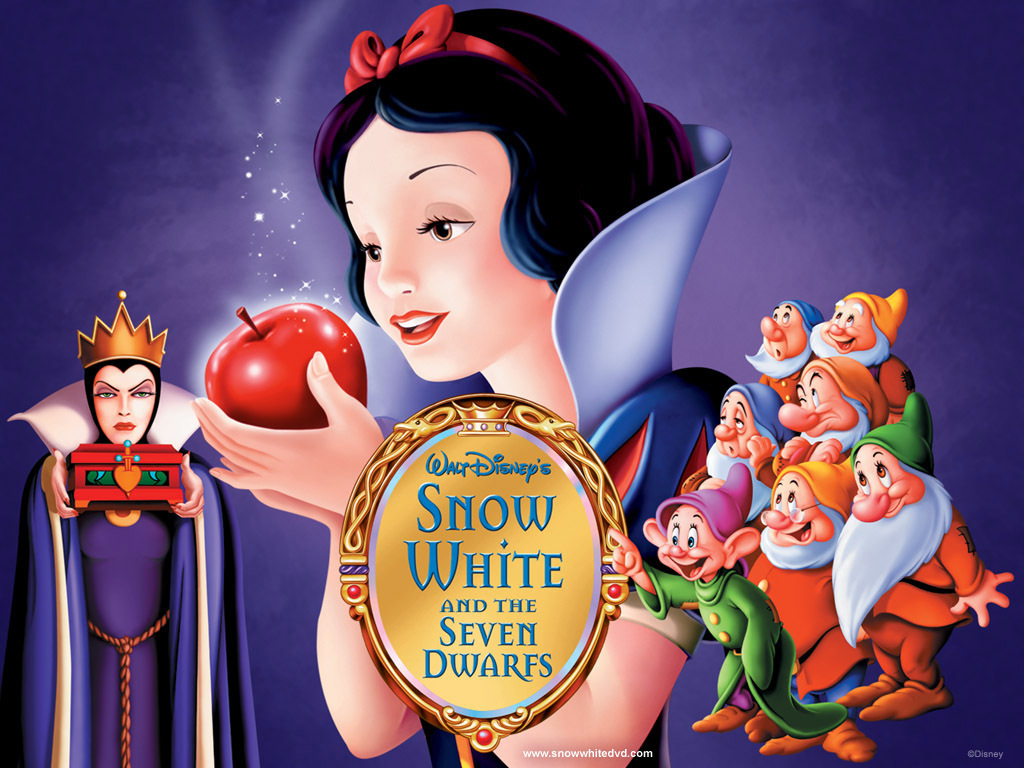
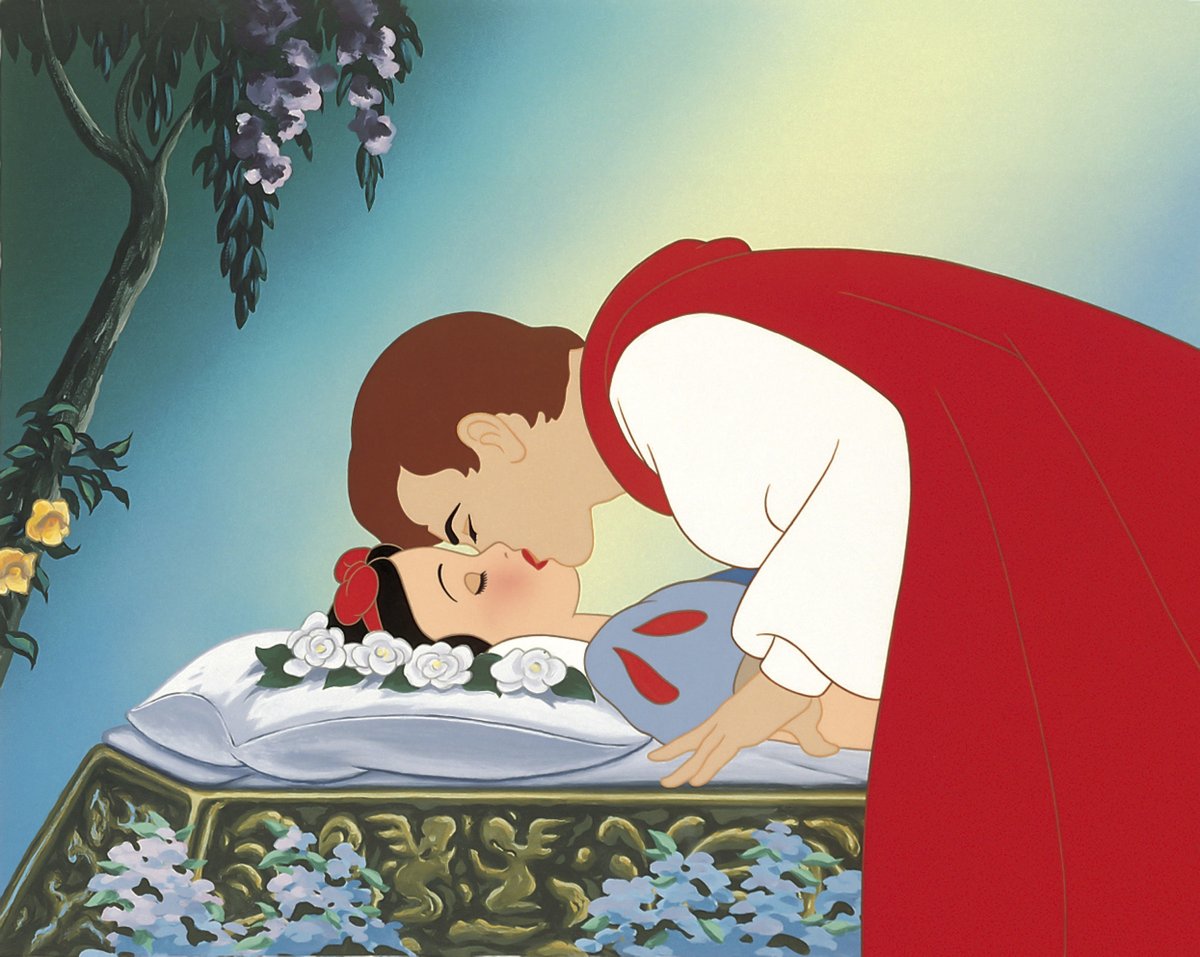
SNOW WHITE AND THE SEVEN DWARFS was released 88 years ago. The first feature length animated film to come out of the United States, and one of Hollywood’s most groundbreaking films, the story of how it was created is worthy of a Disney movie of its own…
1/55
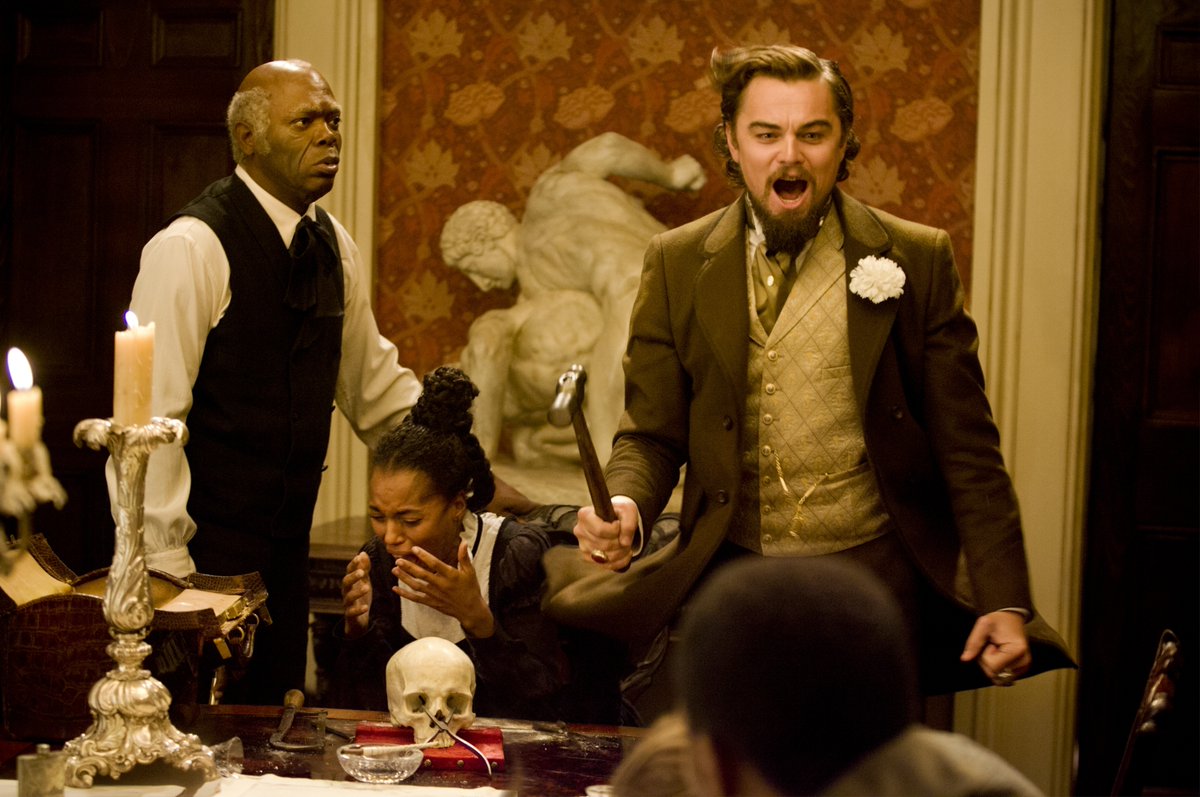
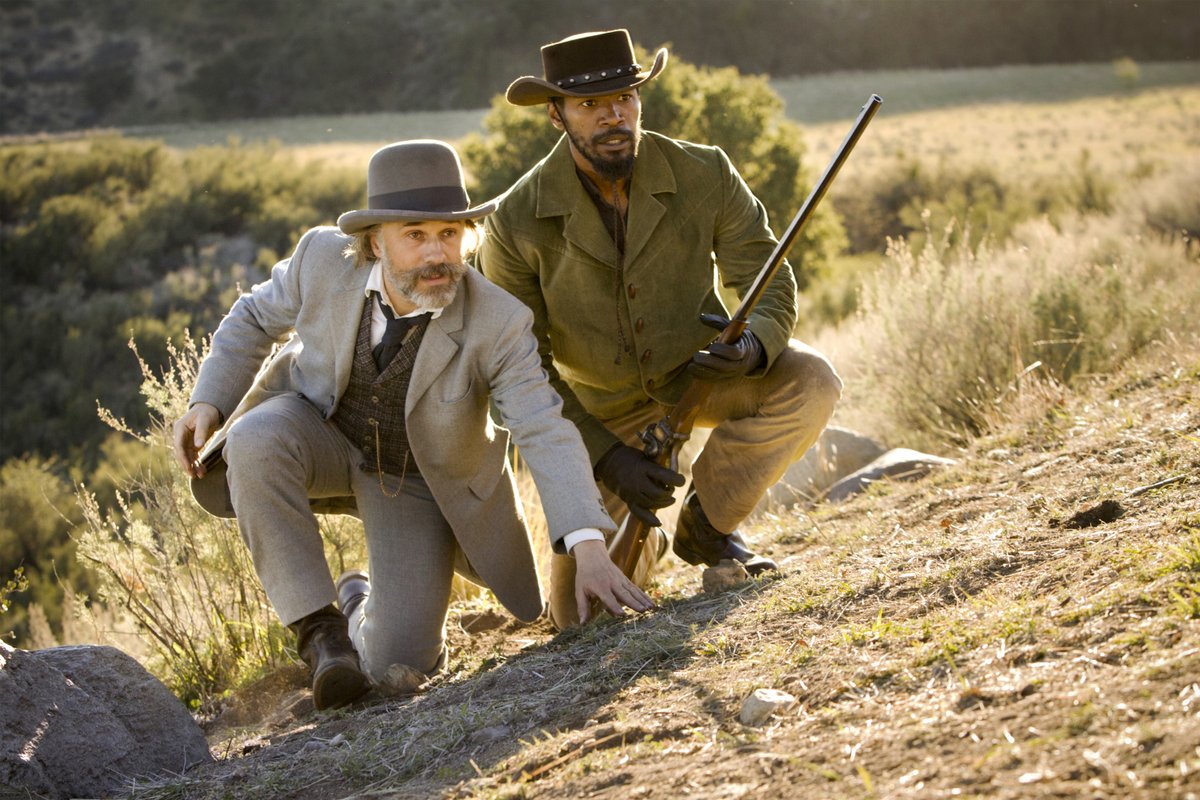
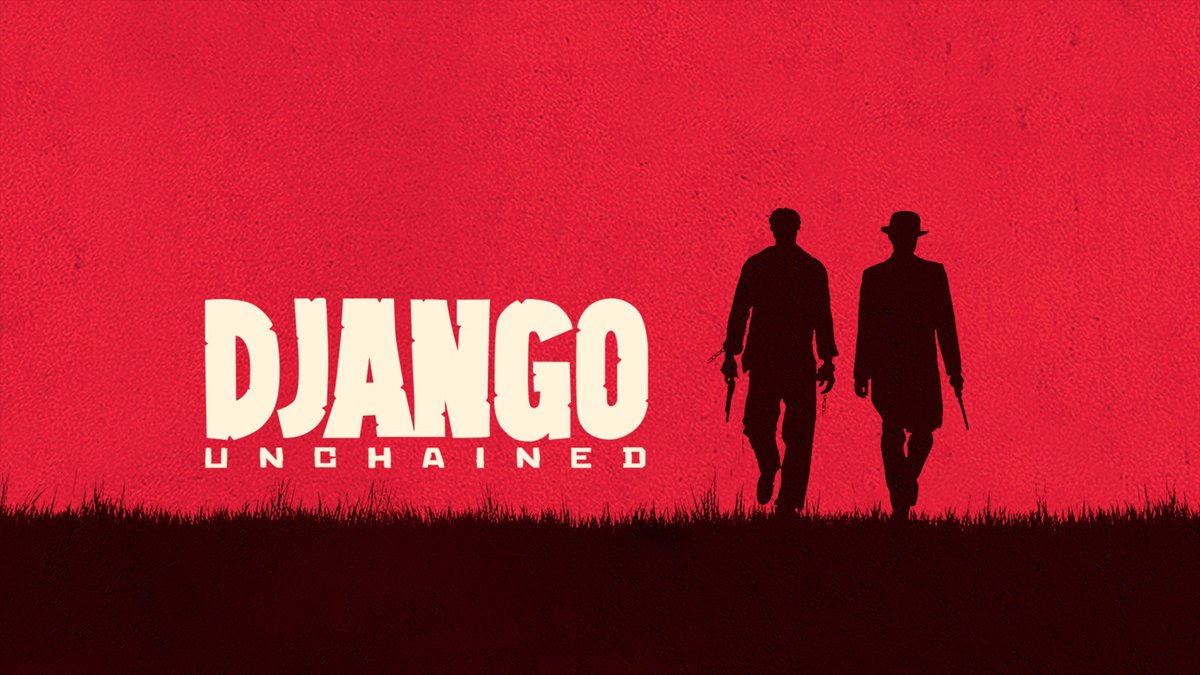
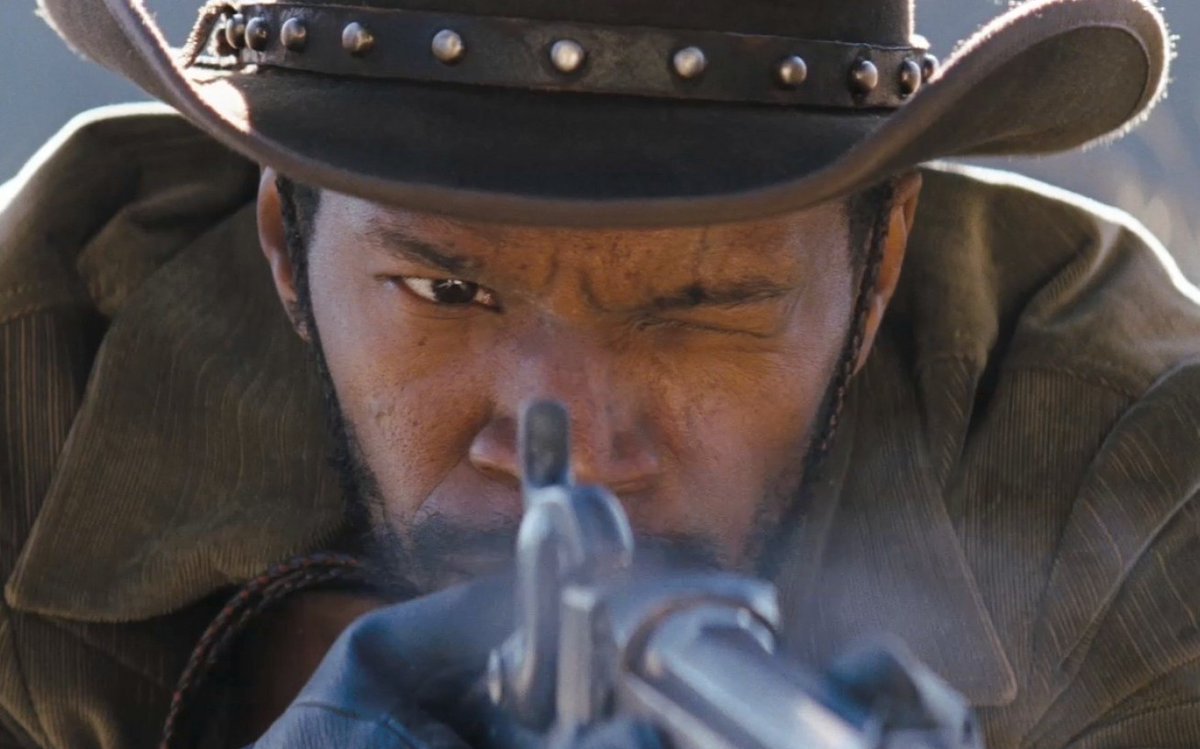
DJANGO UNCHAINED was released 13 years ago this week. The 8th movie made by one of Hollywood’s most famous filmmakers in Quentin Tarantino, and his first foray into the western genre, the story of how it was created is classic QT. Just remember the D is silent…
1/59
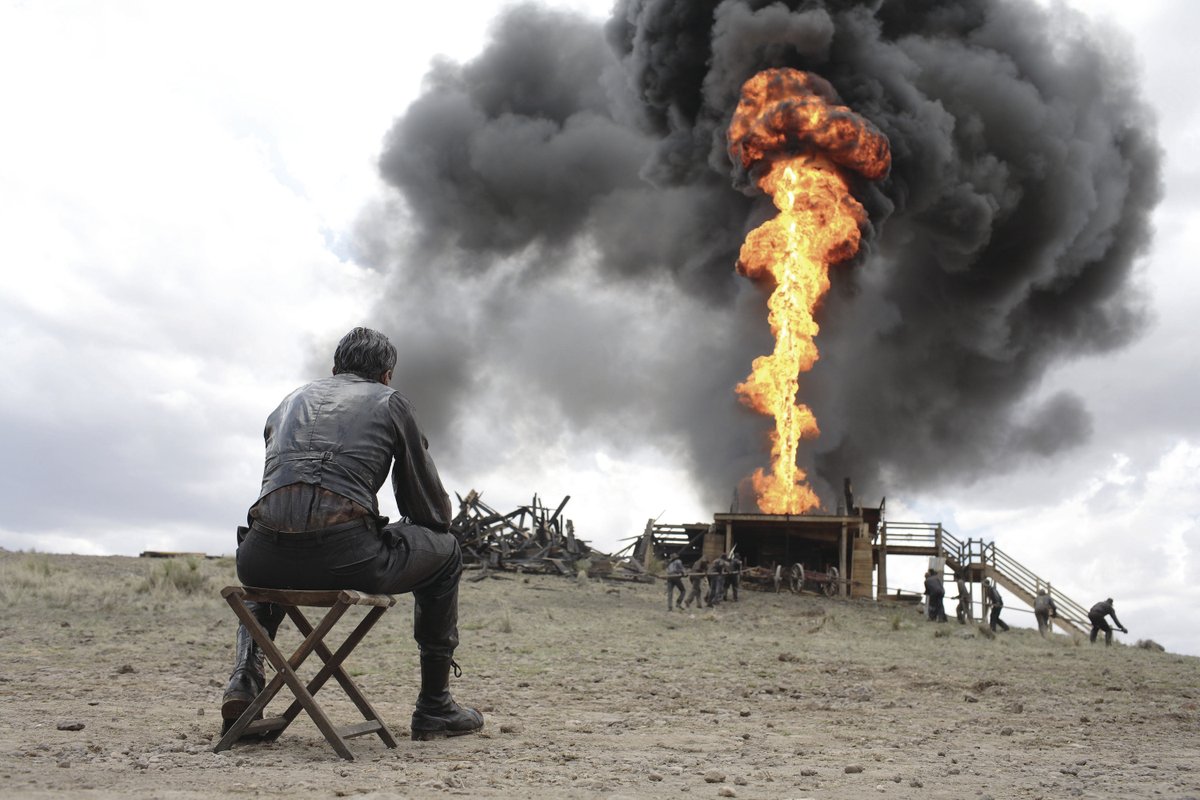
THERE WILL BE BLOOD was released 18 years ago. Acclaimed as one of the greatest films this century and among Paul Thomas Anderson’s most popular, reading the making of story is like striking oil…
1/43
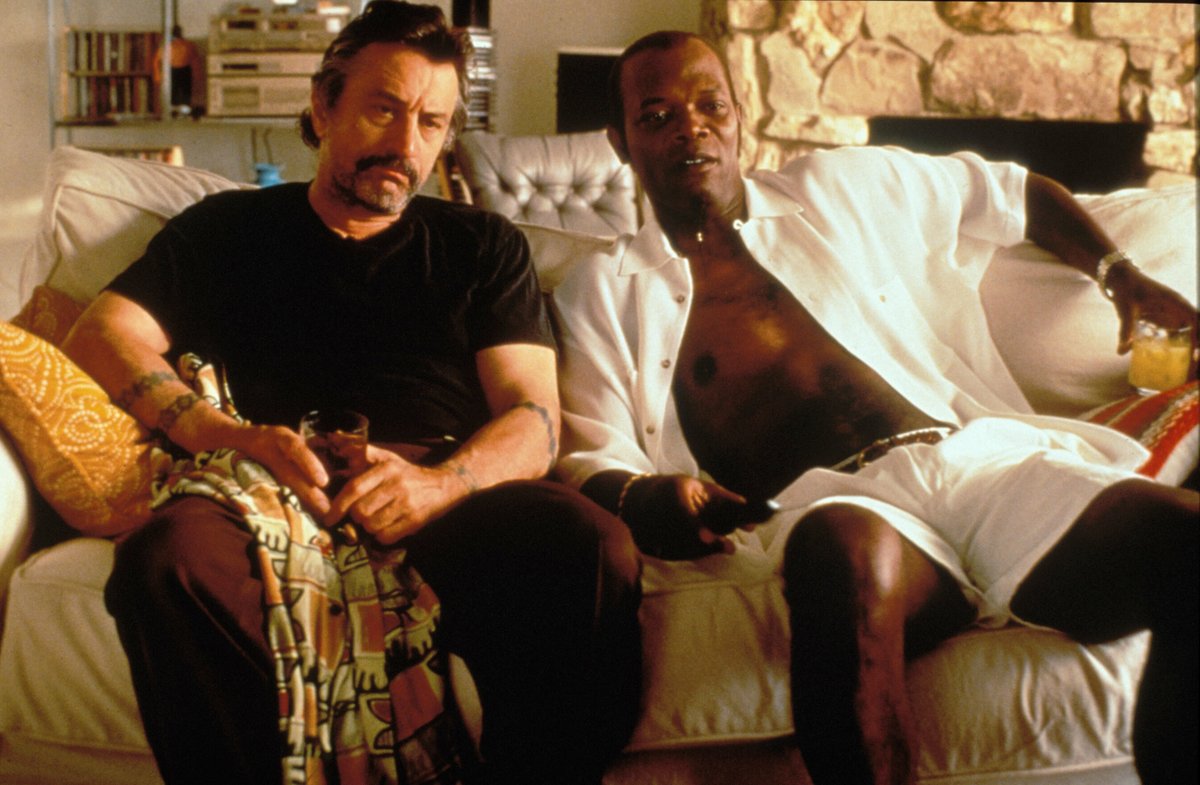
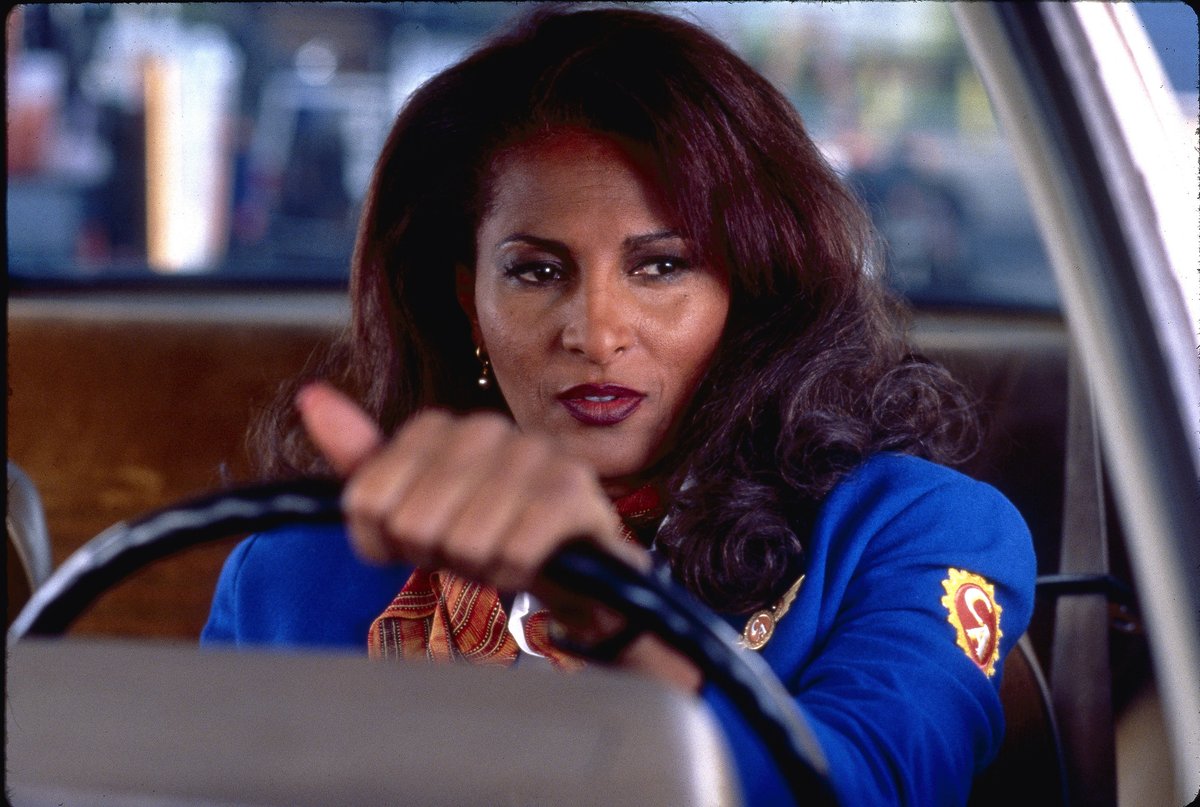
JACKIE BROWN was released 28 years ago this week. Quentin Tarantino's adaptation of Elmore Leonard's novel Rum Punch, the story of how it came together is one of promises kept, unexpected casting, and a love letter to 1970s blaxploitation cinema...
1/42
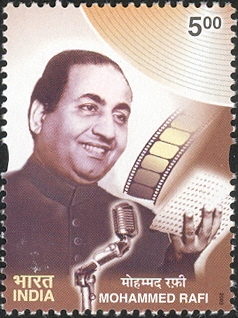
In 2006, @Outlookindia conducted a survey to select the "20 Best Hindi Film Songs Ever." The song that came on top was a solo by Mohammed Rafi.
Born #OTD in 1924, Rafi remains beloved to this day for his velvety voice and emotive singing. 1/11
Akira Kurosawa on making Seven Samurai (1954):
"Japanese films all tend to be assari shite iru [light, plain, simple but wholesome] just like ochazuke [green tea over rice], but I think we ought to have richer foods, richer films. And so I thought I would make this kind of film, entertaining enough to eat, as it were. Of course, I’ve felt that way from the beginning—still, the labor of doing just that in Japan! Something always comes up. We didn’t have enough horses; it rained all the time. It was just the kind of picture that is impossible to make in this country. And then when it was finsihed it was too long, but they released it uncut in Japan anyway. But we had to shorten it for Venice. Naturally none of the critics understood it. They all complained about the first half being confused. It certainly was—that was the half that was so cut. I know what a good film it was. The second half, which went to Venice without major cuts, they understood and liked; as a matter of fact minor cuts helped it. It was difficult making that film. But it was wonderful work too. My own staff, those people who always work with me... well, there are no better people in the world to work with. And I don’t mean only those who worked on the script or the design or the production—I mean the carpenters, the electricians, the grips. Even if I didn’t tell them how to do a single thing, they would know just what I wanted. It is due to people like this that I have been able to make films such as this one."
— "A Personal Record: Kurosawa and I" by Donald Richie in 1960
⬇️ Akira Kurosawa on the set of Seven Samurai (1954).
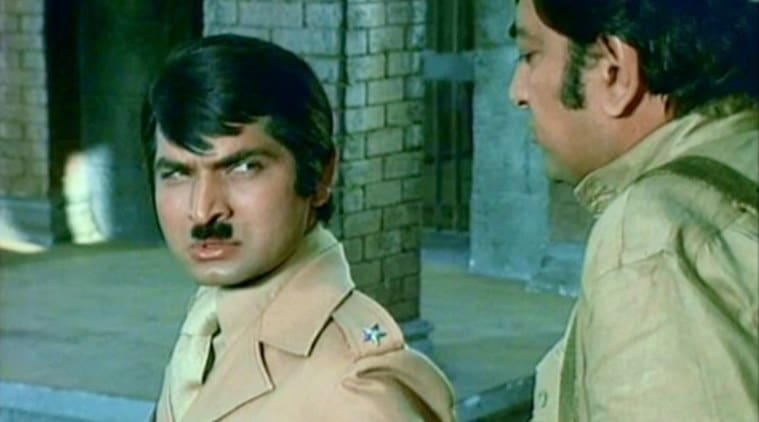
Remembering Asrani, the man who made us laugh even in a film drenched in blood and revenge.
But behind his iconic “Angrezon ke zamaane ka jailor” act in Sholay lies an unlikely inspiration - a secret photoshoot in Germany nearly a century ago. Thread 1/17
It was an honor having Jafar Panahi in conversation with Martin Scorsese at #NYFF63. Watch/listen to the two master filmmakers' conversation on Film at Lincoln Center's YouTube and podcast channels: https://t.co/3kbdRCFEFi
The time when Lewis Carroll's "Jabberwocky" was translated to Bangla by Satyajit Ray titled "Jabarkhaki". Retaining elements from Carroll's original, with structure and rhyme resembling the works of Sukumar Ray, it's a tiny yet beautiful piece of literature. ❤️








![RadiantFilm's tweet photo. Francis Ford Coppola discusses how he ended up making The Godfather (1972):
"There's a story I love to tell about this movie, because it's a true story. It's really sort of uncanny. All my film school buddies and I had moved to San Francisco to try to be independent. We wanted to make personal films more like those art films in the '50s, like The European. I had a young, oh, call him a protégé, a guy named George Lucas. He was five years younger than me and was a film student. I was the only one who had any money because I had had a successful screenwriting career for about three years. I had a house. I had a summer house. I had a Jaguar. I had a couple of bucks.
I sold everything to put together this little bit of money, and we moved to San Francisco. We started an independent company, which we called American Zoetrope. One Sunday, I got a call from a guy named Al Ruddy and his partner named Gray Frederickson. These guys said, "We're up here making a film with Robert Redford called Little Fauss and Big Halsy and we want to come see you." The Sunday Times had just come and, as I was looking through it before they got to my house, I noticed a little ad in the book review. It was this stark hand and strings of a puppeteer and it said "Mario Puzo's The Godfather." I was drawn to it because I thought that sounds like some intellectual Italian writer, Mario Puzo. It was maybe like another Italo Calvino.
I was looking at the ad and wondering, who is this Mario Puzo? Is that an Italian writer? I had no idea. The book looked like it was about power. I was attracted to it. While I'm looking at it, the doorbell rings and these two guys who were making the Redford film come in.
I was trying to make a movie at that time, a more personal film called The Conversation. I had sent the script to Marlon Brando, whom I didn't know at all. But I greatly admired and looked up to him. I'm looking at The Godfather ad, and I'm talking to these two guys who are making a film with Redford, and the phone rings. I answer the phone, and it's Marlon Brando.
I hear the voice. I recognize it. He said [mimicking Brando's voice], "This is Marlon Brando." I said, "Gee, Mr. Brando," "I read your script," he says. "I think it's very good. It's not for me." And I said, "I thought it could be an interesting character, you're a wiretapper." "You know, I thought it was good, but it's just that I'm not interested." I hung up the phone and I said, "My God! That was Marlon Brando."
It's very interesting that on that same day, without anyone knowing it, that Al Ruddy and Gray Frederickson would later be given this Godfather book, become the producers, and make the film. I had noted the ad for the book. And while Ruddy and Frederickson were in my house, Marlon Brando called me up. What a kind of cosmic thing is that, that on that one day all the pieces that were later to become The Godfather, came together. No one knew it. Brando didn't know he was going to be in it, Ruddy didn't know he was going to do it, I didn't know I was going to do it. They all came together on that same day.
A few months later, we're broke. We're so broke, the sheriff is going to chain up our offices because we haven't paid taxes. George Lucas is a worrywart. He's saying, "Francis, we gotta make some money. Whatta we gonna do?"
For some reason, Paramount offers me the opportunity to direct this book The Godfather, and they say Al Ruddy is going to produce it. And I said, "Wow," and George is saying, "Do it." I said, "But, I wanna do The Conversation." He says, "Well, we gotta get some money.""
— "The Godfather Speaks", Francis Ford Coppola interviewed by Marvin R. Shanken (Cigar Aficionado, 2003)](https://pbs.twimg.com/media/HAk76nHXAAAu4jd.jpg)

![RadiantFilm's tweet photo. Akira Kurosawa on making Seven Samurai (1954):
"Japanese films all tend to be assari shite iru [light, plain, simple but wholesome] just like ochazuke [green tea over rice], but I think we ought to have richer foods, richer films. And so I thought I would make this kind of film, entertaining enough to eat, as it were. Of course, I’ve felt that way from the beginning—still, the labor of doing just that in Japan! Something always comes up. We didn’t have enough horses; it rained all the time. It was just the kind of picture that is impossible to make in this country. And then when it was finsihed it was too long, but they released it uncut in Japan anyway. But we had to shorten it for Venice. Naturally none of the critics understood it. They all complained about the first half being confused. It certainly was—that was the half that was so cut. I know what a good film it was. The second half, which went to Venice without major cuts, they understood and liked; as a matter of fact minor cuts helped it. It was difficult making that film. But it was wonderful work too. My own staff, those people who always work with me... well, there are no better people in the world to work with. And I don’t mean only those who worked on the script or the design or the production—I mean the carpenters, the electricians, the grips. Even if I didn’t tell them how to do a single thing, they would know just what I wanted. It is due to people like this that I have been able to make films such as this one."
— "A Personal Record: Kurosawa and I" by Donald Richie in 1960
⬇️ Akira Kurosawa on the set of Seven Samurai (1954).](https://pbs.twimg.com/media/G7roKOsWEAAngM0.jpg)