Home
Language
English
Türkçe
Bahasa Indonesia
About
Privacy Policy
Terms of Service
Pricing
Sign In
Download All
Share
殻鳥
@ArmStack
鳥とゲームが好きな者です。どうぞよろしく。
日本
Joined May 2011
2.6K
Following
1.2K
Followers
431.1K
Posts
ArmStack
retweeted
かずや@TRISTAR
@ikz28
about 16 hours ago
以前ニトリで買った油圧式昇降テーブルから油漏れというか脂が噴出しました。 買ってそれなりに年数が経過しているから壊れるのはいいんだけど壊れ方が大問題。 いくつかの家具がダメになったし、 臭いも汚れもきつい。 粗大ゴミの回収が1週間後で精神的にもきつい。 使っている方、気をつけて!
ArmStack
retweeted
地雷チャン@ごえんズっ!
@amatsuuni
about 1 hour ago
これが、今の埼玉のマクドナルド ※視聴者提供 「多様性」とはなんだろう。 「多様性を受け入れろ」と言うのに こっちが嫌だと思う感情は多様性ではなく差別と言われる。 犯罪も、暴動も、飲食店の机に登るのも全部多様性ですか? 今、福岡の糸島市がピンチです。モスクを作られてようとしてて反対してる議員が2人しかいないそうです。 視聴者がモスクを立てたらムスリムが増えてしまうと反対署名を募っています。 ぜひ署名の参加、よろしくお願いします。 ▼署名のリンクはリプ欄へ
amatsuuni's tweet video.
ArmStack
retweeted
すず
@suzu___jets
about 3 hours ago
そろそろ外国人に限界がきそう。 少し前にトルコ人の男3人に囲まれて 怖い思いして、同じような思いしたくないからって、高いセキュリティ万全なマンション(キーを持ってないとエレベーター呼べない、自分の階しか止まれない)に引っ越したのに、帰ってきたら絶対住人じゃない中東系の人達が
ArmStack
retweeted
Axion | キー打つネコ 🐱 IndieDev
@axions_co_jp
about 12 hours ago
今日になって以前のお客様から連絡いただいた。 「PHPのバージョンを至急連絡ください。詳細を教えてください」 …いや、一切使ってないし。仕様書書いたよね。バックエンドGoで、フロントはReactだよ。あとはログローテーションと玉突きバックアップにsh。当時からPHP好きじゃないって話もしたはずだけどね。 それにIPAもセキュリティ対策は別工数って言っているし、今後も確認したいなら有償ね。 エンジニアへの相談ってなんでも無料で良いわけじゃない。知識や情報集めに労力やコストをかけてるのだから。
Who to follow
ひで
@jC6gKRvib7ihpju
清水クレ
@dai2_kure
01だいにぐるーぷすきです 飯野さんにインスピレーション受けてます。 えすぱよりバルサみてます。
Y
@tU9o3WjinPxci50
福島の裏垢 98 東京に転職したい
ArmStack
retweeted
桜井 政博 / Masahiro Sakurai
@Sora_Sakurai
about 2 hours ago
素晴らしい! おめでとうございます。
ArmStack
retweeted
関宮
@sekimiya
about 8 hours ago
ついに会社の特定の部門が強制出社になり始めたことが退職口コミサイトの退職理由に書き込まれまくられ始めたみたいでクソ笑ってる
ArmStack
retweeted
チャッピー
@chakku5150
about 21 hours ago
国交省の整備局、やられちゃってないか?大丈夫なのか?国の機関だぞ?!
ArmStack
retweeted
たに@教員
@ZXqQTJdLh7cgj1T
about 16 hours ago
教室から逃げ出す子(低学年)を馬乗りで押さえつける支援員を発見し、引き剥がした。 私に対し「じゃああとはたに先生が面倒見てくださいね」と捨て台詞。 このように、「やってはいけない対応を昭和の感覚のままやる」人を雇う選択肢しかないほど学校は人員不足です。
ArmStack
retweeted
250番
@sabu_250
about 10 hours ago
まさかとは思うけど、執行猶予つかないよね?女性は裁かれない国なんじゃないかと勘繰ってます。 難病の車椅子YouTuberが自分の生後3カ月の娘を浴槽で67箇所包丁で切りつけ殺害した事件、初公判で起訴内容認める https://t.co/MOTg4PEjEu
ArmStack
retweeted
アイムフリー☺︎
@TeacherhaGreat
about 3 hours ago
修学旅行先で観光客に対して舐めた態度をとって煽っていた子がブチギレられていた。涙目になりながらヘラヘラしている子に『日頃あなたの態度に対して先生たちは仕事だからあんな風には言わないけど、仕事でない人からはそのようにされても当然のことしてるのよ』って教頭が淡々と追い打ちかけてた。
ArmStack
retweeted
yousukezan
@yousukezan
about 2 hours ago
脇が甘い 不正アクセスではなく、特定の従業員が社内ルールに反し情報を生成AIにアップロードしたことによるものだという。 パナソニックHD、従業員ら33万人分の情報流出 生成AIに送信が原因 - 日本経済新聞 https://t.co/3At327Ue0v
ArmStack
retweeted
キャメル
@4Ud1CCuftl19105
about 3 hours ago
日本人とフランス語話者(あえてこう表現する)の議論が収拾がつかなくなってるけど、私が見た限りこの問題の発端として フランスの暴動中、火をつけられた車の前で、NARUTOのキャラのコスプレをしてる動画を「オビトが車に火遁を放った」とフランス語話者が投稿→ 日本在住のフランスの方が「そんなことのために日本の文化を汚すの辞めてくれる?」と反応→ フランス語話者が、声をあげてくれたフランスの方に「日本に媚びやがって!」といっせいに罵詈雑言を浴びせる→ 怒った日本人が参戦する。→ という流れだったと記憶しています。 犯罪行為を、まるでアニメキャラが忍術で車を燃やしたかのようにふざけて投稿。そして、それをたしなめたフランスの方を多勢に無勢で誹謗中傷した、その卑劣さに日本人は怒りを感じているんですよ。ここを間違えないでほしい。
See More
4Ud1CCuftl19105's tweet video.
ArmStack
retweeted
みー
@miii3369
about 6 hours ago
だいぶ前に路上弁当屋さん利用してた時にインド人がカレー売ってて「わぁ美味しそ」って言ったら襟元から手入れられそうになったよ。 周りのお弁当屋さんのおばちゃん達に止められて触られる事はなかったけど。 やっぱ怖いよね。
ArmStack
retweeted
「ガールズ&パンツァー」公式アカウント
@garupan
about 4 hours ago
\新戦車公開/ 聖グロリアーナ女学院の新戦力! オレンジペコが車長として搭乗する 「歩兵戦車A43ブラックプリンス」の情報を公開✨ 👇スペック情報はこちら🔍 https://t.co/Ym4OJjw9J7
#garupan
ArmStack
retweeted
水島努 Tsutomu Mizushima
@tsuki_akari
about 3 hours ago
センチュリオン搭乗員に名前がつきました。 エルダーフラワー ココナッツ BOP ドアーズ ウバやレモングラスと同じく、キャラクター紹介もあるので、ホームページをぜひご覧になってください。 HPが重くなっているので住所は貼りませんが。
#garupan
ArmStack
retweeted
リュウジ@料理のおじさんバズレシピ
@ore825
about 2 hours ago
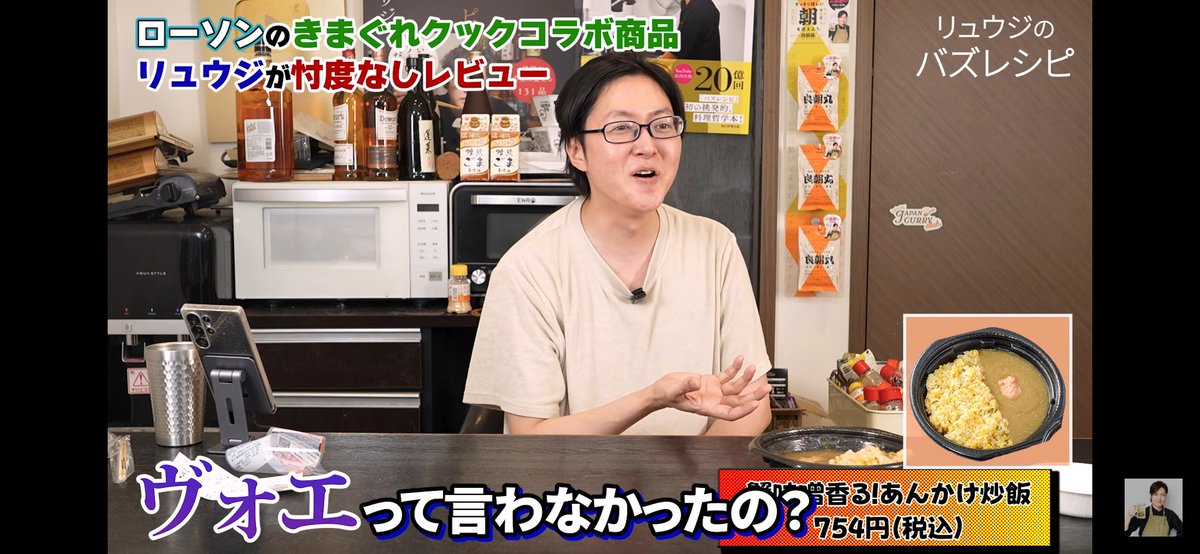
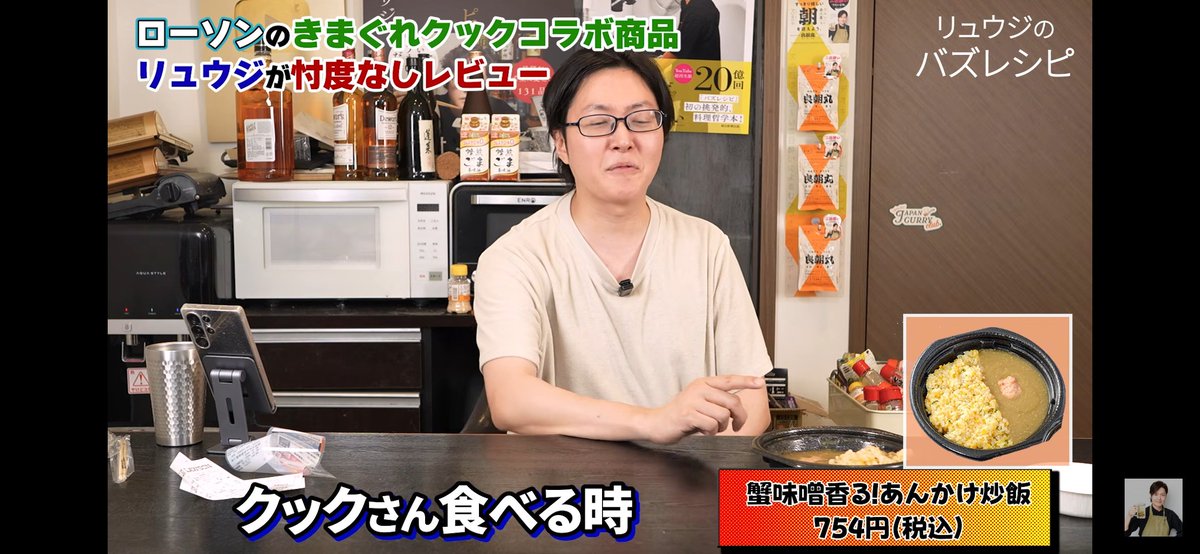
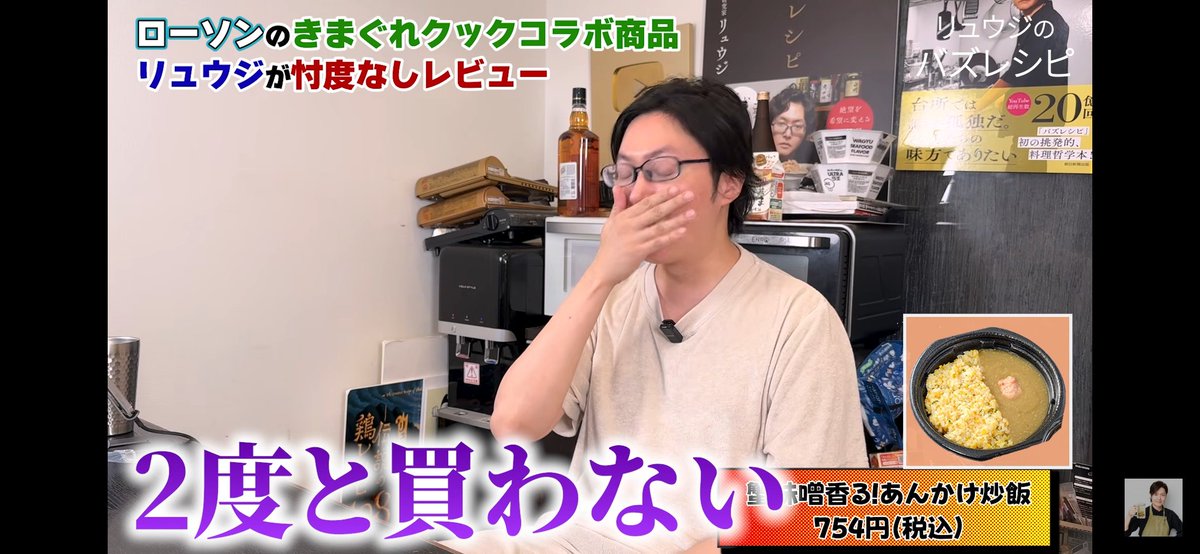
お言葉に甘えて忖度無しレビューしました!! 二度と買いません!!!! https://t.co/cZWBJqwDFk
ArmStack
retweeted
ポルちゃん
@kawaikunaruOL
about 8 hours ago
暴行してたのがまさかの知的障害者の方でした 暴力振った知的障害者を刑事告訴しなさい
ArmStack
retweeted
一輪車のアキレス
@shizensoncho
1 day ago
ムスリムも創価学会が手引きしています。
ArmStack
retweeted
雪野
@yu_0114s
about 11 hours ago
裏のベトナム人がチャリ乗りながらスマホ操作してフラフラ運転していたから、ながらスマホダメだよって声かけたけど、プイッされて走り去っていった😂 遠慮なく、ベトナム人が働く会社に電話しました🙂↕️
ArmStack
retweeted
SOW@
@sow_LIBRA11
about 3 hours ago
なんかさぁ、中国がアフリカに進出してあれこれって話を聞いてさ、さぞかし中華商人らしく金と物でグイグイやってんだろうと思ったらさ、毎日何キロも先の水辺まで水汲みに行くか、泥水みたいなのすすっているの見て、こりゃいかんと思って、井戸掘り事業始めたが、現地人がまともに働かず、しかたないから自分たちでやって、ゴミ捨てちゃダメだよと注意したのに捨てまくってつまらせて、仕方ないから直してやったらまたゴミ捨てだして、「詰まったから直せ」と言われ、滞在期間が過ぎたので立ち去り、しばし後に見に来たら、もう井戸は使い物にならないくらいゴミで埋め尽くされ、また泥水すすっていて、膝から崩れ落ちたという話を聞いて、どこもいろいろ大変なんだなと思ったりした、など。
See More
Last Seen Users on Sotwe
IBUNDA CENTIL
Seen from
Malaysia
inzagi
Seen from
Turkey
Biitaa
Seen from
Malaysia
正装大叔
jşjlşo
Seen from
Canada
binor nakal
Seen from
Indonesia
Asil
Seen from
Turkey
dcunt🔞(NO REPOST!)
Seen from
Philippines
Zevk Düşkünü
Seen from
Turkey
Lord Filthy Von Nasty 🍒🍈🍑🍆
Seen from
Ireland
Trends for you
1
Bioware
Under 10K tweets
2
Cavs
Under 10K tweets
3
Luka
Under 10K tweets
4
Good Friday
Under 10K tweets
5
Bears
Under 10K tweets
6
Lindsey Graham
Under 10K tweets
7
Vivek
Under 10K tweets
8
Ethan
Under 10K tweets
9
Jaylon Johnson
Under 10K tweets
10
Haiti
Under 10K tweets
Most Popular Users
1
Elon Musk
@elonmusk
241.5M followers
2
Barack Obama
@barackobama
118.8M followers
3
Cristiano Ronaldo
@cristiano
114.5M followers
4
Donald J. Trump
@realdonaldtrump
111.8M followers
5
Narendra Modi
@narendramodi
107.1M followers
6
Rihanna
@rihanna
98.7M followers
7
NASA
@nasa
92.3M followers
8
Justin Bieber
@justinbieber
91.8M followers
9
KATY PERRY
@katyperry
90M followers
10
Taylor Swift
@taylorswift13
84M followers
11
Lady Gaga
@ladygaga
75.5M followers
12
Virat Kohli
@imvkohli
73.5M followers
13
Kim Kardashian
@kimkardashian
70.9M followers
14
YouTube
@youtube
68.8M followers
15
Neymar Jr
@neymarjr
66.5M followers
16
Bill Gates
@billgates
65.3M followers
17
Selena Gomez
@selenagomez
63.1M followers
18
The Ellen Show
@theellenshow
62.2M followers
19
CNN
@cnn
61.7M followers
20
X
@x
60.7M followers
Olivia
Online
✨
⭐
💫