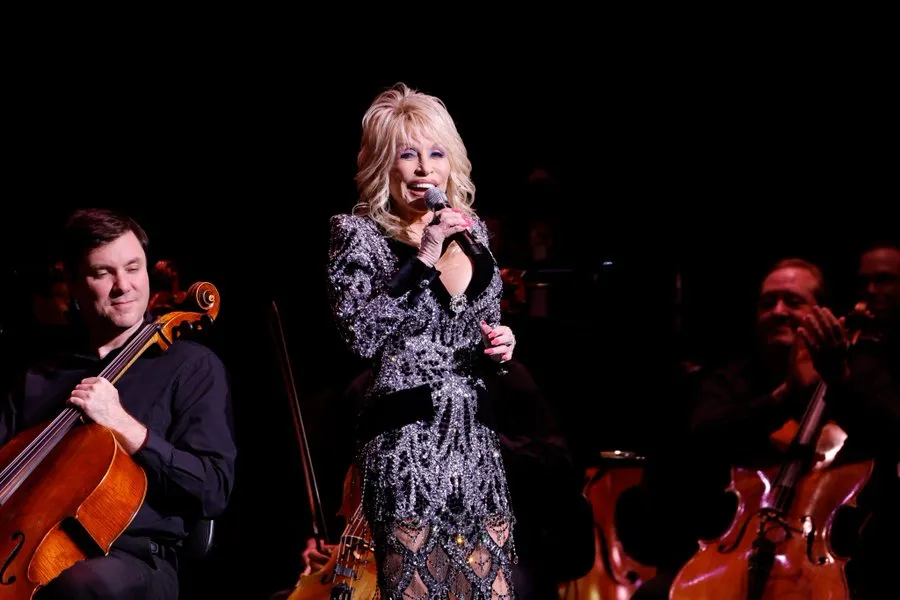
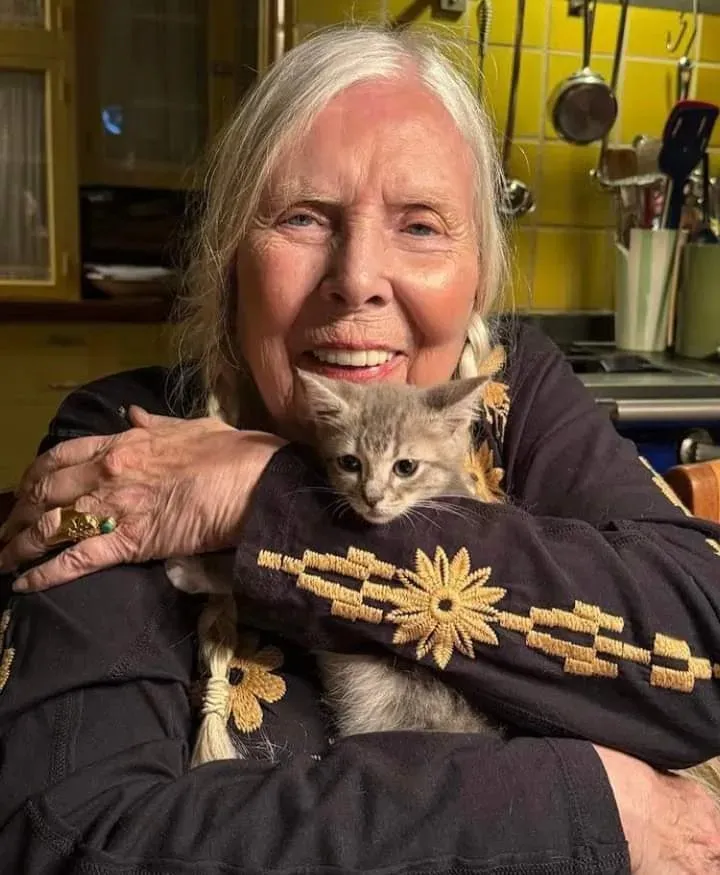
The internet is awash with tributes and deep respect. When famously good people show us how they do it, against the opposites, great reverence is paid. Dolly Parton walked the walk of kindness.
When Little Children and a Foal Share a “Picnic”
In the simple setting of a horse stable, three children about 3–6 years old sit on a pile of golden straw, gathered around a brown foal lying in their midst. They gently stroke it, hug its face, and lightly touch its nose and mouth with the same tenderness and ease as if they were playing with a friend of the same age. The foal lies relaxed, showing no fear; the mother horse stands nearby, calmly watching. There is no species barrier, no hesitation or “distinction” — only closeness, trust, and pure joy, like a picnic among dear friends.
Why do children love animals so deeply and naturally treat them as close friends?
Many scientific and developmental psychology reasons help explain this phenomenon. Biologist Edward O. Wilson proposed the biophilia hypothesis — an innate human tendency, especially strong in young children, to bond with other living beings. Research shows that even from a few months of age, babies prefer looking at, touching, and smiling at real animals more than at toys. Children have not yet been “filtered” by adult reasoning and experience, so their responses remain pure and unfiltered.
In the preoperational stage (roughly ages 2–7 according to Jean Piaget), children naturally anthropomorphize and believe in animism. They attribute human emotions, thoughts, and personalities to animals, talking to dogs, cats, or horses as if they were real friends. Animals become “social others” — always listening, never judging, never arguing. In the video, the children treat the foal exactly as they would care for a little sibling or playmate.
Added to this is the “baby schema” effect (or Kindchenschema). Foals — like most young animals — have large eyes, round faces, and soft bodies. These features strongly trigger humans’ caregiving and nurturing instincts. Children respond even more powerfully than adults to this cuteness, making it easy for them to form instant friendships.
Unlike adults, who often view animals through the lens of utility (food, tools, pets), culture, or fear, young children have not yet learned those distinctions. They value animals simply because they are alive. In return, animals “make no distinctions” about children either: they pay no attention to skin color, family background, or appearance — responding only to gentleness. This creates a pure and emotionally safe relationship.
Interacting with animals also brings many developmental benefits. Children learn empathy, how to read body language, and how to care for others. Animals provide unconditional emotional support — many children even regard their pets as closer friends than their siblings because there is far less conflict. These interactions also help build self-confidence, responsibility, and social skills.
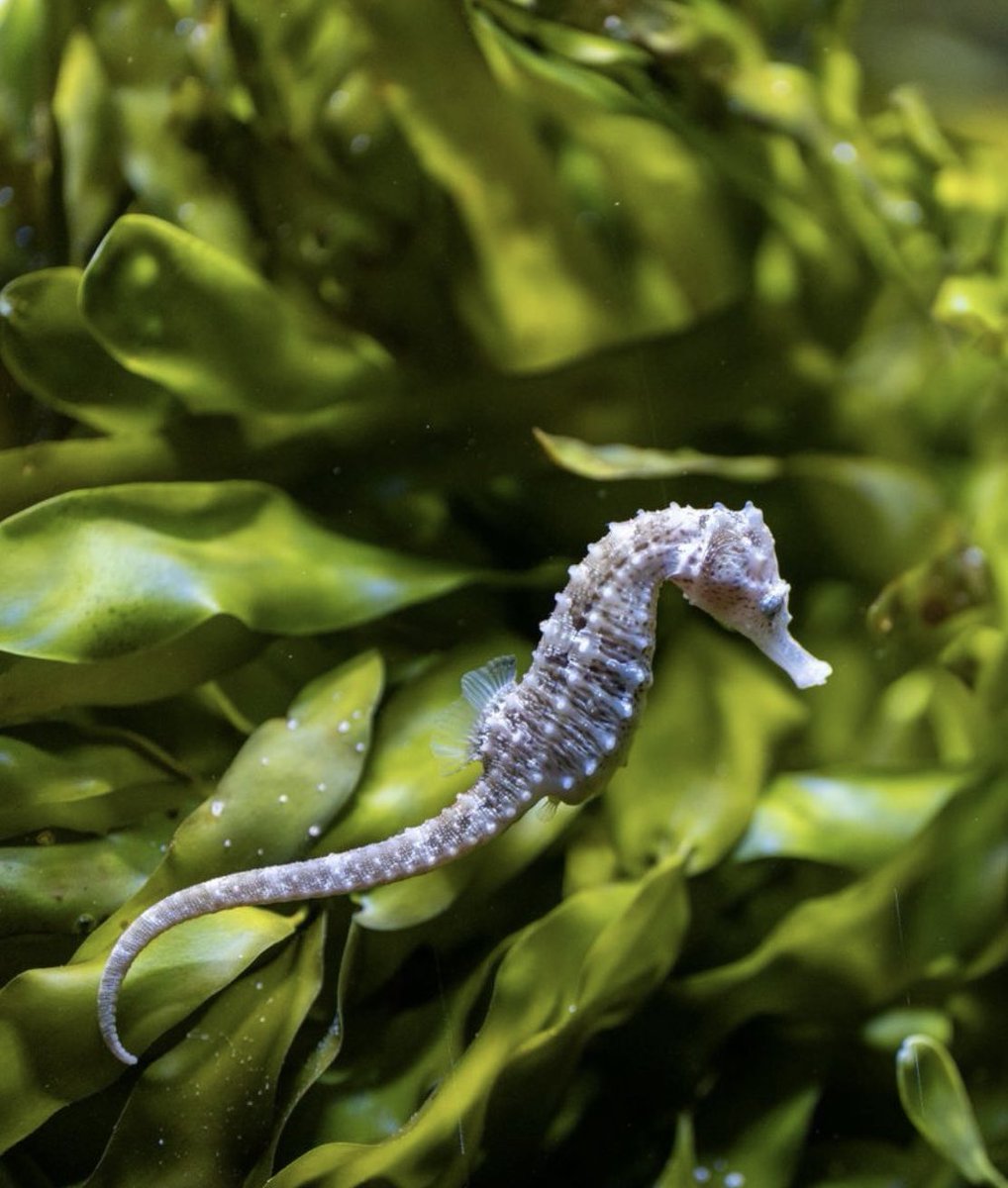
The United Kingdom just issued a legal warning following a rise in disturbances to vulnerable and fragile seahorses. They are legally protected, and seeking them out requires a licence.