Je veux vous parler d’un roman qui ressemble à une énigme et qui, pourtant, touche à quelque chose de très réel, de très humain : l’absence.
La Disparition de Georges Perec dépasse le simple exploit littéraire. On la présente souvent comme une prouesse, alors qu'elle est peut-être surtout une blessure ouverte, une béance qui perce la langue même.
En écrivant tout un roman sans la lettre « e », la plus fréquente du français, Perec s'impose une langue amputée comme on vit avec une mémoire amputée. Il retire une lettre comme on retire une part du monde, et tout résonne alors autrement.
Né en 1936, orphelin d'une histoire brisée, son père mort pendant la guerre, sa mère déportée à Auschwitz et jamais revenue, Perec grandit avec une absence fondamentale. Dans son écriture, il laisse ce manque infuser, imprégner, travailler la matière même du langage.
Trois leçons traversent ce roman d'enquête où les hommes et les noms s'effacent.
La première rappelle que le manque devient moteur, que la contrainte libère et oblige à créer, changeant une langue mutilée en langue inventive, surprenante, nerveuse.
La deuxième, plus politique, nous avertit. Dans notre monde de disparitions rapides, d'attentions avalées par le flux, de mémoires courtes, l'effacement normalisé fragilise notre humanité et notre conscience commune.
La troisième, plus intime, montre qu'on peut perdre et pourtant tenir debout. Sans guérir le manque, Perec lui donne forme et transforme le trou en architecture.
Voilà son tour de force. On peut faire une œuvre avec ce qui manque, et faire mémoire, c'est refuser que l'absence devienne l'oubli.
You saw @narendramodi's ridiculous video saying he forgives 'our daughters' for their abusive language at Jantar Mantar ... now read @AnandTeltumbde's brilliant piece in defence of the profanity of the protesters.
"Every hegemonic order establishes not only acceptable political opinions but also an acceptable political language. Civility, respectability and decorum become part of the discipline through which power regulates dissent: protesters are expected to be polite even while protesting injustice. But history suggests that ruptures typically begin by breaking this linguistic convention. The language of revolt is seldom parliamentary. It is emotional rather than measured, mocking rather than deferential, often deliberately transgressive – and what looks like vulgarity to the establishment is frequently the first public expression of accumulated humiliation and anger."
https://t.co/Cohhvz8AnW
When Bengal Was The Richest Place in the World
In the early 1700s, Bengal was one of the richest places in the world. Generating 5% of global GDP, its capital Murshidabad had more wealth than the British aristocracy combined.
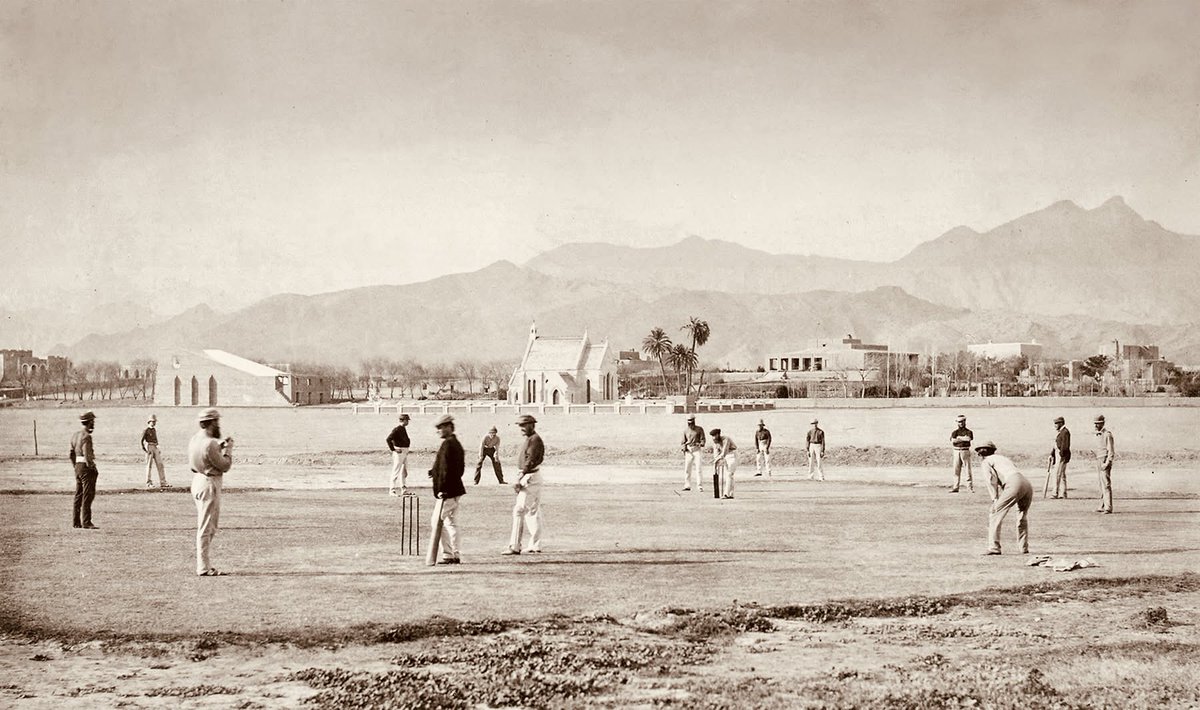
This is thought to be of the earliest photographs of cricket in India and was was taken by Major Keyes of the 1st Punjab Infantry in the 1860s. It shows British officers playing on the parade ground in Kohat, which is now in Pakistan.
All empires are forged in war and sustained through abuse, treachery, and far worse. Yet, for all their brutality, they often leave behind legacies that outlive them.Lovely spread from The Hindustan Times. https://t.co/Q1AKmfzDUI
@Paperclip_In Interestingly copyright had lapsed in the UK but was still valid in the US for the later stories in which the ‘warmer’ side of Holmes are allegedly revealed. I struggle to think which stories though.
@Paperclip_In The political left and right were born in 1789 in the Salle des Menus-Plaisirs at Versailles, a city in its own right located about 17–20 km southwest of Paris( roughly the same distance between Calcutta and Howrah)
…the only illustrated Constitution in the world.
Nandalal Bose illustrated the original handwritten manuscript of the Constitution of India.
Invited by Jawaharlal Nehru to decorate the document, Bose led a team of artists from Santiniketan to create the 22 illustrations.
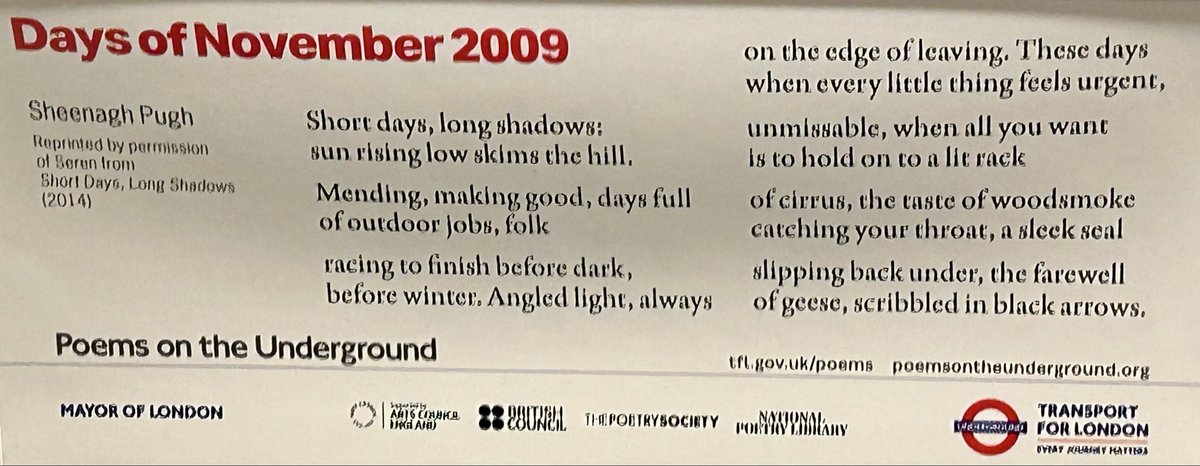
One of the pleasure of taking the tube down to London is unexpectedly coming across lines that continue to resonate when you come up to the surface to be buffeted by the cold and wet; stirs the dying embers of your imagination making you glad you undertook the journey.
The holidays are a time of bringing people together. Here @BBCSteveR (in Moscow) and me (in Umbria) are 2890 kilometres apart, but music brings us together. I hope you enjoy our Christmas offering (one of my favourite carols). Merry Christmas to all! @BBCRadio3