Compassionate constant contrarian, risk management professional, and advocate for underserved populations, mental health wellness, and black maternal health.
Are We Biased About Bias? Join Coverys Vice President of Risk Management & Analytics Dana Siegal, RN, CPHRM, CPPS, on Tuesday, October 3 at #ASHRM for her #presentation: Exploring the Potential for Bias in the Diagnostics Process.
The chain of command process is a powerful patient safety tool that embraces just culture principles and helps improve healthcare outcomes. Read the entire Coverys article here https://t.co/LzYLo8hAcG. #CoverysRiskEducates#Coverys#PatientSafety#PatientCare#RiskMitigation #Principles #Culture #Powerful
The Chain of Command:
A Powerful Patient Safety Tool
Chain of command is a formal, structured communication technique that provides members clear guidance to escalate a concern through leadership levels until a resolution is reached. The chain of command process enhances any organization’s culture of safety. Here’s an example:
A 70 year-old man was admitted to med/surg after an uneventful total hip replacement. On day three, the patient complains of shortness of breath, a distended abdomen, and constipation. Images show a possible bowel obstruction. By day four, the patient is hypotensive, oliguric, and appears to be in distress. The physician examines the patient and orders labs and rehydration. Upon receipt of the critical lab results, the patient’s nurse calls and leaves urgent messages with the clinic and the physician’s office with no response. The nurse alerts the charge nurse, who is also unable to reach the PCP. Several hours later, the patient suffered respiratory arrest and all attempts to resuscitate the patient were unsuccessful. The autopsy report listed his cause of death as gram negative sepsis due to ischemic intestinal injury with obstruction and regurgitation of bowel contents.
In this example, the chain of command was not invoked to escalate a nurse’s concern past unresponsive clinicians. Communication to an immediate supervisor, then up the hierarchy to organizational leaders and medical executives may have produced a better outcome in this example. While the chain of command may be an effective strategy for conflict resolution, it may be underused due to organizational or cultural barriers. Staff members who fear repercussions or retaliation, or who believe the process is useless may be reluctant to invoke the chain of command.
Consider the following risk recommendations for a chain of command policy:
Develop a well-defined policy with clear guidance that includes
-Specific steps to take
-Situational triggers to invoke
-Empowering any staff member to invoke
-Documenting in the medical record and to the event reporting system
Eliminate barriers to the invocation of the chain of command
-Cultural barriers
-Organizational barriers
-Support psychological safety
-Normalize questioning behaviors and decisions
Educate and reinforce the importance of the chain of command process
-Incorporate into training and orientation
-Improve patient safety
-Resolve difficult situations
-Reduce liability
Use structured communication techniques
-SBAR – Situation, Background, Assessment, Recommendation
-CUS statements – I’m Concerned, Uncomfortable, I think this is a Safety issue
Evaluate effectiveness
-Periodic audits for policy adherence
-Periodic audits for timely resolution
When patient safety is in jeopardy, a failure to speak up can result in patient harm and liability. When used appropriately, the chain of command process may be a powerful patient safety tool for an organization that embraces just culture principles and a patient-centered philosophy. #CoverysRiskEducates #Coverys
"The Coverys team is committed to being part of this positive progress and bringing highly reliable handoff communications to hospitals to improve care delivery and experience." https://t.co/YznRQNhof3
DE&I is a critical part of our mission and values. Have you read our Diversity, Equity, and Inclusion Status Report? Find it here: https://t.co/GM554uzaco
#DEI#COVERYS#Healthcare#Workplace
Does your informed consent process support #patient care? Or is it treated only as required paperwork? Read Solveig Dittmann’s 6 strategies to fortify patient discussion while reducing risk in @MedEconomics: https://t.co/VEBEAuvvpr
Join our complimentary webinar, Key Concepts in Diagnostic Error for Advanced Practice Providers, Sept 19 @ noon ET. We will use examples of fine art to teach you how to hone your visual intelligence, recognize useful information and biases, and apply these lessons to the diagnostic process.
https://t.co/n9ywOUxmJu
#advancedpracticeproviders #continuingeducation #healthcare #riskmanagement #diagnosticerror
@MedIQCME
A multi-state Federal investigation nicknamed #OperationNightingale resulted in the distribution of over 7,600 fraudulent #nursing#diplomas. Our #blog addresses the risks of unwittingly employing these nurses. https://t.co/KOWWkPKloF
June 30 Deadline Reminder: The Coverys Community Healthcare Foundation is accepting applications for its General Grant Program. For more information and to apply, please visit https://t.co/jhQtyliyoY #HealthCareGrant
In recognition of Healthcare Risk Management week and to share our appreciation for health care risk professionals, please enjoy complimentary access to our upcoming live webinar Racial and Ethnic Disparities in Maternal Healthcare. https://t.co/XGbFbKibM2
#HRMWeek
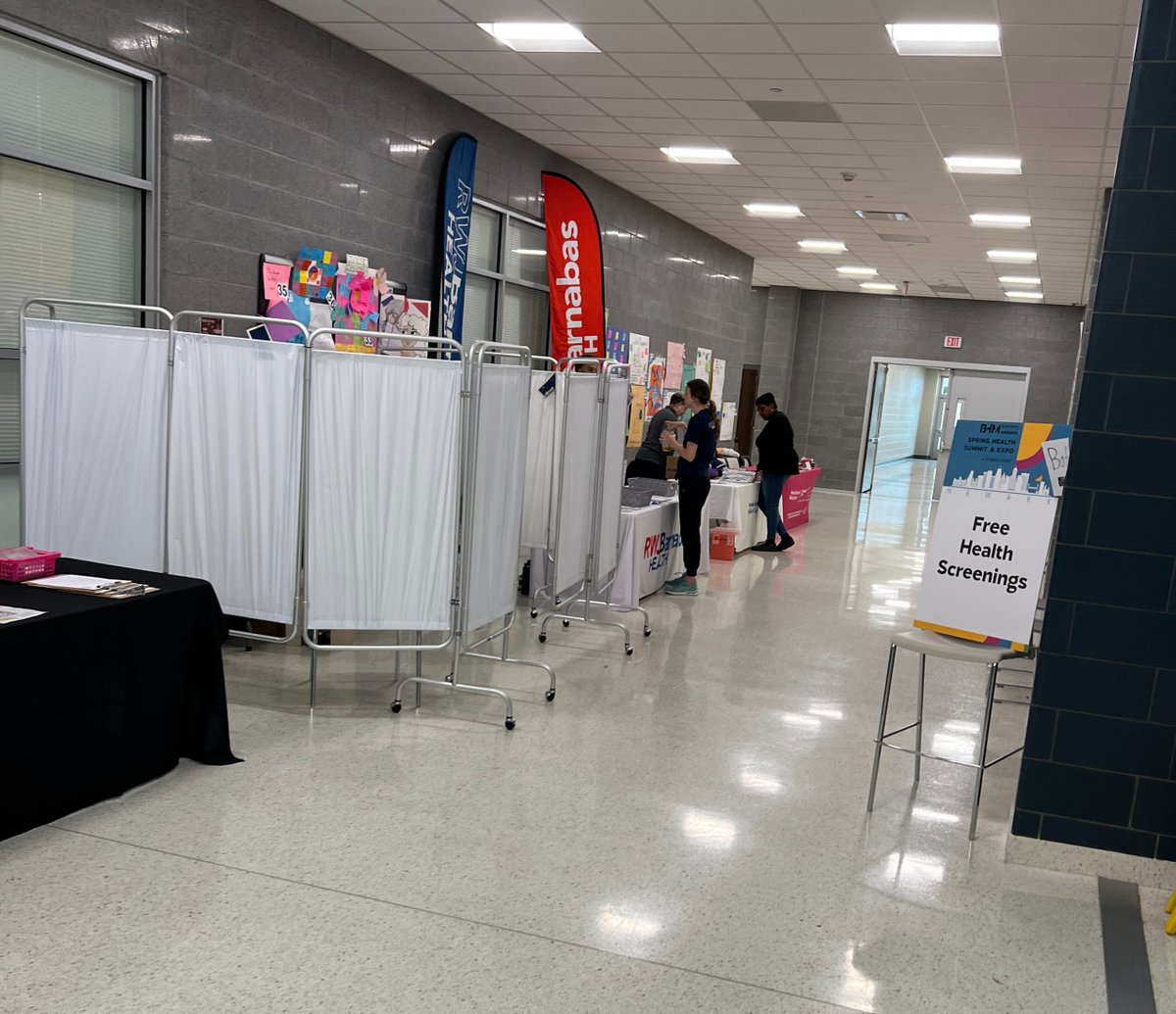
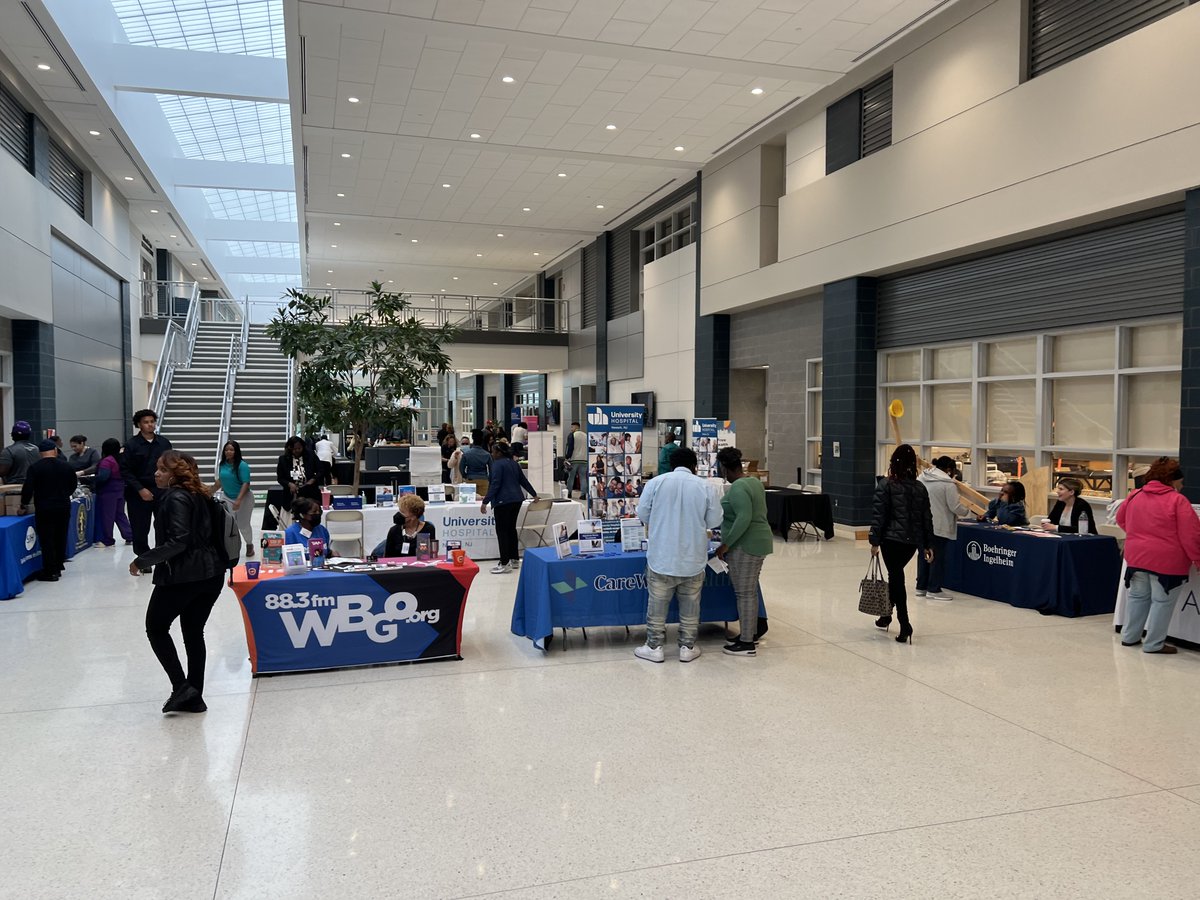
We were honored to see the amazing outreach at the Black Health Matters Spring Summit & Expo @BHMinfo to the local community to provide education and health screenings. Sessions focused on healthcare disparities and diseases disproportionately affecting Black people.
Join us June 22 for a complimentary live webinar, Racial and Ethnic Disparities in Maternal Health. Registrants will also gain access to the recorded webinar. Save your spot today! https://t.co/XGbFbKibM2
We ❤️hearing how our education is driving change in patient care. Check out these #outcomes from Reducing Cardiovascular Risk in Type 2 Diabetes: Updates in GLP-1 RA Treatment for #Cardiologists. https://t.co/Q5CRsvU4V3
#MedEd#T2DM#CVD