The art of seduction and other games. Watch the trailer for #ChallengersMovie, directed by Luca Guadagnino and starring @Zendaya, Josh O’Connor, and Mike Faist. Only in theaters this September.
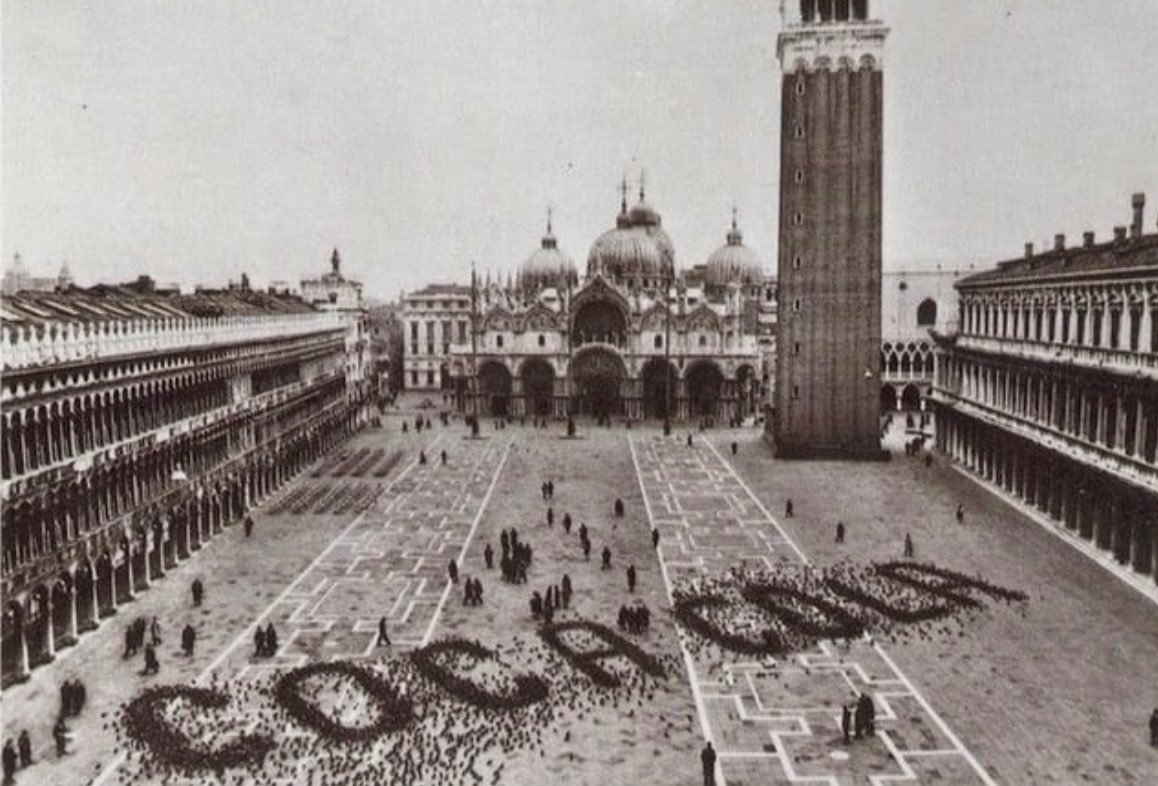
In the late 1960s, Coca Cola organized a notable event in St. Mark's Square, which involved arranging birdseed in the shape of their well-known logo. This resulted in a large gathering of pigeons that unknowingly formed the Coca Cola emblem while feasting on the seeds. A photograph taken from above captured this moment, turning it into a famous piece of advertising history.
However, it is important to note that this creative initiative was not entirely original. Coca Cola drew inspiration from Assicurazioni Generali, an insurance company based in Venice, which frequently utilized birdseed to attract pigeons and shape them into the letters "A G" in the square.
For any businesses considering a similar advertising technique, it is crucial to be aware that feeding pigeons in Piazza San Marco has been illegal since 2008.
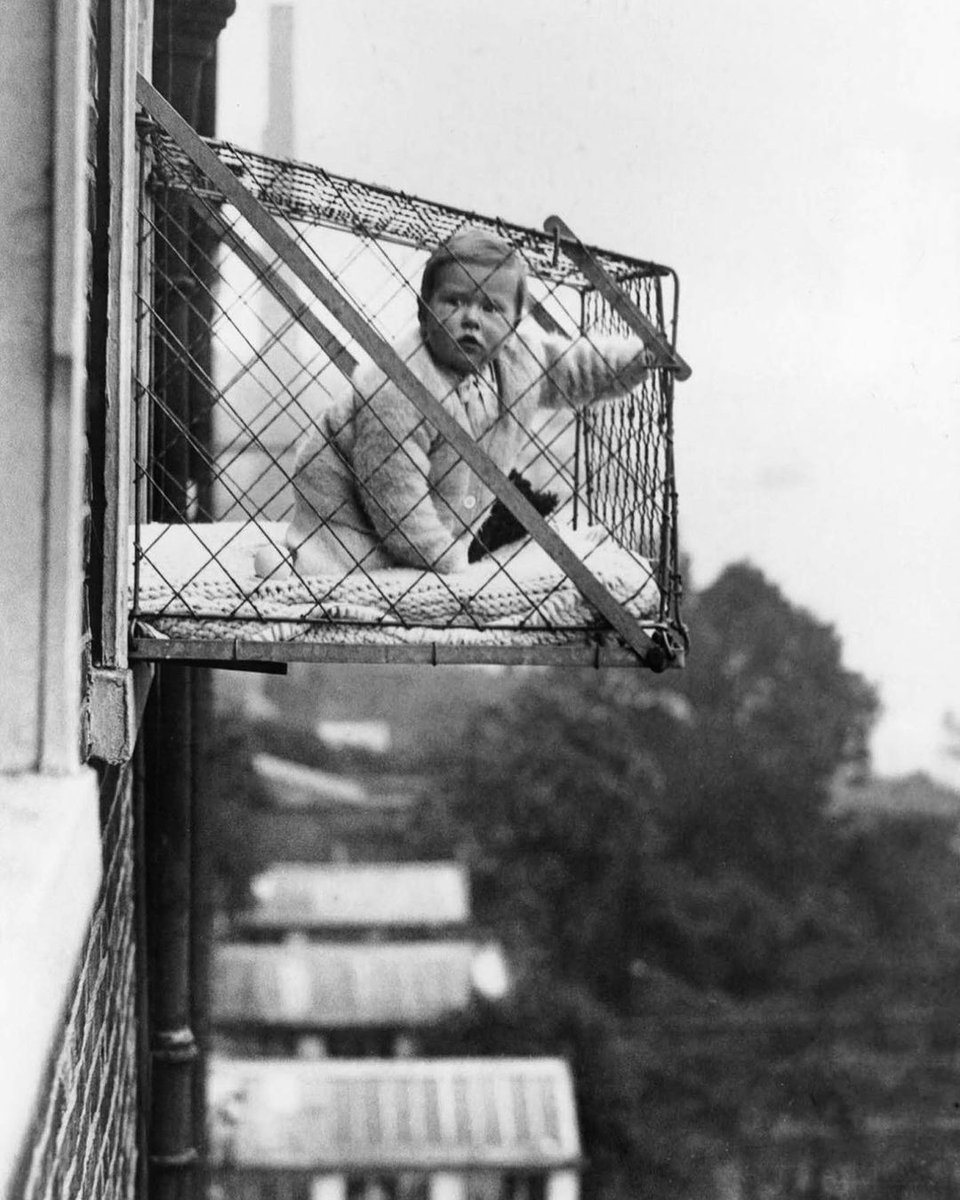
A baby cage, initially named a "health cage", was essentially a bed encased in wire, dangling from the windows of city apartments. Mrs. Robert C Lafferty devised this concept to allow babies access to fresh air and sunlight despite living in densely populated cities.
Baby cages witnessed a surge in popularity in London during the 1930s. These were designed specifically for children residing in cities without access to gardens. Local community groups, such as the Chelsea Baby Club, distributed these baby cages to members without gardens. However, the start of World War 2 and the subsequent Battle of Britain led by the Luftwaffe put an end to the use of baby cages throughout London. Despite this, they made a comeback in 1953.
Eventually, by the mid-1900s, the demand for baby cages gradually dwindled, perhaps due to rising safety concerns and the increased traffic in urban settings.
Today in “HK can’t have nice things”: “The paintings – which were collected by cleaners over several years – were taken down & thrown away per the Housing Department’s request…The department was worried that too many people would visit the spot and obstruct the workers…”





![BreizhWeCan's tweet photo. Twello en [PHOTO] 💙 #MagnifiqueBretagne #plougrescant
© The Modern Leper https://t.co/rmbU5OXA6v](https://pbs.twimg.com/media/FvGdd-iXgAAv1bx.jpg)


