🎉 Something New Is Coming to Around Greece
For 25 years, Around Greece has been helping travellers discover Greece and the Greek islands.
Now we're starting a new chapter.
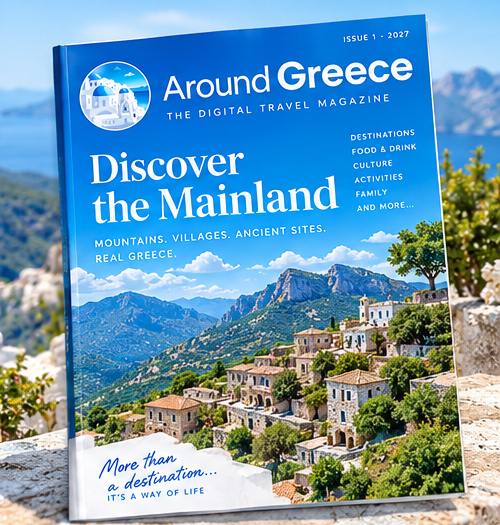
In January 2027, we're launching the Around Greece Travel Magazine, a FREE digital magazine packed with destinations, travel inspiration, Greek food, seasonal events, stories, hidden gems, and much more.
And we'd love you to be there from Issue #1.
Make sure you're subscribed so the first issue lands in your inbox when it launches.
Subscribe today at https://t.co/VGQjMN6Hdf
Follow @AroundGreece and please share this post with family and friends who would be interested in our upcoming magazine.
#AroundGreece #Greece #Greekislands
Areopagus at Dusk
For a memorable view of Athens, you don't always need to book a rooftop restaurant or travel far from the historic centre. Areopagus Hill offers a remarkable vantage point close to the Acropolis, with views that become especially atmospheric as evening approaches.
Known in English as Mars Hill, Areopagus has an important place in ancient Athenian history. It was associated with a council that played a role in the city's political and judicial life. The hill is also connected with Greek mythology and later Christian tradition, making it a site of interest for several reasons.
Today, many visitors come for the scenery. From the rocky summit, you can look towards the Acropolis, the surrounding historic neighbourhoods and the modern city stretching into the distance. As daylight fades, Athens gradually lights up, creating a striking contrast between its ancient monuments and contemporary streets.
Here's how to make the most of a visit:
• Arrive before sunset: Give yourself time to find a comfortable spot and watch the colours change across the city.
• Look towards the Acropolis: The nearby Parthenon and surrounding monuments create an unforgettable backdrop.
• Take in the city panorama: Look beyond the historic centre to appreciate just how far Athens extends.
• Explore the surrounding area: Combine the visit with a walk through the streets around the Acropolis and the old neighbourhoods nearby.
• Bring suitable footwear: The exposed rock can be uneven and slippery, particularly in low light.
Areopagus is a relatively simple attraction, but that is part of its appeal. There are no elaborate displays or lengthy routes to follow. The experience comes from the view, the history beneath your feet and the changing atmosphere of the city.
Take care when walking on the rock, especially after dark or in damp conditions, and avoid getting too close to exposed edges. The best way to enjoy the hill is to slow down, find a safe place to stand and let Athens unfold below you.
Have you seen the Acropolis at dusk from Areopagus? What did you think of it?
❤️ Tag #aroundgreece
❤️ Follow @aroundgreece
#Areopagus #Athens #Greece
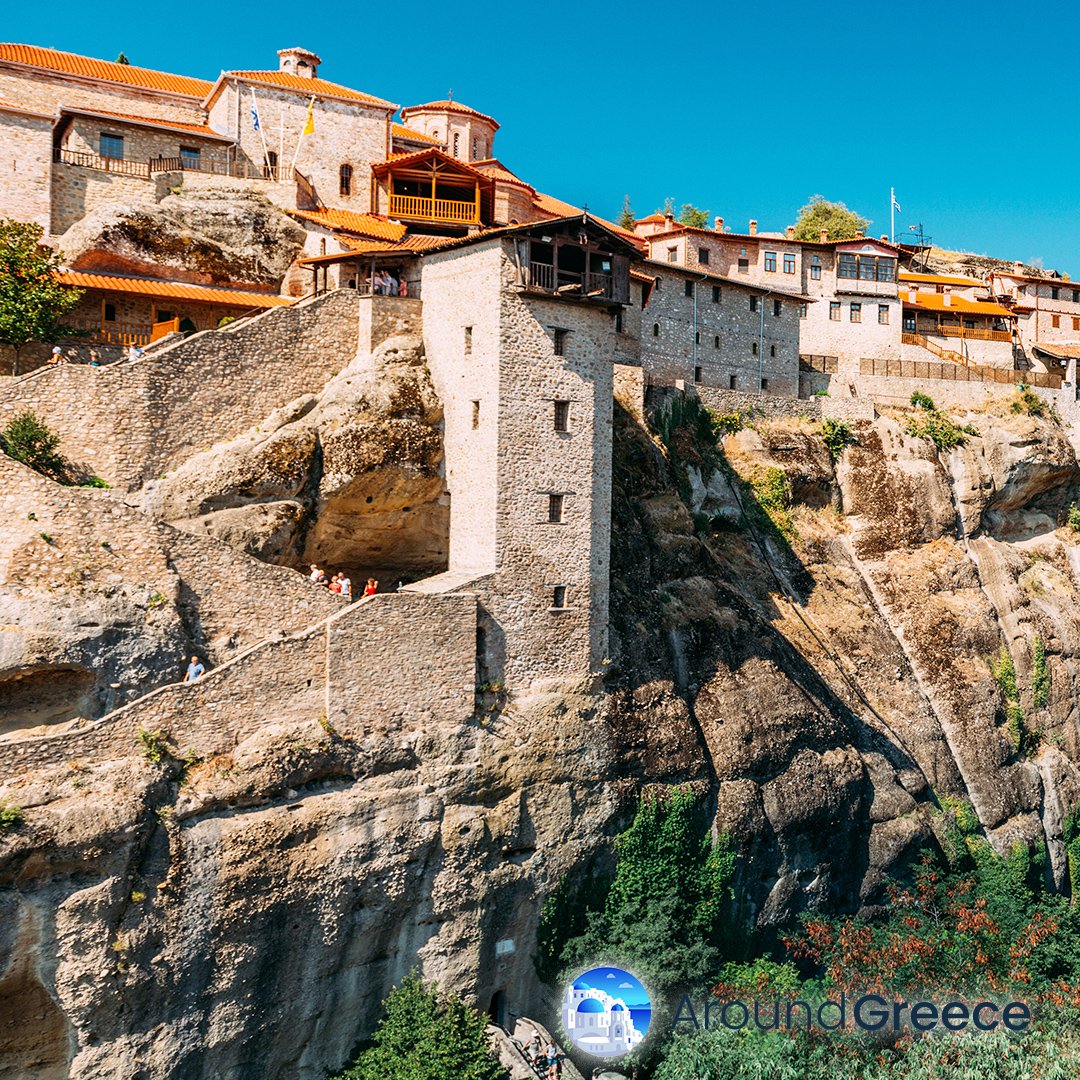
Monasteries of Meteora
There are places in Greece that impress you with their history, and others that leave you speechless with their scenery. Meteora manages to do both. Here, enormous rock formations rise dramatically above the plain of Thessaly, with historic monasteries perched high on their summits.
The landscape is extraordinary, but the story behind it is just as fascinating. Orthodox monks began settling in the area many centuries ago, seeking quiet places for prayer and contemplation. Over time, monasteries were built on the rocky heights, creating one of Greece's most remarkable cultural and spiritual landscapes.
Today, Meteora is recognised as a UNESCO World Heritage Site. Several monasteries remain active and welcome visitors, offering a glimpse into Orthodox religious life, architecture and artistic traditions. Each has its own character, and the views from the surrounding roads and paths are impressive in their own right.
During a visit, you can:
• Explore the monasteries: Discover historic churches, religious artwork, courtyards and collections, depending on which sites are open.
• Admire the rock formations: The towering cliffs and isolated pillars create a landscape unlike almost anywhere else in Greece.
• Take a scenic drive: View the monasteries from different viewpoints and stop for photographs along the way.
• Walk selected trails: Hiking routes provide a closer connection to the landscape, although some paths are steep and require suitable footwear.
• Experience the changing light: Early morning and late afternoon can bring beautiful colours and dramatic shadows across the rocks.
A visit also calls for a little practical planning. Monasteries have individual opening schedules and may close on different days, so check ahead if there are particular ones you want to see. Modest clothing is required, and visitors should respect the religious nature of the sites.
Nearby Kalambaka and Kastraki make convenient bases for exploring the area, with accommodation, restaurants and access to the surrounding landscape.
Meteora is not simply a collection of beautiful buildings. It is a remarkable meeting of geology, faith, architecture and human perseverance. Even after you have left, the sight of those monasteries high above the plain is likely to stay with you.
❤️ Tag #aroundgreece
❤️ Follow @aroundgreece
#Meteora #Greece
The White Tower of Thessaloniki
Few landmarks are as closely associated with a Greek city as the White Tower is with Thessaloniki. Standing on the waterfront, it has become a familiar meeting point and one of the first places many visitors want to see when exploring Greece's second-largest city.
The tower dates to the Ottoman period and has served different purposes throughout its history, including a defensive role. It was also associated with imprisonment, giving it a past that is more complex than its bright appearance might suggest. Today, it is a major cultural attraction and a powerful symbol of Thessaloniki.
The setting makes a visit especially enjoyable. The waterfront promenade stretches along the gulf, offering open views, places to sit and plenty of opportunities to observe the rhythm of city life.
There are several ways to experience the White Tower and its surroundings:
• Walk around the tower: Appreciate its distinctive shape and take photographs from different angles along the waterfront.
• Explore the exhibitions: When open, the interior displays offer insight into Thessaloniki's history and cultural development.
• Climb to the upper levels: The views provide a different perspective on the city, the harbour area and the Thermaic Gulf.
• Follow the waterfront promenade: Continue walking to enjoy public spaces, sculptures, cafés and views across the water.
• Visit towards evening: The atmosphere becomes particularly appealing as the daylight softens and locals gather beside the sea.
The White Tower is also an excellent starting point for exploring the wider city.
From here, you can head towards shopping streets, historic neighbourhoods, museums and the many cafés and restaurants for which Thessaloniki is famous.
Allow a little extra time rather than treating it as a quick photo stop. Whether you go inside or simply enjoy the waterfront, the tower offers a memorable introduction to a city where history and modern life meet at every turn.
Have you been to the White Tower in Thessaloniki?
❤️ Tag #aroundgreece
❤️ Follow @aroundgreece
#WhiteTower #Thessaloniki #Greece
Kavala Greece
Built around a beautiful natural harbour in northern Greece, Kavala is a city that deserves more than a quick stop on the way somewhere else. Its waterfront setting, historic architecture and lively local atmosphere make it an appealing destination in its own right.
One of Kavala's most striking landmarks is the Kamares aqueduct, whose tall arches create an extraordinary sight in the middle of the city. The structure is closely associated with the Ottoman period, although its history reflects earlier water-supply infrastructure as well.
The old district of Panagia is another highlight. Situated on a peninsula overlooking the sea, it is filled with narrow streets, traditional houses and historic buildings. At the top, Kavala's castle offers views over the rooftops, harbour and surrounding coastline.
A day in Kavala could include:
• Admiring the Kamares aqueduct: Walk beneath or around the impressive arches and appreciate how the structure forms part of the modern city.
• Exploring Panagia: Take your time through the old neighbourhood, where the streets reveal a more traditional side of Kavala.
• Visiting Kavala Castle: Enjoy panoramic views and discover more about the city's strategic history.
• Strolling along the harbour: Watch the boats, stop for a coffee and enjoy the relaxed pace beside the water.
• Trying local food: Look for fresh seafood and regional specialities in the city's tavernas and restaurants.
Kavala's history is shaped by its position between Europe and the East, with influences visible in its architecture and cultural heritage. It is also closely associated with the tobacco trade, which played an important role in the city's development.
What makes Kavala especially enjoyable is the balance between sightseeing and everyday life. You can spend the morning exploring historic streets, enjoy a long lunch by the harbour and finish the afternoon watching the light change over the sea.
For travellers exploring northern Greece, Kavala is a rewarding destination with plenty to discover beyond its first impressive view.
Have you visited the beautiful city of Kavala in North Greece? We'd love to hear about your experiences there.
❤️ Tag #aroundgreece
❤️ Follow @aroundgreece
#Kavala #Greece
Monemvasia Greece
Rising dramatically from the coast of southeastern Peloponnese, Monemvasia is one of Greece's most distinctive historic destinations. From a distance, its great rocky outcrop appears almost like a natural fortress rising straight out of the sea. Hidden on the other side is a remarkably atmospheric medieval settlement.
The name Monemvasia is often associated with the idea of a single entrance, a fitting description of the narrow gateway that connects the fortified town with the mainland. Once inside, cars are left behind and the experience becomes wonderfully pedestrian, with stone pathways leading between old buildings, courtyards and churches.
There is no need to rush through Monemvasia. Much of its appeal comes from following the lanes and seeing where they lead, whether towards a quiet square, an unexpected sea view or a small café tucked into a historic building.
Make time for these experiences:
• Walk through the Lower Town: Explore the narrow streets, vaulted passages and restored stone houses.
• Visit the Church of Elkomenos Christos: This historic church stands in the main square and is an important landmark within the settlement.
• Climb towards the Upper Town: The uphill route takes you to the remains of the old citadel and offers spectacular views across the surrounding coastline.
• Discover the sea-facing terraces: Stop for a coffee, a meal or a moment to enjoy the sound of the waves below.
• Stay after the day visitors leave: An overnight stay allows you to experience the settlement in the quieter hours of early morning and evening.
History is everywhere here, but Monemvasia is not simply an open-air museum. People still live, work and welcome visitors within its walls, giving the settlement a sense of life beyond its medieval appearance.
Wear comfortable shoes, as the stone lanes can be uneven and some routes are steep. Allow enough time to explore at your own pace. Monemvasia rewards curiosity, and its most memorable corners are often found when you take the longer way around.
Is Monemvasia on your bucket list, or have you already been there?
❤️ Tag #aroundgreece
❤️ Follow @aroundgreece
#Monemvasia #Peloponnese #Greece
Kamena Vourla
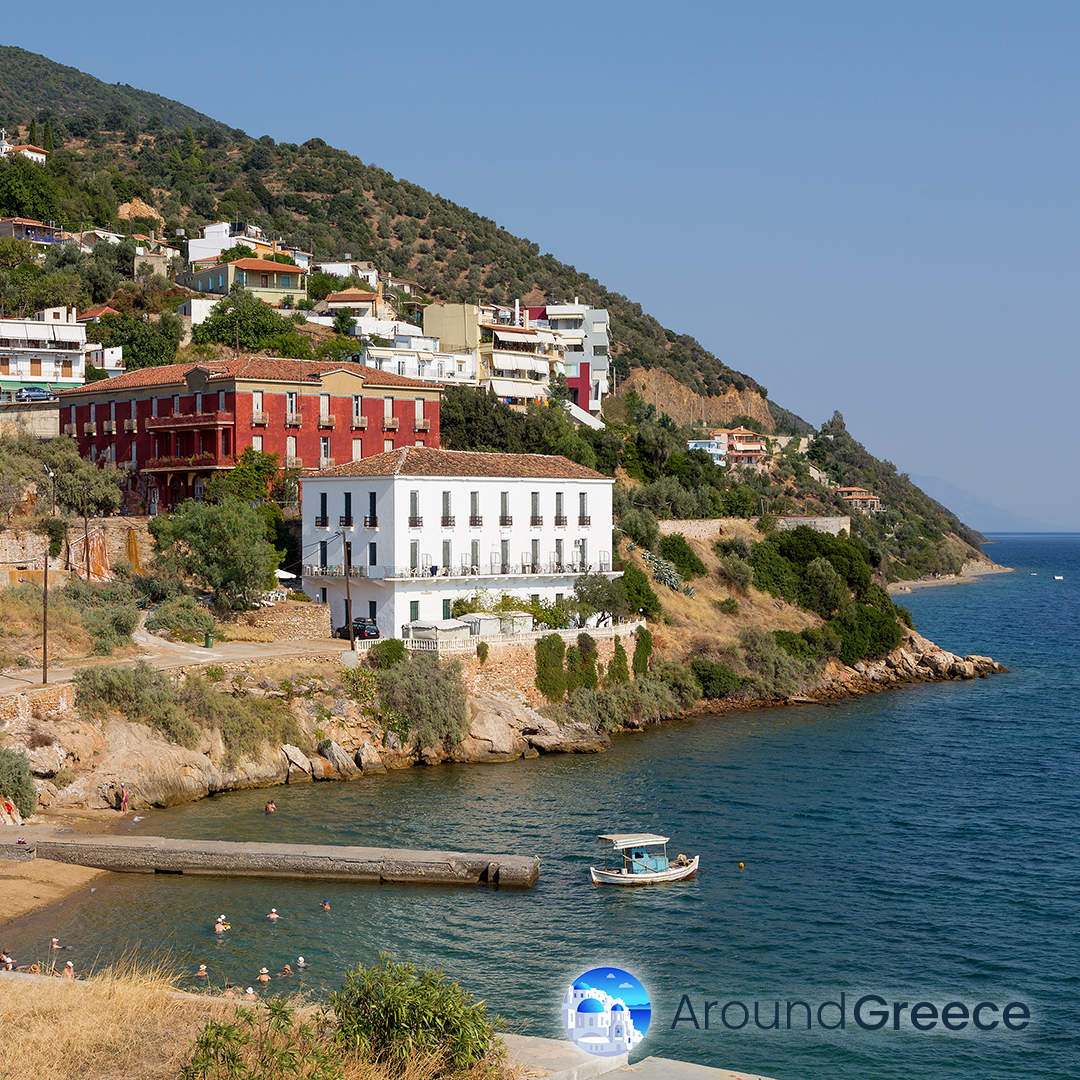
Sometimes a Greek getaway calls for ancient ruins and packed sightseeing days. At other times, all you need is a seaside promenade, a good meal and somewhere peaceful to enjoy the view. Kamena Vourla offers exactly that kind of escape.
Located on the coast of Central Greece, this seaside town lies between the mountains and the waters of the North Euboean Gulf. Its setting gives it a distinctive character, combining coastal scenery with a backdrop of green hills and mountain slopes.
Kamena Vourla is particularly well known for its thermal springs, which have attracted visitors for generations. The town developed as a spa destination and remains a popular place for people looking to relax and take a break from everyday routines.
Here are a few ways to enjoy your visit:
• Take a waterfront stroll: Walk beside the sea, enjoy the views across the gulf and watch the boats moving along the coast.
• Discover the thermal springs: Learn about the area's spa tradition and look into available bathing or wellness facilities.
• Enjoy a seafood lunch: Choose a seaside restaurant and sample fresh fish, grilled dishes and traditional Greek favourites.
• Explore the surrounding countryside: The nearby mountains and coastal roads offer opportunities for scenic drives and short excursions.
• Make time for sunset: Find a comfortable spot by the water as the light changes over the gulf.
Kamena Vourla is also a convenient base for exploring parts of Central Greece, depending on how much time you have and where you want to travel next.
It may not demand your attention with grand monuments or dramatic nightlife, but that is part of its appeal. Here, the pleasure lies in simple things: salty air, good food, warm hospitality and a day that doesn't need to be overplanned.
Have you ever heard of Kanema Vourla? It is a place you'd like to visit?
❤️ Tag #aroundgreece
❤️ Follow @aroundgreece
#KamenaVourla #Greece
Athens Roman Agora at Dusk
Athens has no shortage of ancient landmarks, but the Roman Agora offers a particularly atmospheric experience as the day draws to a close. The light softens, the surrounding streets become more inviting, and the remains of an ancient marketplace take on a warm, timeless appearance.
Built during the Roman period, the Roman Agora served as a commercial and public centre for the city. Although much of the original complex has disappeared, its surviving structures still offer a sense of the activity that once filled this part of Athens.
The setting is just as appealing as the history. The site sits close to the lively neighbourhood of Monastiraki, where busy streets, cafés and shops provide a striking contrast to the ancient ruins.
During your visit, look out for:
• The Gate of Athena Archegetis: An impressive entrance that gives a sense of the scale and importance of the ancient marketplace.
• The Tower of the Winds: One of the site's most distinctive monuments, known for its unusual design and connection to ancient timekeeping and weather observation.
• The surrounding historic streets: Wander through the nearby lanes and discover small shops, traditional tavernas and views towards the Acropolis.
• The changing evening light: The warm tones of dusk bring out the textures of the ancient stone and make this a rewarding spot for photography.
Even if you have visited Athens many times, the Roman Agora is worth seeing at a different time of day. The atmosphere changes with the light, offering a more reflective experience than the bustle of the city might suggest.
Check the site's opening hours before planning an evening visit, as the archaeological area may close before dusk. Even from the surrounding streets, however, this historic corner of Athens is well worth exploring.
Did you visit the Roman Agora when you were in Athens?
❤️ Tag #aroundgreece
❤️ Follow @aroundgreece
#RomanAgora #Athens #Greece
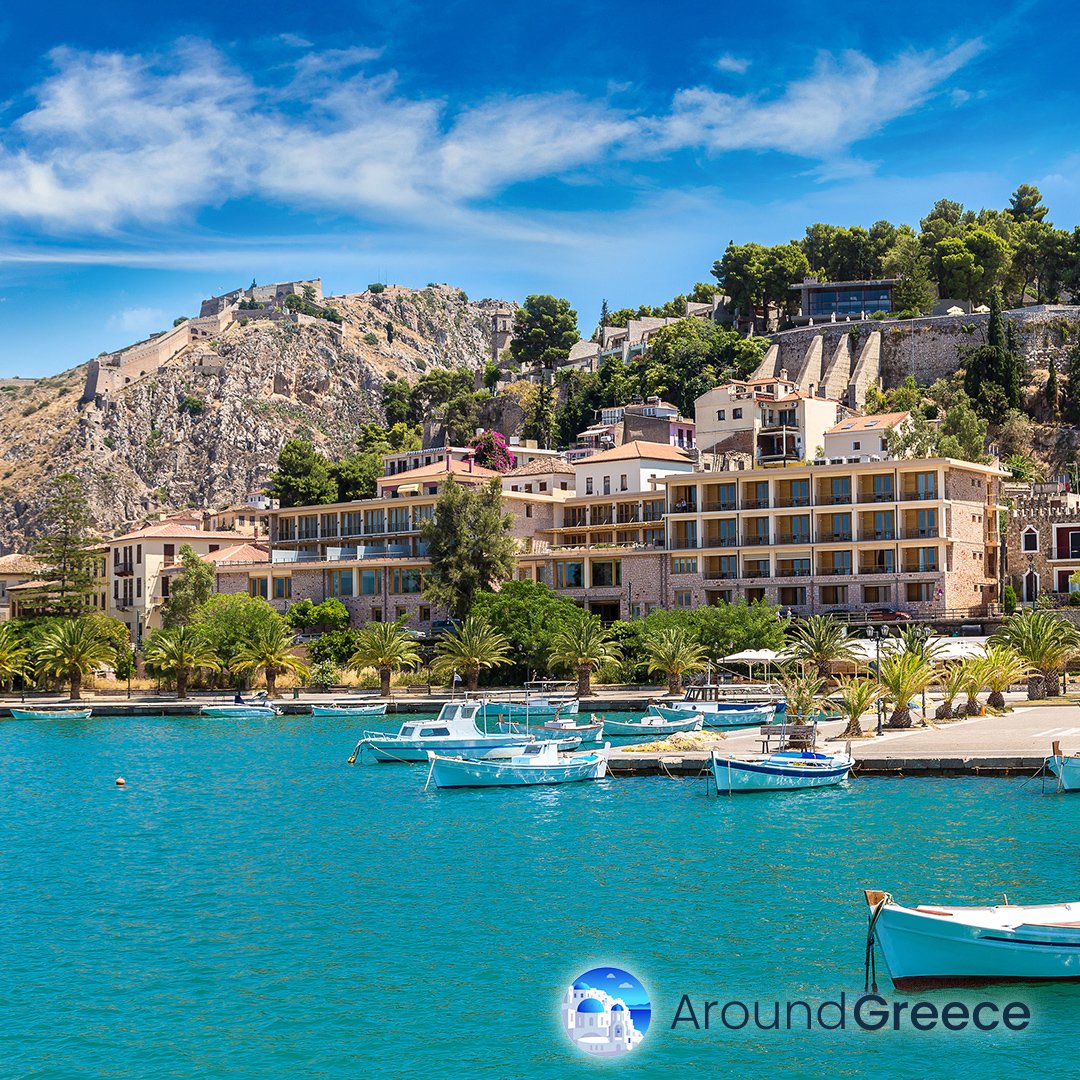
Nafplion Greece
Some Greek towns are beautiful, but Nafplion has something extra. It combines history, romantic streets, waterfront views and a relaxed atmosphere that makes it easy to spend an entire day exploring.
Once the first capital of modern Greece, Nafplion has a fascinating past that can still be seen in its architecture and historic landmarks. The Old Town is a delight to explore, with colourful buildings, elegant balconies, cobbled lanes and inviting little squares.
There is plenty to see and do during a visit:
• Explore the Old Town: Discover hidden courtyards, traditional shops and streets that seem to belong in another century.
• Visit Palamidi Fortress: Climb the famous staircase or reach the fortress by road for sweeping views over Nafplion and the Argolic Gulf.
• See Bourtzi Castle: This small fortress stands on an island just offshore and is one of the town's most recognisable sights.
• Walk along the waterfront: Enjoy the sea breeze, watch the boats and admire the town from a different perspective.
• Find a favourite café: Take a break in one of the squares and enjoy the unhurried rhythm of local life.
Nafplion is also a wonderful place to enjoy Greek food, from leisurely lunches to evenings spent around a table with local dishes and a glass of wine.
Whether you visit for a day or stay longer, give yourself time to wander. Some of Nafplion's best moments are not found on a sightseeing list, but in the little discoveries made along the way.
Have you visited Nafplion? Did you love it as much as we do?
❤️ Tag #aroundgreece
❤️ Follow @aroundgreece
#Nafplion #Greece #Greekislands
Agios Konstantinos Beach, Astypalaia
Astypalaia has a distinctive character that combines the architecture of the Cyclades with the landscapes and traditions of the Dodecanese. Away from the main settlement, its coastline offers plenty of places to escape the crowds and enjoy the sea.
Agios Konstantinos Beach is a worthwhile stop for anyone exploring the island by car or planning a relaxed day beside the water.
A visit is all about enjoying the natural setting:
•Swim in the clear Aegean water.
•Relax beside the shore.
•Take in the surrounding coastal scenery.
•Explore nearby beaches and viewpoints.
•Enjoy a scenic drive around the island.
•Head to Chora afterwards for an evening walk.
The appeal of beaches like Agios Konstantinos lies in their simplicity. You can spend the morning swimming, take a break in the shade and enjoy the views without needing to organise a full day of activities.
As always on a Greek island, conditions can vary with the wind and the season, so it is worth checking the local weather before setting off.
Agios Konstantinos can also be part of a wider exploration of Astypalaia. The island's roads reveal changing views of rocky hills, small bays and the open sea.
Later in the day, make your way to Chora. The whitewashed houses climb the hillside beneath the Venetian castle, creating one of the island's most recognisable scenes.
After a day by the water, a stroll through the narrow streets followed by dinner in town makes a fitting end to the day.
Astypalaia is at its best when you give yourself room to explore. Agios Konstantinos offers a peaceful coastal stop, while the island's villages and landscapes provide plenty of reasons to keep wandering.
What are your favourite beaches in Astypalaia?
❤️ Tag #aroundgreece
❤️ Follow @aroundgreece
#Astypalaia #Greece #Greekislands
Let's be honest...
Is August really the best time to visit Greece? 🤔
Or are May, June, September, and October the real sweet spot?
Tell us when you go, why you love that time of year, and what the rest of us are missing.
Follow @AroundGreece for your daily dose of Greece.
#AroundGreece #Greece #Greekislands
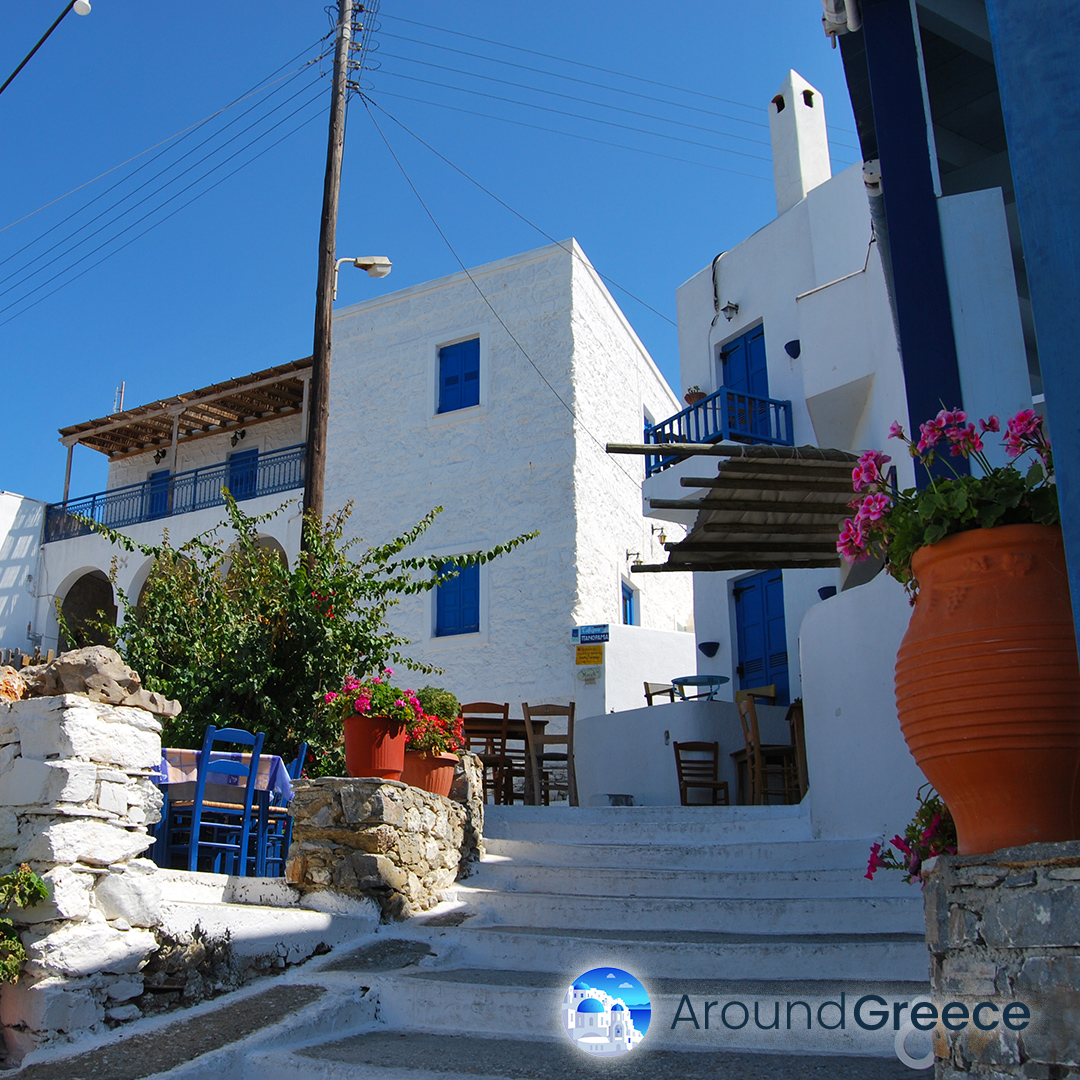
Tholaria Village, Amorgos
Tholaria is one of those Amorgos villages that rewards visitors who venture beyond the harbour and beaches. Located above Aegiali, it sits among the island's rugged hills, overlooking the bay and the deep blue Aegean.
The village has retained much of its traditional character, with whitewashed houses, narrow lanes and small gathering places where local life unfolds at an unhurried pace.
There is plenty to enjoy during a visit:
•Wander through the village's narrow streets.
•Stop for coffee in a traditional café.
•Enjoy local food in a family-run taverna.
•Take in the views over Aegiali Bay.
•Explore walking routes in the surrounding hills.
•Discover nearby villages and chapels.
Tholaria is particularly appealing if you enjoy travelling slowly. It is not a place that demands a long checklist of attractions. Instead, the pleasure comes from exploring the streets, noticing architectural details and finding a comfortable place to sit.
The views are a major part of the experience. From around the village, the landscape opens towards the sea, with steep hills and the coastline creating a dramatic backdrop.
Amorgos is also well known for its walking routes, and the area around Aegiali offers opportunities to explore the countryside on foot. If you enjoy hiking, consider combining a village visit with a walk, taking local conditions and the heat into account.
Food is another reason to linger. A meal in Tholaria gives you the chance to enjoy traditional island flavours in a setting that feels connected to the landscape around you.
Visit in the late afternoon and stay into the evening if you can. The village becomes particularly atmospheric as the light softens and the pace slows further.
Tholaria captures a quieter side of Amorgos, one that is less about famous landmarks and more about the experience of being somewhere genuinely distinctive.
Is Amorgos an island you'd like to visit?
❤️ Tag #aroundgreece
❤️ Follow @aroundgreece
#Amorgos #Greece #Greekislands
Visiting the Island of Tinos
Tinos is often associated with religious pilgrimage, but there is much more to this Cycladic island than its famous church. It has a rich artistic heritage, distinctive villages, beautiful coastlines and a landscape that invites exploration.
The island's marble-working tradition is visible in its architecture, particularly in villages where carved doorways, fountains and decorative details reveal the skill of local craftspeople.
A trip around Tinos could include:
• Visiting the Church of Panagia Evangelistria.
• Exploring Pyrgos and its marble craftsmanship.
• Wandering through the unusual landscape of Volax.
• Discovering traditional villages such as Kardiani.
• Swimming at beaches around the island.
• Sampling local cheeses, sweets and traditional dishes.
Pyrgos is one of the island's most rewarding stops, with elegant marble details and a strong connection to Greek sculpture. Volax offers something completely different, with enormous rounded granite boulders scattered across the surrounding countryside.
The island also has a distinctive rural character. Traditional dovecotes, terraced hillsides and small agricultural settlements create a landscape that feels quite different from the busier tourist centres of the Cyclades.
And then there are the beaches. Depending on where you go, you can find sheltered swimming spots or more exposed coastlines shaped by the Aegean winds.
Food deserves a place on the itinerary, too. Local cheeses, artichokes, honey and traditional sweets are among the specialities worth looking out for.
Tinos is an island best explored with a little curiosity. Take the smaller roads, stop in villages that catch your eye and give yourself time to appreciate the details.
You may arrive for the famous church, but there is a good chance the villages and landscapes will be what you remember most.
Have you visited the island of Tinos? What was your experience like?
❤️ Tag #aroundgreece
❤️ Follow @aroundgreece
#Tinos #Greece #Greekislands
Let's settle a very serious Greek island debate. 😎
The Cyclades or Ionian Islands?
Whitewashed villages and dramatic blue seas, or green landscapes and turquoise coves?
You can only pick one. Defend your choice!
Follow @AroundGreece for more Greek inspiration.
#AroundGreece #Greece #Greekislands
Chania’s Old Town, Crete
Chania is one of Crete's most appealing destinations, combining a historic harbour, atmospheric streets and a lively modern city. Its Old Town is a wonderful place to explore on foot, with Venetian architecture and traces of different historical periods around almost every corner.
The harbour is the obvious starting point, but the surrounding neighbourhoods deserve just as much attention.
During your visit, make time for:
• Walking around the Venetian Harbour.
• Seeing the historic lighthouse.
• Exploring the narrow streets of the Old Town.
• Visiting the neighbourhood of Splantzia.
• Browsing small shops and local markets.
• Enjoying Cretan food at a traditional taverna.
The harbour looks different throughout the day. In the morning, it is a lovely place for a coffee and a relaxed walk. By evening, the waterfront becomes livelier, with restaurants filling up and lights reflecting across the water.
Step away from the harbour and you'll discover another side of Chania. Narrow streets lead into small squares, past old houses and through neighbourhoods where everyday life continues alongside the city's tourist attractions.
Food is an important part of the experience. Look out for Cretan cheeses, local olive oil, fresh seafood and seasonal dishes that showcase the island's agricultural traditions.
Chania also makes a useful base for exploring western Crete, with beaches, mountain landscapes and traditional villages within reach.
Still, don't make the mistake of treating the city simply as somewhere to sleep between excursions. Allow time to enjoy Chania itself.
A slow morning, an afternoon wandering the Old Town and an evening beside the harbour can be every bit as memorable as a trip to one of Crete's famous beaches.
Was Chania one of your favourite places in Crete?
❤️ Tag #aroundgreece
❤️ Follow @aroundgreece
#Chania #Crete #Greece #Greekislands
Some people collect souvenirs
Others collect Greek sunsets, ferry tickets, taverna memories, photographs of blue doors, and stories that begin with "We found this amazing little place..."
What do you bring home from Greece that money can't buy?
Follow @AroundGreece for your daily does of Greece.
#AroundGreece #Greece #Greekislands
The Spa Town of Edipsos, Evia
On the northern coast of Evia, Edipsos has been attracting visitors to its thermal waters for centuries. It is one of Greece's best-known spa destinations, combining a traditional seaside town atmosphere with naturally heated springs.
The thermal waters emerge in various places around the area, including near the coastline, where warm water meets the sea. The result is a distinctive landscape that sets Edipsos apart from a typical beach resort.
There are several ways to enjoy a visit:
• Explore the thermal spring areas along the coast.
• Visit the town's historic spa buildings.
• Walk along the waterfront promenade.
• Enjoy cafés and tavernas by the sea.
• Discover nearby beaches and coastal villages.
• Take time to relax and enjoy the slower pace.
Edipsos has a long association with thermal bathing, and its spa culture has helped shape the town's identity. Visitors come for different reasons, from a relaxing break to an interest in the area's natural features and history.
The waterfront is a pleasant place to wander, particularly later in the day when the light softens and the town becomes more relaxed.
There is also plenty to enjoy beyond the springs. The surrounding northern Evia coastline offers opportunities for scenic drives, beach visits and discovering smaller settlements.
If you plan to experience the thermal waters, use designated bathing areas and follow local guidance, as natural spring temperatures can vary considerably.
Edipsos is not about racing from one attraction to another. It is about making time for yourself, enjoying the sea air and discovering a different side of Evia.
For anyone looking for a break with a little history and a slower rhythm, it makes a worthwhile addition to a trip around the island.
Have you visited the town of Edipsos in North Evia? We'd love to hear about your experience.
❤️ Tag #aroundgreece
❤️ Follow @aroundgreece
#Evia #Edipsos #Greece #Greekislands
The Kallimarmaro Stadium, Athens
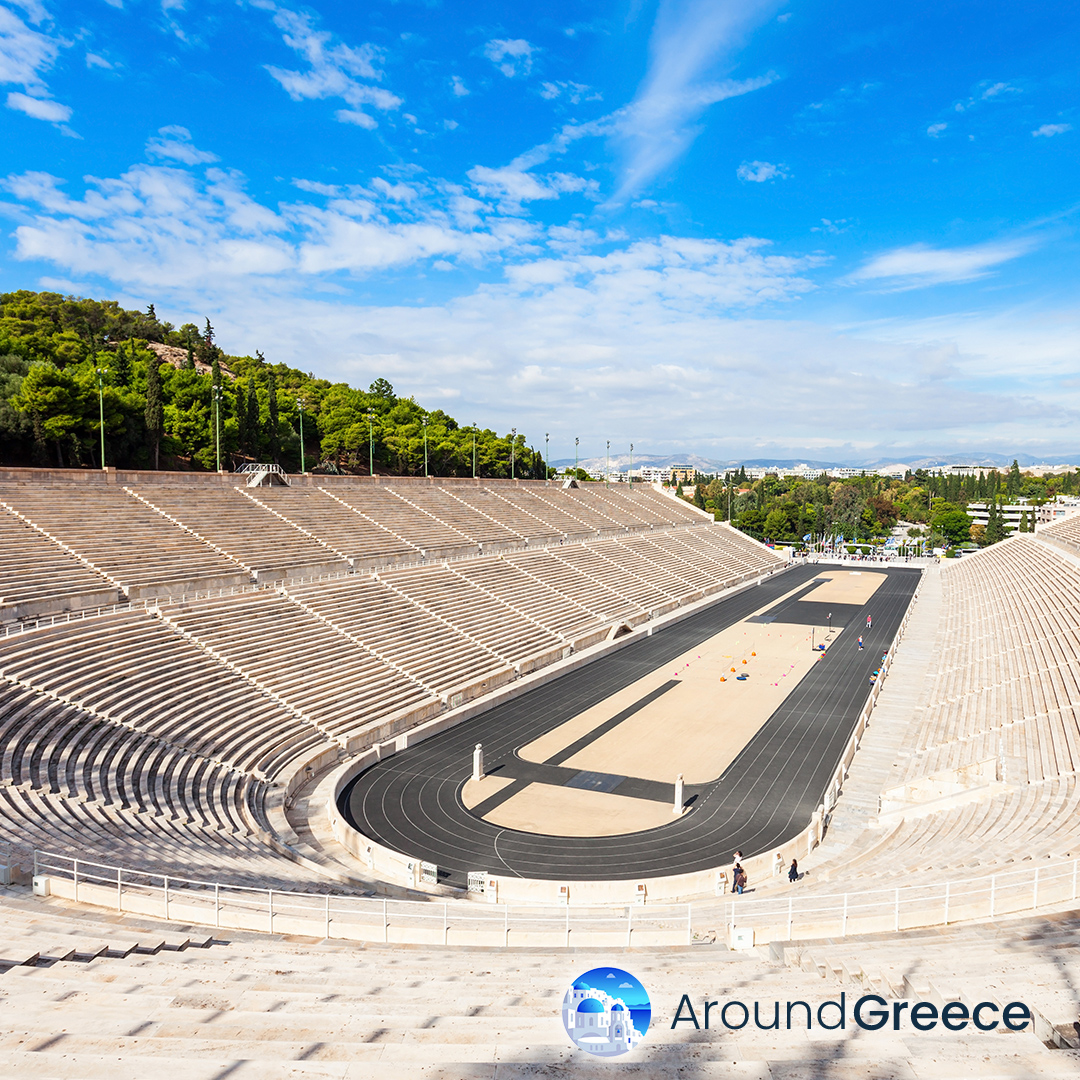
Athens is full of ancient monuments, but the Panathenaic Stadium offers a different kind of historical experience. Known locally as Kallimarmaro, meaning "beautiful marble", it is one of the city's most distinctive landmarks.
The stadium stands on the site of an ancient venue used for athletic competitions.
It was reconstructed in marble in the 19th century and hosted the opening and closing ceremonies of the first modern Olympic Games in 1896.
When visiting, take time to appreciate the scale of the arena.
• Walk around the marble seating tiers.
• Look across the full length of the track.
• Explore the stadium's Olympic history.
• Take photographs from the upper seating areas.
• Imagine the athletes competing before a packed crowd.
The stadium's all-marble appearance makes it instantly recognisable. From the stands, you can appreciate the horseshoe-shaped layout and the way the seating rises around the track.
For sports fans, the connection with the modern Olympic movement is particularly meaningful. The stadium remains part of Olympic tradition and is associated with the handover of the Olympic flame before each Summer Games.
But you don't have to be a sports enthusiast to enjoy it. The architecture alone makes the visit worthwhile, and the setting offers a fascinating contrast with the busy streets of modern Athens.
After your visit, you can continue towards the National Garden, the Zappeion or the surrounding central neighbourhoods.
Kallimarmaro is a reminder that Athens' history is not limited to temples and philosophers. It is also a city of athletic competition, public gatherings and traditions that continue to inspire people around the world.
Did you visit this unique stadium when you were in Athens?
❤️ Tag #aroundgreece
❤️ Follow @aroundgreece
#Kallimarmaro #Athens #Greece
The Pelion Coast
The Pelion peninsula in Thessaly offers a combination that is hard to resist: lush green mountains, traditional stone villages and a coastline filled with beautiful beaches.
Unlike many Greek coastal destinations, Pelion is not simply about the sea. The mountains are an essential part of the experience, with winding roads, forest trails and villages that seem to belong to another era.
Along the coast, you'll find plenty of opportunities to explore:
• Swim at beaches such as Agios Ioannis and Papa Nero.
• Discover the spectacular setting of Mylopotamos Beach.
• Visit coastal villages such as Damouchari.
• Explore traditional mountain settlements.
• Enjoy fresh seafood in seaside tavernas.
• Follow scenic routes through the surrounding countryside.
The eastern coast is particularly dramatic, with steep green hills dropping towards the Aegean. Beaches are often framed by vegetation and rock formations, creating a beautiful contrast between the forest and the sea.
Damouchari is a wonderful place to pause. Its small harbour and traditional character make it ideal for a relaxed stroll, while the surrounding coastline invites further exploration.
One of Pelion's greatest pleasures is how quickly the scenery changes. You can enjoy a swim in the morning, drive inland for lunch beneath enormous plane trees and spend the afternoon wandering through a stone-built village.
Food is part of the experience, too. Look out for local pies, seasonal dishes and meals prepared with ingredients from the surrounding countryside.
Pelion is a destination for people who enjoy variety without having to travel far. Give yourself enough time to explore both the coast and the mountains, and you'll discover a part of Greece that feels wonderfully different from the typical island holiday.
Have you heard of Pelion before?
❤️ Tag #aroundgreece
❤️ Follow @aroundgreece
#Pelion #Greece