People living in rural and remote Indigenous communities can face significant barriers to accessing physical therapy and other rehabilitation services.
An initiative supported by @UBC, the Physiotherapy Association of British Columbia and Arthritis Research Canada aims to better understand these challenges and identify opportunities to improve access to therapy services.
The Outreach Therapy Services in Indigenous Rural and Remote Communities of BC Initiative brings together Indigenous communities, healthcare providers and partner organizations to explore how therapy services are currently delivered, where gaps exist and how services could better meet community needs.
Find out how this initiative is making a difference: https://t.co/3orL5kkDcV"
Rosie Doiron was diagnosed with arthritis when she was just three years old. Decades later, she’s still finding ways to move, stay active and do what she loves.
For Rosie, being physically active is a way to maintain her strength and look ahead with hope. Now, she wants to encourage others living with arthritis to keep moving in ways that work for them.
Your donation can help advance arthritis research and improve the lives of people living with arthritis.
Don't miss your chance to TRIPLE your impact. Donate to support arthritis research by December 1: https://t.co/DW2y7ApezS
Check out Rosie's story: https://t.co/eA60fMakMb
How does healthy eating fit into life with gout?
For Doug Park, living with gout has shaped how he thinks about eating and managing his health. But the relationship between food and gout is more complex than simply knowing what to eat or avoid.
Join Arthritis Research Canada for our Healthy Eating and Gout Education Series webinar to hear Doug’s perspective and explore what research tells us about healthy eating and gout.
Register for the free webinar on December 2 at 10 am Pacific Time (British Columbia): https://t.co/gpdrj964jz
Check out our website for more resources: https://t.co/Xbsv2qgkyq
Sarah Frazer was just 13 when she was diagnosed with rheumatoid arthritis and lupus nephritis. An active young athlete, she never expected arthritis to become part of her life.
This holiday season, your gift can help advance arthritis research and support a future with better answers for people like Sarah. Gifts made by Dec 1 will be TRIPLED.
Donate here: https://t.co/hbLQTZQ6eK
Read Sarah’s story: https://t.co/HRkxSIOPFu
How is what we eat connected to gout? And what does research tell us about healthy eating and gout?
Arthritis Research Canada's Dr. Natalie McCormick, Dr. Hyon Choi, and Dr. Sharan Rai explore how eating patterns and other lifestyle factors affect gout in their research.
Join us for our Healthy Eating and Gout Education Series webinar with Drs. McCormick and Choi on December 2. https://t.co/ncWlSaso9g
Explore our research and resources: https://t.co/fco5j2R5xc
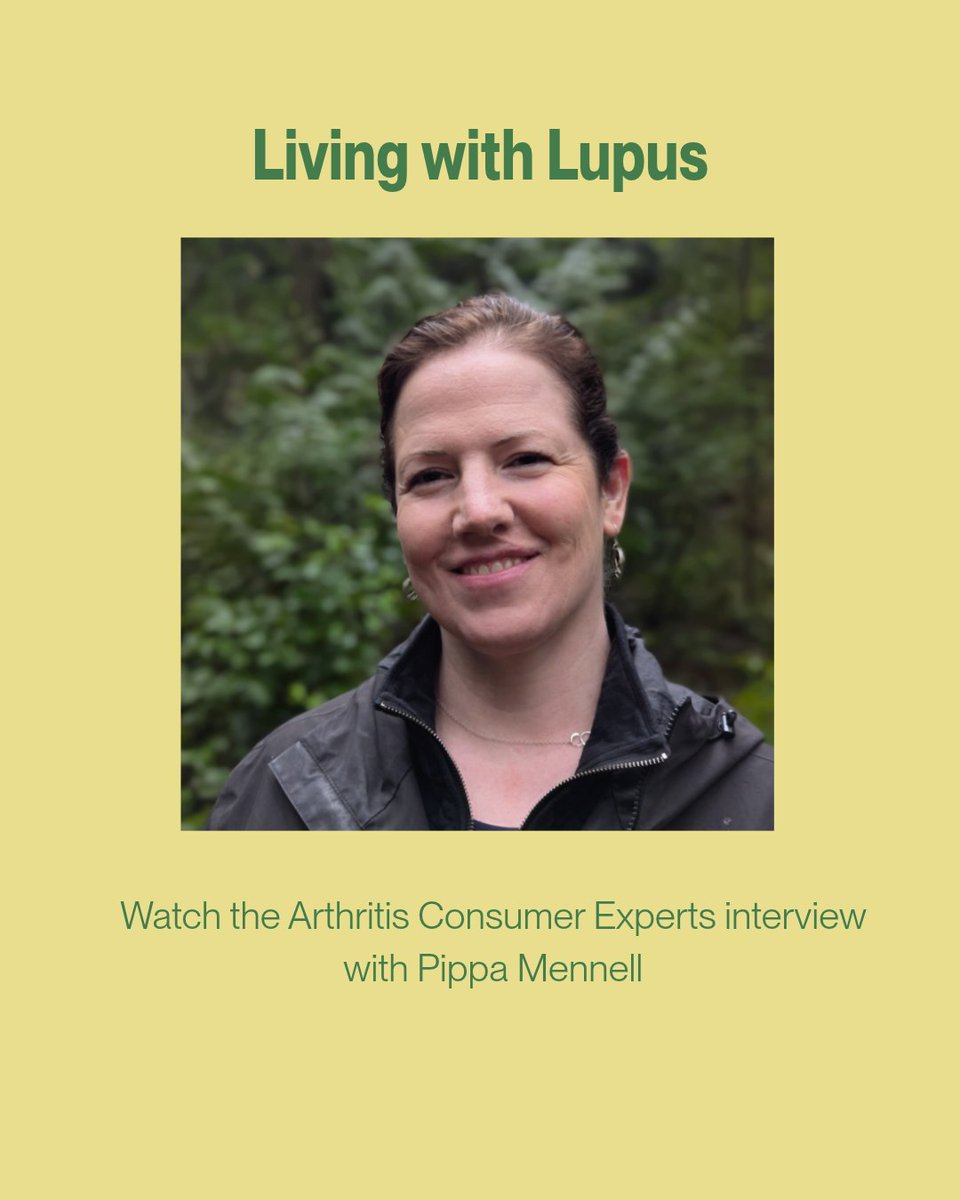
What is it like to live with lupus? And how can people navigate the uncertainties that come with the disease?
In this episode of Arthritis at Home with @ACEJointHealth, Pippa Mennell, who is a member of Arthritis Research Canada’s Arthritis Patient Advisory Board, shares her lived experience with lupus, from diagnosis and treatment to managing flares, fatigue, relationships, and everyday life. Watch it here: https://t.co/1LhriacuTj
What role does food play in managing gout?
Join Arthritis Research Canada for an upcoming Education Series webinar on Healthy Eating and Gout. It's happening on Wednesday, December 2, at 10 am Pacific Time (British Columbia).
Hear from scientists Dr. Hyon Choi and Dr. Natalie McCormick, along with insights from trainee Dr. Sharan Rai, and learn about what research tells us about food, eating patterns, and gout.
Learn more about our gout research: https://t.co/jBm2wWSVGn
Register for the webinar: https://t.co/iH12ZZs0id
Day 3 of the American College of Rheumatology (ACR) conference brings a final round of research highlights from Arthritis Research Canada scientists and trainees.
Here are some of the highlights from Day 3:
· A study by Arthritis Research Canada scientist Dr. Susan Bartlett from McGill University shows that even when rheumatoid arthritis is deemed to be well controlled, people often continue to have persistent symptoms of pain, fatigue, poor sleep and physical limitations.
· A study by scientist Dr. Lihi Eder from the University of Toronto highlights differences in how men and women respond to different treatments for psoriatic arthritis.
· Scientist Dr. Ines Colmegna from McGill University led a Canadian study to evaluate how COVID vaccines protected people with rheumatic diseases taking immunosuppressive medications. They found that people taking rituximab or mycophenolate had higher risk of hospitalization or death from COVID throughout the pandemic, but that vaccination with booster doses reduced that risk, providing strong protection again severe COVID disease.
· A study by trainee Dr. Derin Karacabeyli, scientists Drs. Diane Lacaille and Hui Xie, and patient partner Eileen Davidson, highlights disparities in access to new highly effective anti-obesity medication semaglutide (Ozempic), even when the drug is covered by the provincial plan for diabetes.
Read more in our latest research roundup: https://t.co/WwNNzs8Mc1
Day 2 of the American College of Rheumatology (ACR) Convergence conference features more exciting research presented by Arthritis Research Canada scientists and trainees. #ACR26
Here are some of the highlights from Day 2:
• Arthritis Research Canada scientists Drs. Hyon Choi and Natalie McCormick (@natalie_mccor) at Harvard University showed the benefits of the “treat to target’ strategy for gout at preventing heart attacks and strokes in addition to reducing gout flares.
• Scientist Dr. Carrie Ye from the University of Alberta used AI to screen for joint swelling using smartphone photos of hands. This could be used to diagnose rheumatoid arthritis earlier, and to monitor disease activity via telehealth.
• Scientists Drs. Hyon Choi and Natalie McCormick from Harvard University have found that a new type of diabetes medications, called SGLT2 inhibitors, also benefits gout by decreasing blood levels of uric acid. Using this medication can treat diabetes and gout at the same time, in people who have both diseases.
• Scientist Dr. May Choi and trainee Sajida Alkadri from the University of Calgary are testing how urine biomarkers reflect active inflammation in the kidneys in people with kidney disease from lupus. Identifying patterns of urine proteins will allow for monitoring treatment response without needing to repeat kidney biopsies.
• As part of a trial testing different diets for psoriatic arthritis, scientist Dr. Lihi Eder from the University of Toronto examined the challenges of making changes to one’s diet and what supports make it easier.
• A study by clinician investigator Dr. Neda Amiri from the University of British Columbia examined the effects on pregnancy of taking glucocorticoid for rheumatic diseases. Except for higher rates of preterm birth, which could be due to more severe disease in women needing steroids, no other complications were observed.
Explore all of the studies that will be presented at the conference in our Day 2 research roundup: https://t.co/A2E6yBjZ9G @ACRheum
The American College of Rheumatology (ACR) Convergence conference in Florida began today and brought together people from all over the world to share new findings, exchange ideas and build connections that strengthen arthritis research. #ACR26
Here are some of the research highlights from Arthritis Research Canada's presentations at the conference today:
• A study from the Canadian Early Arthritis (CATCH) cohort led by Arthritis Research Canada scientist Dr. Susan Bartlett (@Susanbartlett12), PhD from McGill University found that people with early rheumatoid arthritis who experience anxiety or depression at the time of starting advanced therapies for rheumatoid arthritis have more concerns about their medications and are more likely to stop medications sooner.
• A study from the CATCH cohort led by scientist Dr Susan Bartlett, PhD found that people with rheumatoid arthritis with anxiety or depression at the time of starting advanced therapy experienced less of a response to treatment and had worse health outcomes.
• A study by trainee Steven Dang and scientist Dr. Lihi Eder (@lihi_eder) from the University of Toronto found that immune cells responded differently to certain medications in men and women. This research paves the way for tailoring treatment decisions based on patients’ sex.
• A study by scientist Dr. Lihi Eder highlights gaps in obesity care in patients with psoriatic arthritis with a high BMI.
• An international study of people with psoriatic arthritis led by scientist Dr. Lihi Eder uncovers differences in how the disease manifests itself in women and men.
• A study by scientist Dr. Susan Bartlett, PhD sheds light on what drives fatigue in people with rheumatoid arthritis.
• A study by scientists Drs. Hyon Choi and Natalie McCormick (@natalie_mccor), and trainee Dr. Sharan Rai, PhD from Harvard University, uncovered a large number of novel biomarkers linked to diet, gut bacteria and hormones that influence the risk of gout in women.
Read our Day 1 research roundup to explore all the studies presented by Arthritis Research Canada scientists and trainees. https://t.co/M3VzzTLOIq
@ACRheum
Arthritis Research Canada senior scientist Dr. Paul Fortin was recognized this weekend as a Master of the American College of Rheumatology, which is one of the highest honours the College bestows. The designation recognizes outstanding contributions to the American College of Rheumatology and the field of rheumatology.
Throughout his career, Dr. Fortin has advanced research into systemic autoimmune rheumatic diseases, particularly lupus and antiphospholipid syndrome. He has authored hundreds of peer-reviewed publications and led clinical trials that have helped shape lupus treatment and care.
Please congratulate Dr. Fortin on this prestigious achievement in the comments. Read more in our latest announcement: https://t.co/IiAQbi61Vs
How can different areas of health care work together to better support people living with obesity and arthritis?
Arthritis Research Canada trainee Dr. Derin Karacabeyli shares insights with RheumNow about building a multidisciplinary program for obesity and arthritis management, bringing together different perspectives to help address the needs of people living with both.
Watch the video to learn more: https://t.co/wVqolextWu
Today is your LAST CHANCE to register for our free webinar with Nick Milau, Senior Portfolio Manager and Wealth Advisor, RBC Dominion Securities.
Join us tomorrow at 10 am Pacific Time (British Columbia) for a session about how thoughtful giving can benefit both the causes you care about and your own financial goals, showing how charitable giving can help you maximize tax benefits.
If you can’t join us live, register and we’ll send you the recording. Save your spot: https://t.co/WjV5y8OILT
Find yourself tossing and turning in bed? Up to 80% of people living with arthritis experience difficulty sleeping.
A new study from Arthritis Research Canada found that one-third of participants who felt they needed help for sleep difficulties did not seek care.
Led by research trainee Emilie McGuire, under the supervision of Dr. Deborah Da Costa, the study highlights opportunities to improve access to effective, evidence-based insomnia care for people living with arthritis.
Have you experienced challenges getting support for sleep problems? What would make it easier to access the help you need?
Read the study findings: https://t.co/yO1439WPcV
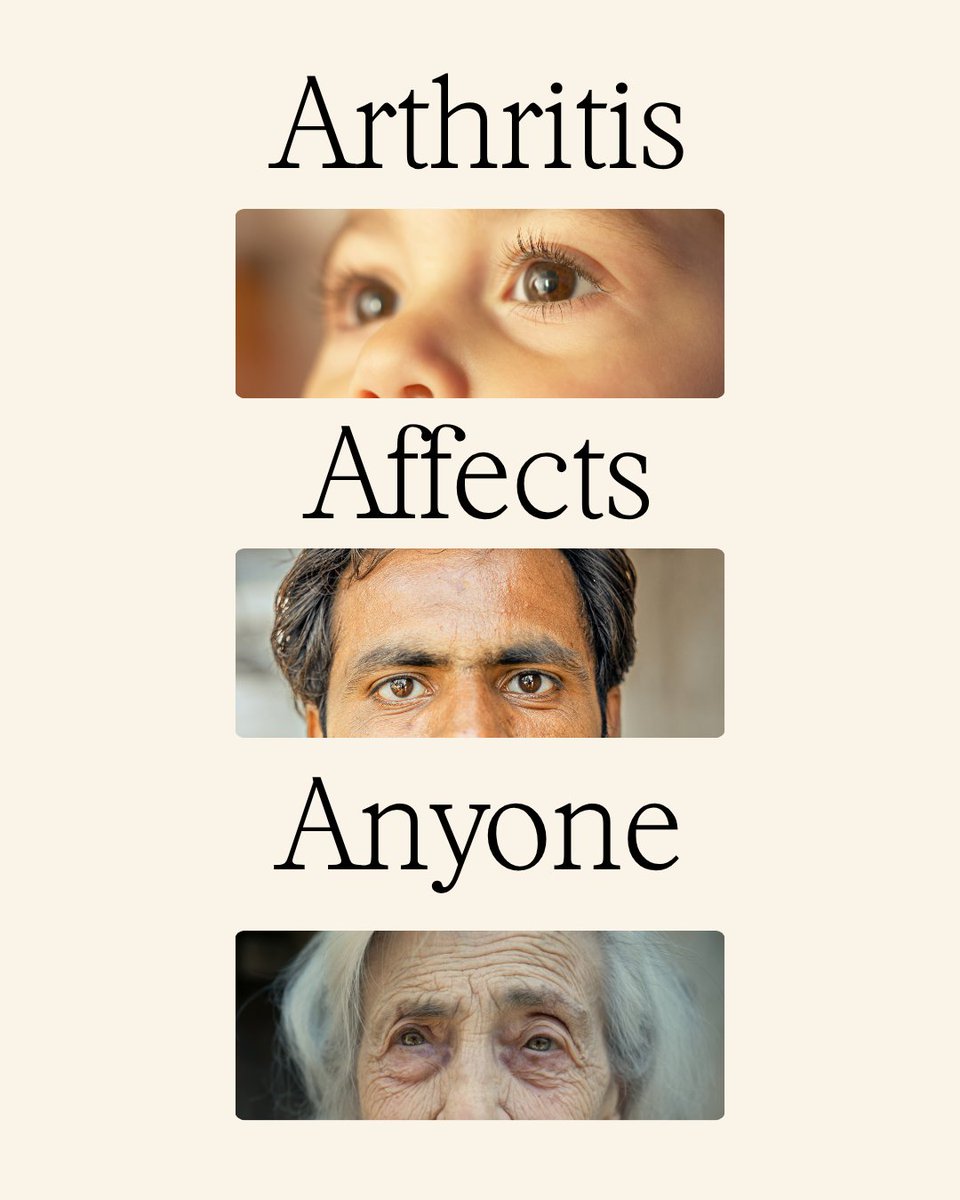
#DYK that arthritis impacts people of all ages? Women and Indigenous communities are also disproportionately affected.
Join Nick Milau, Senior Portfolio Manager and Wealth Advisor, RBC Dominion Securities, for a free webinar on November 4 at 10 am Pacific Time (British Columbia). You’ll learn about how giving can be a powerful part of your financial and tax planning.
Save your spot: https://t.co/WjV5y8OILT
#ArthritisResearch #GivingBack
Arthritis isn’t one single disease. It includes more than 100 conditions that can affect several different areas of the body.
Many people think arthritis is just a condition that affects older adults. But arthritis can affect people of all ages — including children and teens. That's why arthritis research matters, since it affects people from all walks of life. Learn more:https://t.co/AOjCsnc6E4
Join us for a free webinar on November 4 at 10 am PST.
At Arthritis Research Canada, we see every day how philanthropy helps drive discoveries that improve the lives of people living with arthritis. Nick Milau, Senior Portfolio Manager and Wealth Advisor, RBC Dominion Securities, will share simple, practical strategies for giving through cash, securities, donor-advised funds, and other charitable tools, all explained in clear, and accessible language.
Whether you’re a long-time supporter or are curious about strategic giving, don’t miss our session that will help you make informed decisions that align with your values and financial goals. Register here: https://t.co/WjV5y8OILT
#Philanthropy #GivingBack
Children, teens, and adults all live with arthritis. Early diagnosis, treatment, and research are key to helping people live full, active lives, regardless of their age.
At Arthritis Research Canada, we’re studying how to prevent, manage, and improve treatment for people living with arthritis across Canada.
Learn more about our current research: https://t.co/xYrISoM8KB