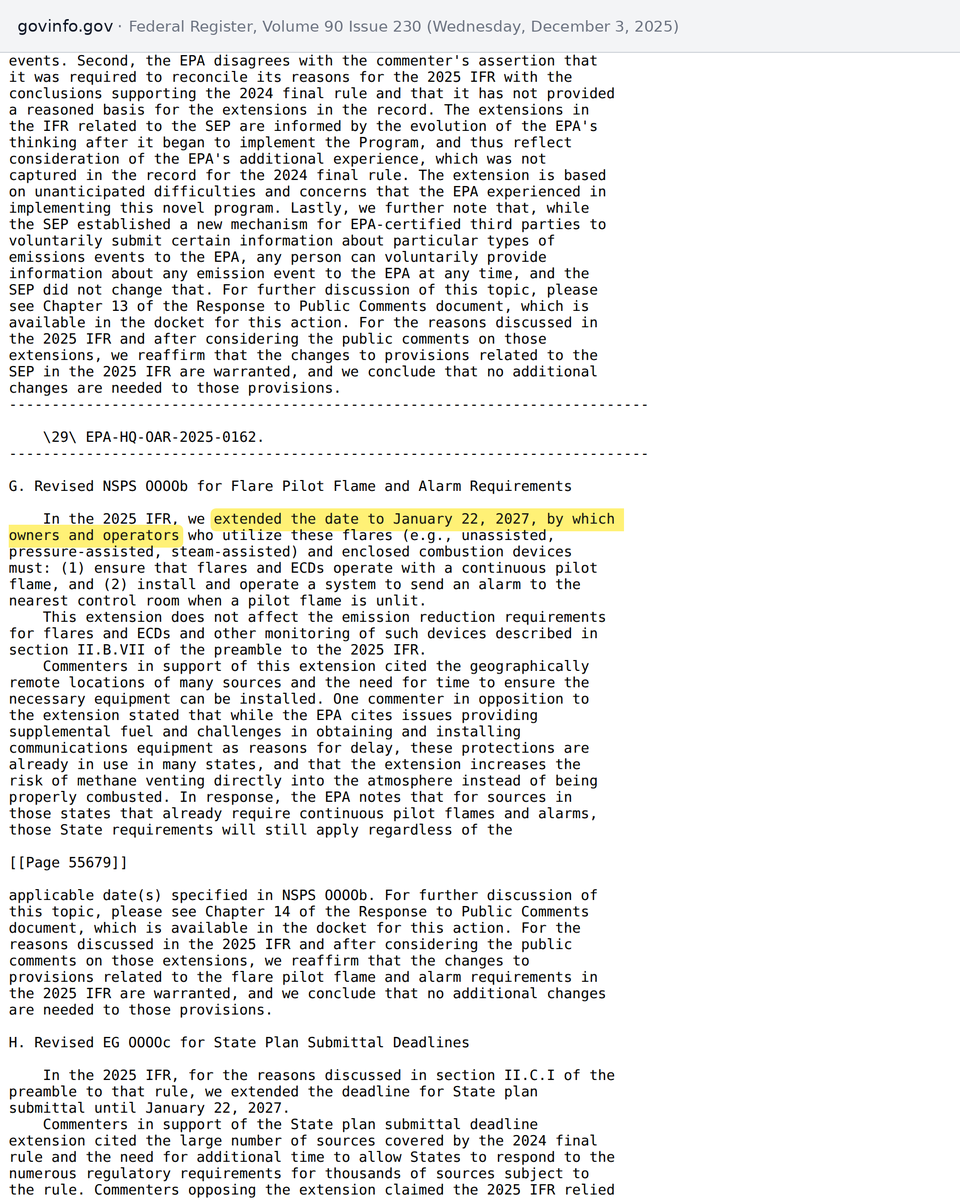
Flare pilot flame and alarm requirements now start Jan. 22, 2027. Same day as the super emitter program and state plan submittals.
One day is carrying a lot of the rule.
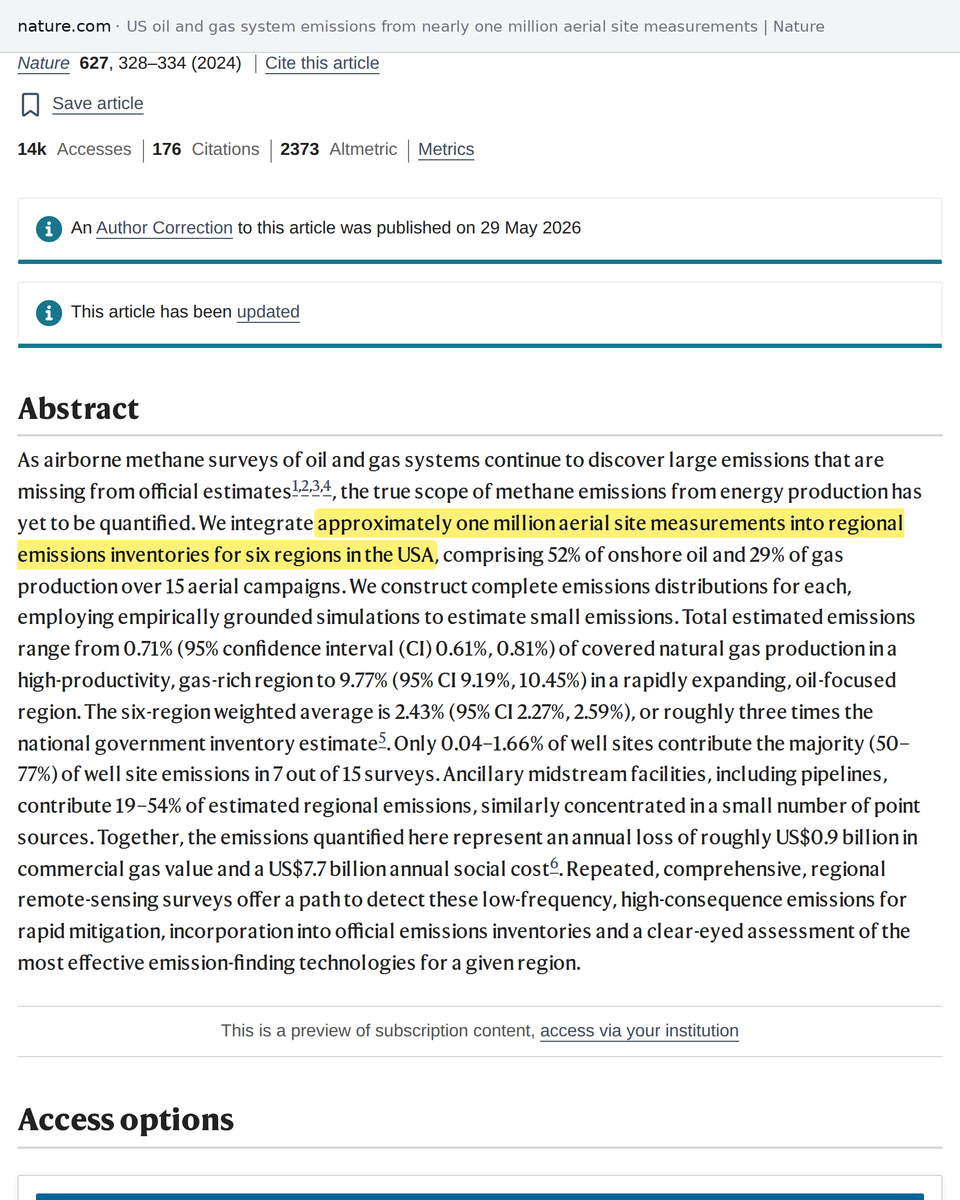
One industry, two answers. About a million aerial site measurements across six US regions put the weighted-average gas loss at 2.43%, roughly three times the national inventory estimate.
In 7 of 15 surveys, 0.04-1.66% of well sites produced 50-77% of well site emissions.
In the GIF a bundle arrives without one composition file. You see exactly which site is affected before anything runs, then supply the file or go ahead
Build log #4: study bundles
A methane study passes through several hands: the engineer who builds it, the analyst who runs it, the reviewer who checks it. Files get lost on the way, and a missing gas composition only shows up when a run fails
A MAES study now exports as one bundle and imports anywhere. On import, the wizard lists every gas composition and factor file the study needs, flags what's missing and shows which sites use it
EU methane law builds on OGMP 2.0, the UN's voluntary reporting framework. Gold Standard status needs Level 4/5 reporting for operated assets within three years. Level 4 means source-level estimates from your own equipment; Level 5 adds a whole-site measurement.
The extension on the first OOOOb annual report is a gift to teams whose data is already in order and a trap for everyone else. It feels like next year's problem right up until it lands the Monday after Thanksgiving.
Build log #3: editing many sites at once
Real studies aren't one site. A consultant modeling an operator's field can have dozens of pads with the same equipment, and changing one parameter used to mean opening every site
In the MAES Project Manager you select the sites, pick the equipment and set the value once. In the GIF we change the tank thief hatch repair time and the inspection interval on three sites in one step