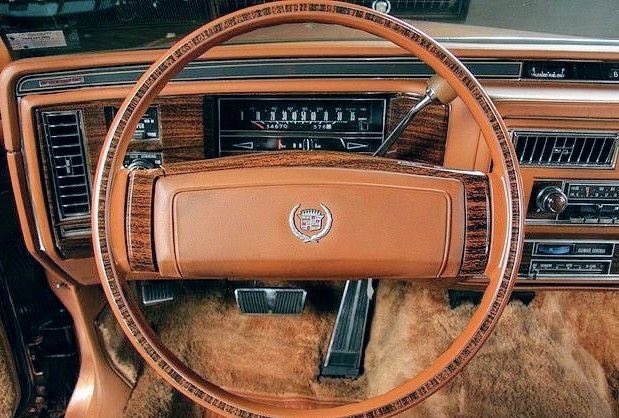
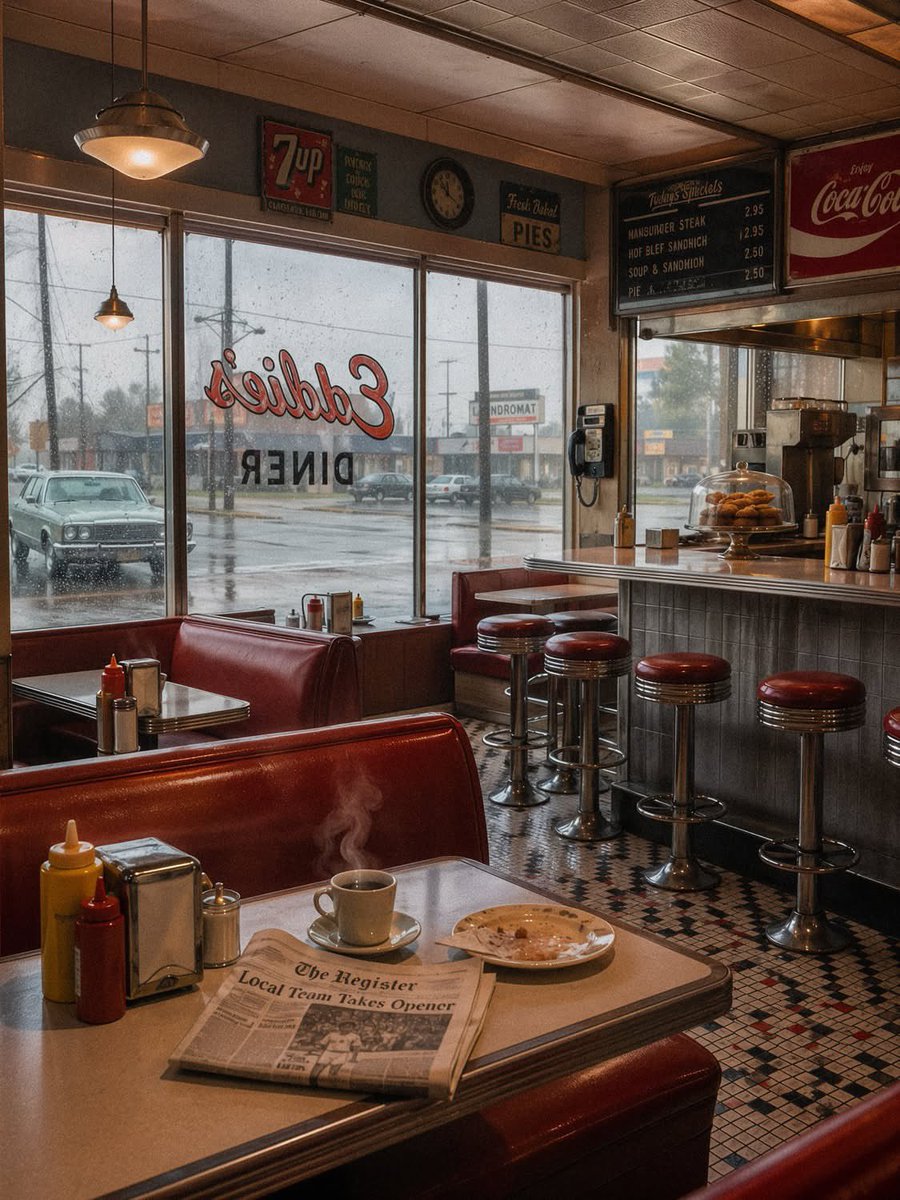
Indian carmakers have mistaken “bright” for “premium.” 🤡
Every new car is getting harsh white LEDs inside the cabin, but warm yellow lighting makes the interior feel far more expensive.
It feels like a luxury lounge, not an office or hospital waiting room. Sometimes, less brightness creates more class. ❤️
INSTEAD OF WATCHING AN HOUR OF NETFLIX TONIGHT.
This 1 hour Stanford lecture by Joel Peterson will teach you more about negotiation and getting what you want than most people learn in years.
Bookmark it and give it an hour, no matter what.
Marriott is quietly hoping you never learn how their loyalty program actually works.
I did.
There's $1,800/year in free upgrades, free nights, and hidden rate codes sitting inside the same Bonvoy account most guests use for nothing except checking in.
One woman sent a single email before her stay. Marriott upgraded her to a $3,000 suite. For free.
Most guests book on Expedia, check in, check out, and never touch the 9 features Marriott buries behind the login screen.
Here's the full playbook 🧵
Novak Djokovic was recently asked if there was a moment he’d like to repeat forever.
Djokovic: “I’d like to go back to when I won the gold medal.” 🇷🇸🥇❤️
Her name is Pooja Jain Gupta.
Her father D K Jain founded Luxor in 1963 from the busy streets of Old Delhi with Rs 5000 and five employees. He built India’s largest writing instruments company.
But he never handed it to his daughter. He made her earn it.
In 1992 he took her to an international stationery fair in Japan. She was still in school. That trip changed everything.
She joined Luxor as an Assistant Product Manager while still in her teens. Her first salary was Rs 1743 a month.
She did not report to her father. The marketing manager was her first boss.
She graduated from Lady Shri Ram College. She studied International Business at the London School of Economics and the Indian Institute of Foreign Trade.
She helped bring Parker and Waterman pens to India. She expanded Luxor into more than 95 countries.
Today it is a Rs 2000 crore business and India’s largest exporter of writing instruments.
But what she is building now is the more interesting story.
At a time when every parent is pushing children toward screens and AI she is making the opposite bet.
Handwriting. Journaling. Doodling. Tactile creativity.
Not as nostalgia. As skills for the next generation.
Most companies sell products. Very few sell possibility.
The future will not belong only to AI native companies. It will also belong to brands that make humans feel human again.
India’s creativity economy is still massively underestimated. Pooja Jain Gupta is betting her company on it.
In collaboration with Luxor Group.
Follow for stories about the people building India’s future.
Luxury Brands and What They Actually Sell:
1. Rolex – Status and Timelessness
2. Louis Vuitton – Identity and Exclusivity
3. Ferrari – Power and Emotion
4. Hermes – Rarity and Craftsmanship
5. Rolls Royce – Silence and Superiority
6. Chanel – Elegance and Femininity
7. Patek Philippe – Legacy and Inheritance
8. Bentley – Comfort and Class
9. Cartier – Romance and Prestige
10. Lamborghini – Attention and Aggression
11. Gucci – Boldness and Fashion
12. Prada – Intellect and Minimalism
13. Dior – Art and Couture
14. Bugatti – Engineering and Obsession
15. Balenciaga – Controversy and Hype
16. Versace – Drama and Power
17. Burberry – British Heritage and Refinement
18. Maserati – Italian Passion and Elegance
19. Porsche – Performance and Precision
20. Tiffany and Co – Romance and Diamonds
21. Aston Martin – Sophistication and Speed
22. Bvlgari – Roman Luxury and Boldness
23. McLaren – Pure Racing DNA
24. Bottega Veneta – Quiet Luxury and Craftsmanship
25. Saint Laurent – Rock and Roll Meets Parisian Chic
26. Chopard – Ethical Luxury and Fine Watchmaking
27. Richard Mille – Ultra Exclusive Engineering Marvel
Birkenstock went from 1 India store in 2020 to more than 50 today. And that isn’t the victory it looks like.
It’s a distress signal.
Brands don’t walk into India when they’re winning in the West. They walk in when they’ve stopped winning. The Indian premium consumer has quietly become the last chapter in a lot of Western brand stories — and if you squint, you can see the pattern stretching back a decade.
Starbucks arrived here in 2012, seven years after US growth peaked and “mall Starbucks” had become shorthand for corporate blandness. H&M came in 2015, just as “fast fashion” stopped being aspirational in the West and started being a slur. Victoria’s Secret shipped up when American teens had moved on to Skims and Aerie. Uniqlo, Pottery Barn, and Zara’s aggressive Indian expansion — all arrived in the second half of their Western growth story, never the first. The pattern is almost comical once you see it. Brands land here right when their home market stops being easy money.
Birkenstock is textbook. Their stock is down around 20% this year. Their FY26 guidance disappointed Wall Street last month. The Crocs CEO said recently that customers are “migrating back towards athletic.” The New York Times ran a piece calling the potato-shoe era over. The Western ugly-shoe cycle — the one that put Birkenstock on every Brooklyn influencer’s feet for the last five years — is visibly closing.
Meanwhile, Birkenstock India grew 31% last year. APAC is now the company’s fastest-growing segment globally. In their last earnings call, management told investors this growth will “reduce exposure to the US dollar.”
Translation: we need India to save the story.
And we’re showing up right on cue.
Influencers are doing Birkenstock-with-socks posts in 2026, two years after TikTok in New York was already over them. The aunty who called them chappals at a family function in 2019 bought a pair in taupe last month. There’s an Arizona in every third Uber in Bandra. Wedding sangeets now feature cousins sliding into Bostons for the after-party.
They’re good shoes. I’ll say it twice because the comfort is real. That’s not the argument.
The argument is that the story we tell ourselves about “the brand arriving” is backwards. What actually happened is the brand ran out of easy growth somewhere else, and we became the escape valve. We get to feel arrived. They get to extend the runway.
The Indian premium consumer has become a useful last chapter in a lot of these stories. We show up exactly when the West gets bored, which means we’re buying peak narrative the moment it’s losing its edge.
We always run this cycle two beats behind. We were getting into skinny jeans as they were dying. Oat milk landed in Mumbai cafés the same year America started complaining it was everywhere. Athleisure became a serious Indian category after athleisure had been absorbed so completely in the US that nobody called it athleisure anymore. The pattern is consistent enough that you could almost trade on it — if you could stomach buying the thing your rich cousins in Manhattan are quietly moving on from.
The consolation is that we don’t really care about being first. Indians buy brands for what they signal, not what they predict. A Birkenstock in 2026 Bombay says “I’ve made it.” A Birkenstock in 2026 Brooklyn says “I’m still here, for now.” Those are different jobs, and ours is frankly the more fun one.
Being fashion’s last reliable customer is also its own kind of power. The brands know it. That’s why Birkenstock is opening forty new stores globally next year with India as a focus, even as they guide Wall Street to expect slower growth overall. We’re the hedge. The hedge works.
Maybe that’s fine.
Or maybe it just means we’ll spend the next decade wearing what America is quietly taking off.
@volklub Hello Sunderdeep ji,
Based on your valuable inputs, got the Honda Elevate during Navratri.
I must say that I quite like the machine.
Barring a few gimmickry features, it is a near-perfect spacious car.
I am very proud and pleased with the purchase. Thank you.
Parenting Rules That Stay With Your Children Forever:
1. Never say I am too busy when your child wants to talk. One day they will stop asking.
2. What you do in front of your children becomes what they believe is normal. Be careful.
3. Never compare your child to another child ever. You are teaching them their value has conditions.
4. Say sorry to your children when you are wrong. It teaches them accountability without words.
5. Never let your child go to sleep feeling unloved even after the hardest day or biggest argument.
6. Your job is not to raise an obedient child. It is to raise a thinking confident kind human being.
7. Never laugh at their problems because they seem small to you. To them they are everything right now.
8. Show your children love not just when they succeed but especially when they fail.
9. Never use your child as a messenger between you and your partner. That is not their role.
10. Teach them to respect people who serve them. Waiters cleaners drivers. Everyone deserves dignity.
11. Never let screens replace your presence. Technology can entertain them. Only you can raise them.
12. Tell your children they are loved capable and enough. They will hear the opposite from the world soon enough.
13. In the end your children will not remember your job title your salary or your achievements. They will remember how safe they felt with you.
I asked my father how to be a great man.
I expect him to say:
Work a lot
Take care of your wife
Take care of your kids
Treat others respectfully
But what he said includes nothing above: