I built a few tools for Bitcoiners:
• https://t.co/CbGxCxHsBd → find out how much Bitcoin you need to escape the rat race
• https://t.co/MjmmPni8dq → see if what you are buying today is worth the sats you are giving up tomorrow
• https://t.co/8d8CJ8sh2w → estimate future supply shock from global DCA stackers
Try them out and give me feedback 👊⚡️
1/ If someone finds your stamped metal seed phrase, your Bitcoin is gone.
Unless you have the 25th word.
If you are securing serious wealth, 24 words are not enough. Here is a 60-second guide to the BIP39 Passphrase. 🧵
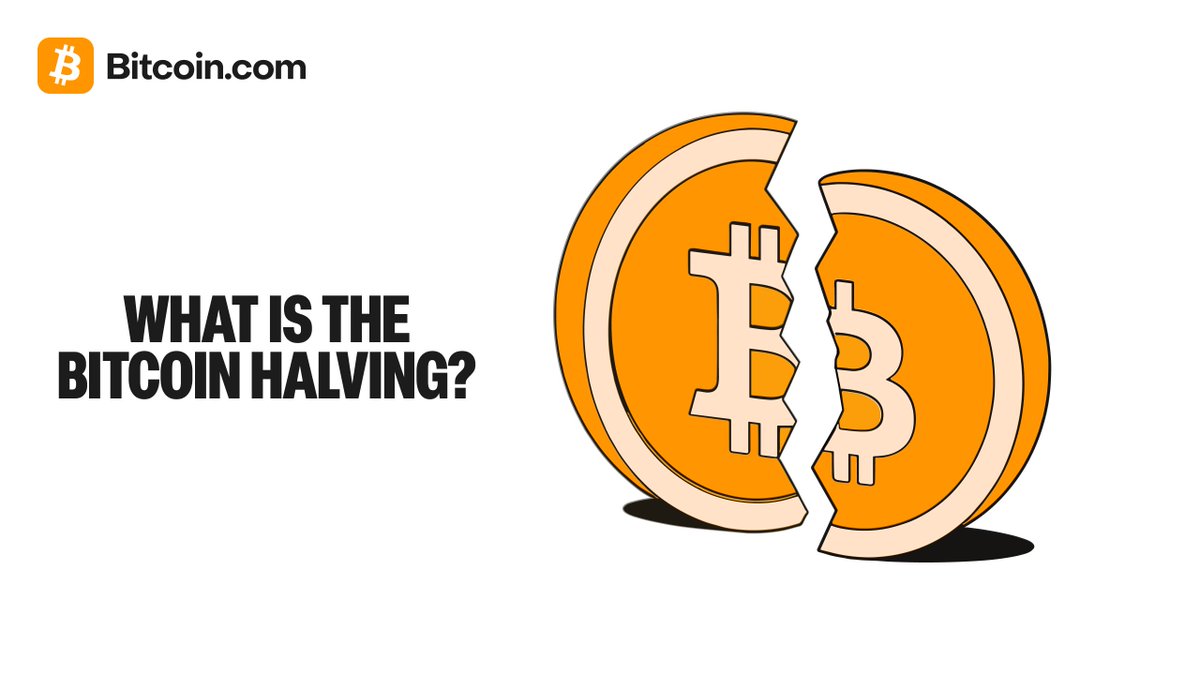
Every 4 years, #Bitcoin changes. Supply gets cut in half. Miners earn less. Markets pay attention.
Here’s what the Bitcoin halving really is👇
https://t.co/hj10vtiSSq
On behalf of President John Dramani Mahama, I have laid the Value for Money Office Bill, 2026 before Parliament.
This Bill confronts persistent inefficiencies in public spending — inflated contracts, abandoned projects, cost overruns and waste.
It establishes an independent Value for Money Office to rigorously assess major public expenditures, certify contracts before approval, monitor compliance and enforce sanctions where necessary.
The purpose is simple and firm: protect public funds, eliminate waste and ensure that every cedi delivers measurable value to the Ghanaian people.
Public funds must deliver public value.
I'm actually trying to do something even more ambitious:
Create "cypherpunk principled non-ugly ethereum" as a bolt-on to the present-day system, in a way that's as tightly integrated and interoperable as possible, and then grow it over time, in the mean time making sure ethereum itself gains the cypherpunk and simplicity properties that just necessarily have to be system-wide (eg. censorship resistance, zk prover friendliness, consensus properties). Then, in 5 years (or maybe way sooner with AI coding and verification, who knows), we have an open pathway to turn the existing system into smart contracts written in the language of the new system if/when we want.
Ethereum has already made jet engine changes in-flight once (the merge), we can do it ~4 times more!
(state tree, Lean consensus, ZK-EVM verification, VM change)
Good morning let your enemies become motivation, make them watch your success till they snap. Then get the Fvck out the way before they crash out. LOL • https://t.co/WtNREs32V0
So for those who are quick to jump on this let me explain how interest rates work and ultimately how Treasury Bills work before you follow a wrong advice
A thread because I don't have a badge👇
Learned something new about money today 📍📍
If you make your first GH₵150,000 and plan to buy your first car, here's a smart move instead of paying cash upfront:
1. Deposit the full GH₵150,000 into your bank account.
2. Use that deposit as collateral to secure a car loan from the same bank (many Ghanaian banks allow this for fixed deposits or similar assets).
3. Take the loan to buy the car outright.
4. Spread loan repayments over 5 years or more (negotiate with your bank).
Your original GH₵150k stays in the account, accessible and earning interest. Invest it wisely in a low-effort way:
- Do Lazy man's investment: Treasury Bills
Split the GH₵150k into three parts (GH₵50k each).
Invest GH₵50k each month for 3 months in 91-day Treasury Bills (current rates ~9.9–10% as of Feb 2026).
Roll over (reinvest) principal every 3 months.
Right after the third month of your investment, you will get GHc3000 interest every month thus based on the current interest rate. Use the interest to service the loan every month till you finish settling the loan.
In theory, you would end up with both the car and your original money - essentially getting the car "for free".
Reality check (Feb 2026 rates):
- 91-day T-bills: ~9.9–10%
- Car loans: Typically higher (often 15–25%+ effective rate).
It works best if your loan rate is low (thanks to collateral) and you roll T-bills diligently.
🚗💰
If this was helpful, SHARE😊