Chordodes formosanus is a horsehair worm that has the praying mantis as its definitive host. They can grow up to 90 cm long and can be extremely dangerous for their host
[read more: https://t.co/u9UAcBUtzr]
[source: https://t.co/mQlzVuIvrA]
https://t.co/FU0fMsIk85
Today Scientific American published my feature #sisterhoodofspecies. Solutions for #womenshealth challenges have evolved in female animals across the Tree of Life. Thank you @sciam for amplifying the exciting field of medical #biomimicry. #evmed
https://t.co/NUs9IhndxS
It is incredible how celestial activity is one thing that is revered and respected collectively throughout all culture regardless of religion or race. An interesting concept when considering the impact of UAP study on uniting cultural difference.#ELONMUSK
Quantum Entanglement: 2022 Nobel Prize in Physics https://t.co/STNAXKlBnK via @YouTube
This is wildly amazing and paves the path for much new discovery, both in the technological and physical world. Science is cool.
You can actually kind of 'suction' plasma with a Tesla coil and a syringe helped by a nail [source and full video, by ElectroBOOM: https://t.co/gJ5CtcsvYs]
We've partnered with @STEMforBugs, a new line of bug sprays that are rooted in nature and optimized by science, to make experiential science and nature learning possible for our explorers at YELLOWHAB. 🪴💜
Learn more and experience it yourself ⬇️
https://t.co/PgDjFpW5by 💛
No one, presently, sees the Moon rotate like this. That's because the Earth's moon is tidally locked to the Earth, showing us only one side. But thanks to the Lunar Reconnaissance Orbiter, a high resolution virtual Moon rotation movie has been composed https://t.co/bFHEKWtooB
Can’t find Jupiter in the sky tonight? Maybe you’ve yet to look. It’s there. It’s bright
Locate it nearby the nearly full Moon. Six decades in the making. Hear its tune.
By Jove you’ll see it. Make sure to get a view. The sky belongs to us all. Both me and you.
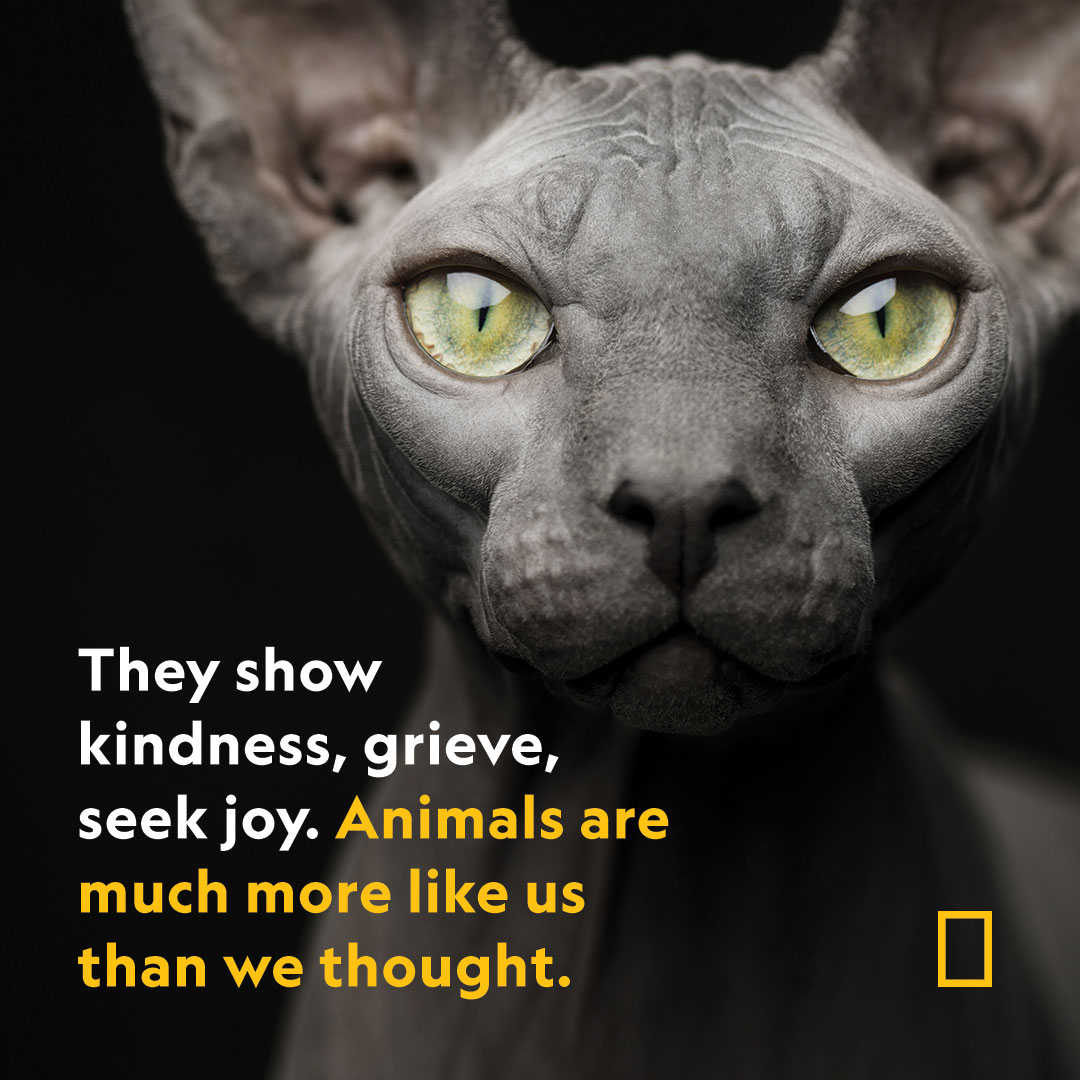
We no longer doubt that many animals possess impressive cognitive abilities. But new research reveals that many species have much more in common with humans than previously thought https://t.co/Qt1yyhTjlK #WorldAnimalDay