Do you want to find out about the state-of-the-art computational approaches for real-time risk detection? Then check out our #CHI2024 paper and this thread 1/9
https://t.co/BPI2AwoEpu
@pamwis @gianluca_string @Afsaneh_Razi@QadirSarvech
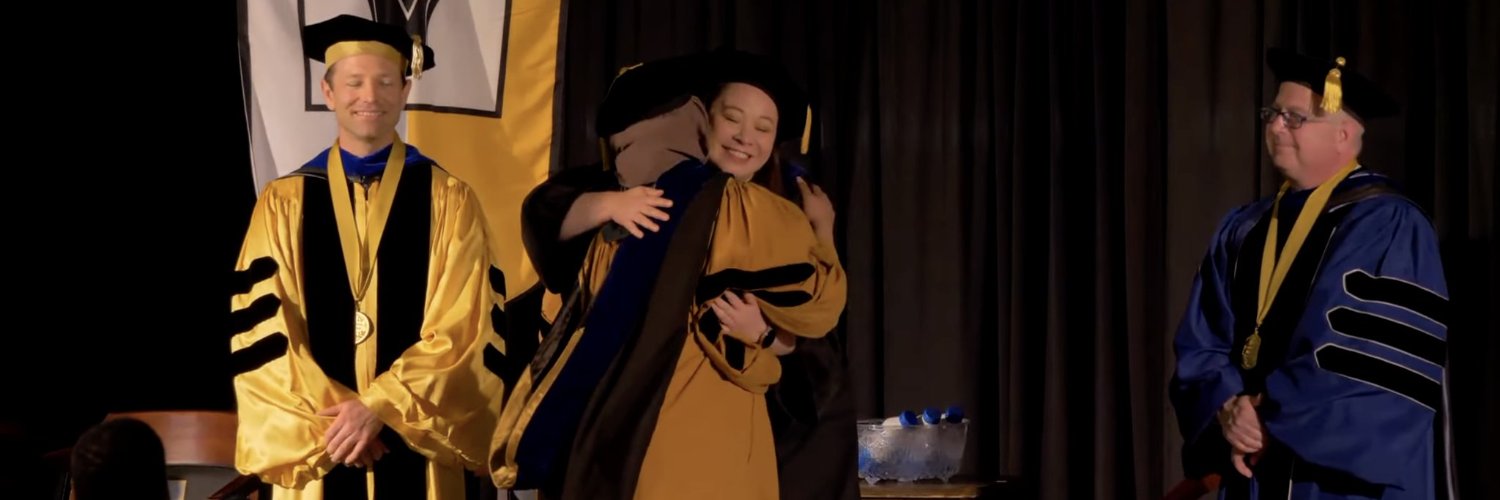
I am so proud of Dr. @AshSoo for her outstanding accomplishments as a formidable #HCI scholar, as well as her strength and resilience completing her Ph.D. as a mother of two young children. I am thankful I could be part of her journey. #SIGCHI@VUEngineering@Vanderbilt_CS
Proud of @AshSoo for leading this great SLR paper which received an honorable mention at #chi2024 🎉 Get insights into trends of real-time social media risk detection AI models!
To this end, as #HCI researchers, we have to join forces with #ML#AI developers and researchers to bridge the gap between theoretical socio-psychological knowledge and the hands-on implementation of computational solutions for real-time risk #HCML#HCAI#CHI2024 9/9
Do you want to find out about the state-of-the-art computational approaches for real-time risk detection? Then check out our #CHI2024 paper and this thread 1/9
https://t.co/BPI2AwoEpu
@pamwis @gianluca_string @Afsaneh_Razi@QadirSarvech
The papers relied on purely computational metrics (accuracy and timeliness) without incorporating user studies or human insights. So, future work could incorporate user studies to ensure that these models align with human ethics and the complexities of online communication 8/9
The existing models were grounded on computational considerations, without considering human understanding or theories. So, we highlight the significance of acknowledging the dialectical nature of human communication and the dynamic changes in behavior when designing features 7/9
Most of the approaches rely on publicly available datasets with an established ground truth, without input from humans. So, future work is encouraged to collect data from actual victims to ensure that the training risk detection models reflect real-world experiences 6/9