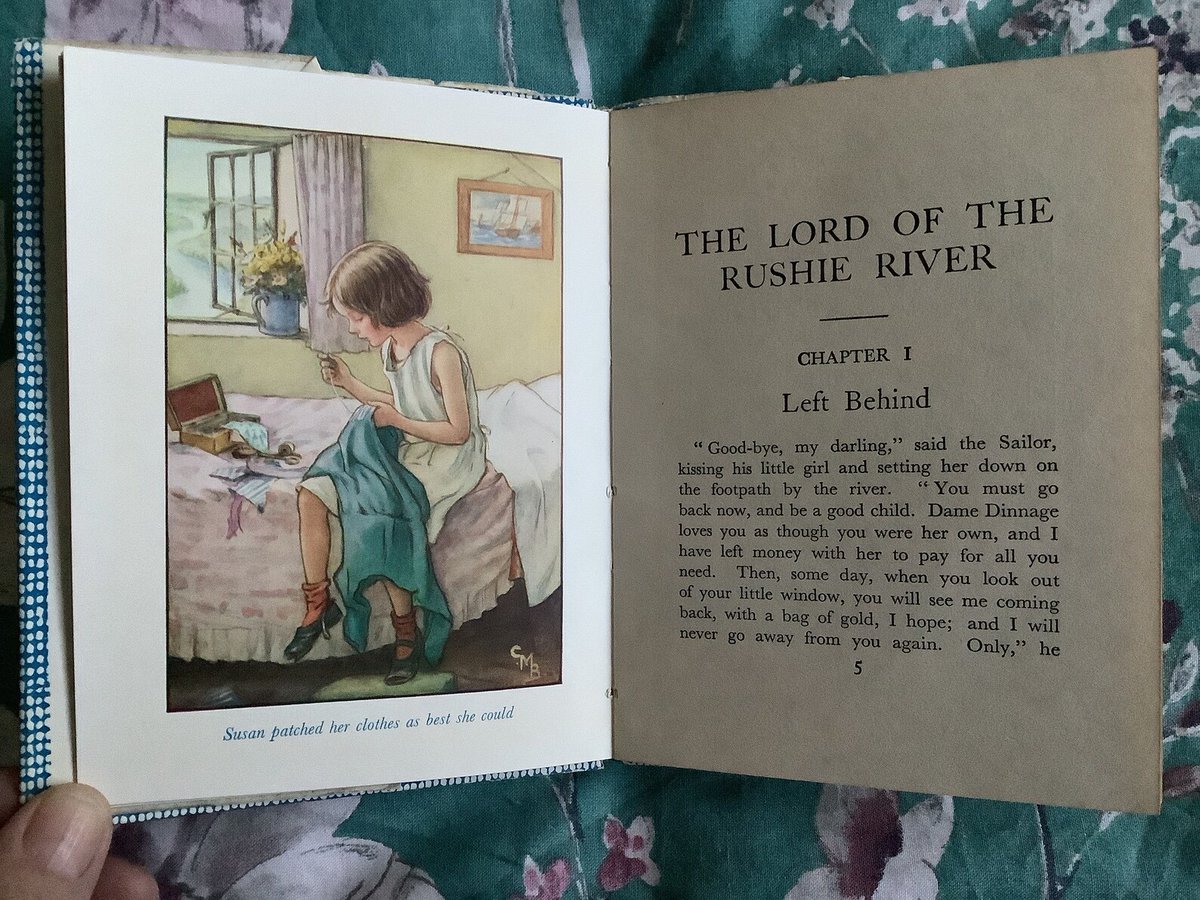
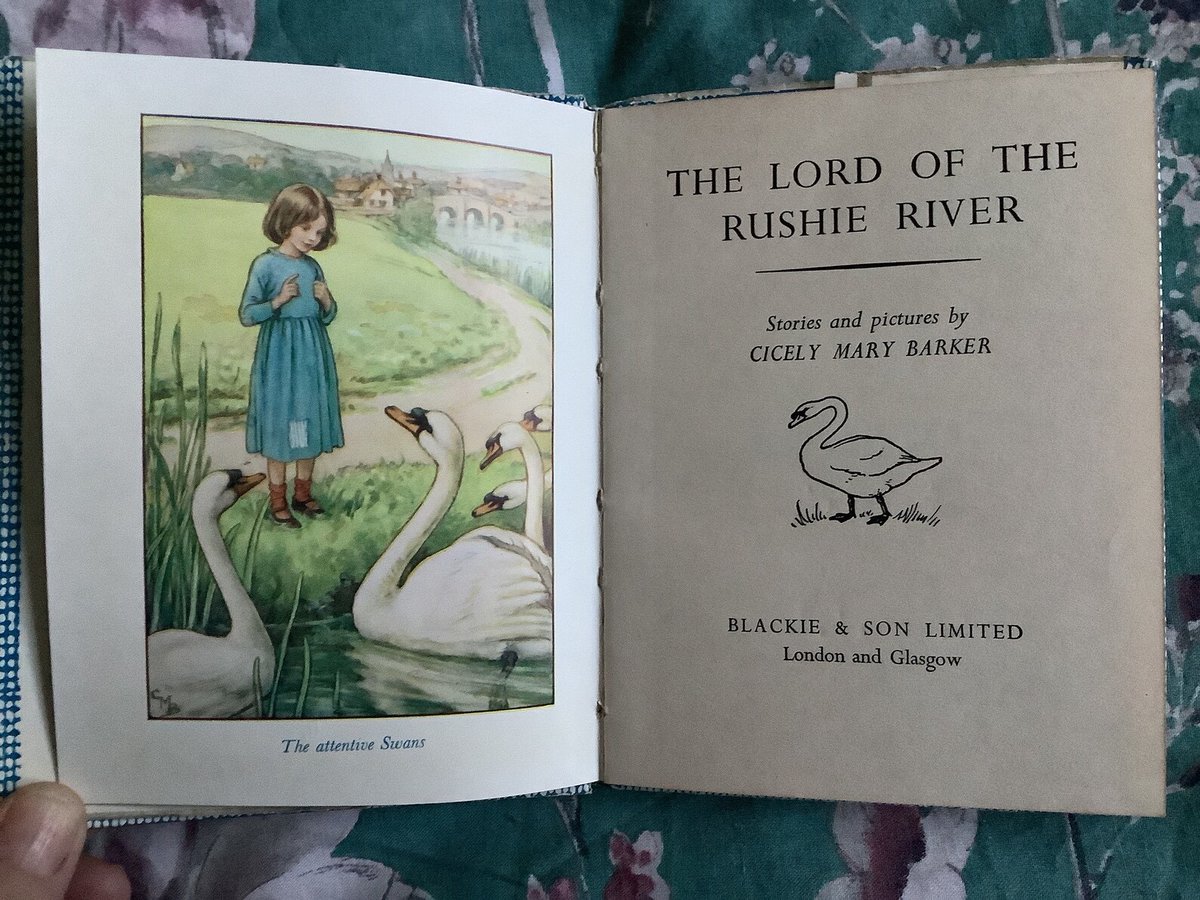
This is such a beautiful book. Very RARE Circa 1940s Vintage Children's Book The Lord Of The Rushie River in Hardback Cicely Mary Barker 12 Colour Plates B&W Illustrations https://t.co/Ghsr3jE1Nw via @Etsy #VintageBooks #ChildrensBooks #CicelyMaryBarker #RareBooks #1940s #vintagegift
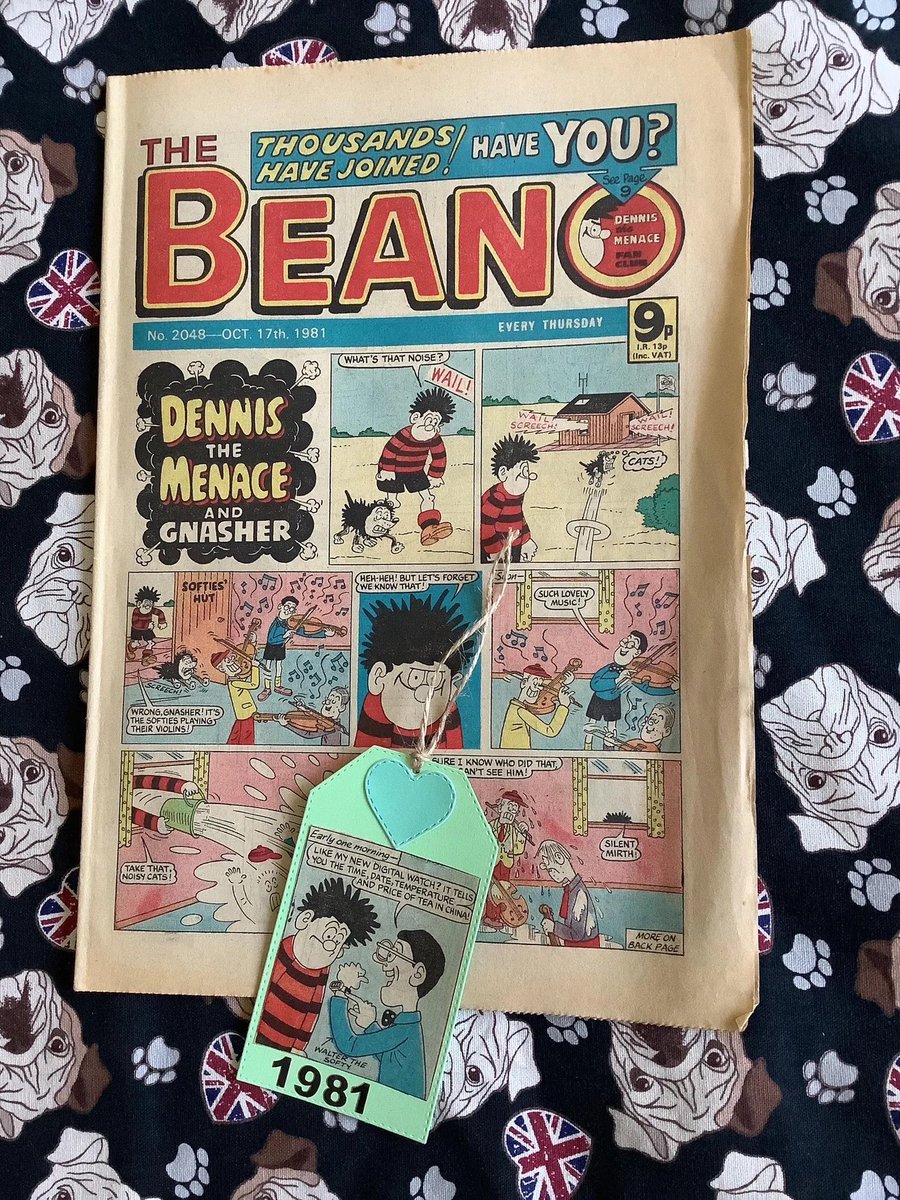
Happy Friday to you all. We stock an eclectic mix of ORIGINAL Vintage #giftideas in our Emporium https://t.co/fKliLLIgpB Here ⬇️ are just a few of our latest nostalgic treasures that have been listed. Why not pop in and take a trip down memory lane with us today? See you there 🤗🛍️📚💝🎅🧑🎄🤶🎄☃️
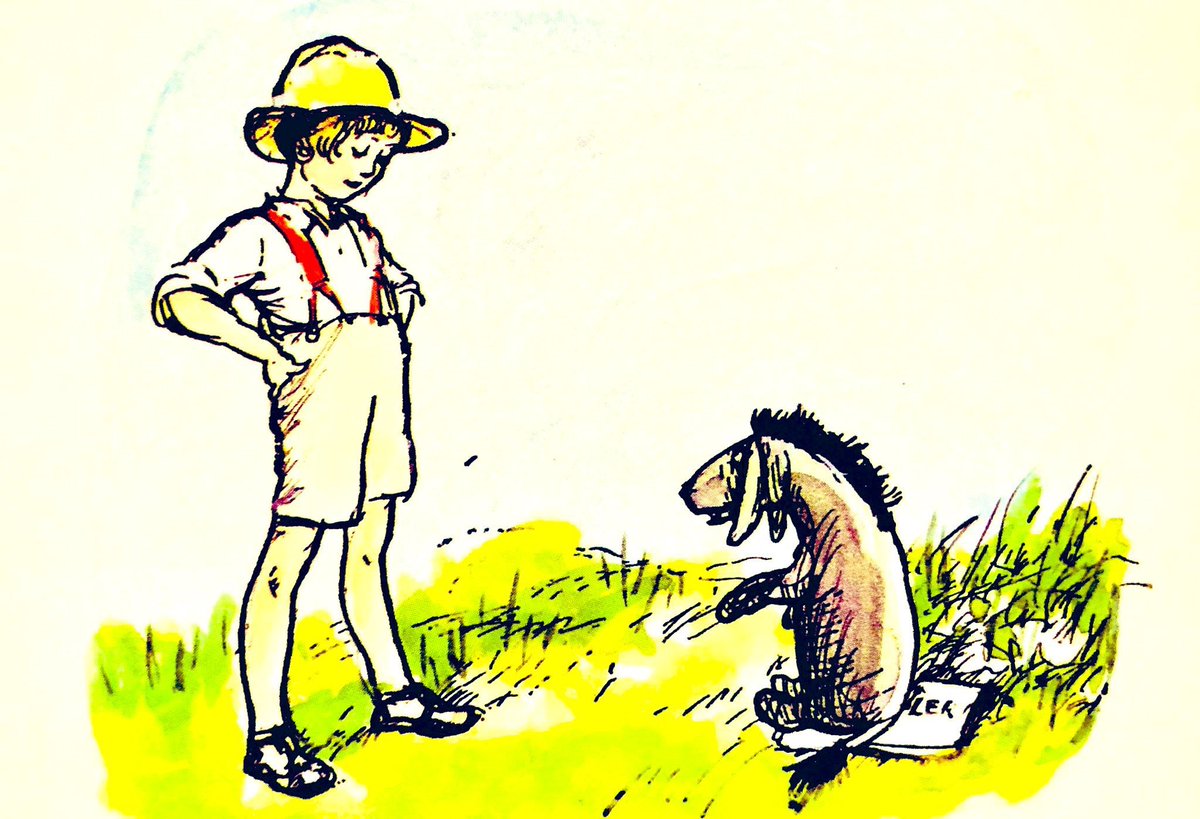
“I shouldn’t be surprised if it hailed a good deal tomorrow,” said Eeyore. “Blizzards and what-not. Being fine today doesn’t Mean Anything.”
Christopher Robin didn’t much mind WHAT it did tomorrow, as long as he was out in it. ~A.A.Milne
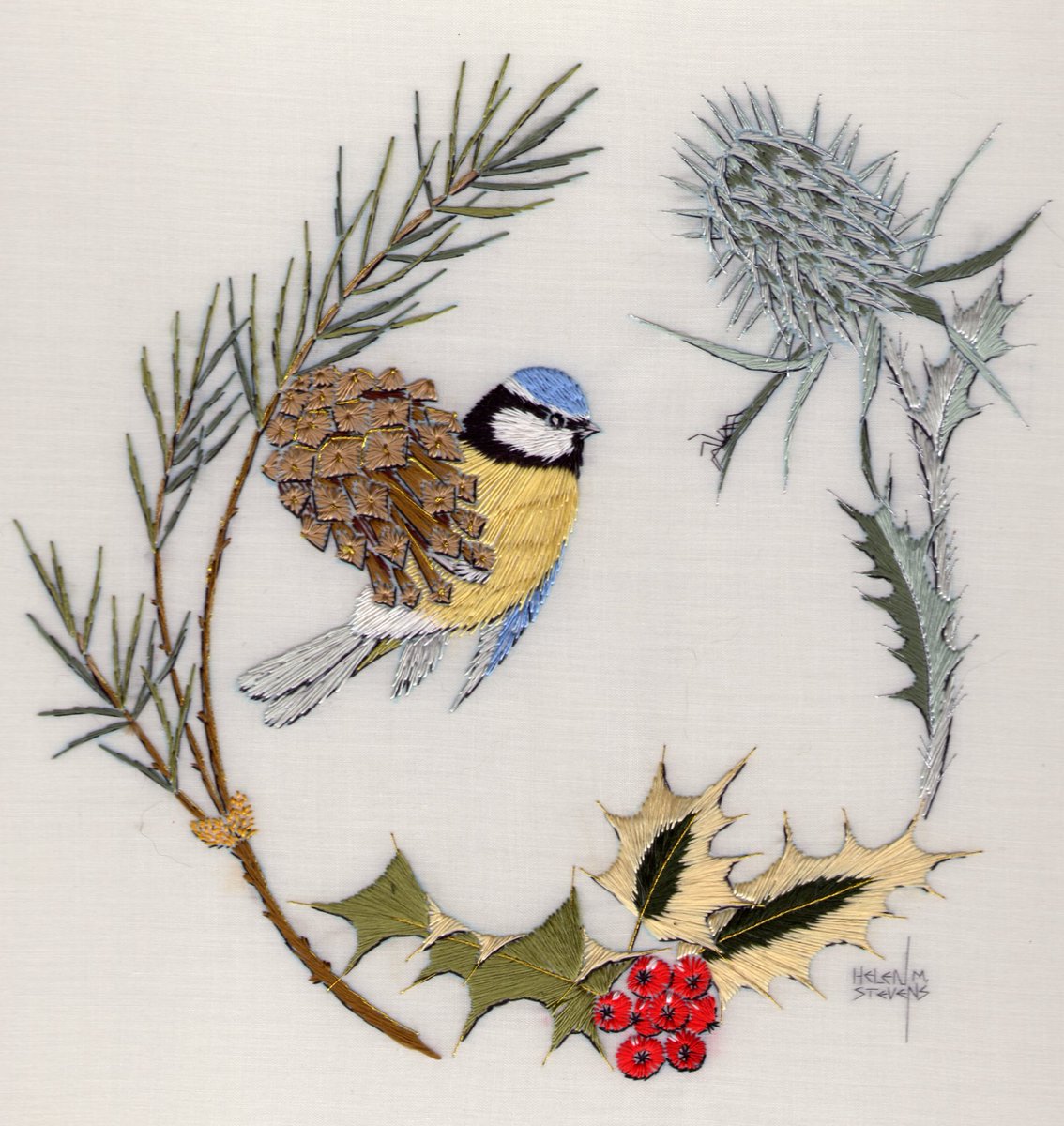
Thanks for ALL the comments on the teasel and goldfinch, so here's another teasel - and a blue tit!
There is SO much to say about the teasel, that I thought we would delve a little deeper ...
On the mystical front, in some traditions, teasel stalks were bound together into wood brooms. These spiky besoms weren't used for ordinary dust, but were ritually used to sweep evil spirits and negative energy out of a household. Hanging the dried, prickly heads over doorways or windows was a common folk remedy used to prevent witches and malevolent entities from entering the home.
On the practical side of things, contrary to popular belief, teasels were actually not used to "tease" or card raw wool before spinning. There is a persistent historical mix-up (partially fueled by old dictionary definitions) concerning the difference between preparing raw fleece and finishing a woven textile. The true, vital, role of the teasel was as a textile finishing process known as raising the nap (fulling) on finished, woven woollen cloth. Teasels were used after the wool was spun, woven into fabric, washed, and tightly felted.
Even as Victorian inventors tried replacing teasels with rigid steel wires, the metal teeth routinely hooked too deep, tearing and ruining the expensive cloth. The teasel possessed a flawless organic safety valve: if a teasel barb encountered a stubborn knot in the wool, the point of the natural seed head would simply flex or snap off without ripping the fabric. Because of this unique safety property, elite fashion houses and luxury textile mills still mount thousands of natural dried teasels to mechanized rollers to achieve a luxurious plush finish on premium cashmere, mohair, and merino wool blankets, though now a special cultivar Dipsacus sativus, Fuller's teasel, is used in mechanized production ... sometimes Mother Nature just cannot be outdone!
#EmbroideryWhisperer #embroidery