Capoeira developed in Brazil during the 16th to 19th centuries among enslaved Africans, particularly those taken from West and Central Africa. Under brutal conditions, enslaved people created capoeira as a way to preserve cultural identity, build community, and practice self-defense. Because open combat training was forbidden, its movements were disguised as dance, accompanied by music, singing, and call-and-response rhythms. This camouflage allowed practitioners to train their bodies and minds while avoiding punishment from slave owners and overseers. After the abolition of slavery in 1888, capoeira was criminalized by Brazilian authorities and associated with crime and social disorder. Practitioners were persecuted, and the art survived underground for decades. In the early 20th century, figures such as Mestre Bimba and Mestre Pastinha helped legitimize capoeira by formalizing its techniques, opening schools, and emphasizing its cultural and athletic value. Their efforts led to capoeira’s legalization and eventual recognition as a national cultural treasure, allowing it to spread globally as both a martial art and a symbol of resistance, resilience, and Afro-Brazilian heritage.
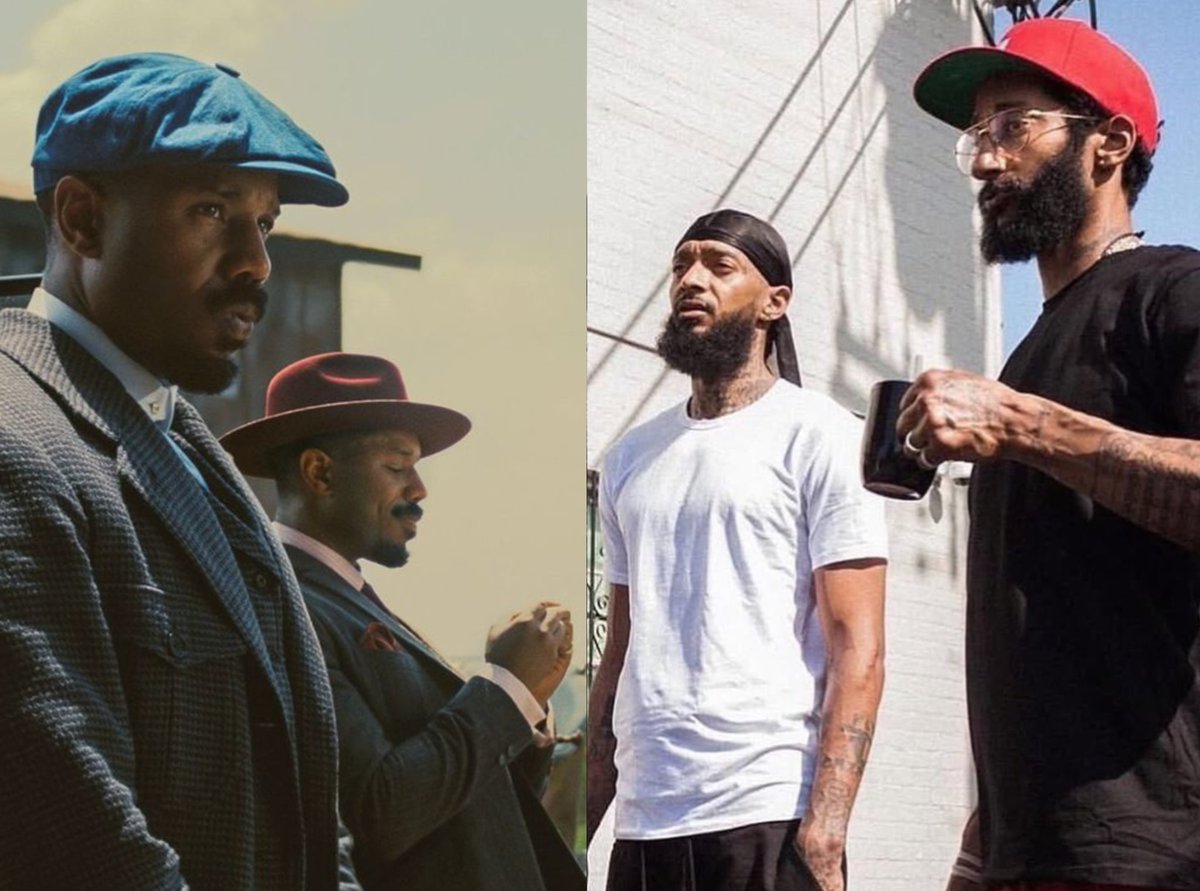
Director Ryan Coogler says Nipsey Hussle and his brother Blacc Sam subconsciously influenced the creation of the characters Smoke & Stack in his Oscar-winning movie 'Sinners.'
Bitcoin was worth $8 when Silk Road opened
A sheet of LSD was 50 Bitcoin
A bag of cannabis was 7.63 Bitcoin
At today's price:
That bag: $519,000
That sheet: $3,400,000
The guy who sold it probably got arrested
The guy who bought it got high for a weekend