The warehouse aisle fix wasn't switching frequencies. It was switching to an on-metal UHF tag with a spacer layer. Full frequency breakdown — LF, HF, NFC, UHF — with specs and use cases: https://t.co/UCGoRRedpb
#RFID#AssetTracking#Manufacturing
A warehouse team deployed UHF RFID and one aisle kept missing scans. Root cause: a row of water-based products absorbing the signal. Right technology. Wrong frequency match for that specific material. This happens constantly.
UHF trade-offs nobody mentions early enough: water absorbs the signal.Tags sitting directly on metal get detuned. And UHF frequency bands differ by country US, EU, Japan all run different ranges.Gen 2 handles hopping, but verify your reader supports the regions youre deploying in
What part of the asset tracking software selection process has your team found hardest to get right?
Full guide from AssetPulse — needs assessment through vendor selection and pilot testing: https://t.co/3jHeNu9Pn4
#AssetTracking#RFID#OperationsManagement
Most asset tracking software rollouts struggle not because the product was bad — but because the team picked before asking: what am I tracking, how do I need to track it, and will this scale? Those three questions do more filtering than any feature comparison.
The license fee is the smallest part of the cost question. Hardware, implementation, training, & support all factor into whether the investment holds up.Organizations that calculate ROI before selecting software make cleaner decisions than those who compare features in isolation.
If your inventory counts never quite match your system, this is why.
Here’s a full breakdown of how RFID fixes it across industries:
https://t.co/KTEp9AamZV
What’s the biggest inventory accuracy issue in your operation?
#RFID#InventoryManagement#SupplyChain
Your inventory count tells you what you had. Not what you have.
The gap between those two is a method problem, not a people problem.
A thread on what actually fixes it ?
Who adopted RFID fastest?
• Healthcare → equipment missing when needed
• Manufacturing → wrong part at wrong stage
• Labs → unreliable calibration records
Pattern: high cost of getting inventory wrong.
Lost assets. Wasted time. Manual errors.
Sound familiar?
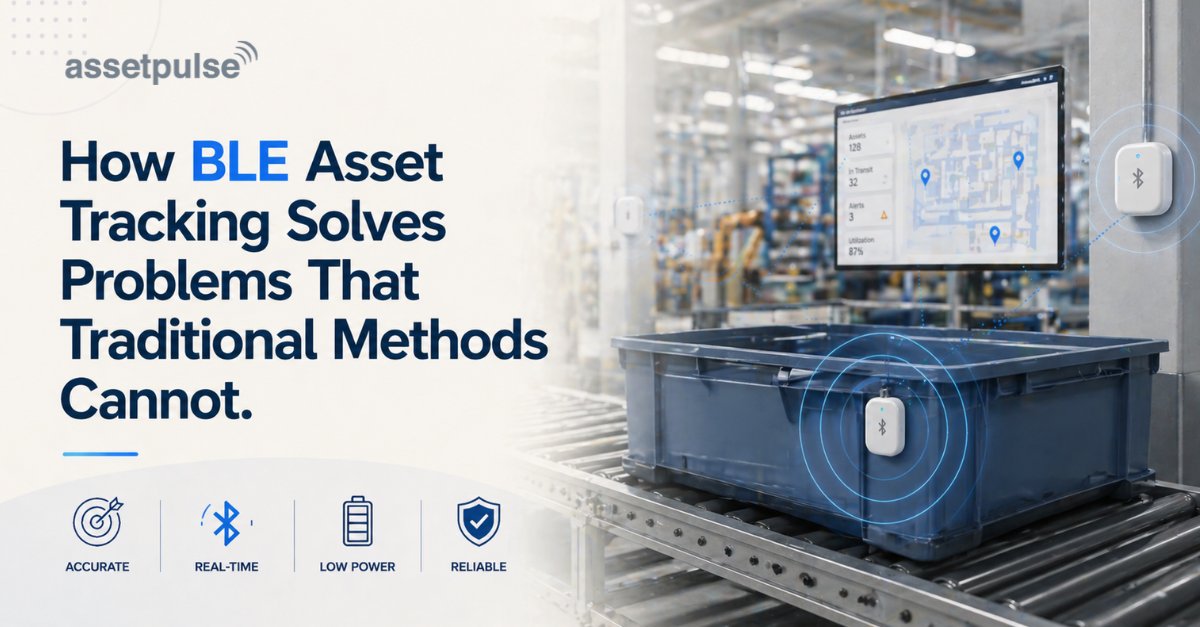
BLE asset tracking solves all three with real-time visibility + automation.
👉 See how: https://t.co/eJZifvlbFy
#AssetTracking#BLE#IoT#Operations
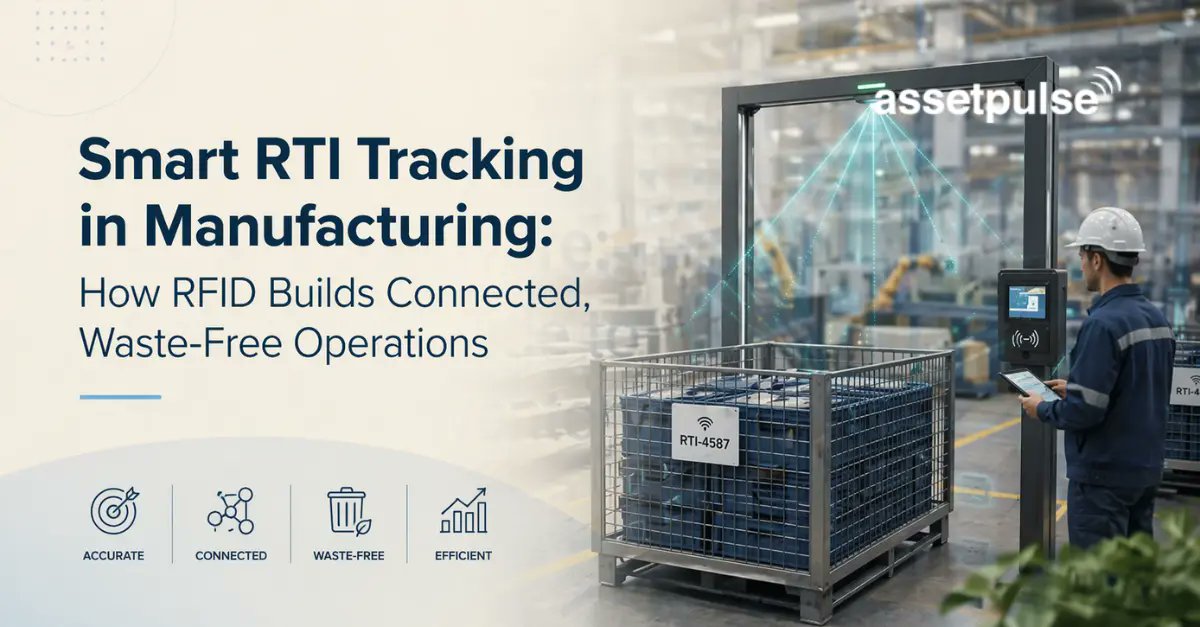
RTI tracking isn’t just tracking containers.
It’s about:
✔️ Reducing shrinkage
✔️ Improving asset utilization
✔️ Enabling real-time decisions
RFID makes it possible across multiple facilities.
Read: https://t.co/3NUpBW9EZf
#RFID#ManufacturingTech#SupplyChain#Logistics
Still relying on manual batch tracking? You’re likely losing time, accuracy, and traceability.
Modern systems use RFID + automation to track every batch in real time—no manual entry needed.
See how it works 👇
https://t.co/ECgt9RLm9K
#Industry40#IoT#RFID#SmartManufacturing