@BronyRepublican The ideal is where you get good at walking the line. Self-confident without shame and having the knowledge of precisely when to adhere to or ignore social norms, but not so subversive or "out there" that it becomes off putting.
@BronyRepublican Both are true, but it's tempered by proportionality. Being authentic is a virtue, but if your true self is an unhinged annoying sperg, you're unlikable. Likewise being polite and mild-mannered is also a virtue only in so far as you aren't a boring and passive doormat.
@kenzietuff I had a friend who would doodle in his notebook all the time. I remember one time he drew a WWII scene, Axis vs Allies and one of our teachers saw a swastika on one of the tanks and pulled him out of class for it.
That was the last time I ever saw him draw.
the 'people not having kids' trend: fascinating. people can do whatever. but as a larger trend, clearly something is up. likewise, when i ask the older generation why they all had kids, they don't know. they "just did"
so i looked up why non-human animals might not breed
[...]
“No, you don’t understand, boomers are actually really frugal, they never eat out and always pack a lunch, they definitely never do anything stupid with their disposable income, also their houses are full of consumer products that they’ve hoarded over the years for some reason.”
I regret to inform you that the internet is real life now. For most people, it has been since at least the mid 2010s. For those digital natives, like young millennials and older Generation Z, it begins in the 2000s.
An event barely feels real unless someone records it in a photograph, video, status update, or post. Activism carries little weight unless it is documented online, circulated, and shared. People check notifications while driving to work, despite the danger and illegality. On buses, trains, metros, planes, and ferries, they rarely read newspapers. They read news apps and social media feeds. Their faces are buried in their phones, just as their grandparents’ faces were once buried in newspapers.
Internet cultures and subcultures now manifest in physical life. Communities formed on 4chan, Reddit, Tumblr, and other platforms shape politics, language, fashion, humour, identity, and social behaviour.
Styles that had no previous existence outside the screen acquire followers online and then appear in the street. Reality increasingly resembles a simulacrum generated by digital culture, which then feeds back into the internet in a self reinforcing loop.
You interpret images through decades of accumulated memes, references, and collective online experience. A photograph, reaction image, pose, caption, or visual style can carry meanings that depend on years of shared digital context. The internet and real life are no longer separate spheres. They have merged into a single social reality.
Online personalities, alter egos, anonymous identities, and pseudonymous identities increasingly merge with the people behind them. The boundaries blur. Few people are simply inventing false personas, yet nearly everyone carefully controls how they appear. The result is a curated self that remains real while also being selective, strategic, and performative.
The internet has also dissolved the limits of local competition. You now compete with someone across an ocean for the attention of a person in your own town. Employment works the same way. Workers who once competed within a city or region now compete within a global market.
There is no longer a single public. There are many publics, each with its own authorities, narratives, values, and standards of evidence. These fragmented publics can destroy the legitimacy of traditional media and institutions, yet they struggle to build the shared consensus required to replace them.
Communication itself has become overwhelmingly audiovisual. Images, clips, memes, livestreams, and short posts increasingly determine what people notice, believe, and remember. The medium has become inseparable from social reality because it now structures how reality is perceived, recorded, interpreted, and understood.
@IncelsCo The guy on the left looks like a gay drug addict from LA
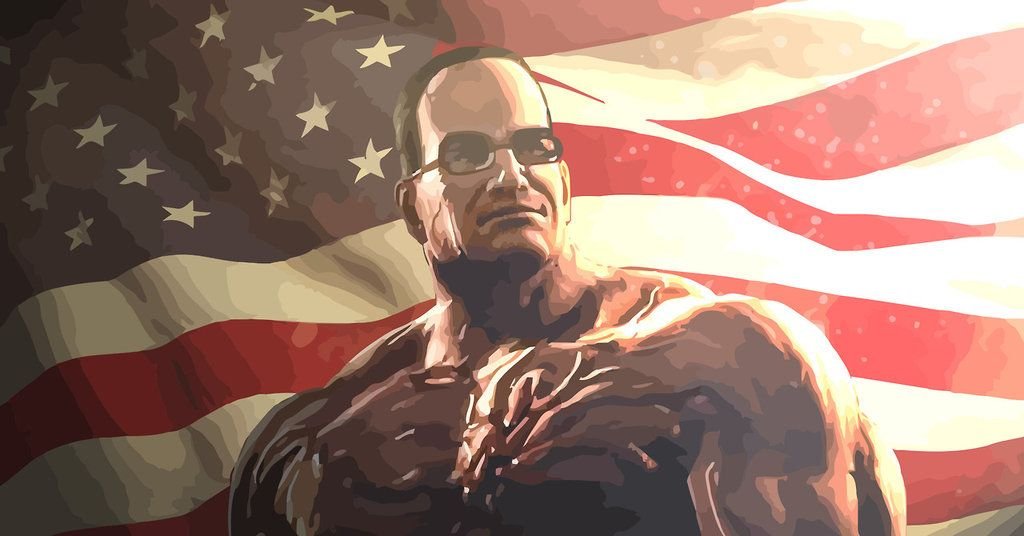
The guy on the right looks like Senator Armstrong, I don't think this is good rebuttal.
@derpymoko Wanting to small hockey team's worth of kids with Mephiles is the most apex edgelord shit I can imagine.
I can really relate to this level of Sonic autism



![owenbroadcast's tweet photo. the 'people not having kids' trend: fascinating. people can do whatever. but as a larger trend, clearly something is up. likewise, when i ask the older generation why they all had kids, they don't know. they "just did"
so i looked up why non-human animals might not breed
[...] https://t.co/2HvFrOCrO1](https://pbs.twimg.com/media/Gl8mqb3XAAEpT-O.jpg)