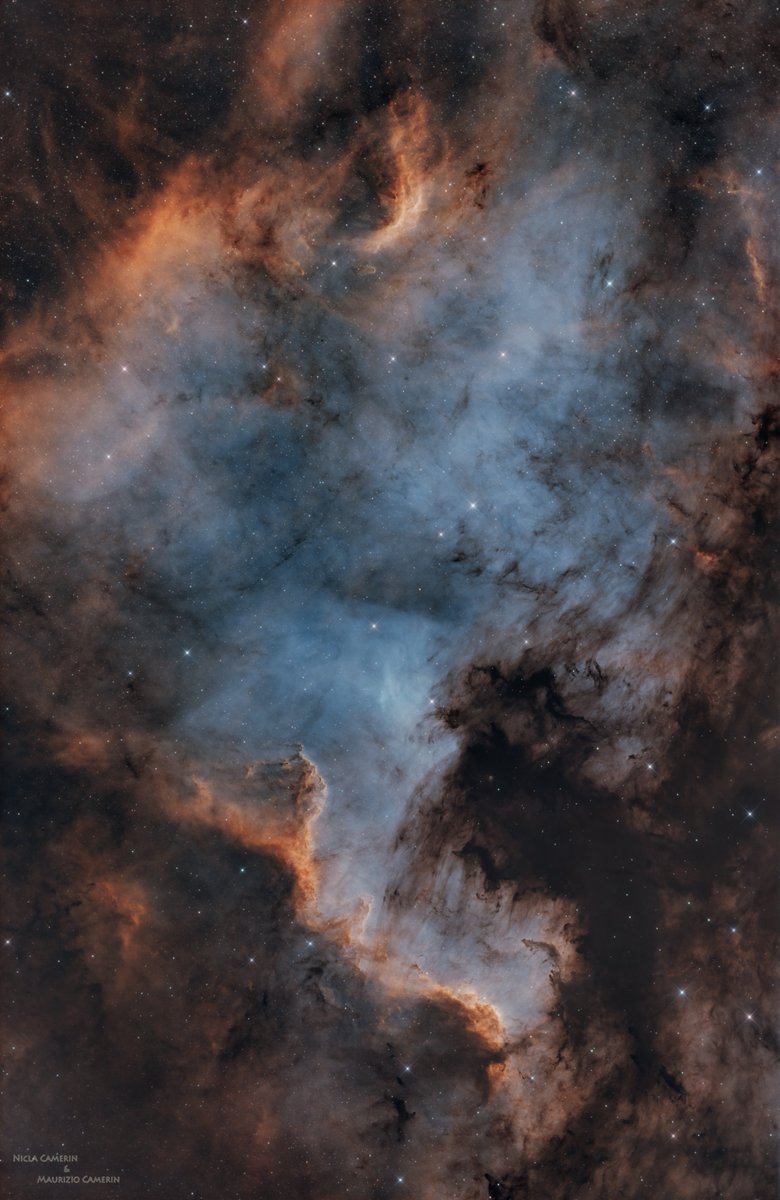
🔭NGC7000-North America Nebula 🔭 An emission nebula in the Cygnus constellation at 1,700 ly away and 100 ly across, glowing due to the ionization of interstellar gas caused by radiation emitted by hot stars.
https://t.co/Kqcn62ddSH
#Astrophotography#Space#Astronomy#Nebulae
Before #NASAWebb, it had been 30+ years since astronomers looked closely at Neptune. With Webb, scientists imaged the planet’s auroras and studied its atmosphere, including unexpectedly finding a significant drop in temperature—all at a distance.
Credit: NASA, ESA, CSA, STScI.
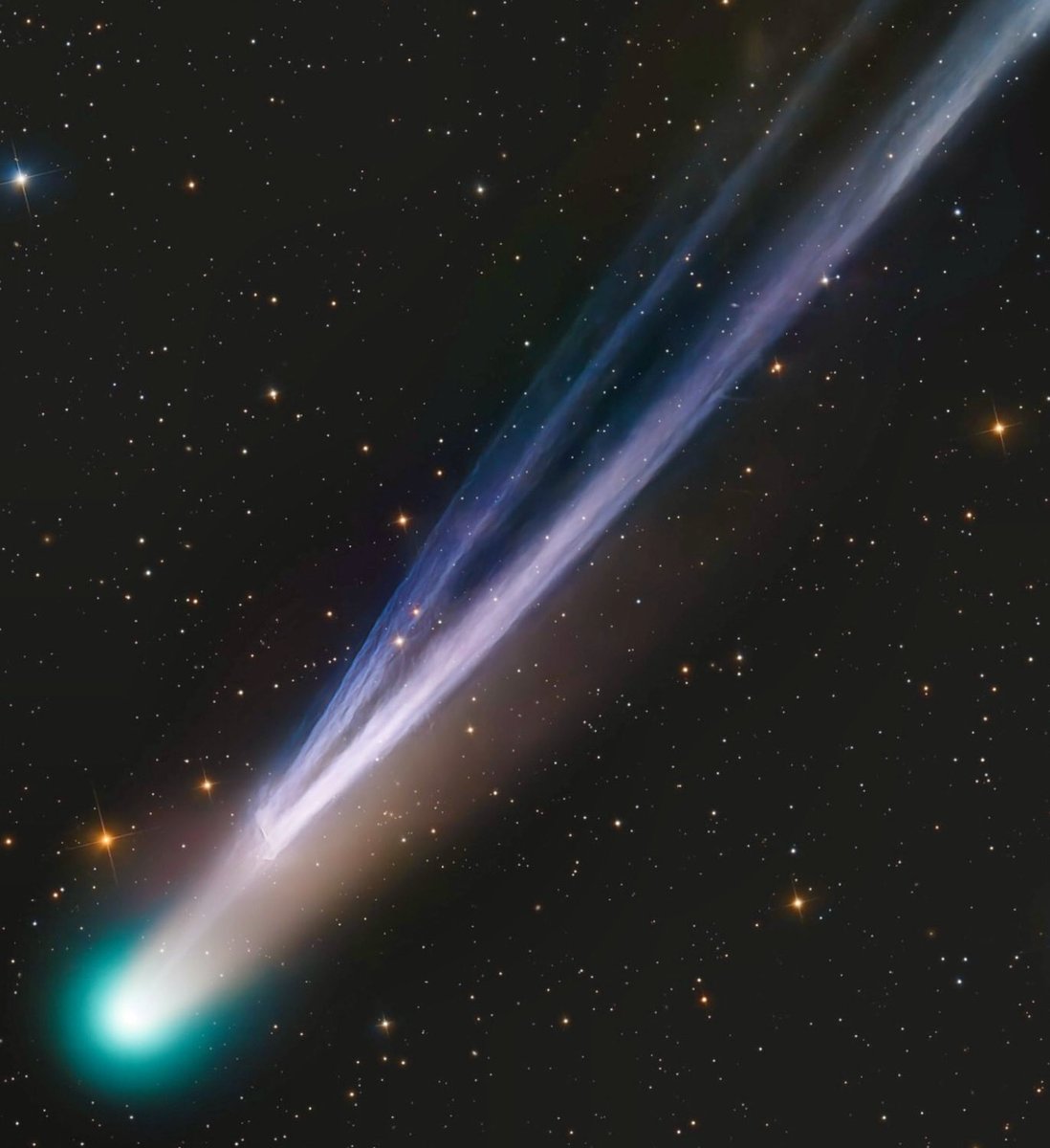
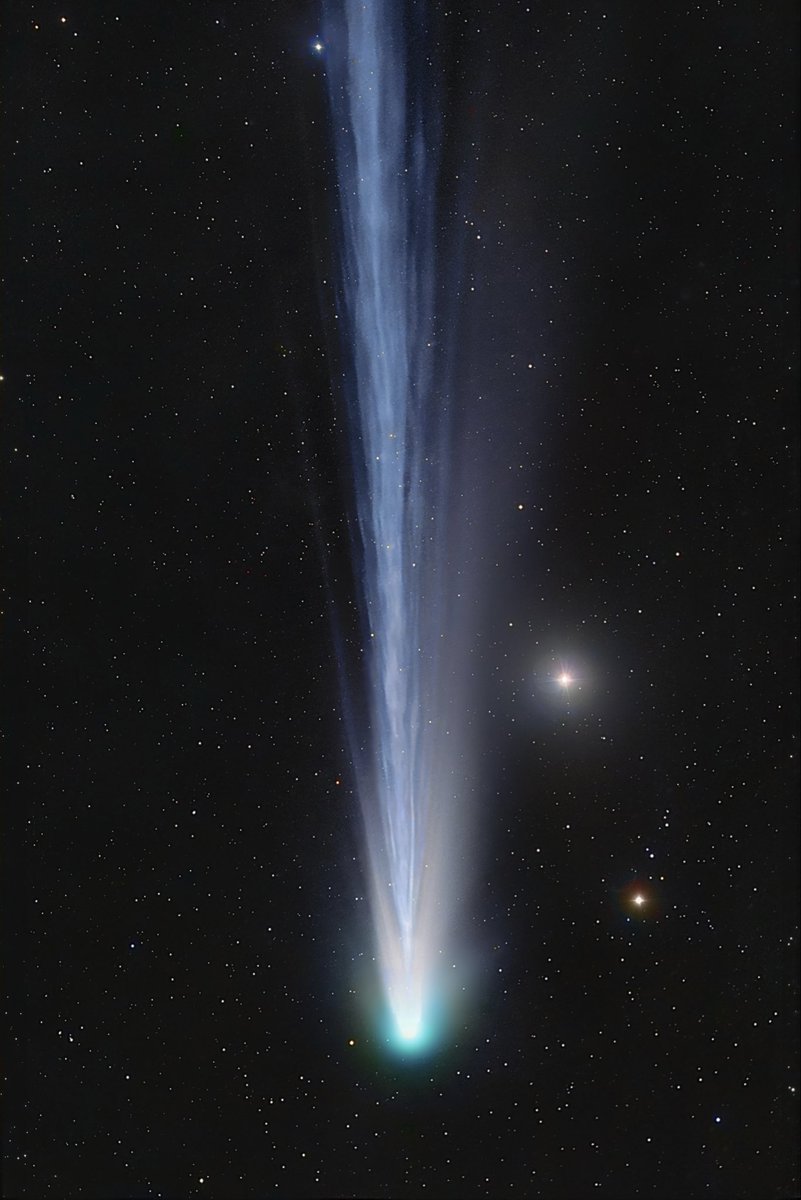
TWO EXTRAORDINARY #COMETS: #LEMMON & #SWAN IN AFTERNOON SKIES, accessible with binoculars. Here close views of their comae, taken yesterday from #MontsenyObservatory.
About their nature and origin:
🔖 https://t.co/XdlmamgRtm
How to find #Lemmon now? 👇🤩➡️https://t.co/kj7k51obep
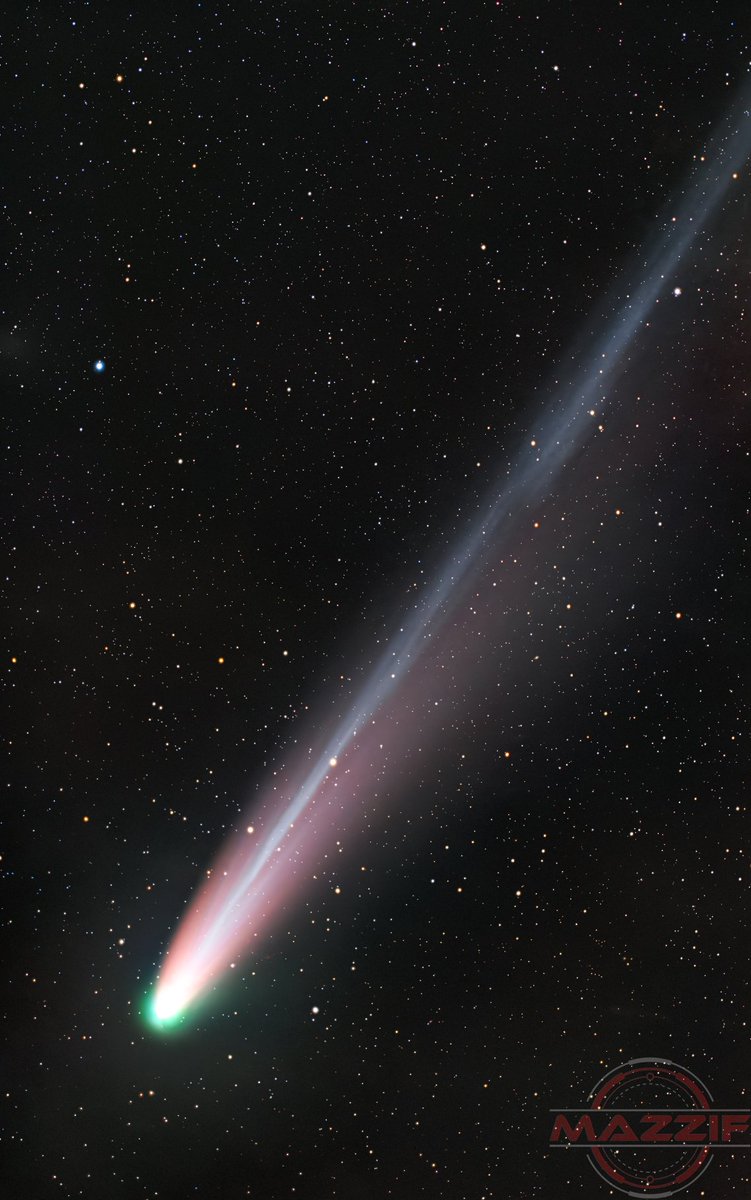
To save you guys disappointment and effort, this comet does not look like this naked eye, even from dark skies. Lots of long exposures and stacking were used for this image!
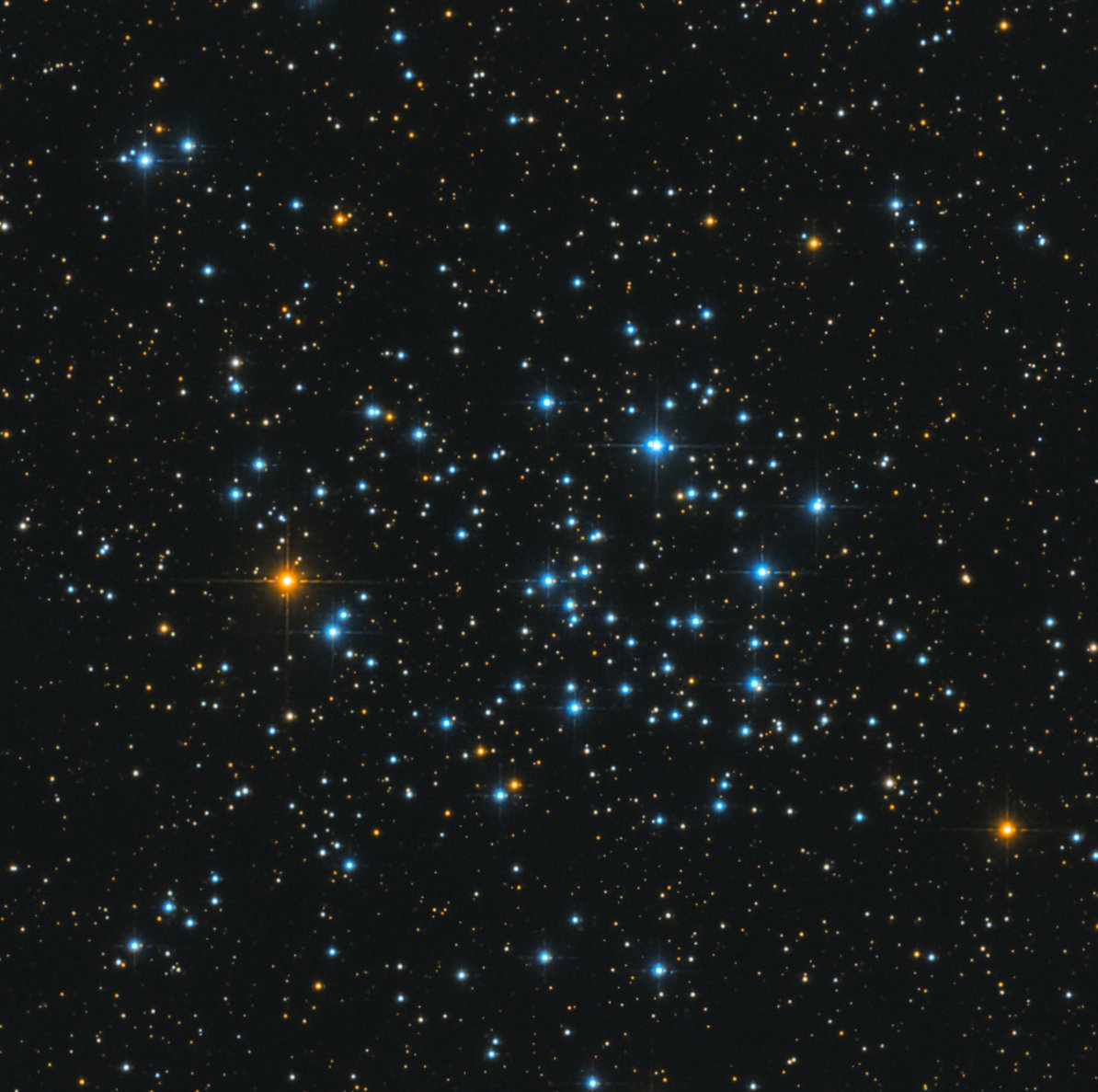
Hello Everyone, here is my latest capture, M50. They call it the Heart Shaped Cluster. It's 2,900 light-years away from Earth. The star cluster is around 140 million years old. I used my Celestron RASA telescope, ZWO ASI533MC color camera, and an Antlia L-Filter.
Massimo, science girl etc.. all these accounts who make thousands per month from embedding tweets of others work are not ‘creators’, they are commenters at best. They aren’t even bright. Both have been fooled by AI content several times. Why are they earning from a creator fund?
AstroBin's Image of the Day: "Sh2-188 - Inside the Shrimp" by Deep Space Remote Observatories - Steve Mandel, Bob Fera, and Steeve Body
https://t.co/DkITnOGzcf
#astrophotography
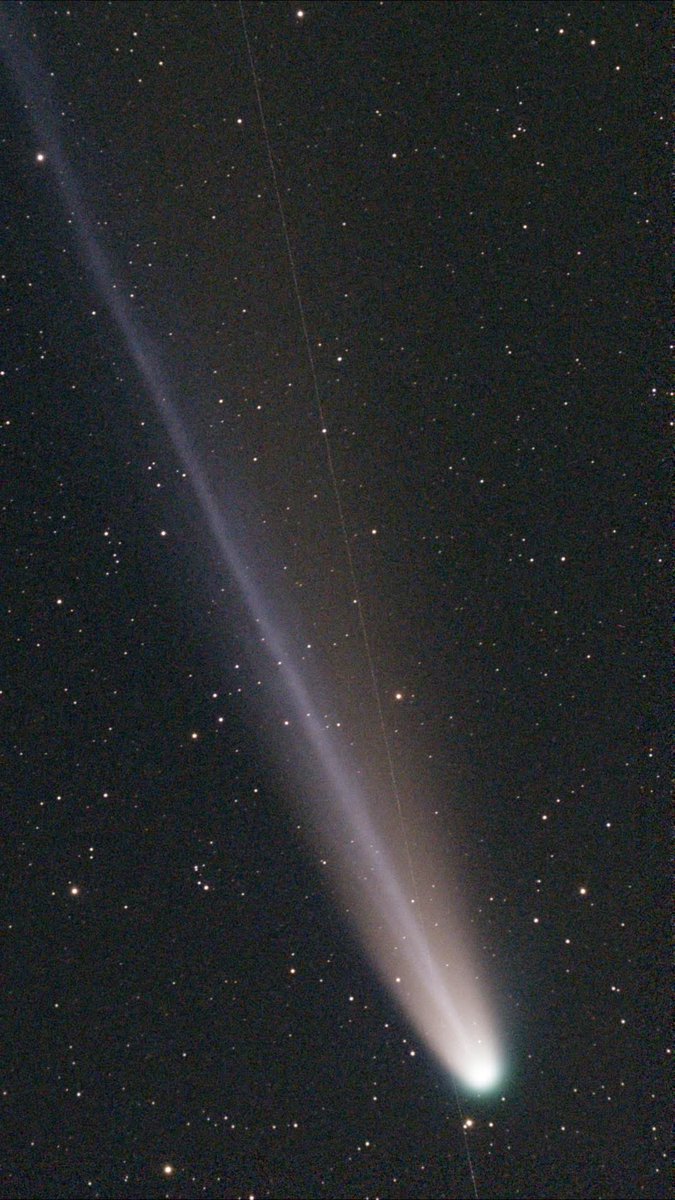
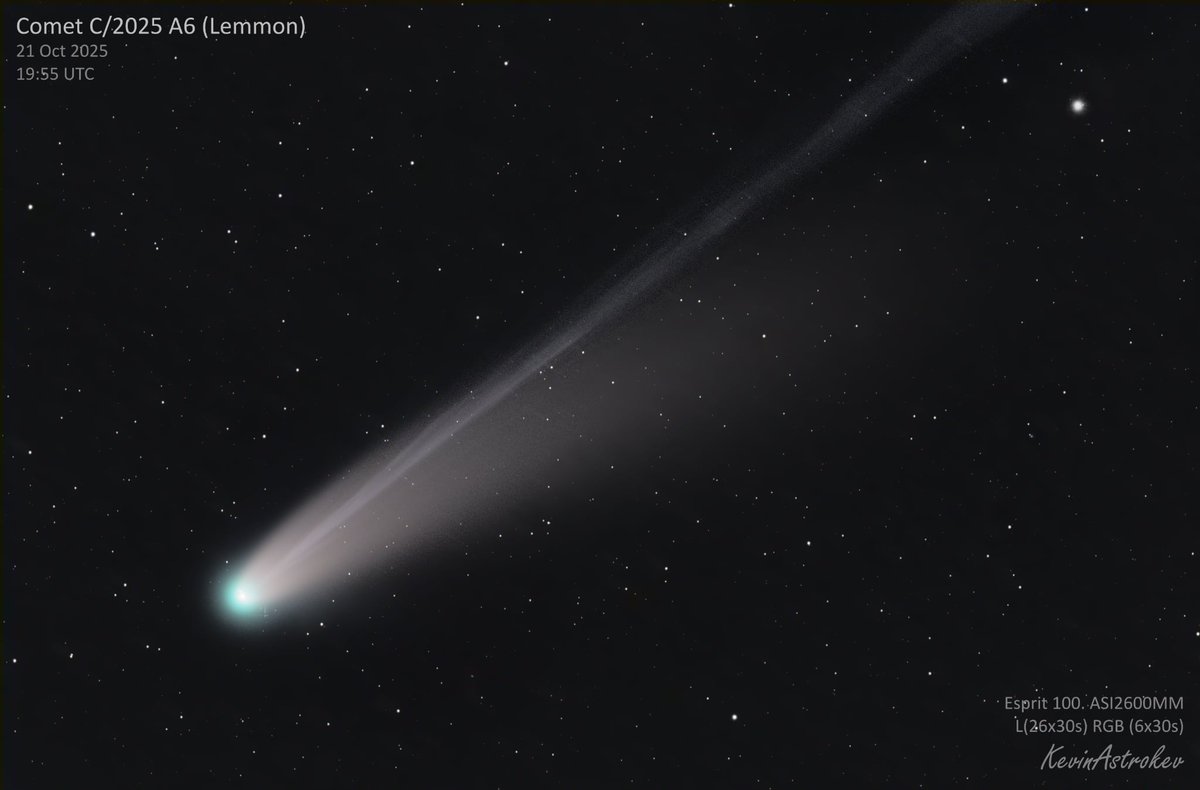
Another comet Lemmon image, taken on 21 Oct.
For this one I used my mono camera with red, green and blue filters to capture colour data, which I added to the main mono image to create an LRGB colour image.
Scope was a 550mm focal length Esprit 100.
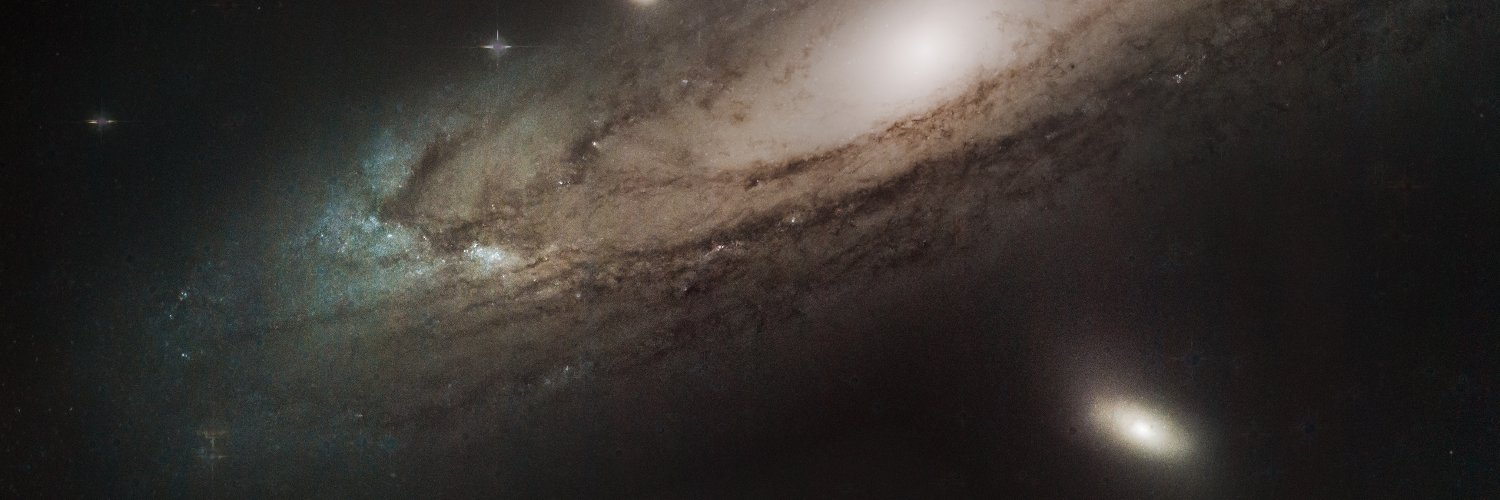
🔭Messier 96🔭Is categorized as a double-barred spiral galaxy with a small inner bulge through the core along with an outer bulge and about the same mass and size as the Milky Way. Is the brightest galaxy within the M96 Group.
https://t.co/Ur1XdCsUV1 #Astronomy#Galaxy
Esta es la nebulosa planetaria NGC 2440. En su centro está una de las enanas blancas más cálidas conocidas (es el punto más brillante del centro de la imagen). La región vista aquí mide un año-luz. En cinco mil millones de años, el núcleo del Sol, también, se convertirá en una enana blanca. NGC 2440 está a 4000 años luz del Sistema Solar. Crédito: H. Bond, R. Ciardullo et al. #FelizFinde
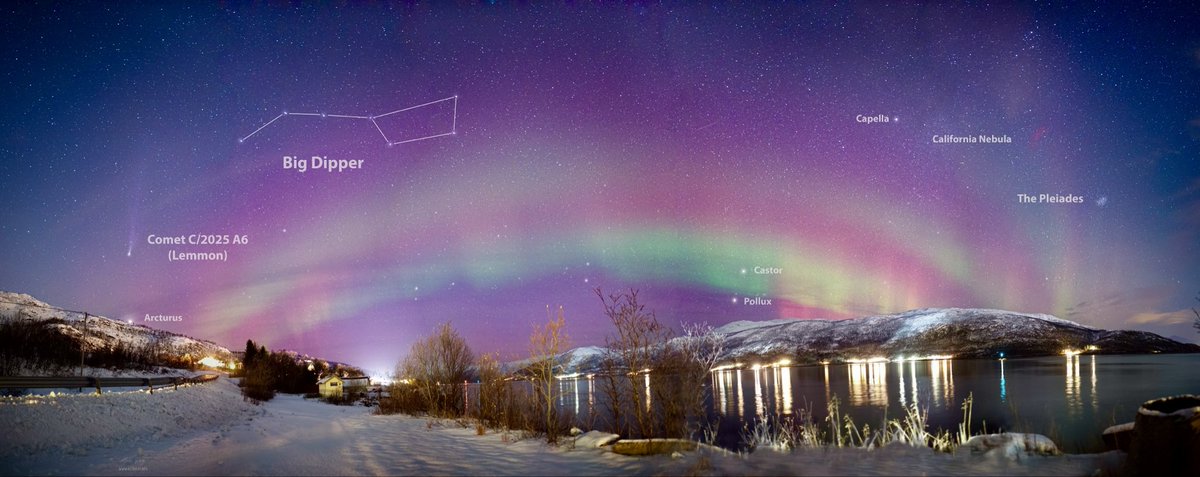
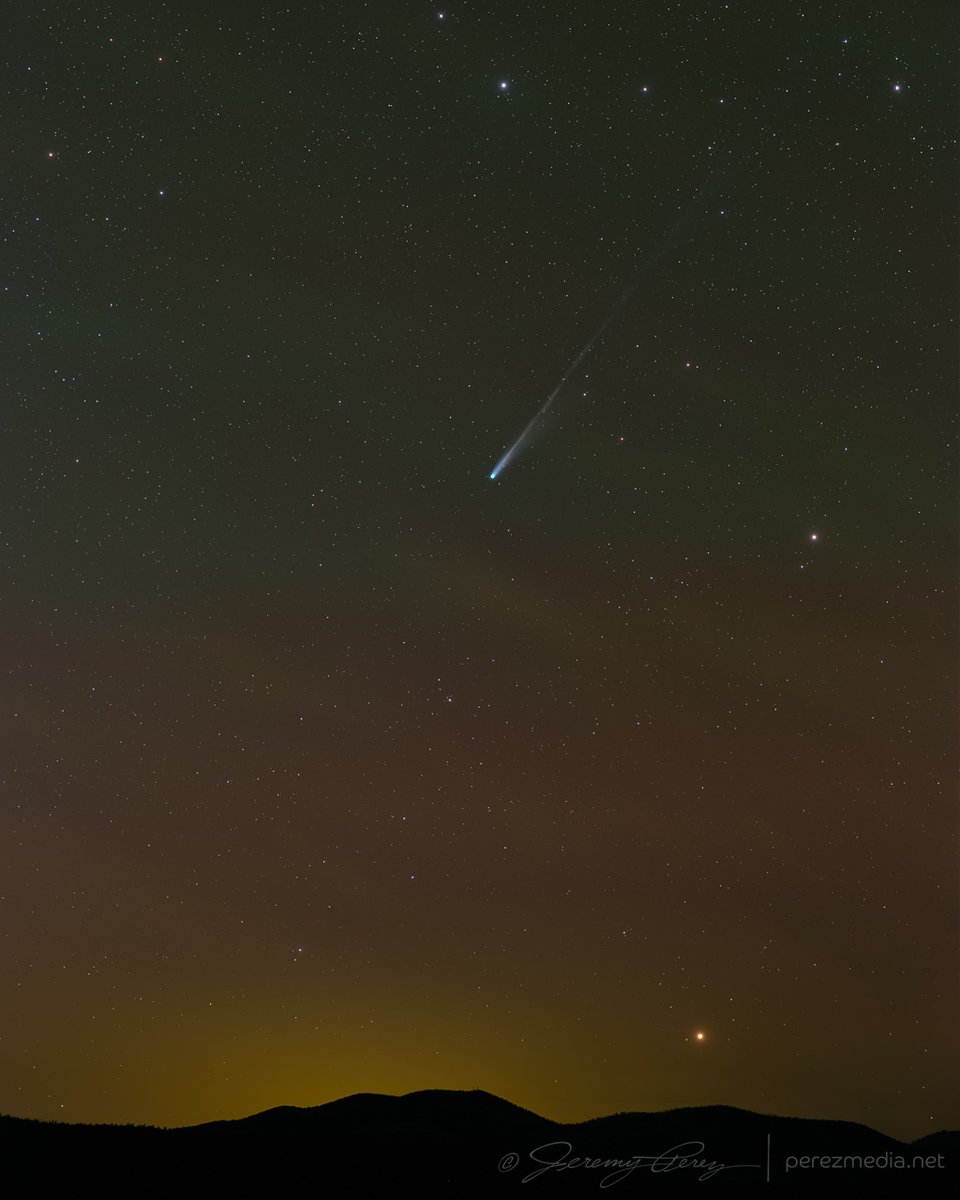
C/2025 A6 (Lemmon) with Arcturus blazing just above the horizon tonight. Naked eye, roughly 2° of the tail was visible compared to 5° in 15x70 binoculars and more like 8° in this shot. The heavy airglow was visible naked eye too as the comet dipped deeper into it.
Hello Everyone, here is a different view of Comet LEMMON captured on Oct. 21. I removed all of the background Milky Way stars to provide a somewhat different perspective on the comet. I used my Celestron RASA telescope, ZWO ASI533MC color camera, and an Antlia L-Filter.