“Science does not mean an idle resting upon a body of certain knowledge; it means infesting endeavor and continually progressing development towards any aim which the poetic intuition may apprehend, but which the intellect can never fully grasp.” - Max Planck
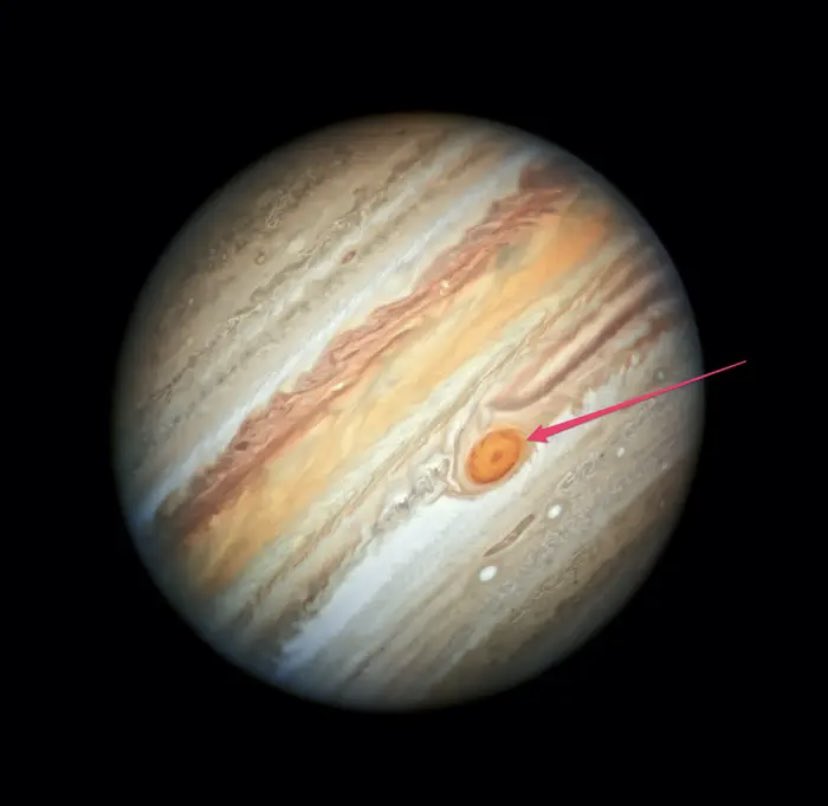
Jupiter’s Great Red Spot (THREAD)
Jupiter’s Great Red Spot is the largest storm in the solar system, and has been raging for over 150 years!
This storm is so large that it has twice the width of Earth, and can fit 3 Earths inside of it!
Winds within the storm can reach up to 400 mph. But how has this storm lasted so long, and why is it so large?
3. On Earth, our storms (hurricanes) tend to break and disperse as they move inland. But on Jupiter, there is no landmass! This lack of landmass allows storms to last for much longer.
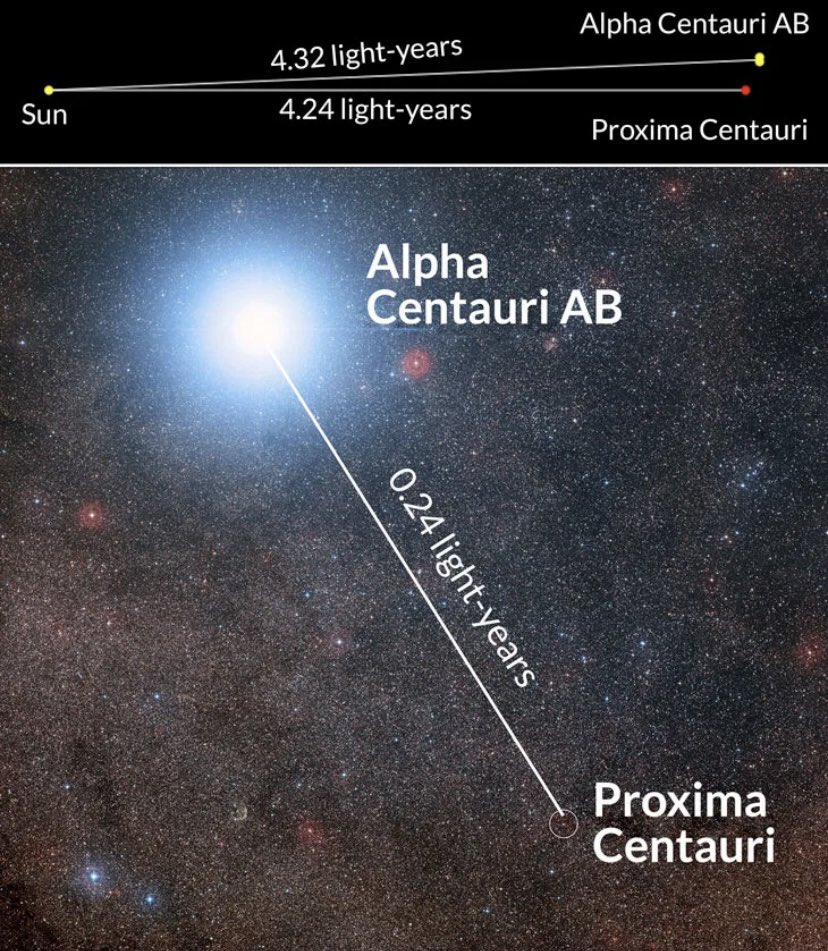
The scale of the universe is incomprehensibly vast. Other than our sun, the closest star to us is located approximately 4.24 light years away (roughly 25 trillion miles or 40 trillion kilometers). This star, named Proxima Centauri, resides in the Alpha Centauri star system, which includes 2 other stars!
Ignoring the influence of gravity, it would take the Saturn V rocket about 114,000 years to reach Proxima Centauri.
Gravitational Lensing:
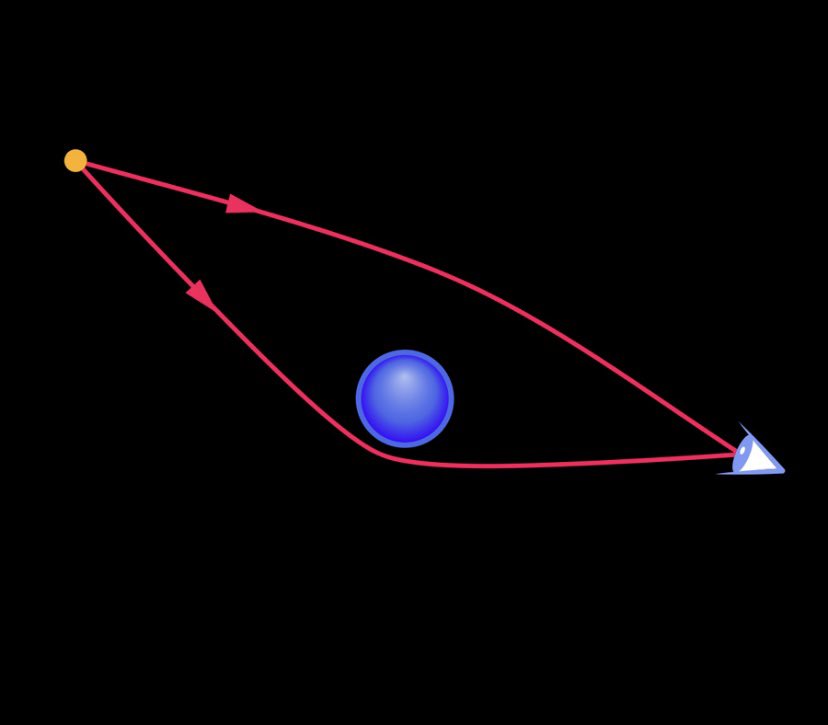
Gravitational lensing, predicted by Einstein’s theory of general relativity, is a phenomenon where the gravity from a massive object bends the path of light from some distant object.
This effect can cause the distant object to look magnified, distorted, and/or stretched.
Your comment inspired me to research this question, and I really can’t find a straight answer. I understand that light won’t lose energy as it travels unless it is interacting with matter, but cosmological redshift causes an increase in wavelength, which means a decrease in energy… which would mean that at a large enough distance, a photon’s energy should decrease to 0 even if it hasn’t interacted with any matter due to cosmological redshift. But then where does this loss of energy go if we cannot violate the law of conservation of energy?