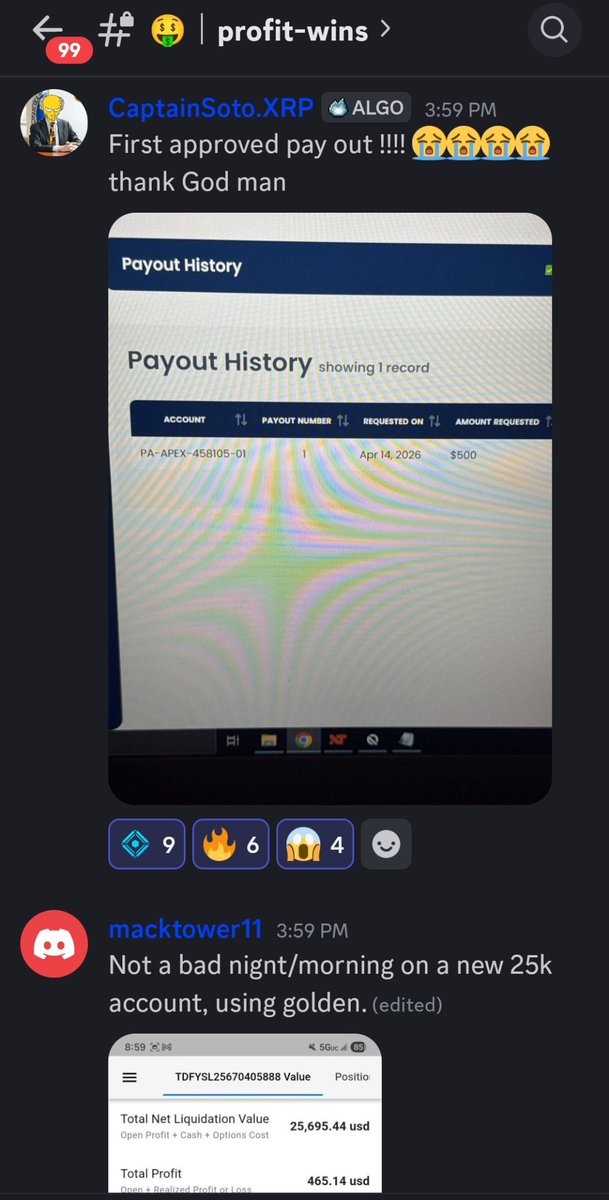
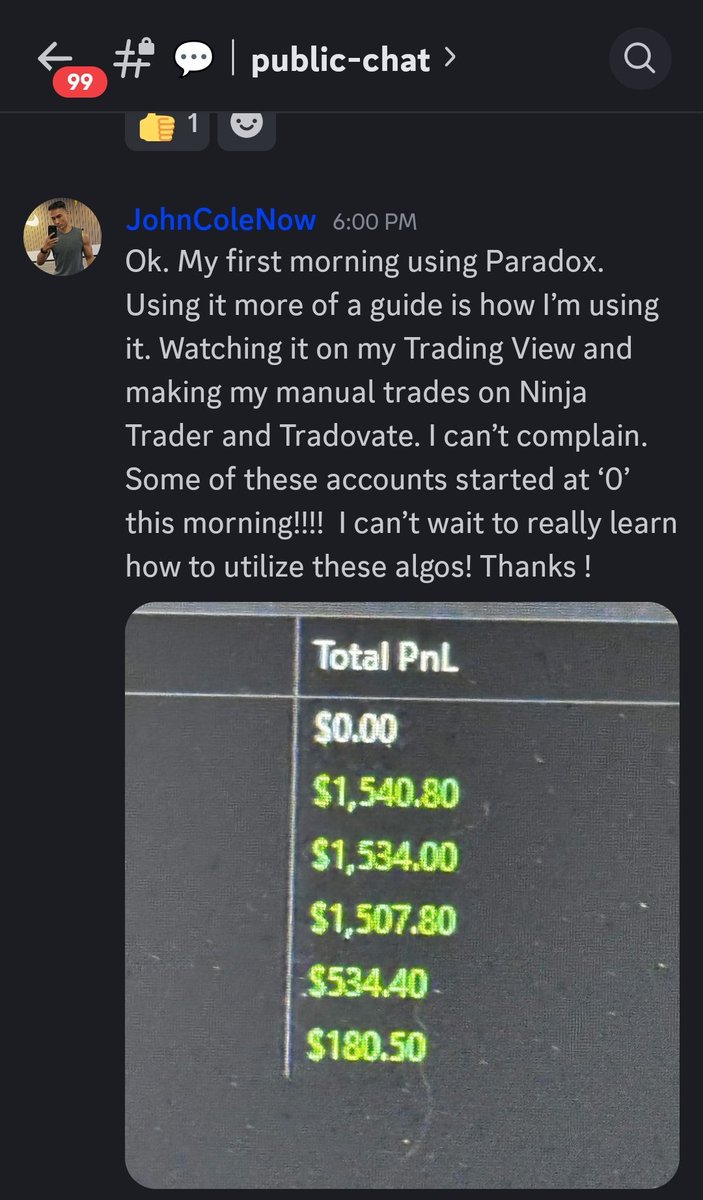
I started new Copy Trade session.
Who wants to come in ?
https://t.co/gDHRM8dHF7
https://t.co/TLwyjthWWa
https://t.co/sCkSmskhey
https://t.co/wT21cULBRd
https://t.co/Flrnb9AdIL
A few years ago, I was standing behind a small food vendor who had just lost a full afternoon of sales. Nothing was wrong with the food. The line was there.
The problem was simple: the payment terminal stopped working. Network issue. The bank said “wait.” Customers got angry and walked away. Cash only wasn’t an option anymore.
That stall lost a lot of sales that day, not because demand disappeared, but because permission did.
That moment stuck with me, and it’s why decentralized retail payments like @Ctap_io actually matter.
At its core, tap to pay today isn’t really “digital cash.” It’s a request system. Every transaction asks multiple intermediaries for approval, the bank, the processor, the network, sometimes a regulator, sometimes a policy engine deciding whether you’re allowed to transact *right now*. Most days it works. Until it doesn’t.
@Ctap_io flips that model. They don’t ask for permission first; they verify after the fact. Value moves the same way information moves on the internet, directly, peer to peer, without a single choke point that can fail, freeze, or quietly say no.
This isn’t just theoretical. For small merchants, decentralized tap to pay means fewer hidden fees, fewer arbitrary blocks, and fewer days where revenue depends on someone else’s uptime. For consumers, it means payments that don’t care who you bank with, what country you’re in, or whether a backend system is under maintenance.
That said, decentralization isn’t a silver bullet.
User experience still lags. Custody is hard. Regulation isn’t optional in the real world, and pretending it is doesn’t help adoption. Most people don’t want to think about keys, networks, or confirmations when they’re buying coffee. They want it to work, instantly and invisibly.
So here’s my honest position; decentralized retail payments don’t replace traditional systems overnight. They PRESSURE them.
Decentralized retail payments matter because they create an alternative, one that reminds the existing system it’s not the only game in town. They matter because when payments are programmable, borderless, and not owned by any single company or country, leverage shifts slightly back to the user.
The goal isn’t to kill Visa, banks, or tap to pay terminals. It’s to make sure that the ability to exchange value doesn’t depend entirely on centralized permission layers that can fail, exclude, or change the rules mid game.
Decentralized tap to pay isn’t about ideology.
It’s about resilience.
And in a world where “the system is down” can shut a business for the day, resilience is not optional, it’s the product.
After my experience years back, I personally believe decentralized retail payment is the future!