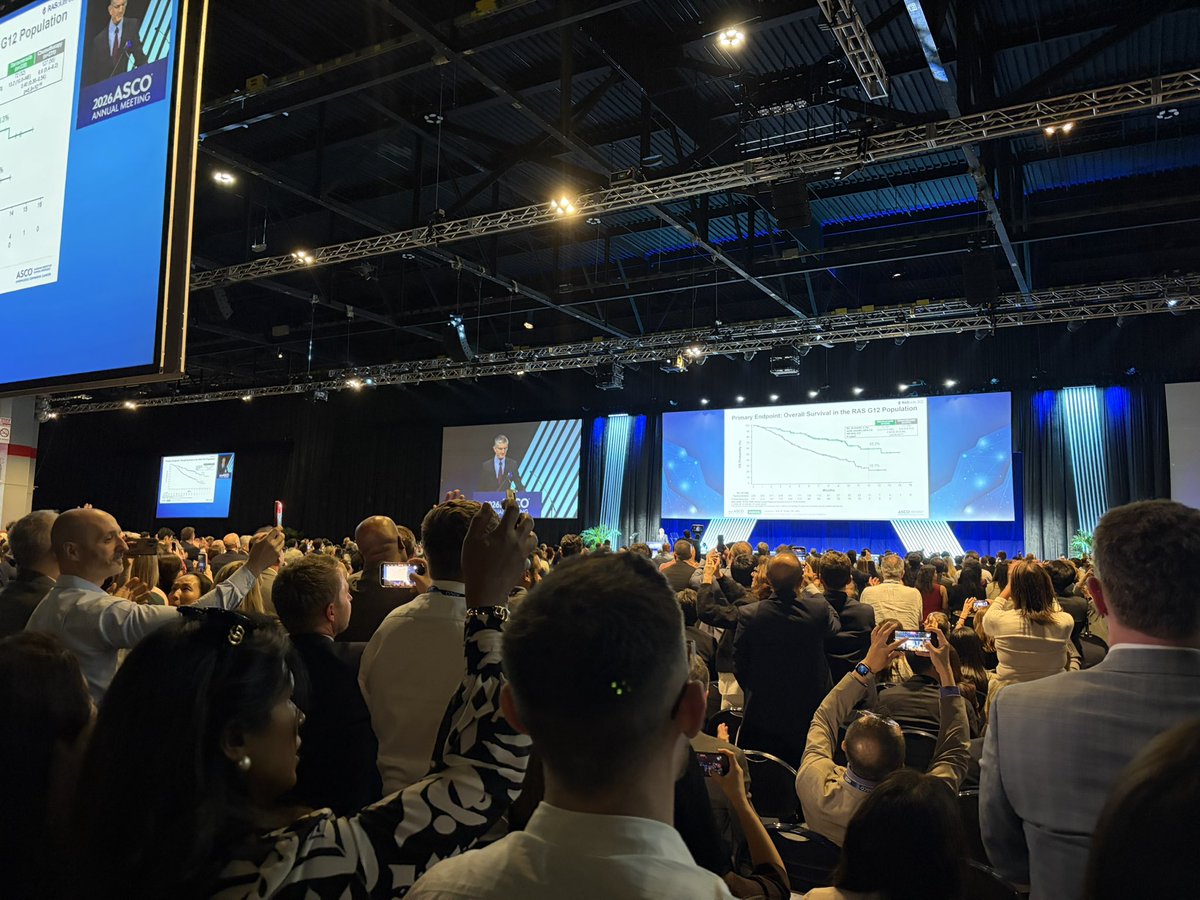
Incredible #ASCO26 moment.
Dr. Brian Wolpin, presenter of the daraxonrasib study, received a standing ovation DURING his talk after he stated the survival benefit for PDAC patients. It was sustained. Cheering. I have never see anything like it in the middle of a talk. $RVMD
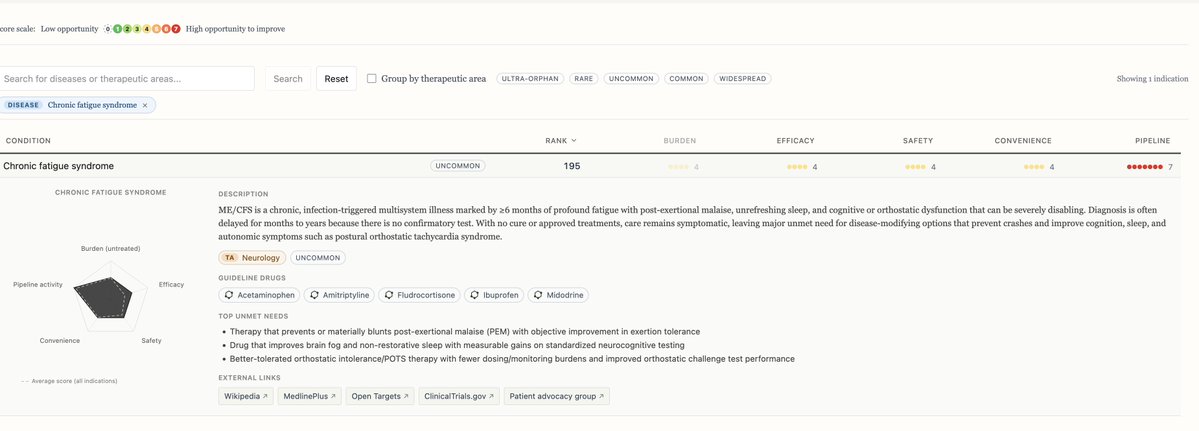
@RessyM@Convokebio@DrSamuelBHume Here's how a burden of 4 is described in our rubric (impact on day to day life):
Independent in self-care but symptoms prevent sustained full-time activity. Employment precarious, requires major accommodations, part-time status, or role reassignment. Karnofsky Status 60-70
@alibrocato We did internal human review, but not formally with e.g. patient groups or KOLs. That's something we might add in a future iteration. I consider this a proof of concept
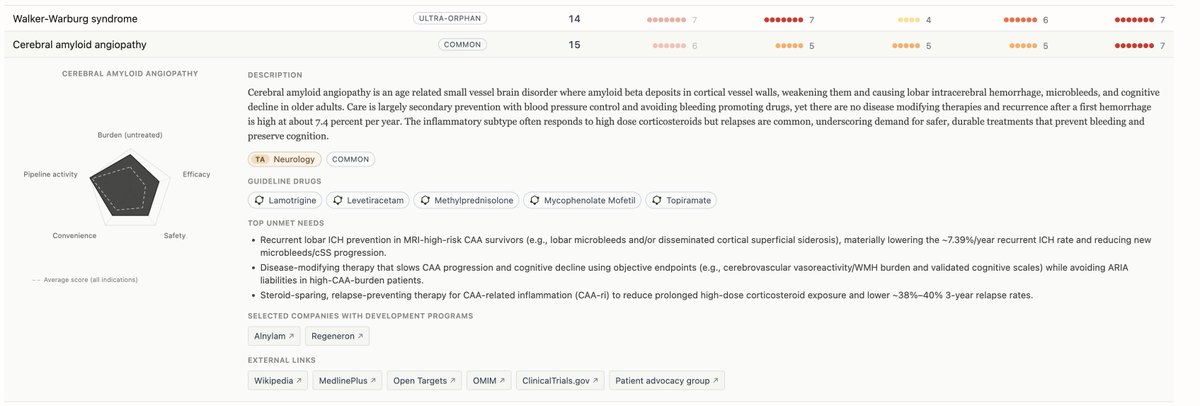
We ran an experiment to see if LLMs could help map, identify, and prioritize unmet medical needs across thousands of diseases. I've found it pretty educational to browse through; I've worked in biopharma for a while now and there are still so many big problems I've never heard of
Today we're publishing our index of unmet needs in human disease: 2443 indications scored and ranked on burden of disease, prevalence, pipeline activity, and treatment burden. We hope this will help drug developers identify overlooked medical problems
https://t.co/OX4BKC8cfI
@connorlandgraf Our definition of uncommon was "Affects between 1 in 2,000 and 1 in 100 people". The LLM's estimate of the prevalence for HFrEF was 1 in 270
@antonioregalado Yeah it's an unusual one. In that case it's the burden of disease driving the score. Pipeline = 7 means that there's probably no drugs in development (higher need)
Biology is one of the most interesting domains where I'm seeing AI being applied. @Convokebio is hosting a small event with lightning talks to introduce the space to a technical audience without a bio background. There's a few spots left, DM me if you'd like to be added.
I'm joining the OpenAI Foundation to lead the Life Sciences & Curing Diseases program.
We're starting with three areas of grantmaking:
* AI for Alzheimer's
* Public Data for Health
* Accelerating Progress on High-Mortality and High-Burden Diseases
Time to get to work!
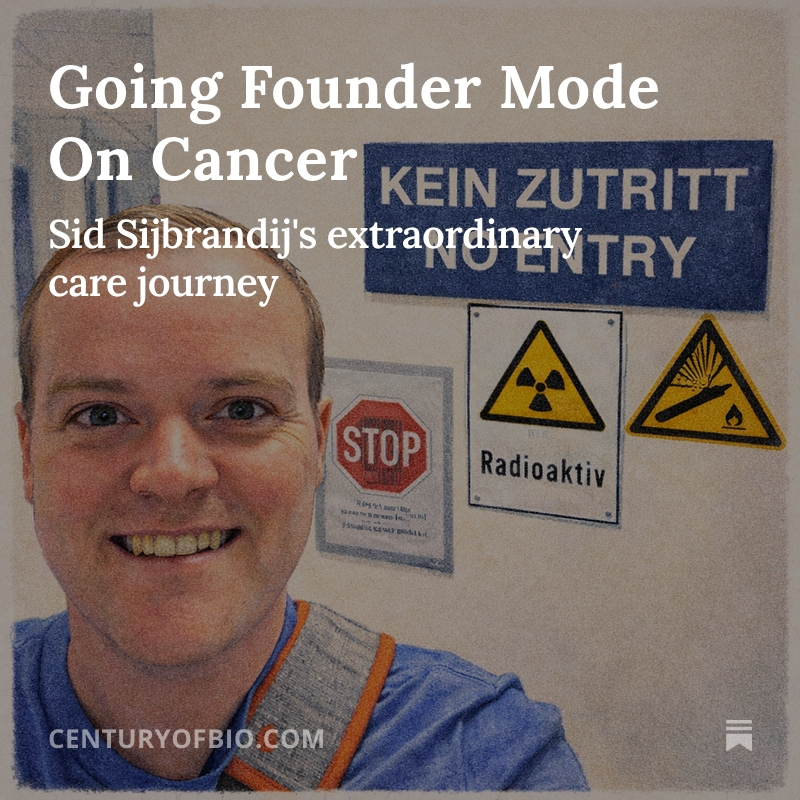
Going Founder Mode On Cancer
https://t.co/vAqXIV5zvE
Sid Sijbrandij is a generational founder. He founded and led GitLab, one of the largest remote companies in the world, from idea-stage startup to NASDAQ-listed software giant.
But in 2022, a six centimeter mass growing from his upper spine threatened to end all of that. He had cancer.
What happened next is nothing short of remarkable. Sid went founder mode on his care journey. In the years since, he's deployed cutting-edge genomics to profile his disease. Based on this data, he's developed a growing armamentarium of personalized therapies.
As a result, his disease is now undetectable.
A simplistic version of this story could be, “Wow! A brilliant billionaire seemingly cured his cancer. Good for him!”
But as I’ve gotten to know Sid, it’s become abundantly clear to me that there is more to the story than that.
In an in-depth profile for The Century of Biology, I explore Sid's journey and what this might mean for the future of cancer care.
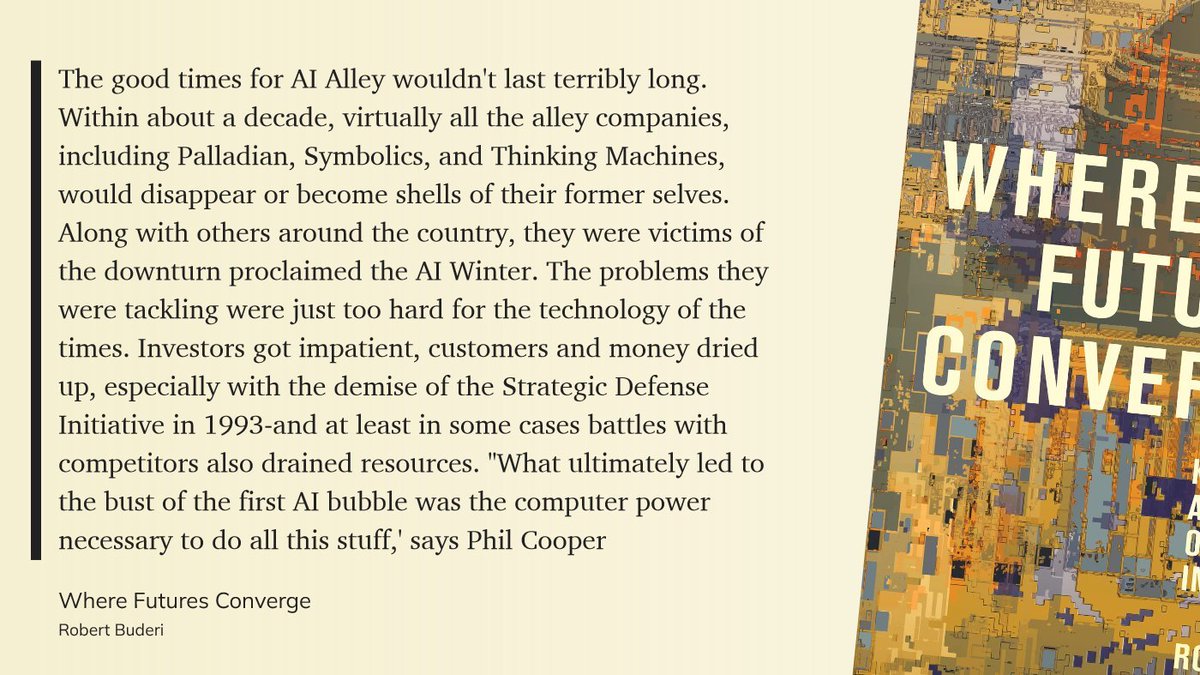
There's no guarantee that Kendall square is going to remain a biotech hub. Every 20-30 years or so a new industry has replaced the previously dominant one; before biotech it was AI, before that it was minicomputers, hard candy, and soap
A life-sciences job in Boston used to be a sure path to a high-paying career, but empty labs and unemployed grads now herald tougher times in the city https://t.co/iUB4bYw4yO
Dave Ricks on @stripe's podcast is the best pharma exec interview I've listened to in a good while.
My notes on the conversation, Lilly's DTC strategy, and how they're using the capital influx from GLP-1s to build a new type of pharma business model: https://t.co/9g7RaHJKCT