🇨🇭 Connecting with our local ecosystem at @BioAlps Networking Day in Lausanne!
Next week (Nov 19), as the Swiss Health Valley celebrates 25 years 🎉, meet our Co-Founder & CTO @loic_roch on moving from manual labs to #SelfDrivingLabs to accelerate discovery! 🚀
See you there!
Behind every lab data point is a slow, expensive experiment.
In Voices of SDLabs® Ep04, Mahrokh Boroujeni highlights why AI for science needs #BayesianOptimization to handle sparse data & augment scientists to discover faster!
Watch the full episode 🎧
#SDLabs#SelfDrivingLabs
Before the experiment comes the literature search 📚
We integrated Deep Research into #SDLabs to connect papers to your optimization campaigns: turning insights into active experimental designs in minutes to augment scientists and speed up discovery! 🚀
Swipe to see how 👇
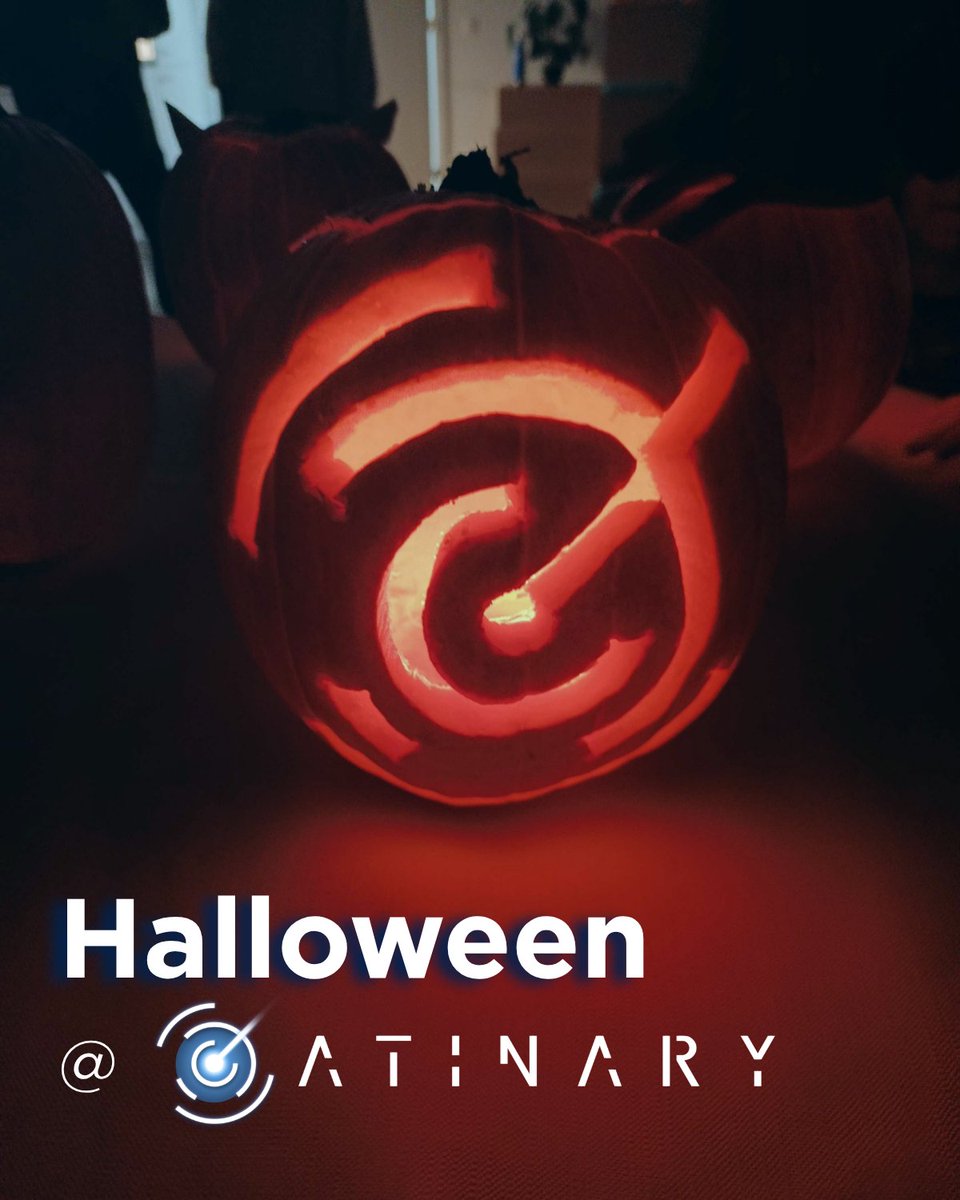
Whether carving pumpkins or augmenting scientists with #SelfDrivingLabs, precision & curiosity lead the way at Atinary! 🚀
Pioneering AI-driven R&D takes cutting-edge tech & teammates who enjoy collaborating along the way.
Join the team & build with us: https://t.co/hUP2f9LFF3
How do you bridge AI and robotics for end-to-end synthesis?
Meet us at the Automated Synthesis Forum on Nov 10-11 at @AstraZeneca.
Connect with @loic_roch & Martina Löfqvist to explore how #SelfDrivingLabs augment scientists to accelerate R&D discovery 🚀
@UK_ASF#ASF2026
Integration is the real bottleneck.
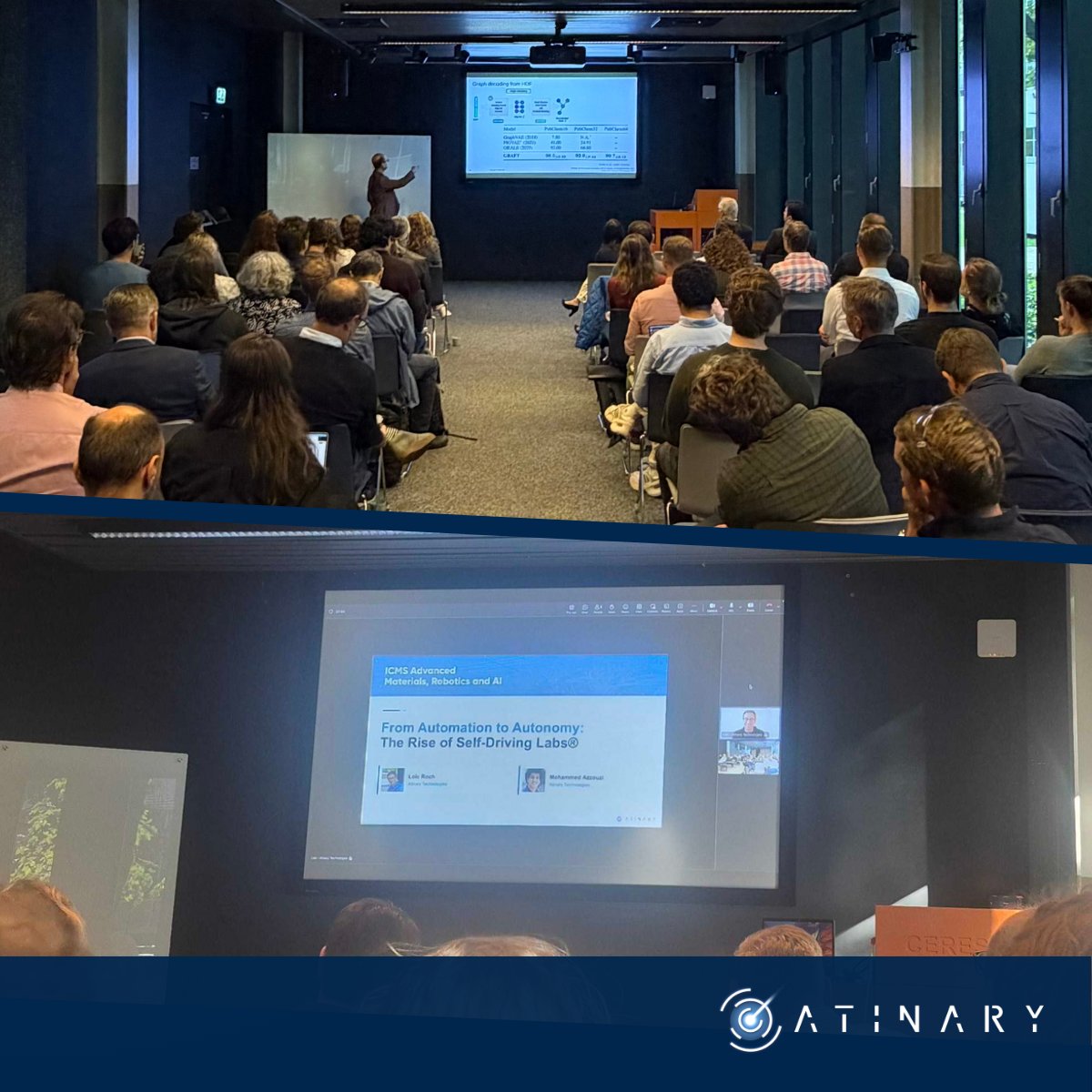
At the Advanced Materials, Lab Automation & AI symposium in Eindhoven, @loic_roch (Co-Founder, CTO) & Dr. Mohammed Azzouzi (Application Engineer) shared how our Boston lab solves this: connecting hardware & data to build #SelfDrivingLabs. (1/3)
Key symposium takeaways:
💡 AI & LLMs co-ideating with scientists on new hypotheses
💡 Low-cost automation putting #SelfDrivingLabs within reach of more R&D teams
💡 Europe's materials ecosystem growing via IAM-I & Vision 2040
(2/3)
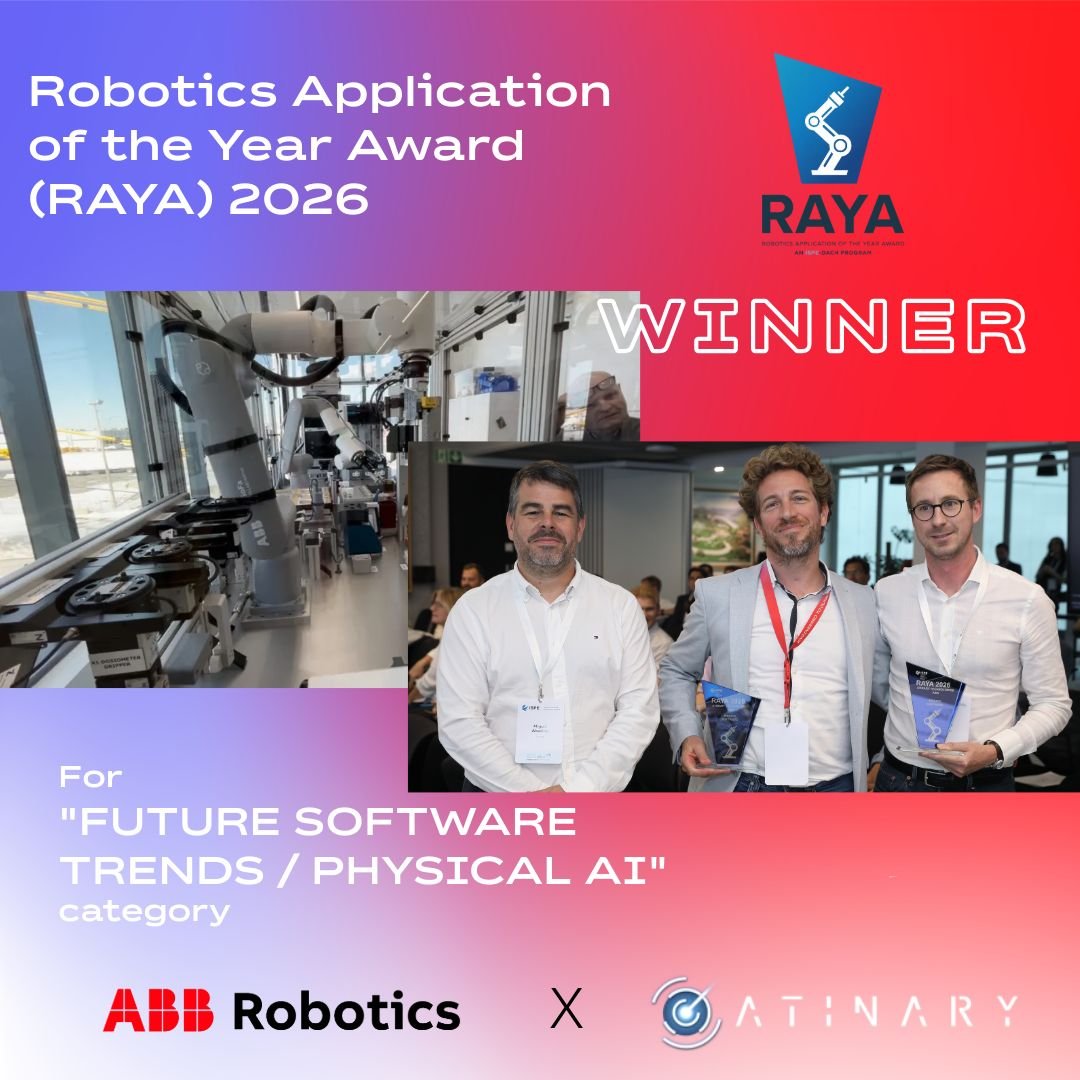
Atinary & @ABBRobotics received the Robotics Application of the Year Award (RAYA) 2026 in the "Future Software Trends/Physical AI" category, presented by @ISPEorg & hosted by @TakedaPharma in Zurich!
A testament to partnership: uniting AI-robotics to augment scientists in R&D.
When traditional R&D methods hit their limits, they impact scientific progress.
In Voices of SDLabs® Ep3, Mohammed Azzouzi (Application Engineer) shows how #SDLabs opens the AI black box – giving scientists tools and visibility to augment them in accelerating their discoveries.
We’re hiring in Lausanne 🇨🇭 & Boston 🇺🇸!
At Atinary, build and enable #SelfDrivingLabs to augment scientists with Physical AI and Robotics to accelerate R&D. 🚀
Open roles: AI for Chemistry • Full Stack Developer • Marketing • Lab Technician
Apply: https://t.co/hUP2f9MduB
(2/2) What AI-guided workflow could look like for optimizing Buchwald-Hartwig reactions:
1️⃣ Reaction Space Mapping
2️⃣ Active ML Parameter Screening
3️⃣ Catalyst & Precious Metal Optimization
Check out the Part2 video above! ☝️
Missed Part1? Catch up here: https://t.co/xxxioP5k06
From pharmaceuticals and crop protection agents to OLED displays on our smartphone screens, C-N bonds form the backbone of modern materials.
In 1994, Profs. Stephen Buchwald & John Hartwig introduced palladium catalysis, giving scientists a gentle way to form C-N bonds. 1/2
Why are Buchwald-Hartwig reactions hard to optimize? Millions of ligand, base & solvent combos mean trial-and-error takes months.
Think of #SelfDrivingLabs as GPS for chemistry: mapping reaction spaces, running tests & recalculating routes to reach breakthroughs faster! (1/2)
Software should accelerate science, not slow it down.
Episode 2 of Voices of SDLabs® is out! 🎬
Kim Andersen (Product Manager) shares how our scientist-first #SDLabs platform uses agentic AI & active learning ML to reduce R&D friction & augment scientists.
#SelfDrivingLabs
Incredible energy at @ForumEPFL 🚀
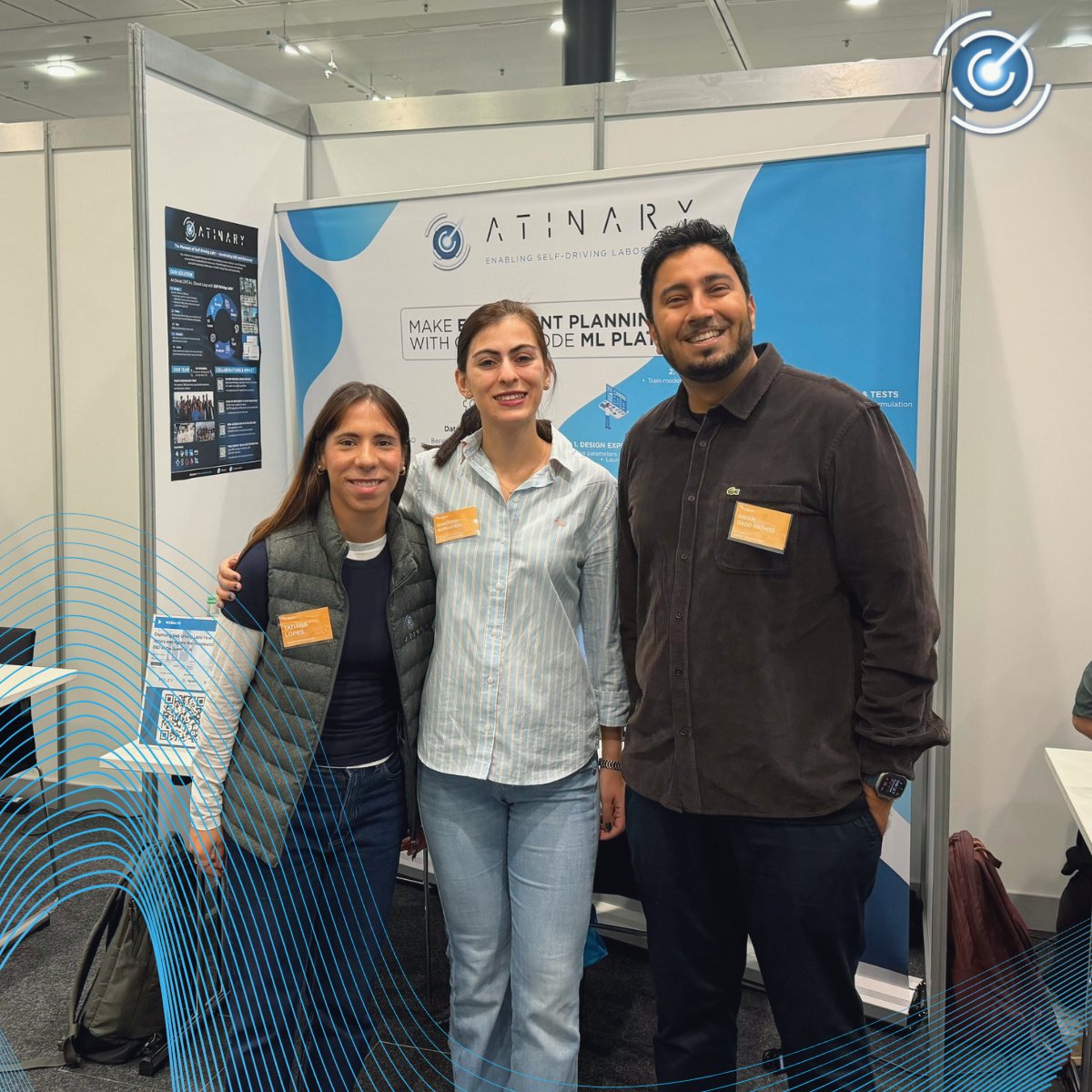
Thank you to everyone who visited our booth. Great discussions around our #SelfDrivingLabs mission to augment scientists with AI & robotics to accelerate scientific discovery.
Join us: https://t.co/hUP2f9LFF3
#SDLabs#ExponentialScience
With millions of parameter combinations, optimizing these reactions remains a bottleneck.
We’re proud to have Prof. Buchwald on our Scientific Advisory Board as we bring AI, #SDLabs & #SelfDrivingLabs technology to navigate these complex spaces faster! Stay tuned for Part 2! 2/2
From pharmaceuticals and crop protection agents to OLED displays on our smartphone screens, C-N bonds form the backbone of modern materials.
In 1994, Profs. Stephen Buchwald & John Hartwig introduced palladium catalysis, giving scientists a gentle way to form C-N bonds. 1/2
At Atinary, SDLabs® combines Physical AI & robotics to augment scientists & drive a Moore's Law of Discovery 🚀
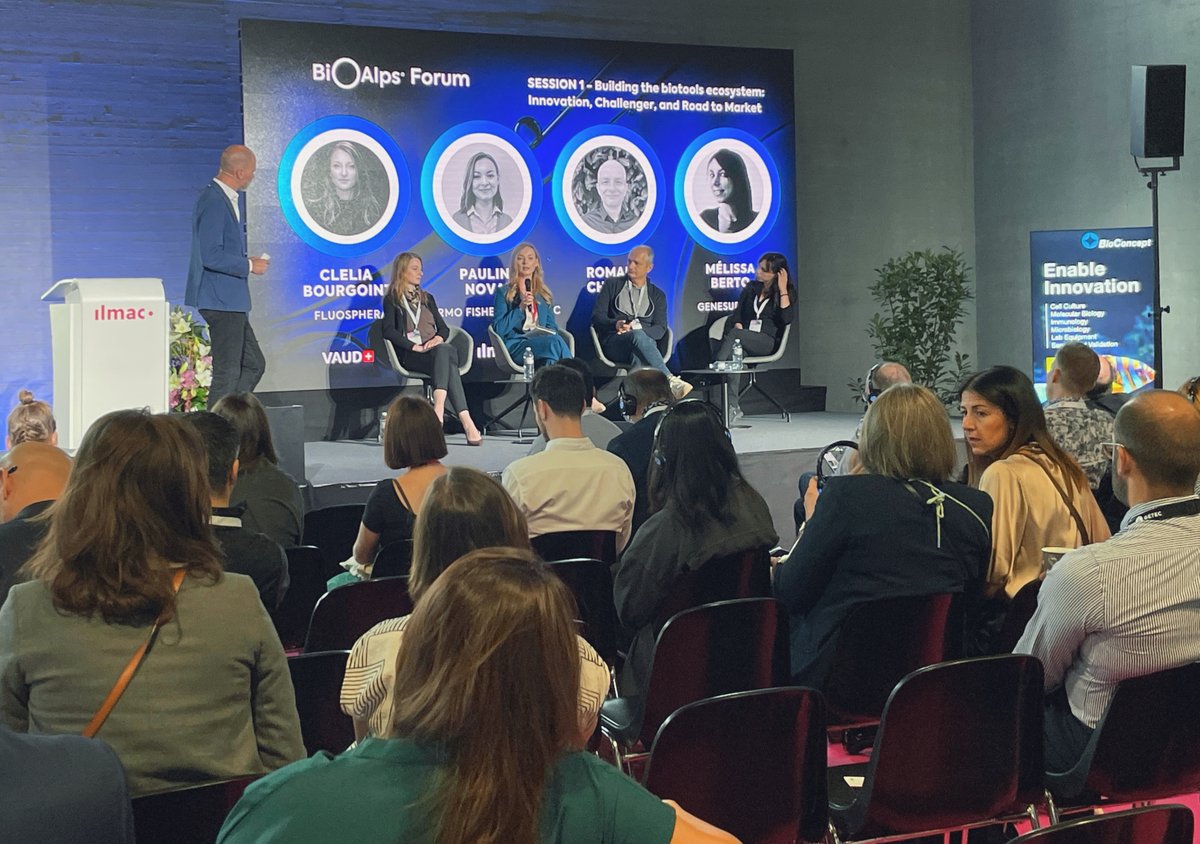
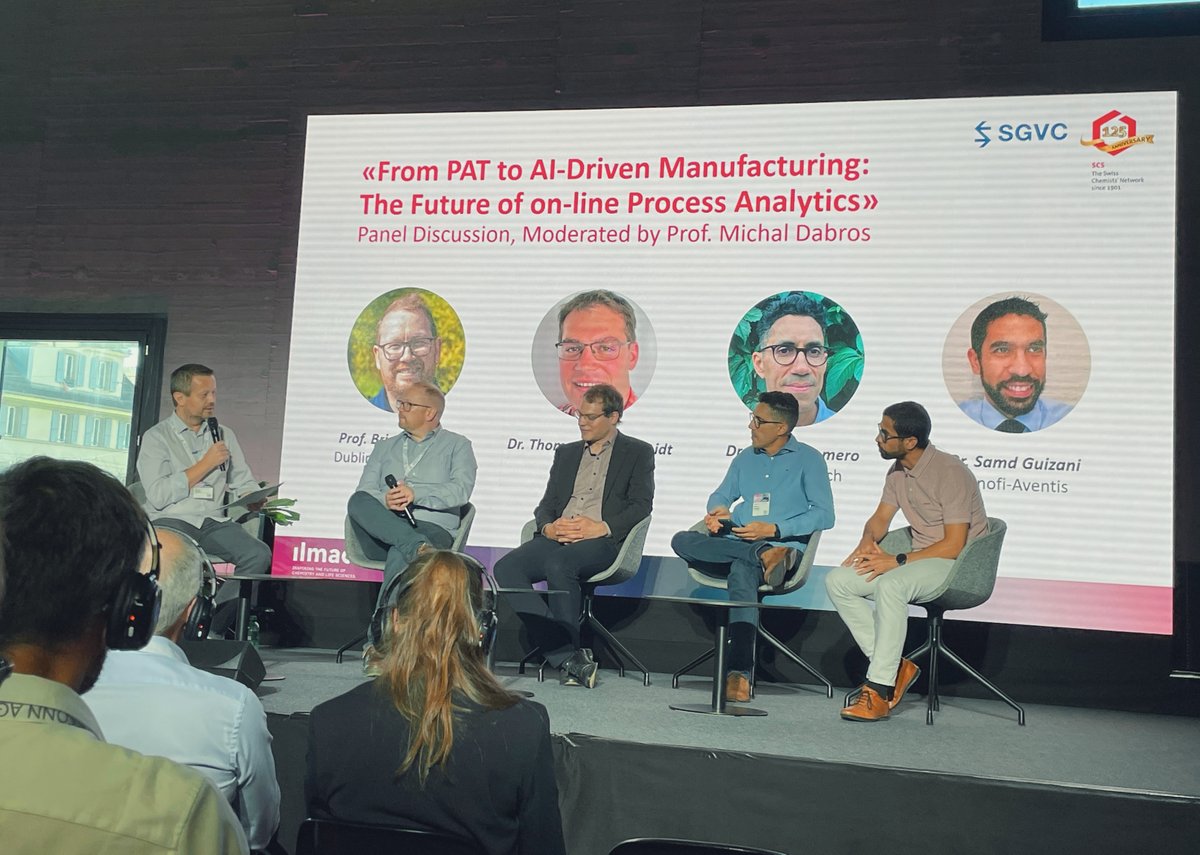
Thank you at Ilmac, @BioAlps & @SwissChemistry for great discussions!
👉 Explore closed-loop R&D: [email protected]
3/3
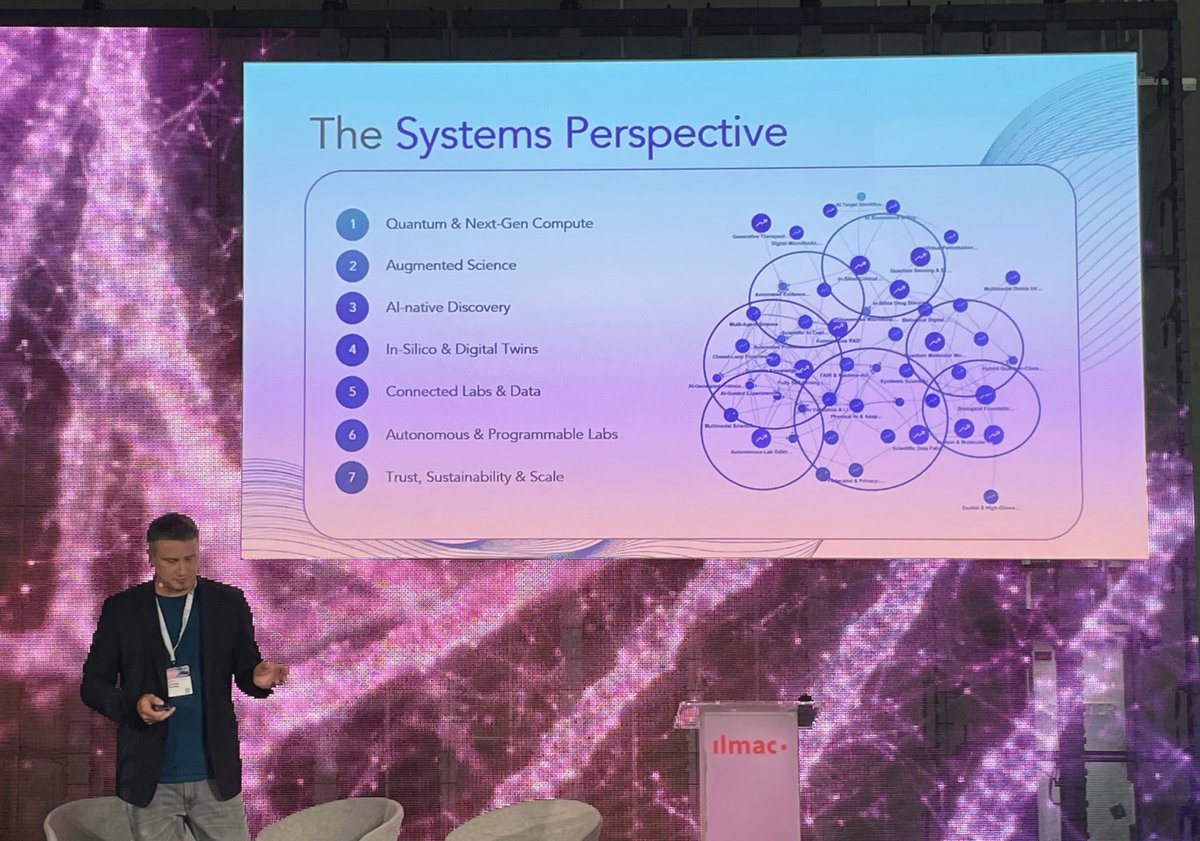
Reflecting on 2 inspiring days @ Ilmac. Key themes on AI/ML in life sciences:
1. Real-time analytics + active ML shift workflows from passive monitoring to active guidance 💡
2. Predictive models make it realistic to test significantly more hypotheses within timeline+budget🎯
1/3
3. Closed-loop automation isn't about replacing human intuition. It's about trusted models that learn from every run 🔄
4. Real-time sample tracking, metadata capture & remote monitoring give teams total operational awareness to run reliable automated workflows ⚡
2/3