Most people think Harpies were savage monsters with wings. Ancient Greeks saw something far more terrifying. They believed a Harpy only appeared when the gods had already decided your fate. And once it came for you, there was no escape. Here’s why…
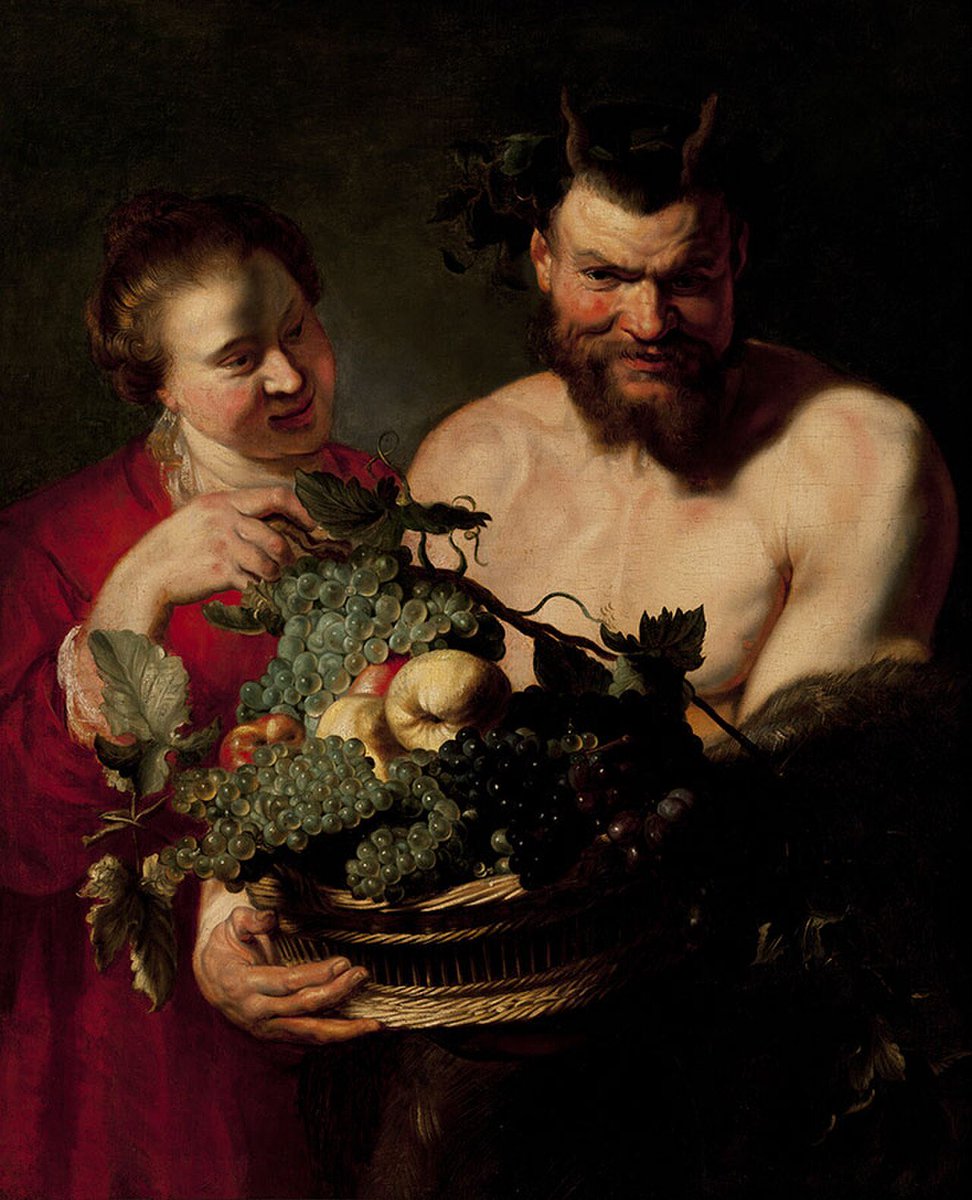
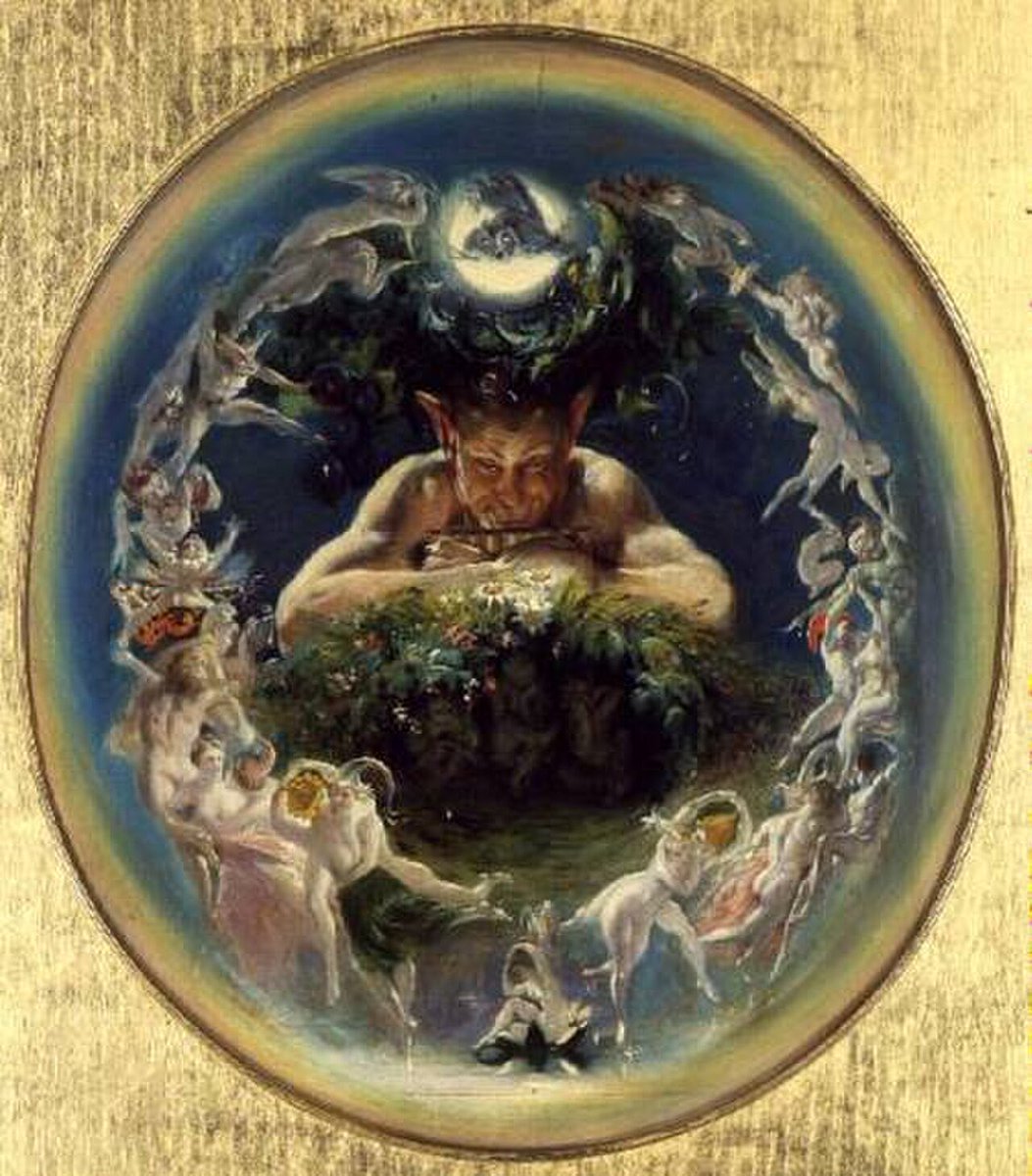
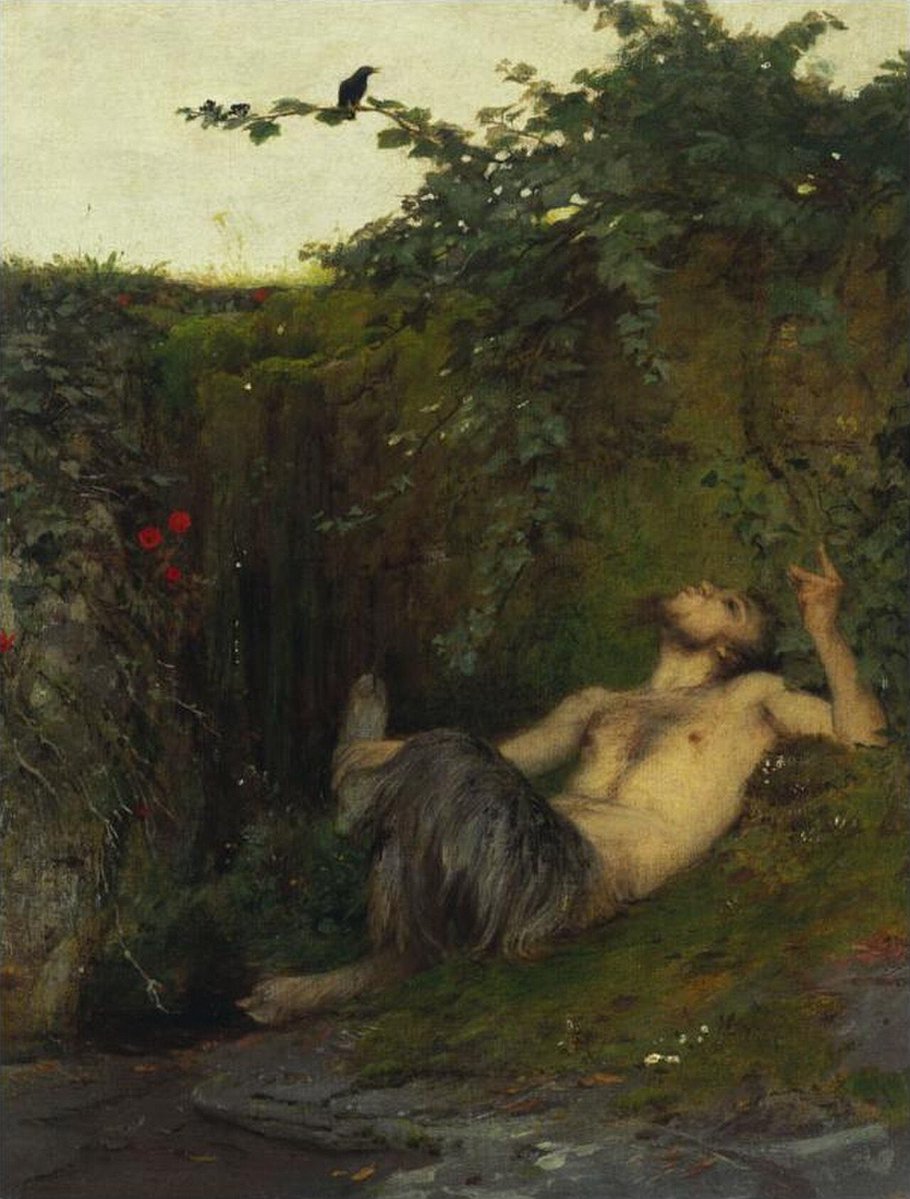
Faunus is one of those Roman figures that feels simple at first, until you realize he sits at the edge of something much older and stranger. Not a marble god of empire, but a presence in the woods that people genuinely believed could speak back.
The #Blackfoot world is often reduced to war or conflict, but that misses the structure behind everything. Life on the plains was built on movement, buffalo knowledge, social order and survival systems that worked long before contact changed the balance.
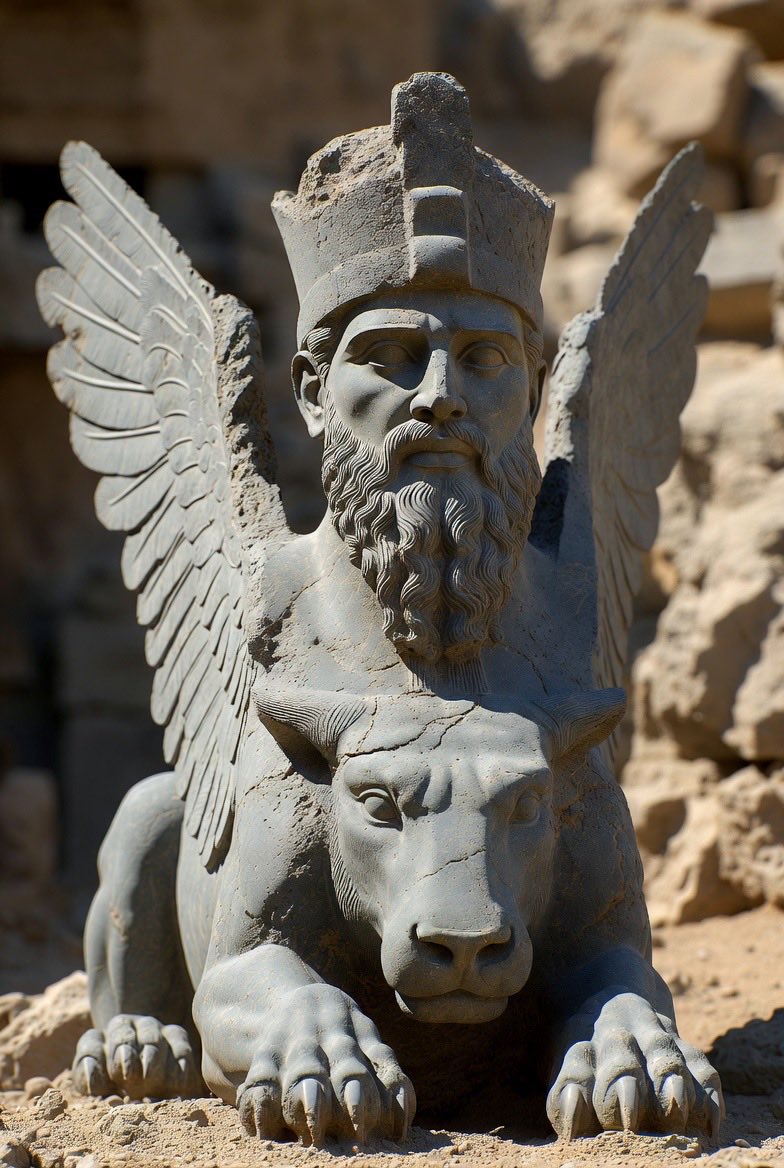
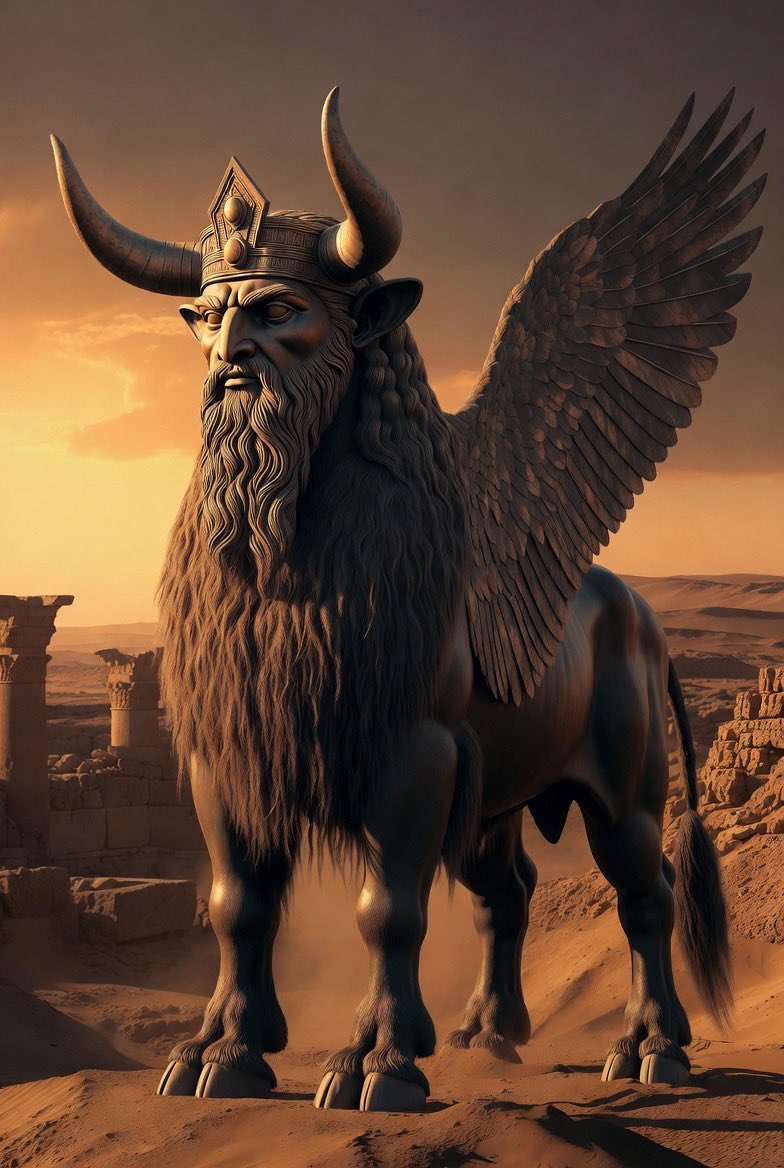
Even today, museums display Lamassu as artifacts, but in their original context they were experiences. You didn’t just enter a city, you passed a threshold where myth, fear and power merged, and the empire told you exactly who controlled reality.
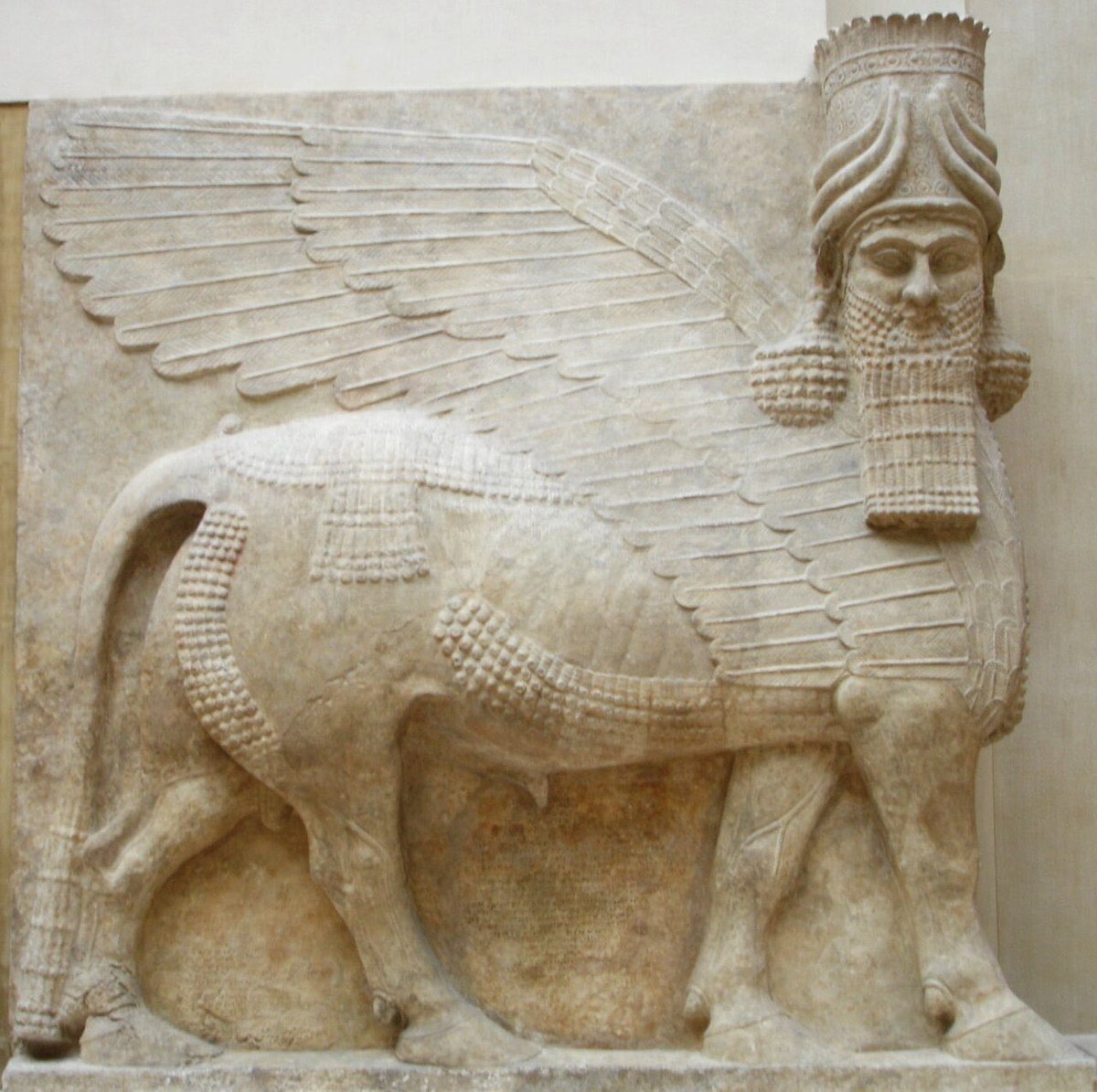
Before soldiers, before walls, ancient Assyrian cities were guarded by something more unsettling than any weapon: the #Lamassu. A stone creature with a human face, bull body and eagle wings, placed at gates to make you feel watched long before you entered.
There’s a detail most people miss: Lamassu often have five legs. From the front they stand still, from the side they move forward. That illusion was intentional, creating the feeling that the guardian is alive and constantly advancing toward threats.
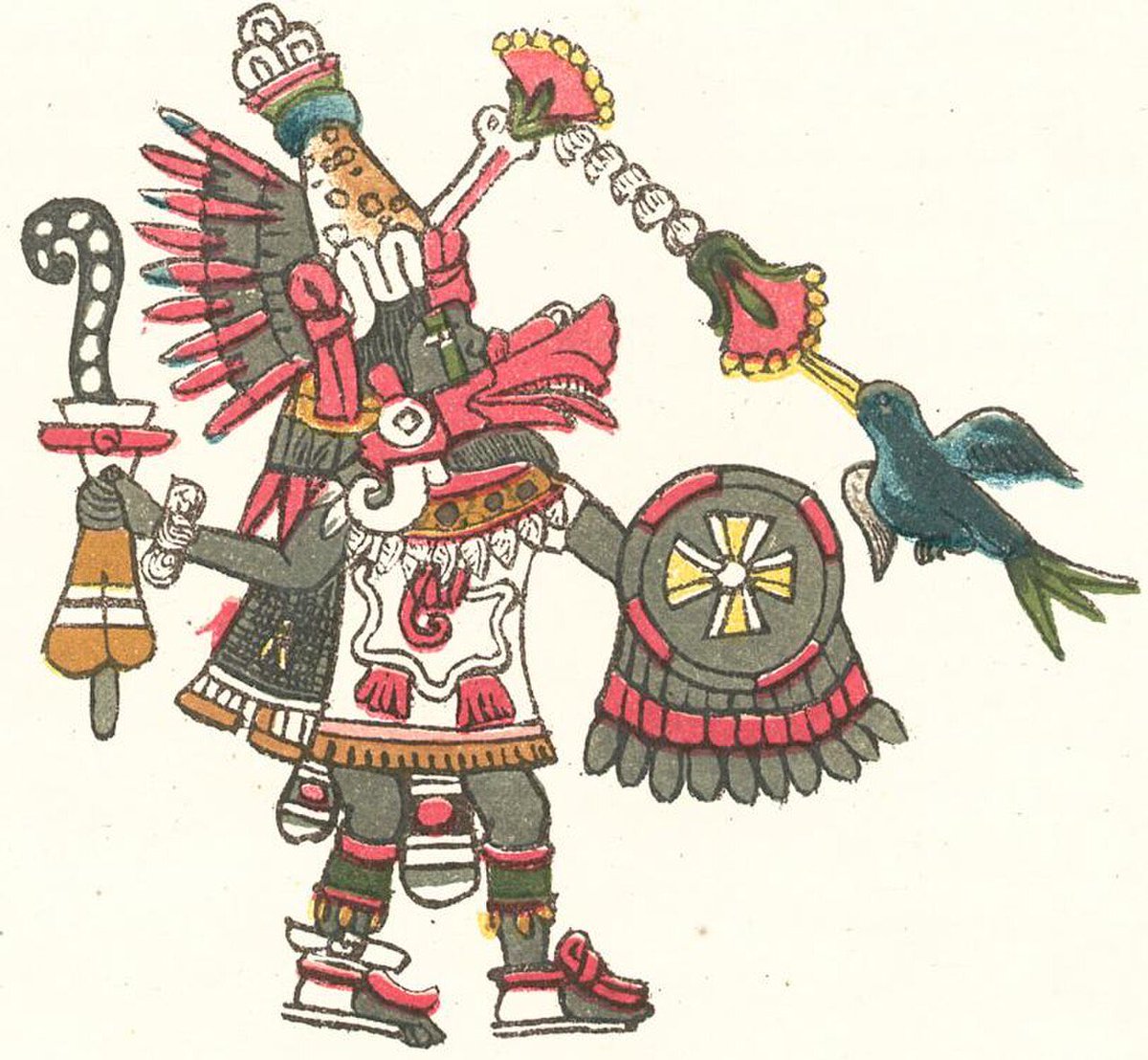
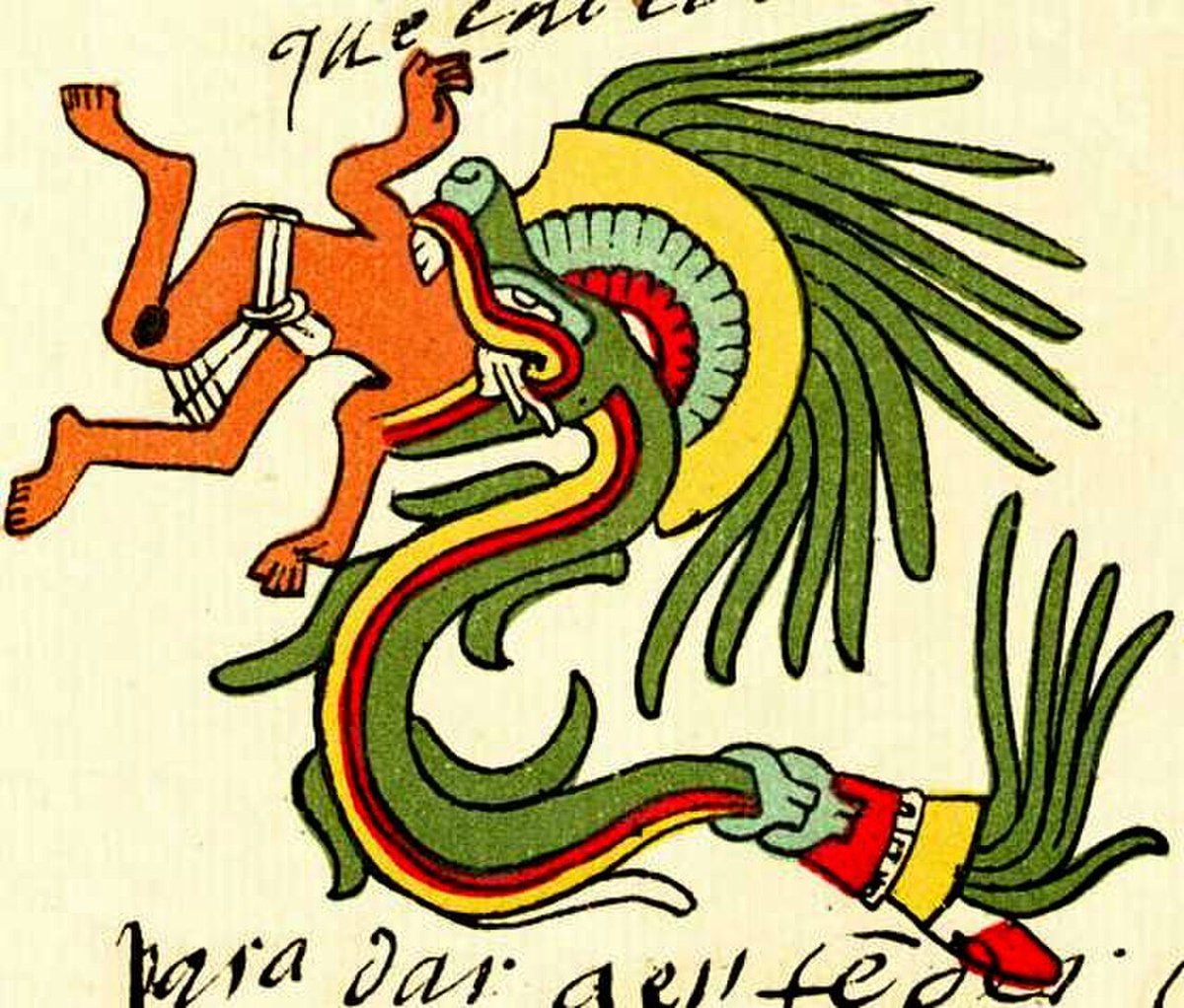
Most evidence suggests Quetzalcoatl traditions come from multiple sources across Mesoamerica, including Toltec and earlier cultural layers. What we know is filtered through codices and Spanish-era chroniclers, making interpretation complex and debated over time.
Quetzalcoatl is one of the most misunderstood figures in Mesoamerican history. He wasn’t a single fixed “god” in the modern sense, but a layered idea that evolved across centuries, shaped by different cultures long before the Spanish ever arrived.
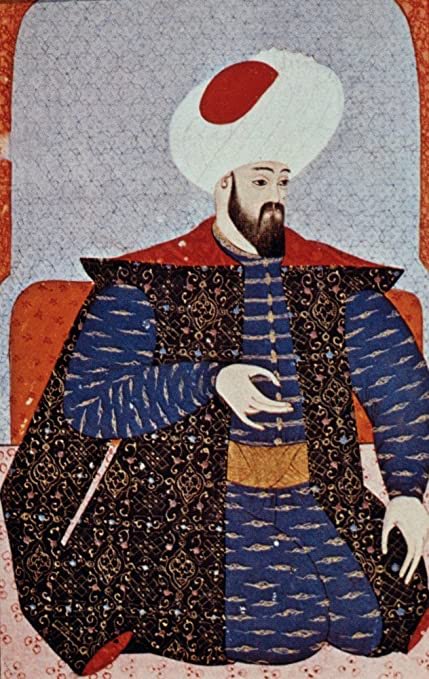
By the time Osman died around 1324, his territory was still relatively small. But he left behind something more important than land: a system that rewarded expansion, loyalty, and constant movement on the frontier.
Most empires don’t begin with emperors. The Ottoman Empire starts with Osman I, a minor frontier leader on the edge of the Byzantine world. No palace, no capital, no massive army, just a small beylik that would eventually reshape three continents.
One of the most famous stories about Osman is his dream of a tree growing from his body and covering the world. Historians generally treat it as a later symbolic myth, not a verified event, used to explain and legitimize Ottoman expansion.
Culture, survival and daily life were the same system. Stories carried history and rules, children learned by immersion, and time was measured through nature. Even conflict existed inside this structure, but it was only one part of a much larger way of life.
The #Blackfoot world is often reduced to war or conflict, but that misses the structure behind everything. Life on the plains was built on movement, buffalo knowledge, social order and survival systems that worked long before contact changed the balance.
Mobility followed logic, not wandering. Camps moved with buffalo herds, seasons and water sources. Timing was critical, and experience determined when entire communities shifted. Movement was planned, coordinated and based on deep environmental knowledge.