@DeborahYeboah16 On some occasions, yeah, scenario here is with Dembele and Mbappe out, should England win, Kane will undoubtedly be WB, he has had a great season, Now,the tricky part is what if Argentina wins, who wins WB? Messi?, maybe the stats will come to play?
A Chinese tech-firm has unveiled a new AI-driven robot which it says is the first of its kind designed to tackle loneliness.
The human-like “companion robots” are said to provide owners with “unconditional love”.
Al Jazeera’s Katrina Yu reports.
Donald Trump said the US will reinstate its naval blockade of Iran and charge ships a 20% fee on cargo passing through the Strait of Hormuz. https://t.co/jKyWdL2iZ1
🚨 The 1974 Kissinger Report just exposed how Washington really saw Africa.
A secret U.S. strategy document named Nigeria, Egypt, and Ethiopia as threats not because of armies or nukes… but because their populations were growing too fast.
The fear? Too many Africans = not enough cheap raw materials for America.
Professor Kent Hodge breaks it down in this clip.
The report shaped decades of Western policy : IMF Structural Adjustment Programs that locked Africa into the “resource curse” exporting raw minerals cheap and importing expensive finished goods.
Population control efforts ramped up across the continent.
This wasn’t “aid.” This was resource geopolitics at its rawest.
Africa’s resources. Africa’s future. Africa’s people.
They were never asking for permission.
Watch the full breakdown.
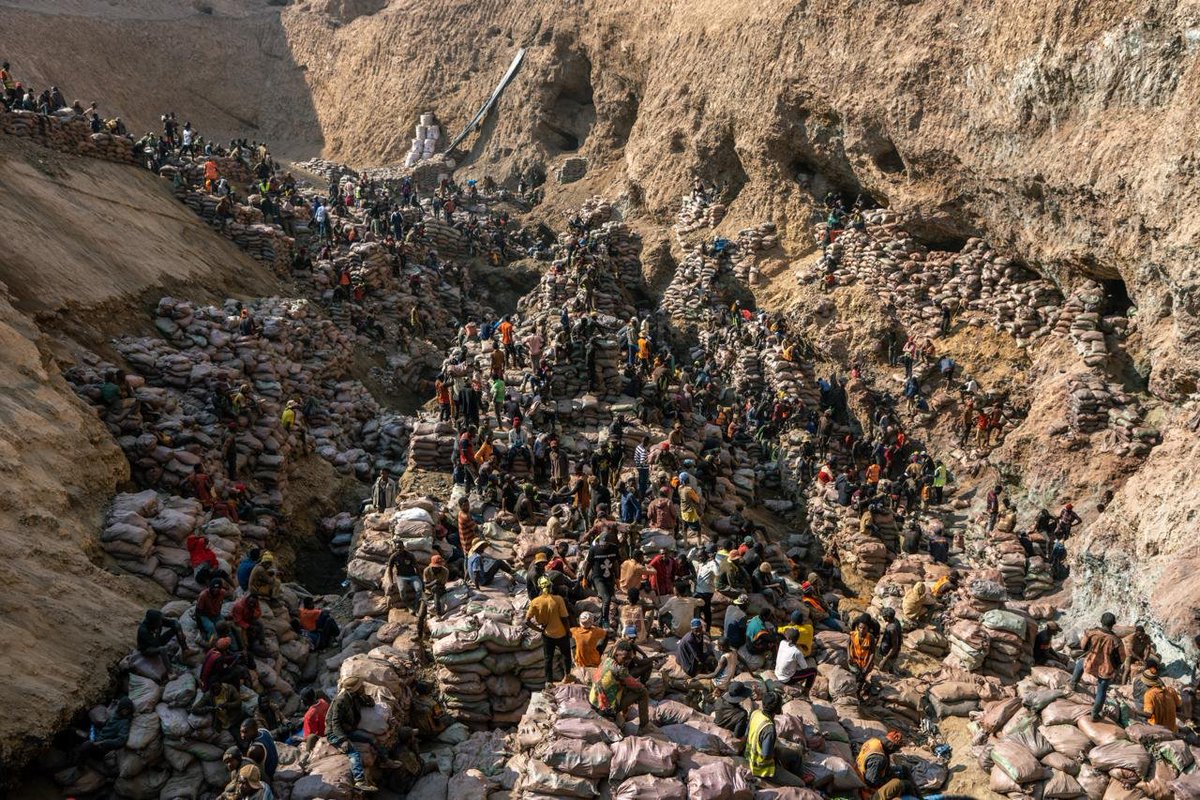
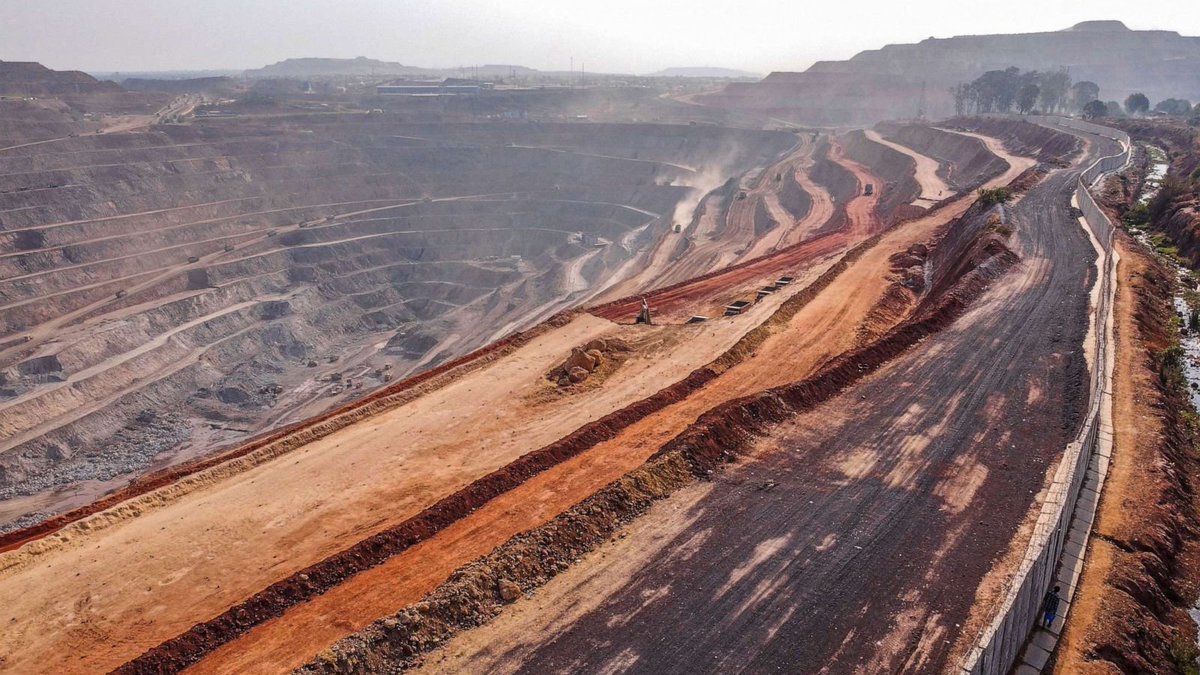
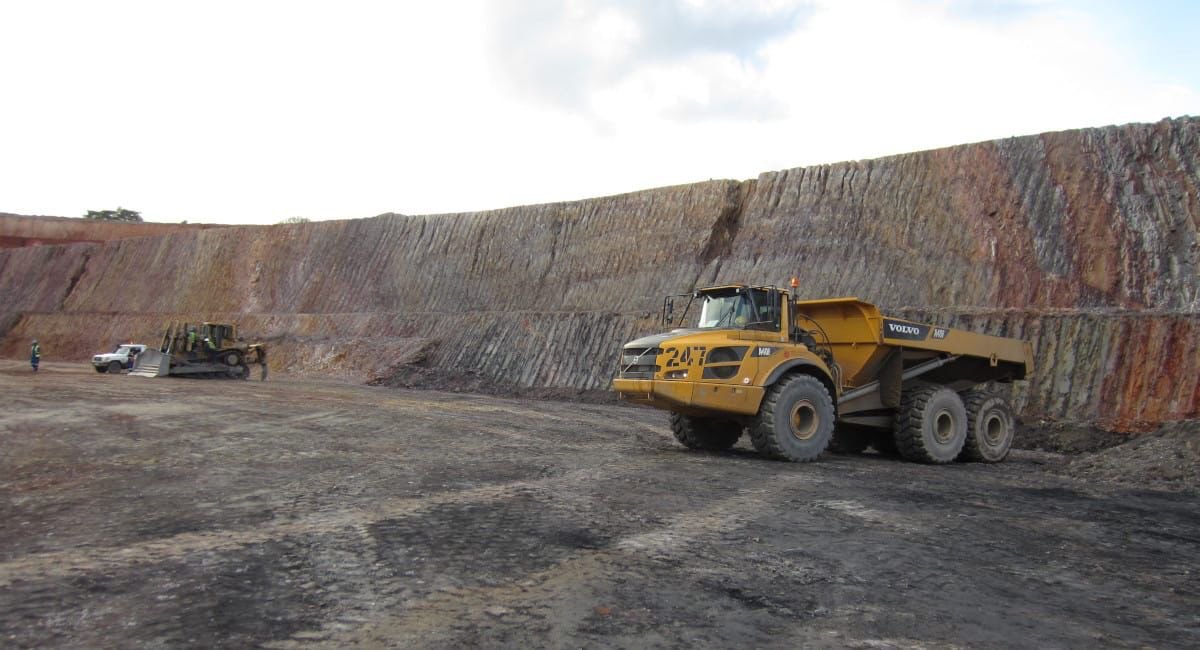
🇨🇩🇨🇳🇺🇸Africa's sitting on a fortune it can't ship
The continent holds the raw material behind the modern world, the cobalt and copper inside every phone, every EV battery, and every AI data center humming right now.
Take cobalt. The Democratic Republic of Congo alone digs up roughly three-quarters of the world's entire supply. That's the kind of grip that lets one country move the whole market.
And it's shown it. Last year it simply switched off cobalt exports for months, and the price more than doubled.
The catch is where it sits, ground with bad roads, patchy rail, shaky power, and ports that can barely move the volume. Add slow environmental permitting, the government sign-off a mine needs before it can dig, plus security and logistics headaches, and the minerals get stranded in place.
And while the West argued about it, China moved in. It didn't just buy mines, it built the whole chain, the roads to reach them and the plants that turn raw ore into the finished metal batteries actually use. Chinese firms run two of the DRC's biggest cobalt mines, and nearly 80% of the world's cobalt is refined in China.
That's the quiet scandal. Africa ships out raw rock and refines barely 3% of it, so the country digging it up sees a sliver of the money while the real fortune gets made abroad.
Now Washington is scrambling to catch up, with a U.S.-Congo minerals deal in the works and reported talks involving Erik Prince, the Blackwater founder, on protecting Congo's mining revenue.
And it isn't only cobalt. Copper, the DRC's other giant export, is the metal the whole electric grid and AI-power boom runs on, and its price is climbing too.
So the next commodity cycle, the boom and bust swings that decide who cashes in, won't just reward whoever owns the minerals. It'll reward whoever can move and process them.
Africa has the rocks. Whoever builds the road out keeps the reward.
Source: Jack Prandelli, USGS, AfDB, Fastmarkets, Reuters / Writer: Daniyal