E finalmente esta é a miña favorita. As luces laranxas penso que son da vila portuguesa de Melgaço.
As vermellas son muíños.
Vense borrosas as luces terrestres porque non teño trípode e tiven que aguantar o móbil 2 min quieto coa man.
Fin do fío.
Last week I defended my PhD in physics "Control and Automation in Biophysics Applied to Medicine".
Since I was a child I was inspired to solve problems and think outside the box by Professor Layton games.
Thank you @AkihiroHino, I wonder how many people your work has inspired.
FisEs'25 está llegando a su final. Ha sido un placer contar con todos vosotros aquí y con charlas y posters (casi 150) tan interesantes. Más de 200 personas! Un éxito. https://t.co/3pgrQAaEf6 @RSEF_ESP@UniversidadeUSC@iMATUS_USC@CITMAga@cretus_usc
Free robot giveaway time! Inspired by cleaning up my workshop, I’m finding a home for ~10 of these gripper arm kits. They are basic, but surprisingly useful, and come with a Bluetooth enabled microcontroller. All you have to do is RT this post and reply with what you’re going to do with it. I’ll pick the coolest ones and send one your way.
Organizamos el XXV Congreso de Física Estadística - FisEs’25, que tendrá lugar en Santiago de Compostela los días 18, 19 y 20 de junio de 2025. Apuntaros! https://t.co/nImqx47rAj
Please share this far and wide. As far and wide as you can. NIST Password Guidelines for 2024 are in the process of being updated.
This is a HUGE pet-peeve of mine (when vendors in particular are still operating like its 2017 and keep changing passwords every 60 days, STOP DOING THIS, it's outdated and has been shown to put you MORE at risk than less -- NIST explains why it does in this document, meticulously outlining user behavior**) so I'm sharing this in the hopes all of you will pass it along to your bosses.
The Special Publication series governing passwords is SP 800-63 "Digital Identity Guidelines".
The 2024 version is 800-63-4.
Here: https://t.co/oX8YEJHxXg
The companion docs are also on that link. They are 800-63A, 800-63B and 800-63C. These are different documents for different scenarios in play at your org.
The previous update was in2020.
The changes in the 2020 version from the 2017 version were numerous but one of them was that the password verification method should NO LONGER require passwords be changed at specific intervals (i.e. every 60 days) but in the following circumstances instead:
1. After a breach/compromise
2. User request
2024 repeats this and adds a bunch more guidlines but here is a screenshot of page 13 of the new 800-63-4 (note the # 4 after it) which outlines how your systems should now and moving forward, be handling passwords.
This goes for Active Directory, too. All your systems which have passwords should align with these guidelines provided there isn't another standard or framework you must adhere to which overrules this.
Most frameworks, however, have moved away from arbitrary password resets and complexity rules.
**We cybersec researchers and hackers use wordlists from breaches in a variety of different ways. Hackers use them in tooling to crack passwords whereas researchers use breach dumps to see the kinds of passwords users are creating and the psychology behind them.
Using complexity rules gets you the user psychology of:
Password1
Password2
and so on
Use phrasing instead and allow for spaces, which is important. Humans type phrases with spaces. They also mention phish-resistant methods and most vendors are on-board with MS going to be turning off all Legacy Auth next month, across all free accounts and tenancies.
I'm so excited for the new changes!
Ok I'm off my soapbox.
Share the love! Thank you!
Tenemos nuevo doctor en el Grupo, Ismael Arán Tapia, que hoy defendió su Tesis doctoral "Mathematical modeling of the vestibular system: a path to personalized medicine". Enhorabuena!! @CITMAga@cretus_usc
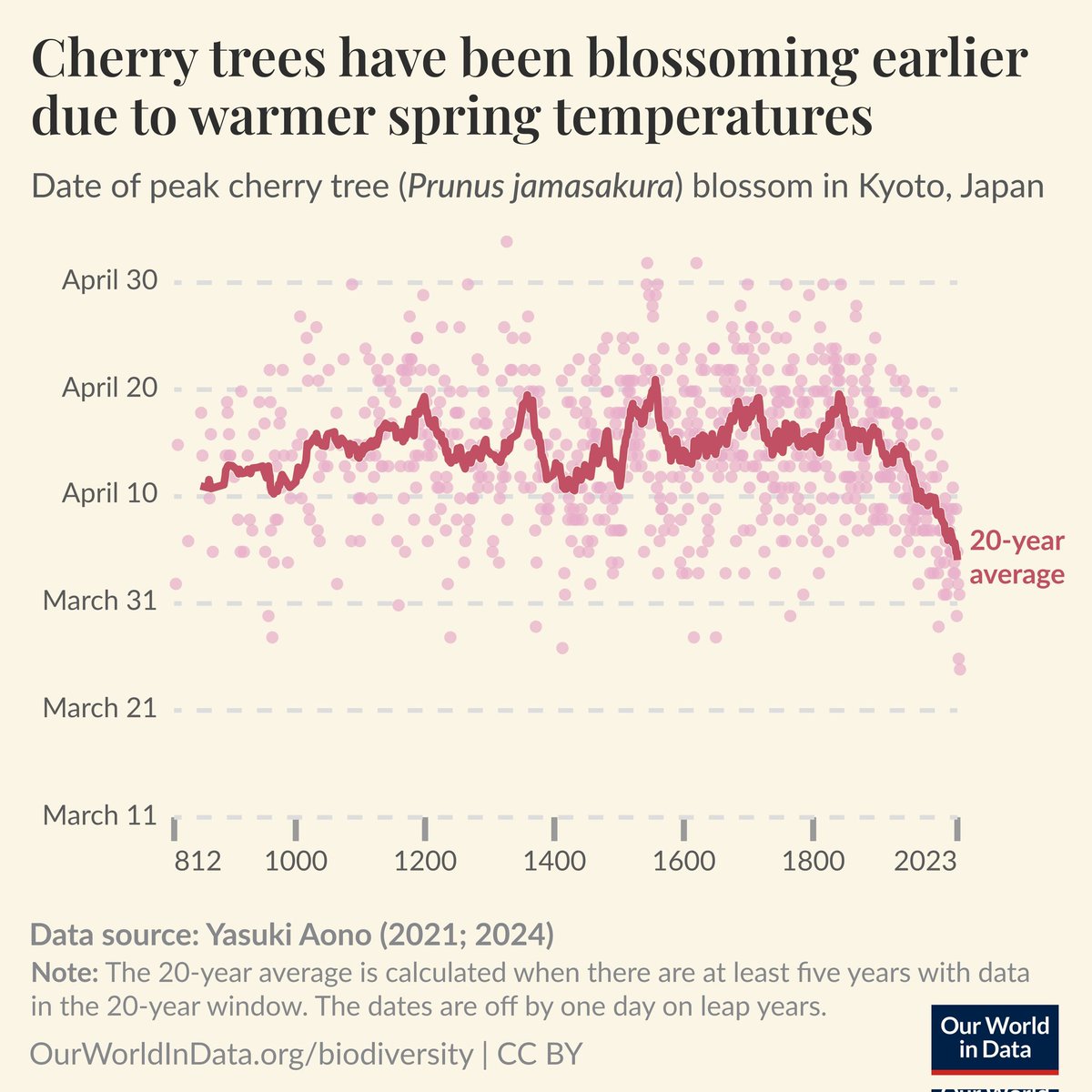
Los japoneses llevan 1200 años anotando la fecha de floración de los cerezos.
Vean cómo esos arbolitos se han unido a la conspiración del cambio climático para imponernos la Agenda 2030.
Ayer nuestro compañero Alejandro Carballosa defendió su Tesis sobre Dinámicas emerxentes en redes complexas: Sincronización, polarización e epidemias. Enhorabuena!! @CITMAga