This bottle of 1980 Penfolds Grange was so incredibly youthful, it almost seemed to be aging in reverse, like Benjamin Button!
First crafted as an experimental wine in 1951, Penfolds Grange has since become one of the world's most renowned and collectible fine wines. While Shiraz (Syrah) forms its core, most vintages also include a touch of Cabernet Sauvignon, adding further depth and structure.
Blackberry and black cherry lead, followed by blueberry and black plum. Leather and savory spice come next, with a touch of eucalyptus. The robust finish coats the palate for at least 45 seconds.
The Roots & Water Member Appreciation Event featured some truly impressive large formats:
🍾 12L Piper-Heidsieck Brut Champagne (1990s)
🍷 6L 2009 Carter Beckstoffer To Kalon "The Grand Daddy" Napa Valley Cabernet Sauvignon
🍷 6L 1986 Groth Napa Valley Cabernet Sauvignon
🍷 6L 2000 Château Pavie-Decesse
Beyond the wow factor, there is a reason serious collectors love large formats.
Because the ratio of wine to oxygen under the closure is lower, larger bottles often evolve more slowly and can remain remarkably youthful over time.
The biggest surprise of the evening may have been the 1990s Piper-Heidsieck. Despite its age, the Champagne was still fresh, vibrant, and full of life.
Large formats also create a unique shared experience. Instead of a handful of people enjoying a special bottle, dozens of wine lovers can taste the same wine, compare impressions, and create memories together.
And let's be honest… they're also just a lot of fun.
Do you enjoy wine from large formats?
Join me for a signing of Napa Valley Decoded at Total Wine in Dallas.
Friday, Nov 13, 3 to 6 pm
9350 N Central Expy, Dallas, TX 75231
I wrote the book to make Napa easier to understand and shop. Stop by with your questions, and I'll answer them in person and sign your copy.
@angus_macnab@almacarraovejas@RiojaWine Thanks, Angus, and agreed that it's a real limitation. I tried to capture it in the post, where I noted that village wines need a winery located in that village. That's why Aiurri's Leza cellar makes Salas eligible as Vino de Leza.
Rioja labels used to name a region. Now they can name a village, or even a single vineyard. And the wording on the bottle matters more than most people realize.
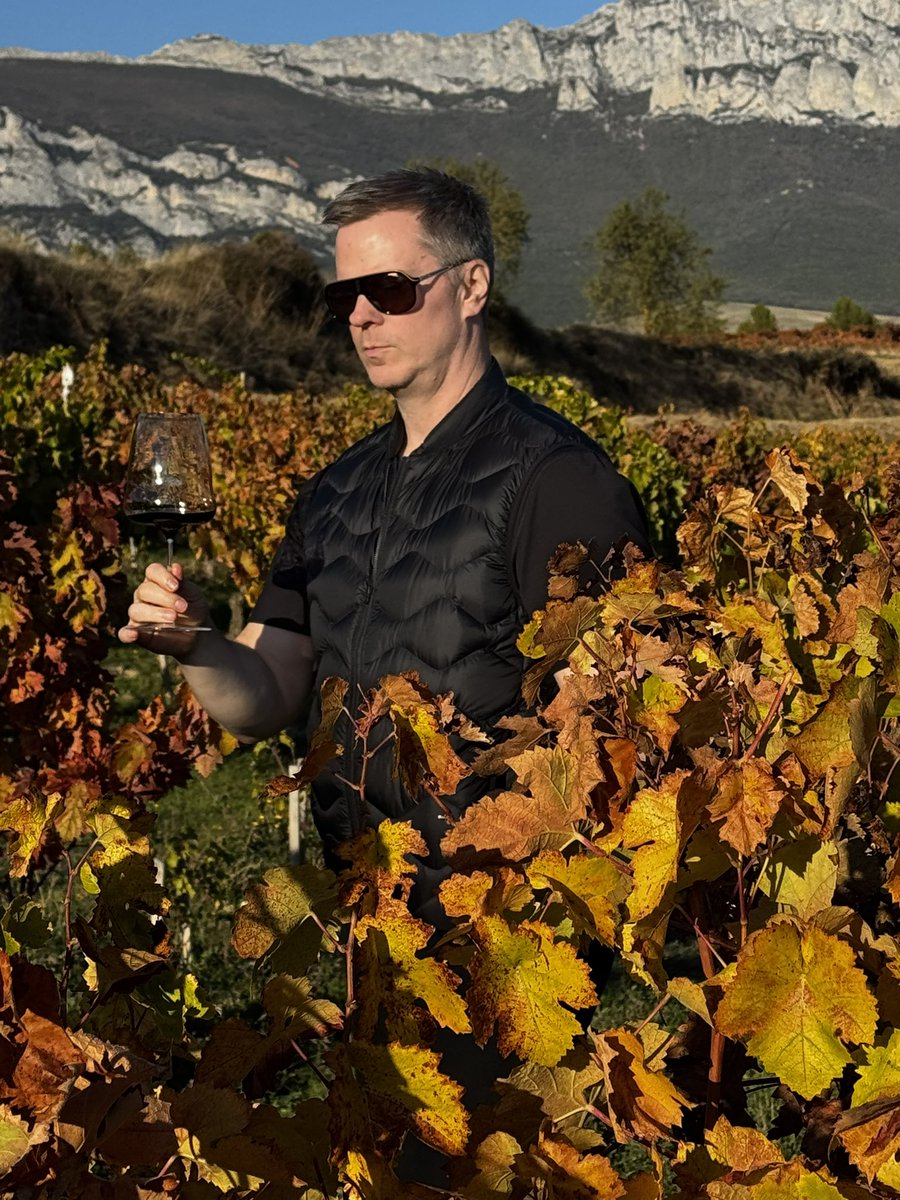
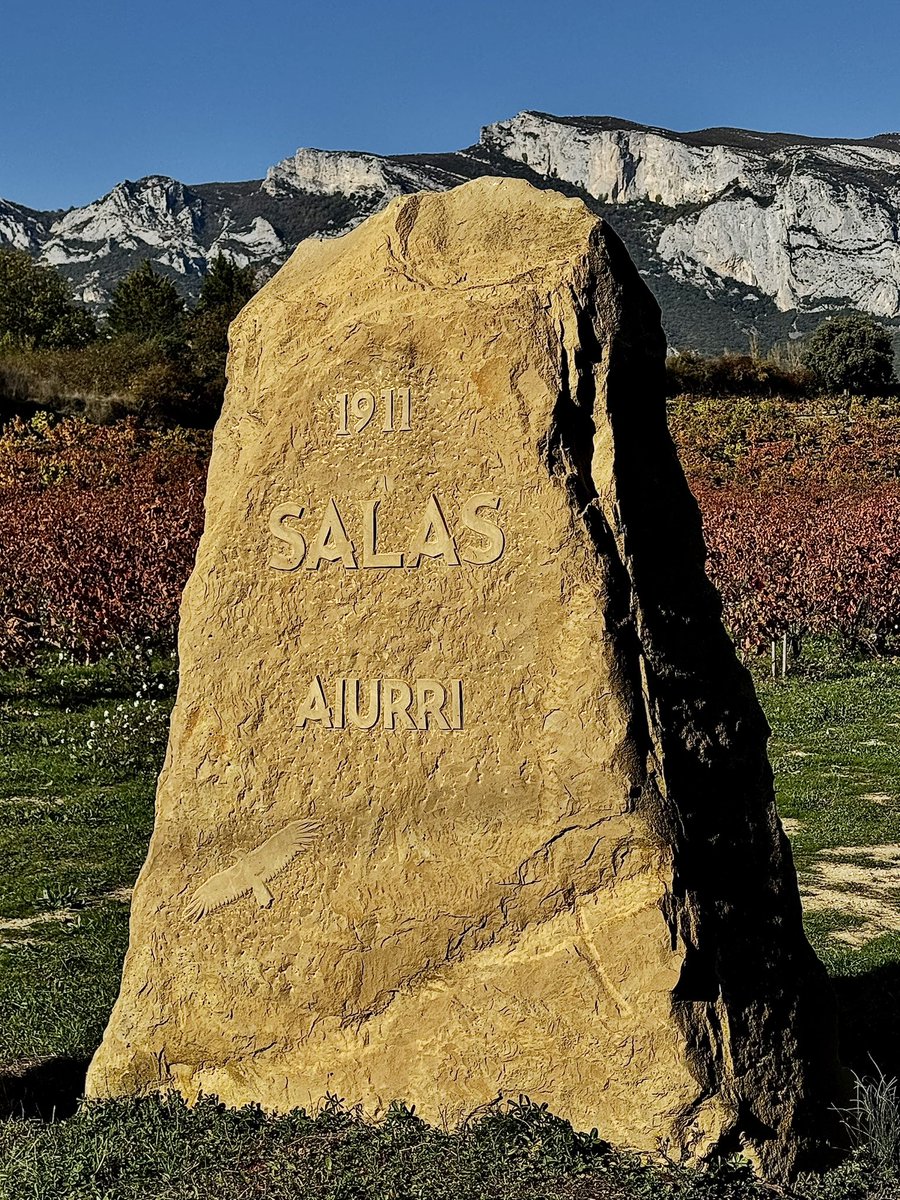
I tasted the 2023 Aiurri Salas standing in the vineyard it came from, in Leza, with the Sierra Cantabria rising behind me. Check the label: Vino de Leza.
Since 2017, Rioja has recognized two tiers of place. Village wines (Vino de Municipio) need traceable fruit and a winery in that village. Viñedo Singular goes further, with vines at least 35 years old, hand harvesting, and yields well below the regional limit.
Salas sits at the village tier, but the fruit comes from one old-vine parcel of about 2.6 hectares, with some vines planted in 1911. It's a Tempranillo-led field blend with so much clonal diversity that the plot works like a patchwork of micro-parcels.
Even on a chilly day, the sun made the site feel surprisingly warm. Tasting a wine in the exact spot it grew makes place on a label click in a way no tasting note can.
Thank you! Sounds like you had a great comparison tasting!
The Le Rocche Riserva was the more profound wine, with more depth and length. The regular Falletto is the compelling one on relative cost. It gives you much of that Serralunga structure and Giacosa character for considerably less.
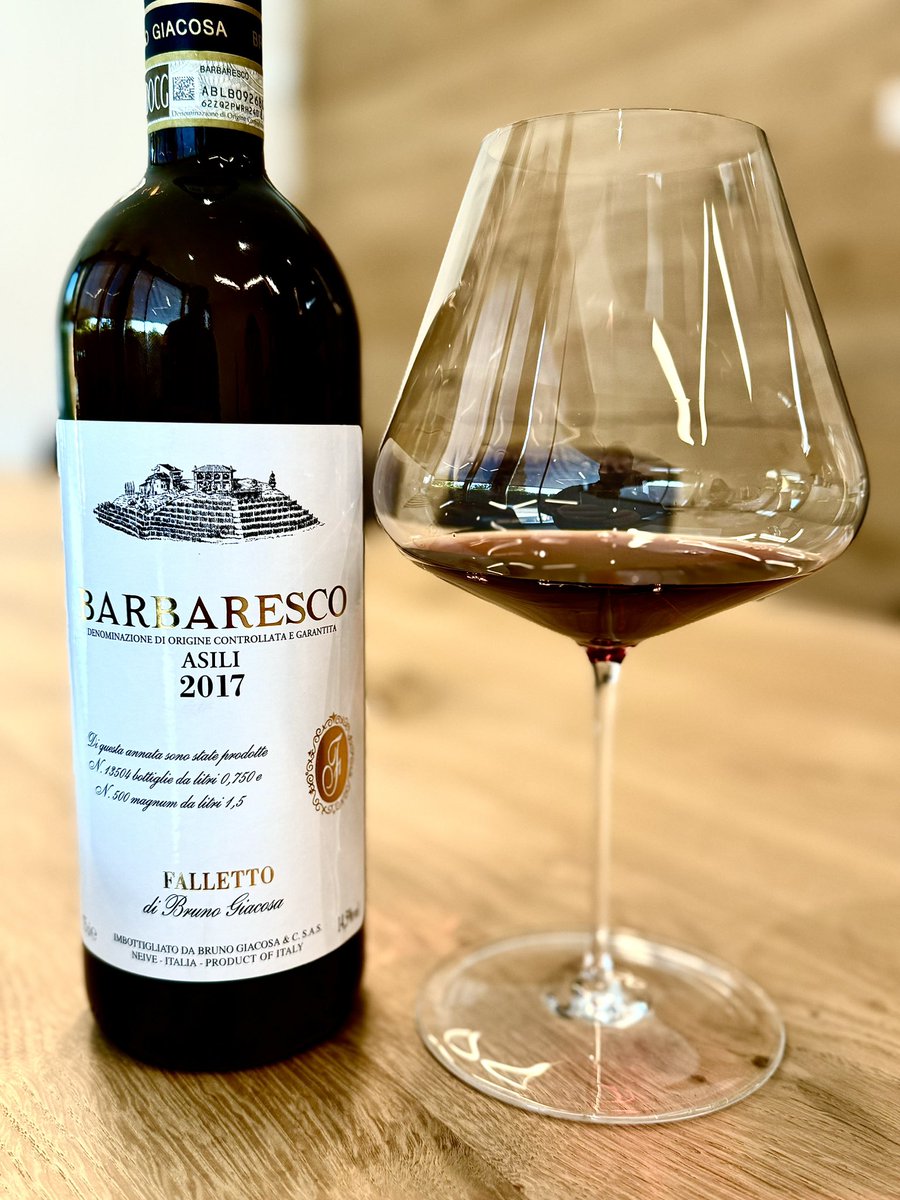
The Bruno Giacosa visit included these and more!
-2017 Bruno Giacosa "Asili" Barbaresco;
-2020 Bruno Giacosa "Rabaja" Barbaresco (released in 2024);
-2020 Bruno Giacosa "Falletto" Barolo (released in 2024); and
-2017 Bruno Giacosa Barolo Riserva "Falletto Vigna le Rocche".
Great question! Certainly somewhere better pairings than others. The 99 Pride from 6 L went quite well with it.
This was a casual format in a backyard, so I mostly ate separately and then went back to the wine. The Bordeaux mags were opened after the chili was gone towards the end of the day.