In this course, I learned how to navigate through not just Google's search functions but also UCI's library database to find more specific, academic sources. These skills will help me research much faster in the future.
@39CSustain#WhatIlearnedin39C
The feedback I was able to receive from my peers and from Prof. Dubey was invaluable. It really improved my paper and cleared up confusion I had about certain areas #WhatIlearnedin39C
Feedback is crucial! I might overlook the content of my paper that my peers won't. Since writing isn't my best subject, I rely on the feedback I get to make the best out of my assignments. However I do take the time to look over my paper carefully. @39CSustain#WhatIlearnedin39C
This was a big realization for me too. It's so important to be informed on issues that aren't widely covered to begin with and issues that fade out of the media's attention #WhatIlearnedin39C
I definitely found to use a formal tone at times, especially when discussing the consequences of my issue but it's also important for credibility as a writer. #WhatILearnedin39C
I learned that it is more effective for a paper to be formal on an argumentative topic than too emotional since it will overwhelm readers. #WhatIlearnedin39C
#WhatILearnedin39C#39CSustain A miniscule amount of the plastic we produce is recycled. The vast majority of plastic still ends up in landfills or as litter in the environment
https://t.co/Hf57oZvMI4
#WhatILearnedin39C#39CSustain It is crucial to critically research and examine several possible solutions for an issue to find the most effective one to advocate for.
#WhatILearnedin39C#39CSustain Social media is a valuable tool that has allowed me to stay informed and up-to-date on the issue I chose to focus on as well as many others. I really enjoyed learning about environmental issues from my peers and from scientists and advocates.
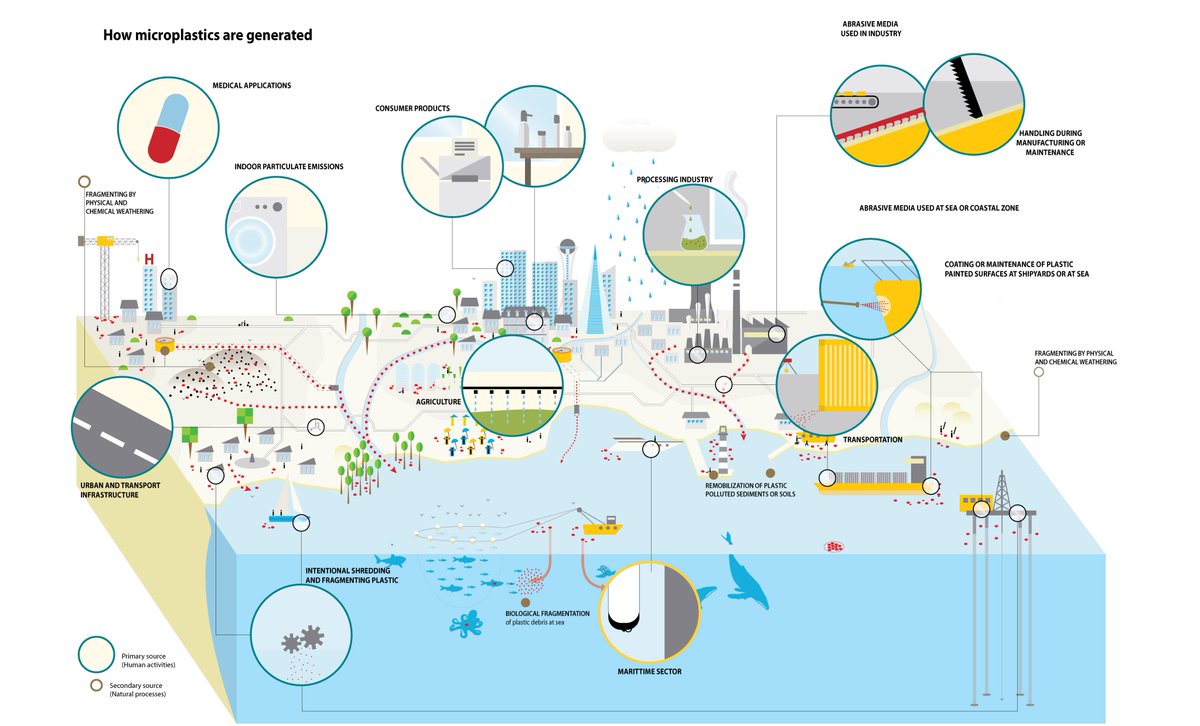
#WhatIlearnedin39C#39CSustain Plastic can end up in our oceans in ways that we may not expect. Just driving cars puts a staggering amount of Microplastics into the ocean
https://t.co/ZtupSOE0Mw
@plasticsoupfoun advocates for the elimination of plastic pollution in the ocean. You can help their efforts to end the problem of plastic soup by donating or by increasing awareness of your plastic footprint with their My Little Plastic Footprint app!
https://t.co/Iatx64lXgH
@5Gyres is a non-profit research organization dedicated to reducing plastic pollution. Help fund their efforts to research and educate people on this global issue #39CSolutions#39CSustain
https://t.co/Prp55oRMPk
“People can no longer use the excuse of high costs of recycling when taxpayers put $420 million towards litter clean-ups each year, just in California. It is nonsensical for so much to be spent while 8 million tons of plastic pollute the ocean annually"
https://t.co/SDwd1brLQ1
“...fear of contagion has been exploited by the plastic industry to instill distrust of reusable items in consumers. Single-use plastic has surged in popularity to minimize exposure to COVID-19. Additionally, the use PPE has led to a flood of plastic litter”#39CSustain
"Microplastics have found their way into our drinking water, food supply and even the air. The widespreadness of this issue indicates the severity of plastic pollution as a whole. All plastic items that end up in the ocean will degrade into microplastics over time" #39CSustain
Microplastics shed from tyres are a major source of river and ocean pollution, UK government-backed study finds
Tyres now join plastic bags, clothes and cosmetic microbeads as key sources https://t.co/rPFUJ7iVgf
(11/11) Despite some flaws, this solution works at the source of plastic pollution rather than attempting to clean up pollution that is already present while more plastic continues to flood the ocean.
(1/11) Reliance on plastic has led to devastating consequences for countless ecosystems. Plastic in our oceans never decomposes, rather it is simply degraded into #Microplastics. Its usage must be regulated in order to deal with this worldwide crisis. @39CSustain#39CSolutions