AA is the flagship journal of the Australian Archaeological Association Inc published since 1974. Follow us for authoritative research in Australian archaeology
New research on the Scarsdale 1 cache in western Queensland reveals evidence of anvil-supported retouching, suggesting novice stoneworkers helped produce tools for exchange.
https://t.co/wbF6VvWgVH
New research examines recently documented Rainbow Serpent paintings and other large-scale rock art from Awunbarna, western Arnhem Land, exploring how these powerful depictions responded to cultural change following European contact and settlement.
https://t.co/qksid0le7X
New research from French Polynesia explores how archaeological “backdirt” became a resource for local gardens, prompting a broader reflection on community archaeology and the tangible benefits archaeological research can provide.
https://t.co/0djAgErqVa
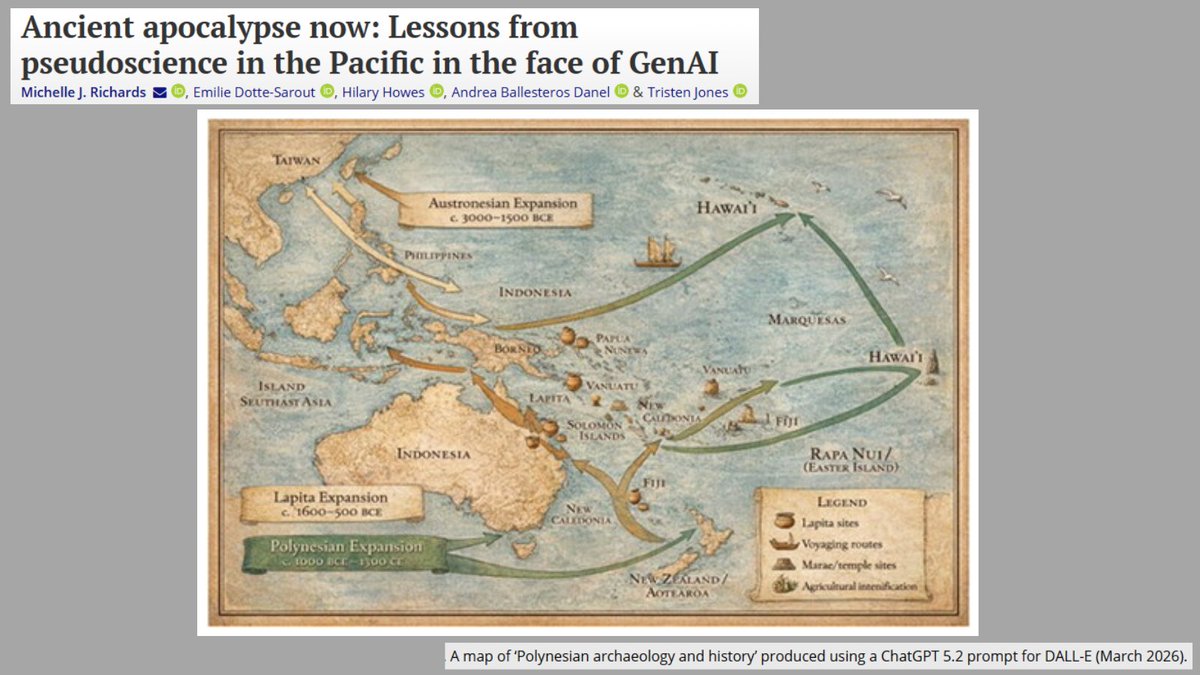
What happens when GenAI encounters pseudoarchaeology? This paper tests ChatGPT against fringe narratives from Australia and the Pacific, exploring misinformation, Indigenous knowledge and the ethics of AI.
https://t.co/0VyLhlqDlJ
Archaeological research at Waddy Point 1 on K’gari reveals 1,000 years of sustained Butchulla mollusc harvesting, highlighting long-term continuity in marine-focused cultural practices and evidence of cultural resilience following colonial invasion.
https://t.co/e288afKXEh
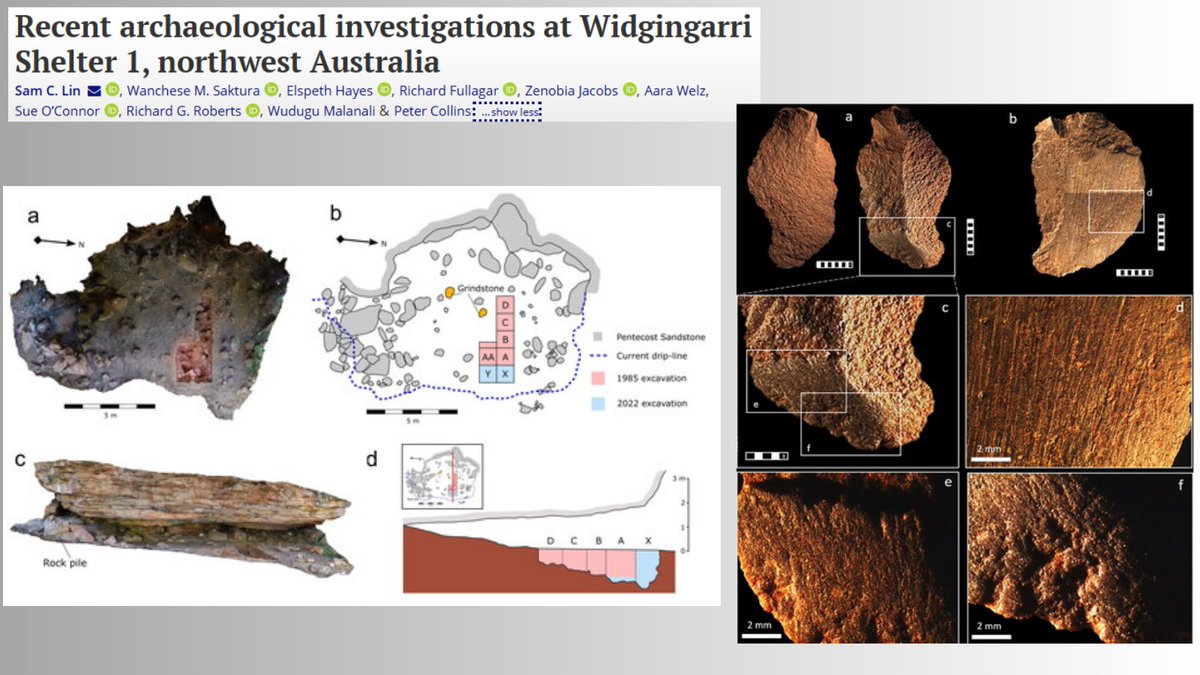
New excavations at Widgingarri Shelter 1 push evidence of Aboriginal occupation in northwest Australia back to ≥55 ± 4 ka.
A remarkable record of cultural continuity spanning the last glacial period and Holocene.
https://t.co/Pzt1nLj2DE
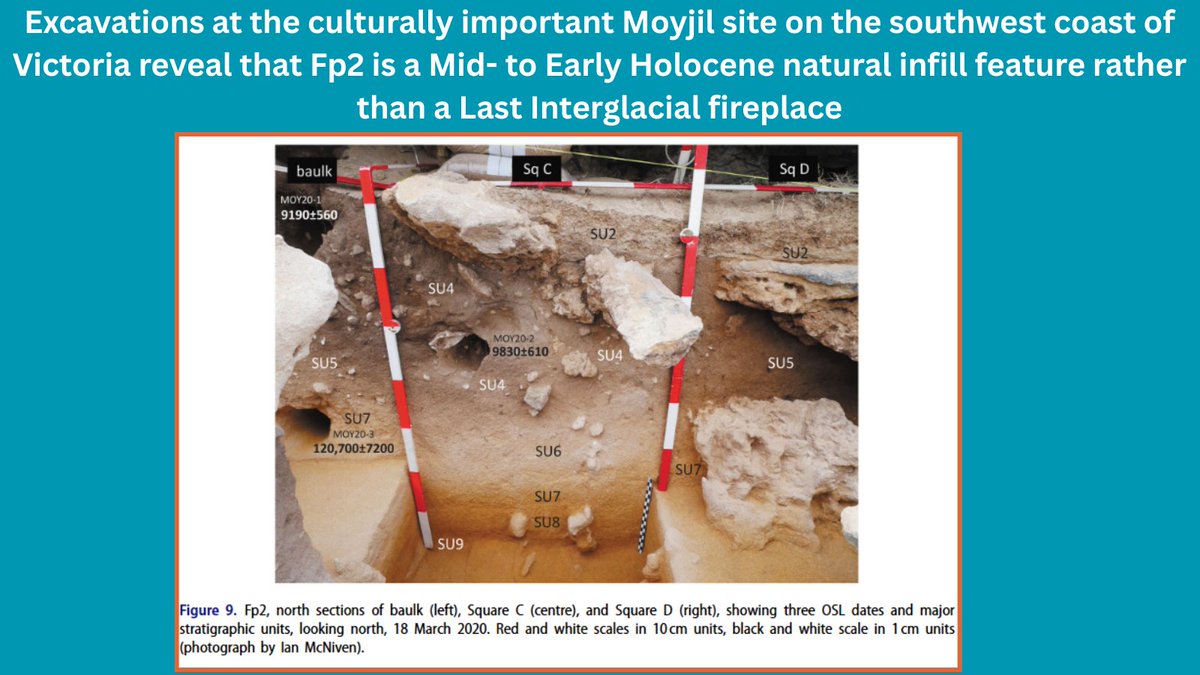
📚Recommended read: Excavations at the culturally important Moyjil site on the southwest coast of Victoria reveal that Fp2 is a Mid- to Early Holocene natural infill feature rather than a Last Interglacial fireplace by McNiven et al.
https://t.co/GZbqog6p2T
📚Book Review - Simon Coxe reviews West New Guinea: Social, Biological, and Material histories. Find it here 👇
Full article: West New Guinea: Social, Biological, and Material histories
📚Recommended read: Excavations at the culturally important Moyjil site on the southwest coast of Victoria reveal that Fp2 is a Mid- to Early Holocene natural infill feature rather than a Last Interglacial fireplace by McNiven et al.
https://t.co/GZbqog6p2T
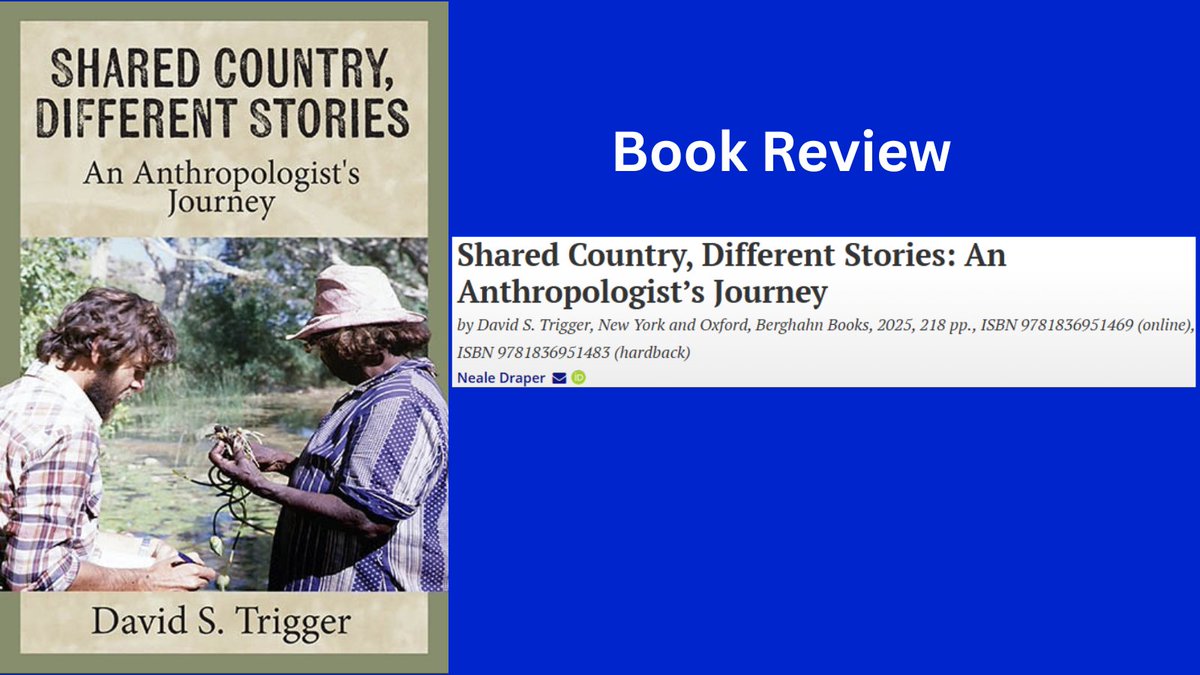
📚 New book review: Shared Country, Different Stories by David S. Trigger explores Aboriginal cultural connections to Country, anthropology, archaeology and the contested stories of places we share.
Full article: Shared Country, Different Stories: An Anthropologist’s Journey
New excavations at Widgingarri Shelter 1 push evidence of Aboriginal occupation in northwest Australia back to ≥55 ± 4 ka.
A remarkable record of cultural continuity spanning the last glacial period and Holocene.
https://t.co/Pzt1nLj2DE
Archaeological research at Waddy Point 1 on K’gari reveals 1,000 years of sustained Butchulla mollusc harvesting, highlighting long-term continuity in marine-focused cultural practices and evidence of cultural resilience following colonial invasion.
https://t.co/e288afKXEh
What happens when GenAI encounters pseudoarchaeology? This paper tests ChatGPT against fringe narratives from Australia and the Pacific, exploring misinformation, Indigenous knowledge and the ethics of AI.
https://t.co/0VyLhlqDlJ
New research from French Polynesia explores how archaeological “backdirt” became a resource for local gardens, prompting a broader reflection on community archaeology and the tangible benefits archaeological research can provide.
https://t.co/0djAgErqVa
New research examines recently documented Rainbow Serpent paintings and other large-scale rock art from Awunbarna, western Arnhem Land, exploring how these powerful depictions responded to cultural change following European contact and settlement.
https://t.co/qksid0le7X
New research from Windmill Way in southeast Cape York Peninsula reveals 1,100–1,300-year-old macropod incisor ornaments, with resin analysis suggesting they were once components of personal adornment such as necklaces or headbands.
https://t.co/nc2TGYGrlY
New research on the Scarsdale 1 cache in western Queensland reveals evidence of anvil-supported retouching, suggesting novice stoneworkers helped produce tools for exchange.
https://t.co/wbF6VvWgVH