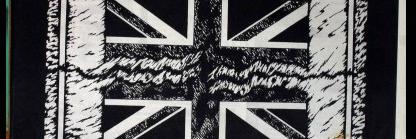
Secondly, @d_j_frost explores proto-punk, art and Maoism in Croydon in the early 1970s, via the Suburban Press publication and the pre-Sex Pistols work of Jamie Reid. https://t.co/4dA0edVsGi
The last two articles focus on the diffuse influence of Chinese communism and Maoism on British culture in the 1960s and 1970s. First, Lawrence Parker writes about anti-revisionists in the Communist Party of Great Britain and popular culture in the 1960s. https://t.co/eIseVkeUnH
Researching an aspect of Ireland's social or economic history? We have just the event for you!
We will be holding a special "meet the editors" event on zoom with @GrahamBrownlow & @AdelmanJuliana on the 8th of September.
Free to attend, register here:
https://t.co/oahqvjS4I3
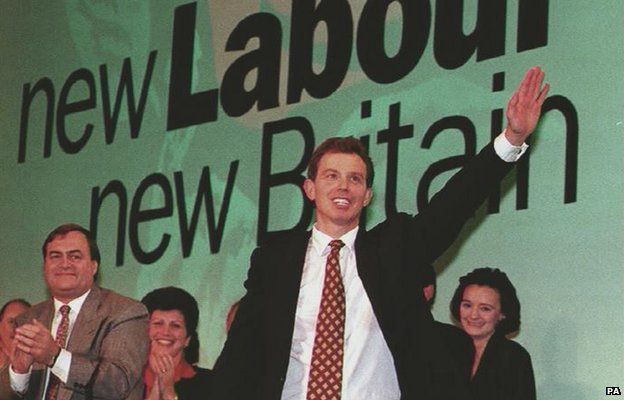
📢💥NEW PTO EXTRA!📢💥 - @jemgilbert on New Labour's early days and how very few, both inside and outside the party, understood just how committed to a neoliberal agenda Tony Blair and the circle around him were:
https://t.co/IaUelU1uuw
During WWI there was a study to investigate the ways ordinary people spoke. This @SoundArchive recording from 10 May 1916 is one of the earliest recordings of British vernacular speech, featuring POW Henry Heath reading the ‘Parable of the Prodigal Son’ in a Wolverhampton dialect
Join us for our next seminar on “The Legacies of British Slavery and Labour History” with Professor Jane Lydon and Dr Jeremy Martens. 16 May 2022. Online event. All welcome. https://t.co/o2vzazD6W2
Published today in open access by @UCLpress is 'Jeremy Bentham and Australia: Convicts, Utility, and Empire', a collection of essays edited by Prof Margot Finn (@EICatHome), Prof Philip Schofield, and me
https://t.co/AeR9Gc903W